Blog : restaurant

Stalk Jakarta, the Tree-Hugger Bar: A Restaurant and Bar That Cares about the Environment

Stalk Jakarta, the Tree-Hugger Bar: A Restaurant and Bar That Cares about the Environment

/ Jakarta, Indonesia /

/ Story: Kanamon Najaroen / English version: Bob Pitakowng /

/ Photographs: Mario Wibowo /

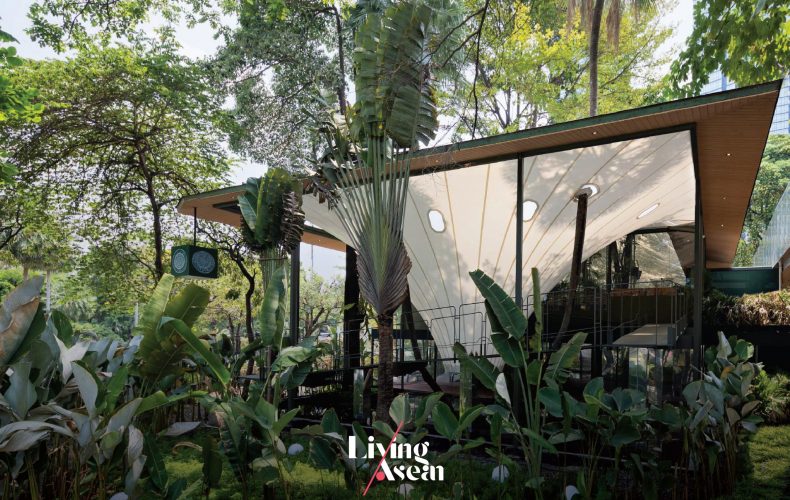
As its name suggests, Stalk Jakarta, affectionately known as the Tree-Hugger Bar, has environment protection as its front-and-center concerns. It’s a design that integrates the relationships between all things as the primary framework before additional tasks can be taken. The result is an enchanting restaurant and bar amid an oasis of lush greenery in a busy area of the city.
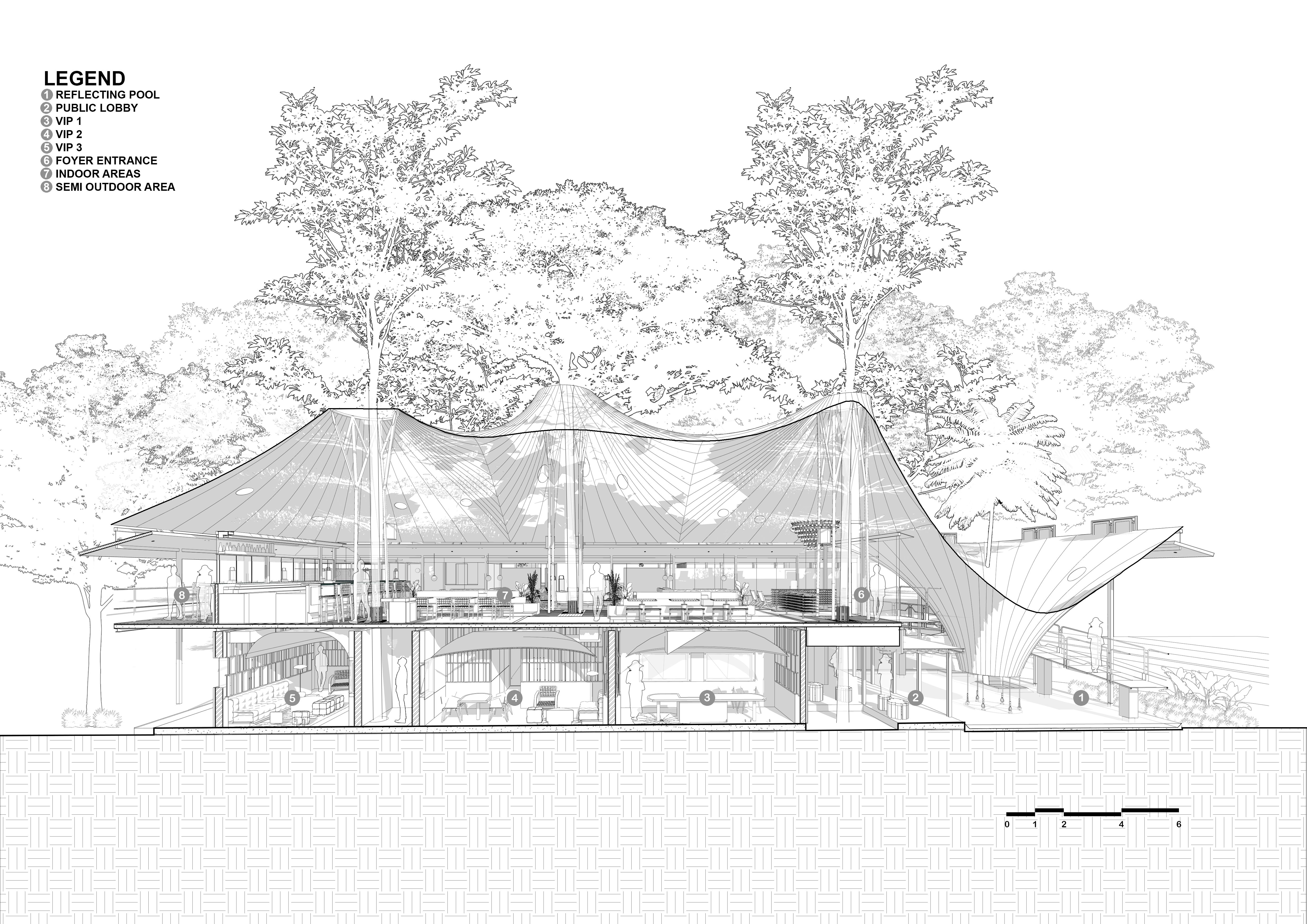
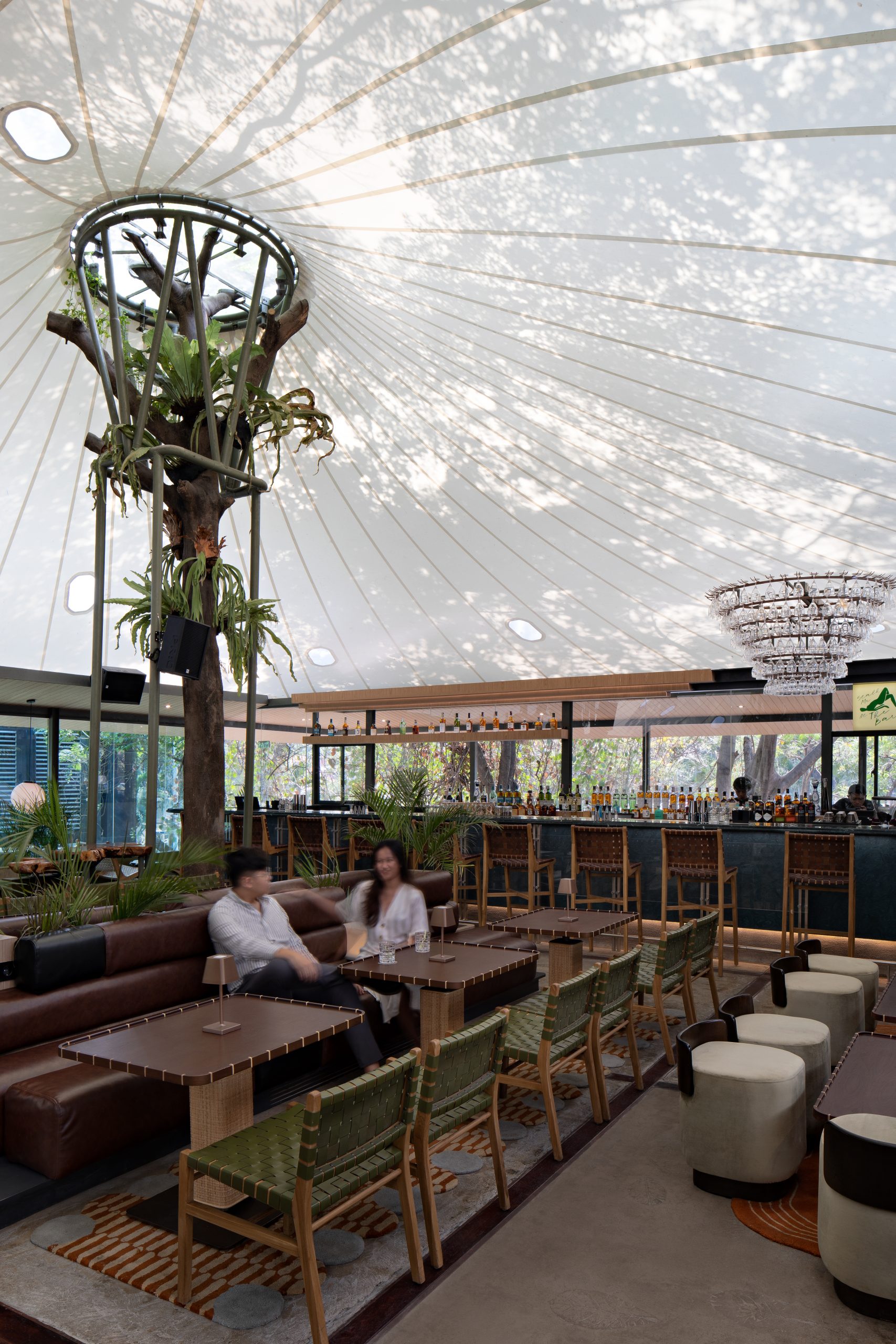
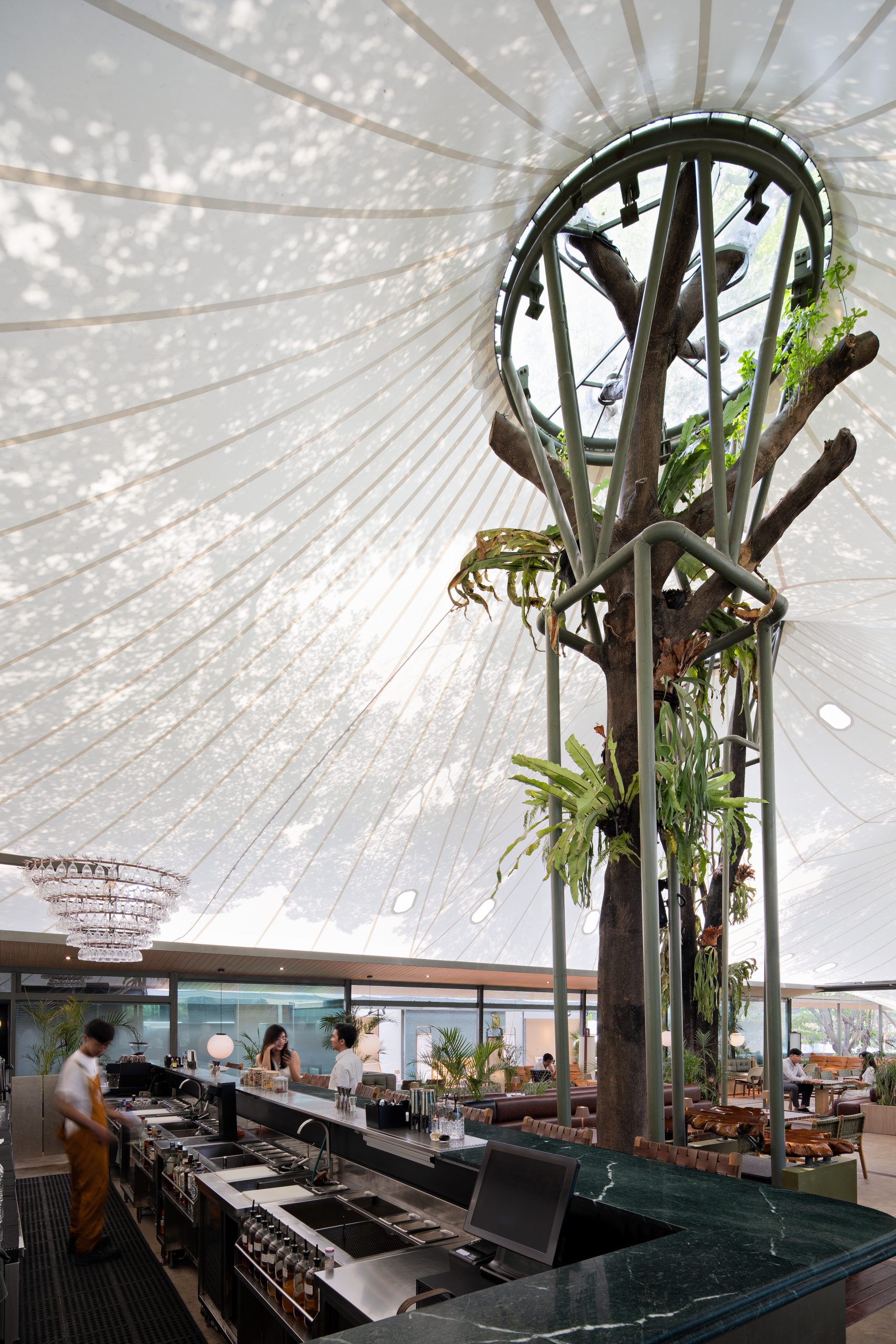
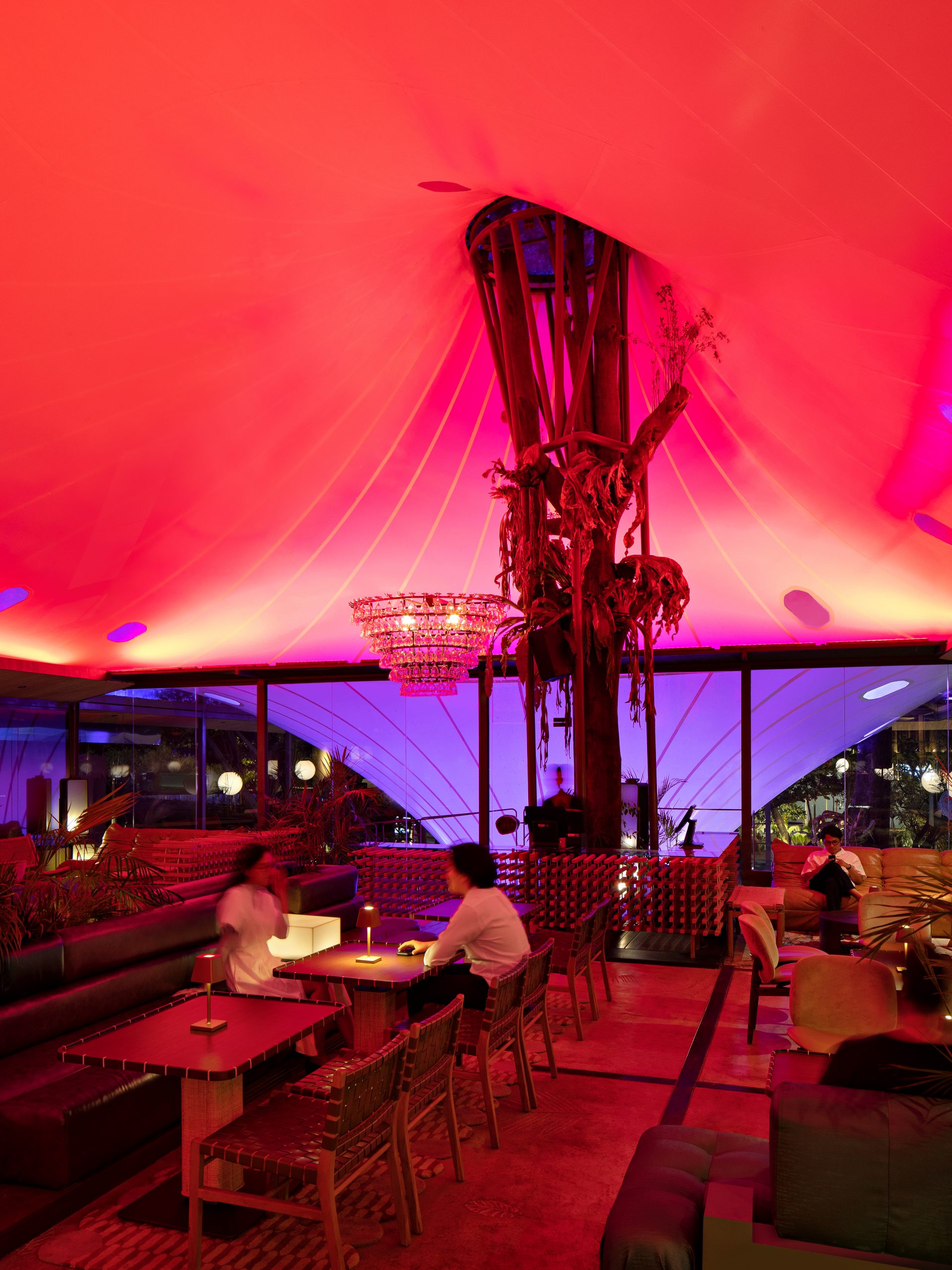
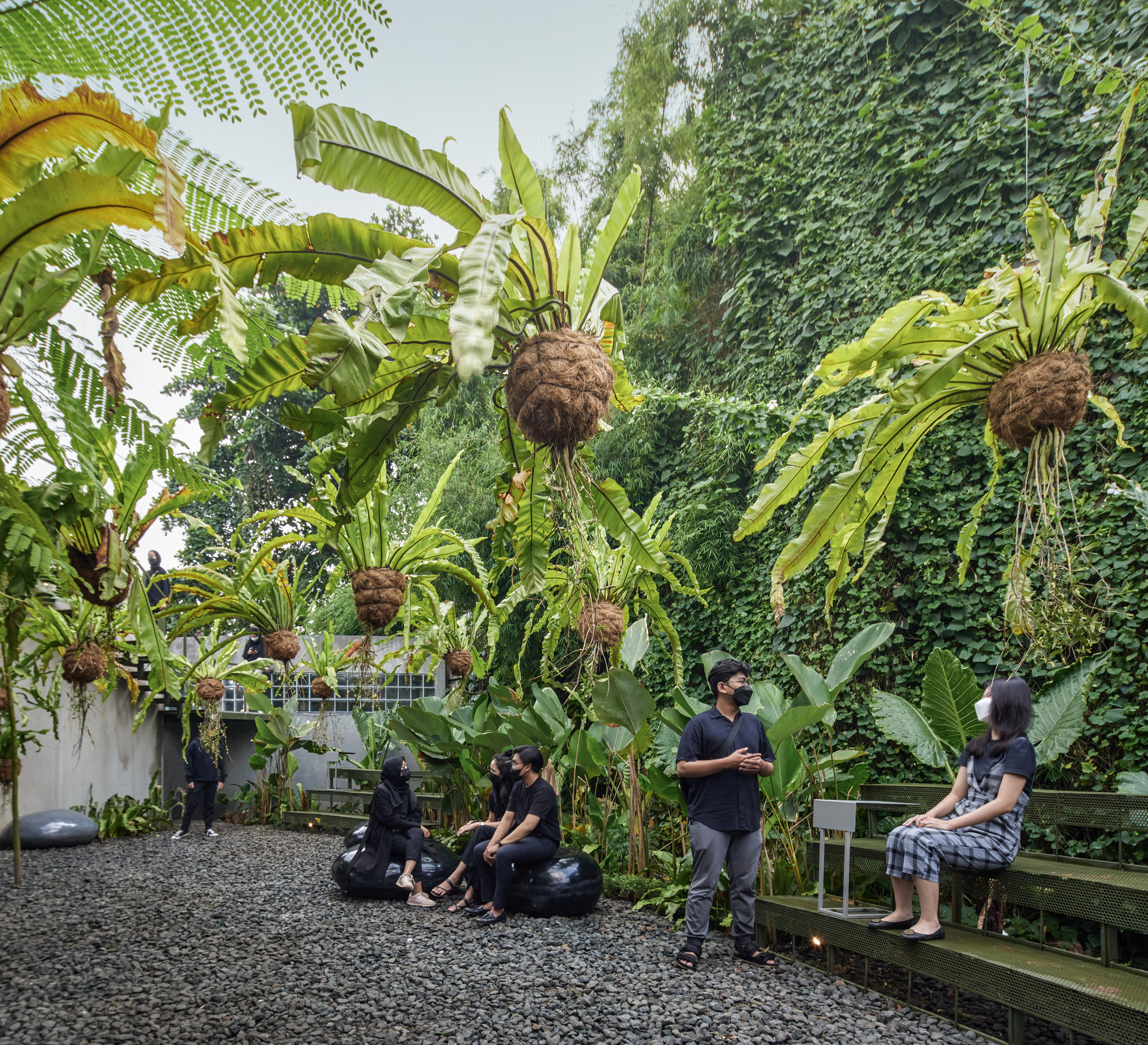
The building is roofed over with a tensile fabric cover supported by membrane structures resembling the coming together of five huge bell marquees. There are openings at the apexes to let tall trees grow through reaching up some 30 meters into the sky.

Stitched together so that they become a whole, the five bell tents work in tandem to protect the place of business underneath from severe weather. At the same time, tree crowns and overhanging branches cast shadows on the fabric cover, creating visual interest with contrast in design.
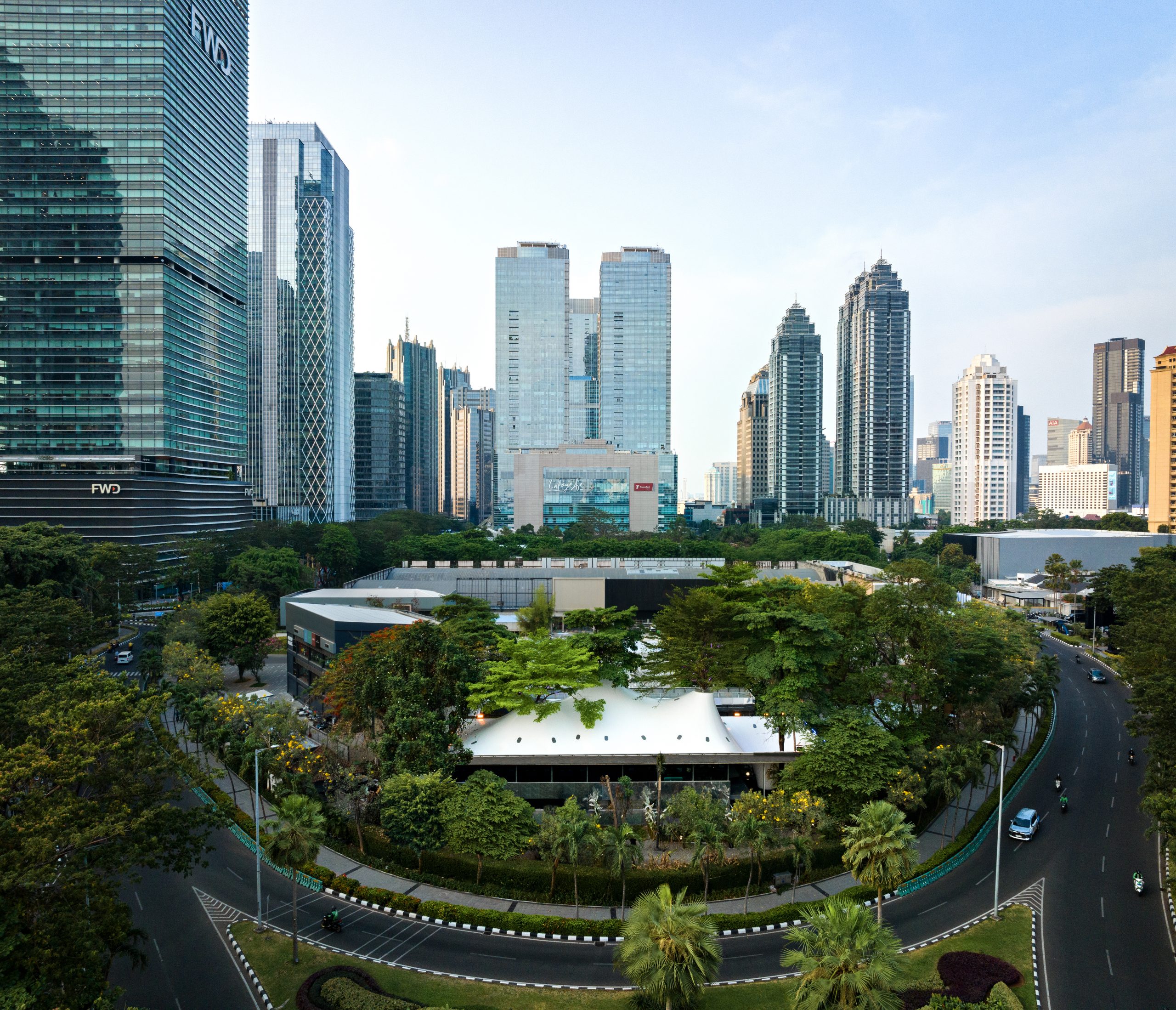
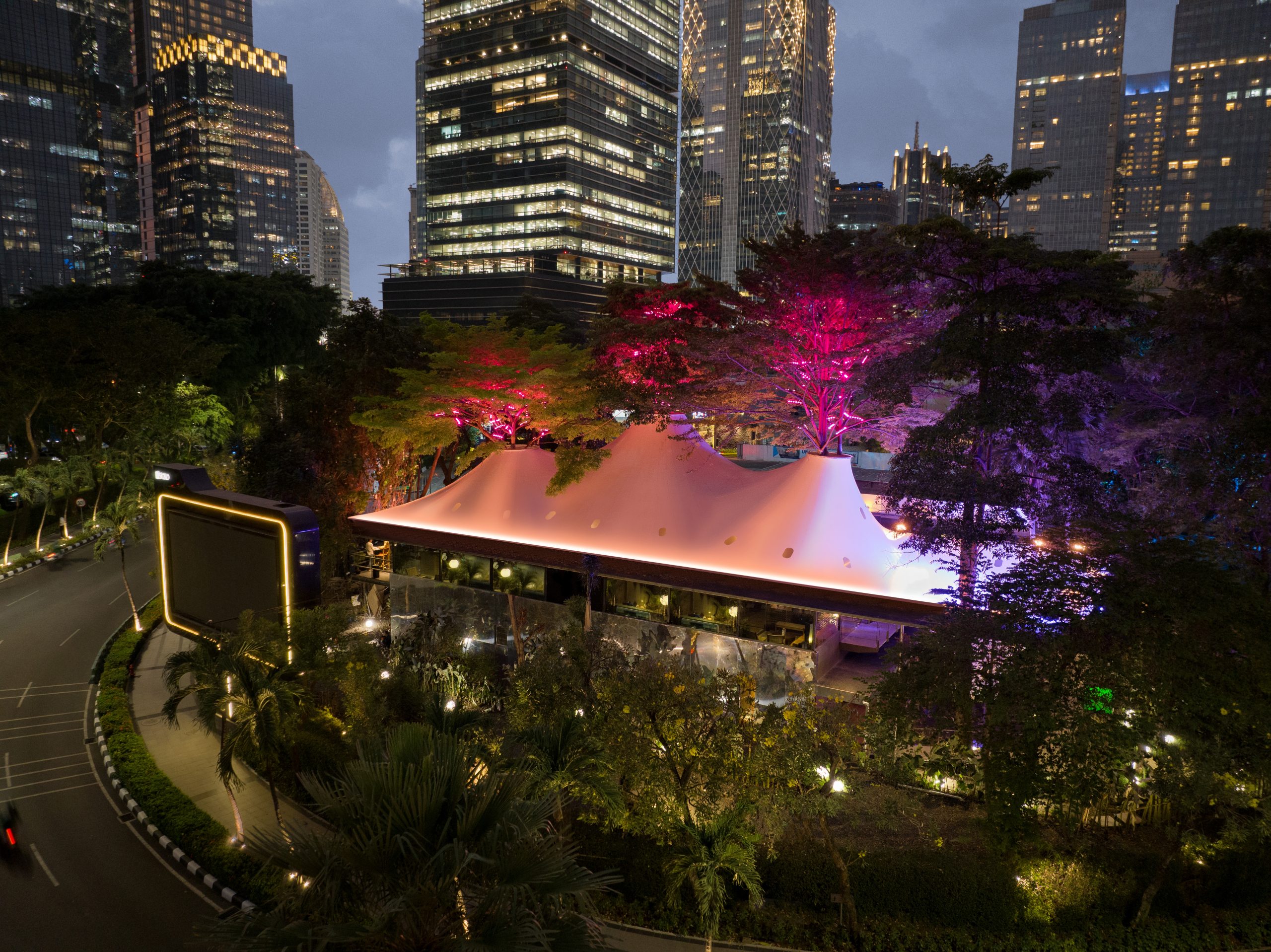
From a distance, a combination of huge bell marquees rises among the treetops creating a visual blend with the natural surroundings and buildings in the background.

The completely tented restaurant space may seem incompatible with other buildings in the neighborhood. But from the parametric design perspective, it’s a sustainable architectural approach that makes sense in every possible way.

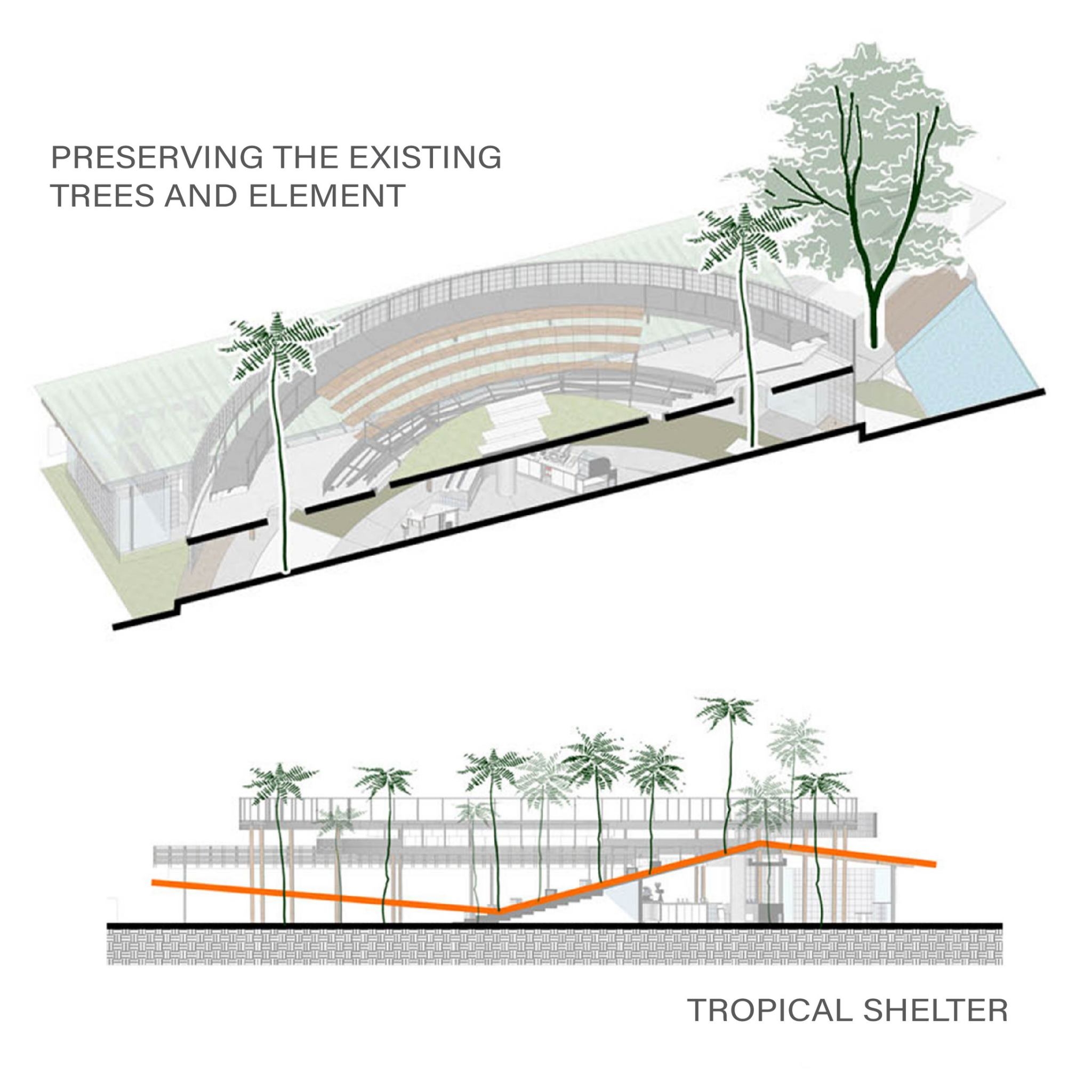
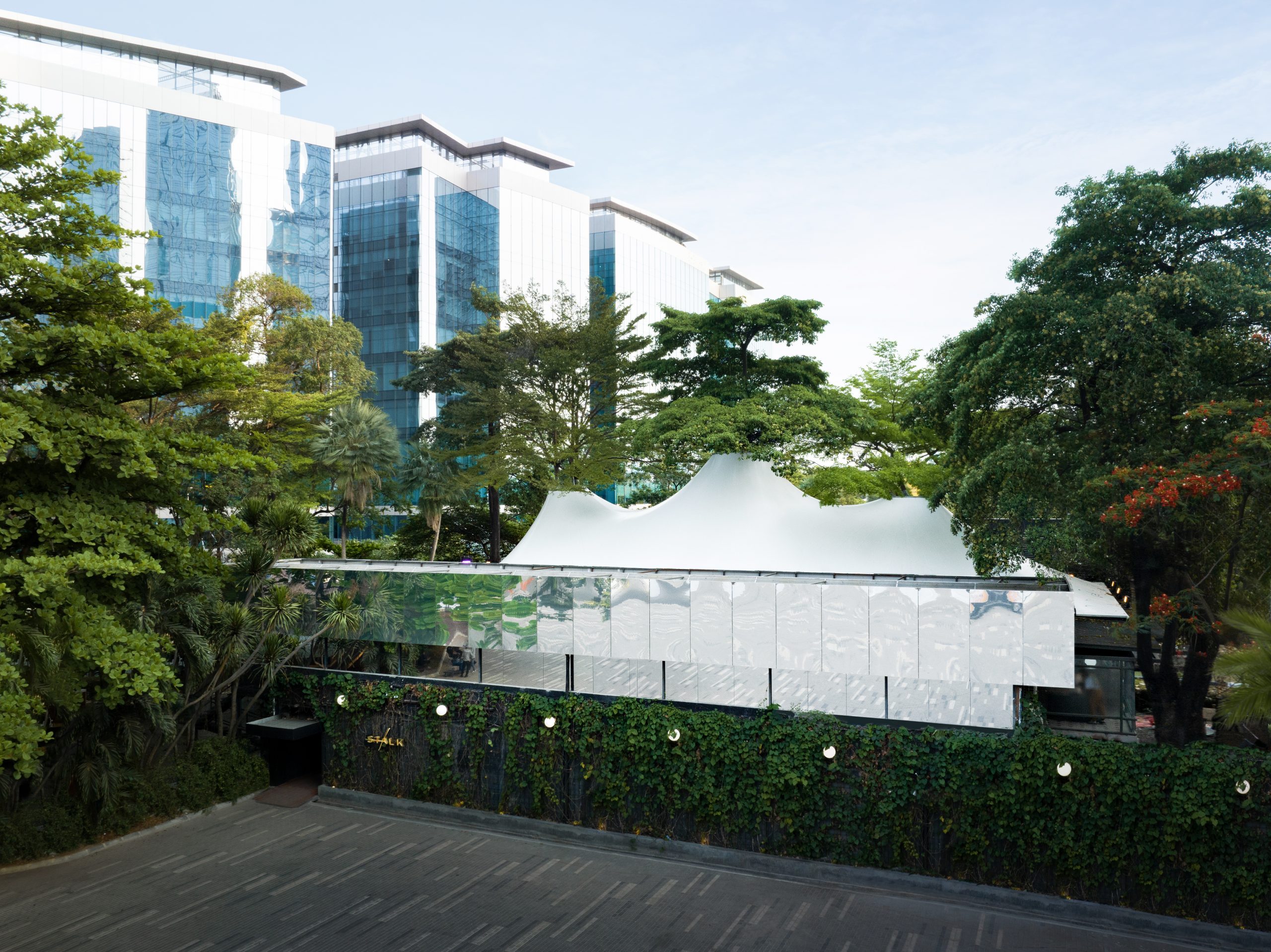
In essence, it’s about trying to minimize any negative impact on the environment. And in this particular case, saving all the existing trees on the premises is of the utmost importance. It’s a noble thing to do to leave the trees where they have always been and let them thrive.
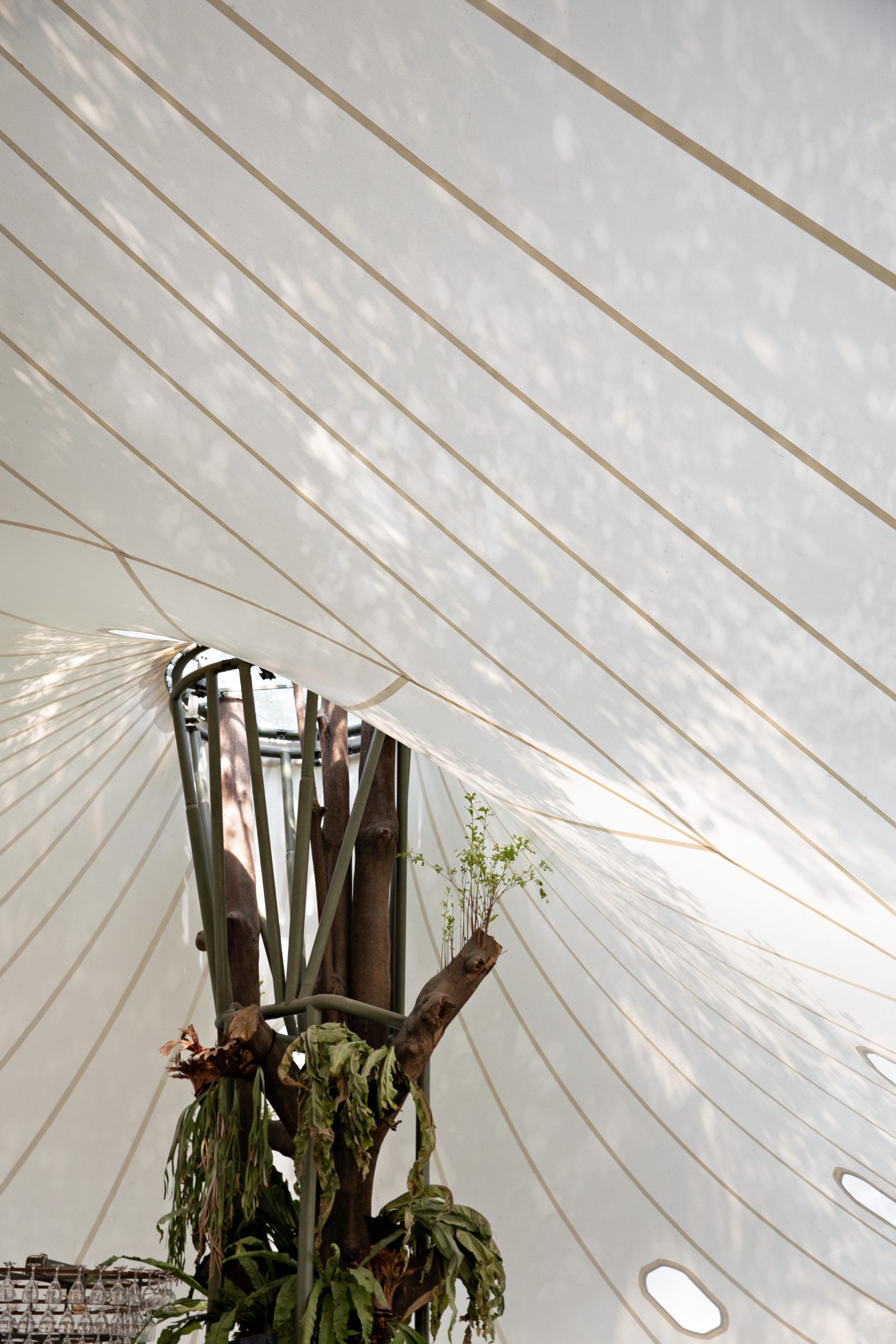
From the look of things, it’s thoughful and unique design that puts Stalk Jakarta, the Tree-Hugger Bar, in a class of its own. It’s the product of step-by-step planning that results in a situation, in which each side benefits in some way.

The restaurateurs get the perfect space they need to do business, while the trees get a new lease on life. On the whole, completely tented design provides a commercial space that’s eye-catching, while shady tree canopy ideas make customers feel calm and peaceful away from noise and distractions outside.
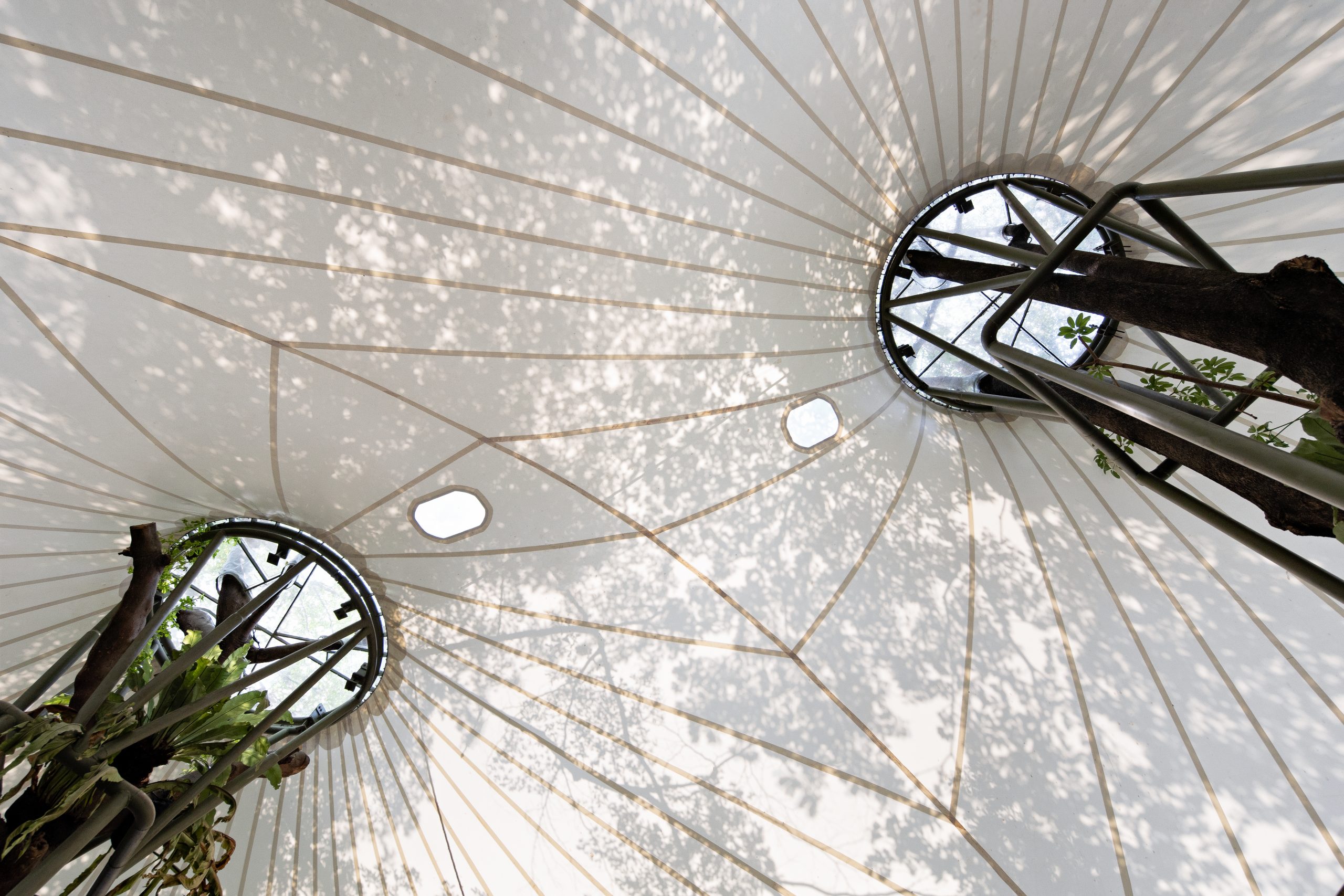
Stitched togethered so that they become a whole, bell-shaped tensile fabric tents have openings at the apex to let trees grow through the roof keeping the restaurant space in shade.

In the big picture, it reflects the design team’s vision of creating a piece of architecture that’s inextricably linked with the environment and the circumstances that form the setting of a place. Especially for Stalk Jakarta, it’s the team’s intention to try out new design possibilities to ensure the viability of the project.

They also plan to share their experience with business property developers with a way to reduce negative effects on the environment and, at the same time, maintain the existing state of affairs and physical features of the land. In this way, property value in the central business area will not be negatively impacted.
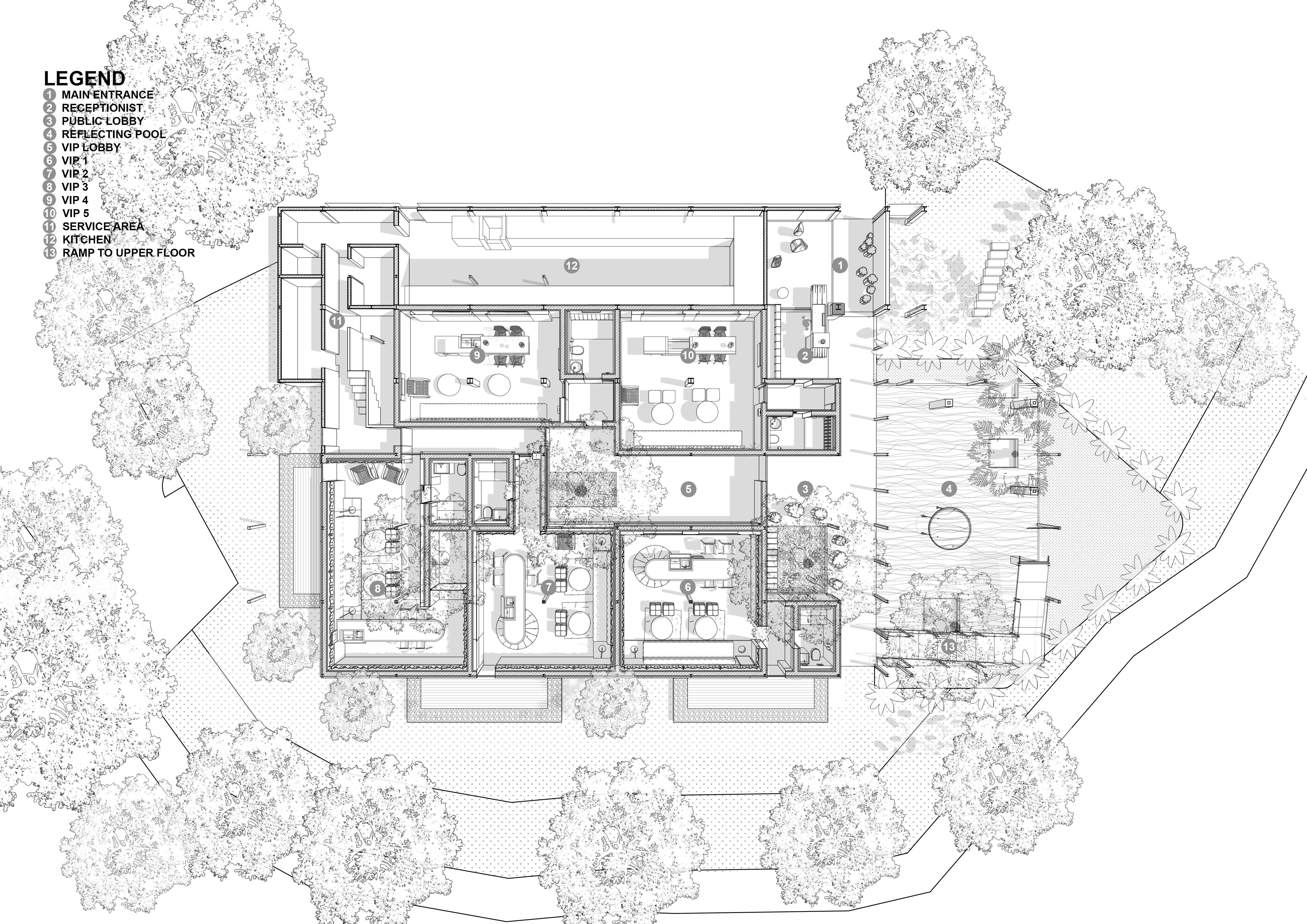
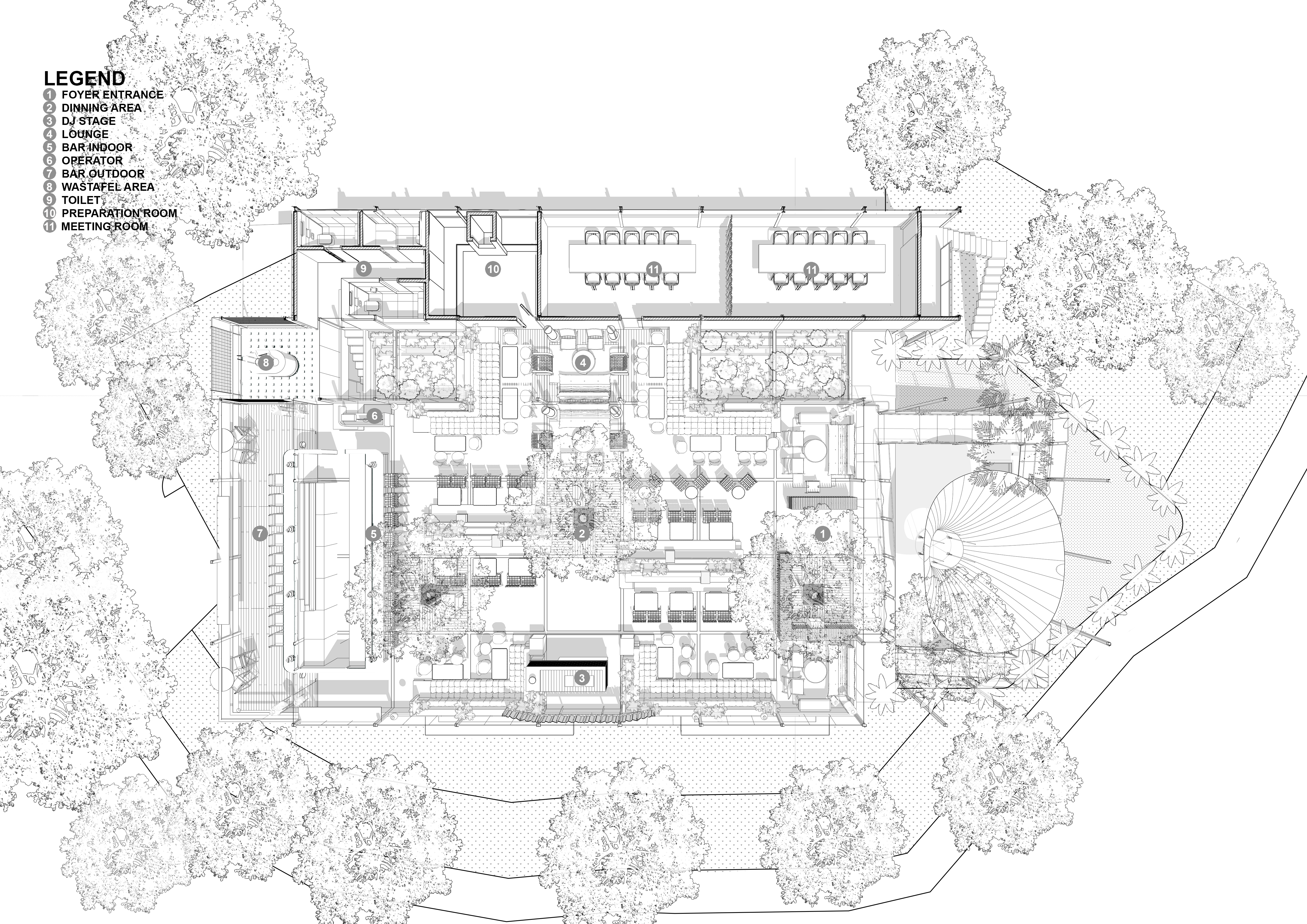
A drawing of the first-floor layout shows the welcome area leading to clearly defined VIP rooms and semi-outdoor dining rooms embraced by lush greenery. / Courtesy of RAD+ar
The open concept second floor holds a restaurant and bar in nature’s peaceful embrace. / Courtesy of RAD+ar


A side elevation drawing shows spatial relationships between shade trees, tensile membrane structures, and restaurant spaces. / Courtesy of RAD+ar

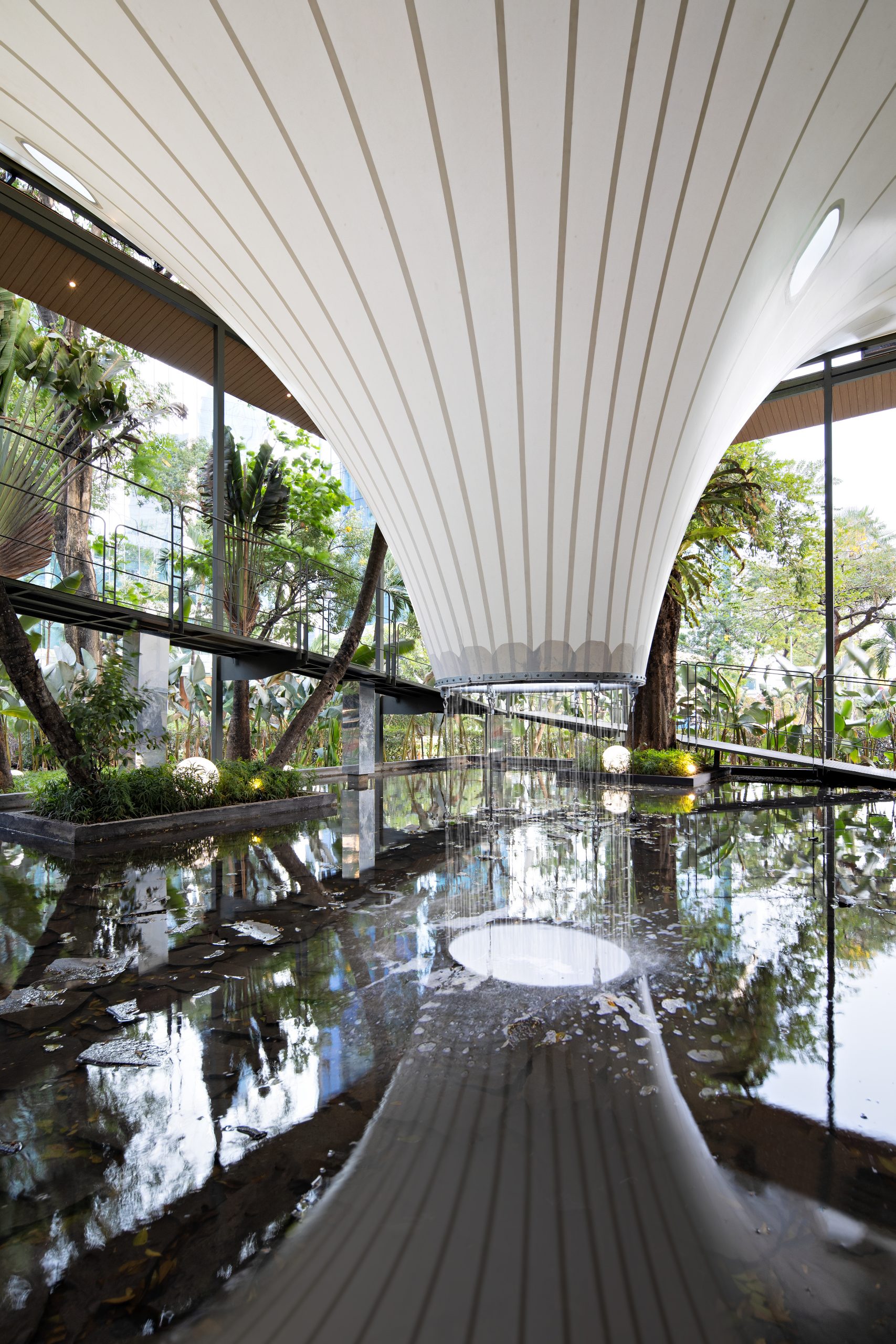
Stalk Jakarta, the Tree-Hugger Bar, consists of two floors. The first floor holds a number of drinking and dining rooms for private parties, aka VIP rooms. To get conversation going upon arrival, there’s a spacious welcome area decorated with plants with an inverted bell-shaped canvas roof serving as the focal point in the room.

From here, the dining hall on the second floor can be accessed via a ramp that winds around the upside-down bell curve at the center.
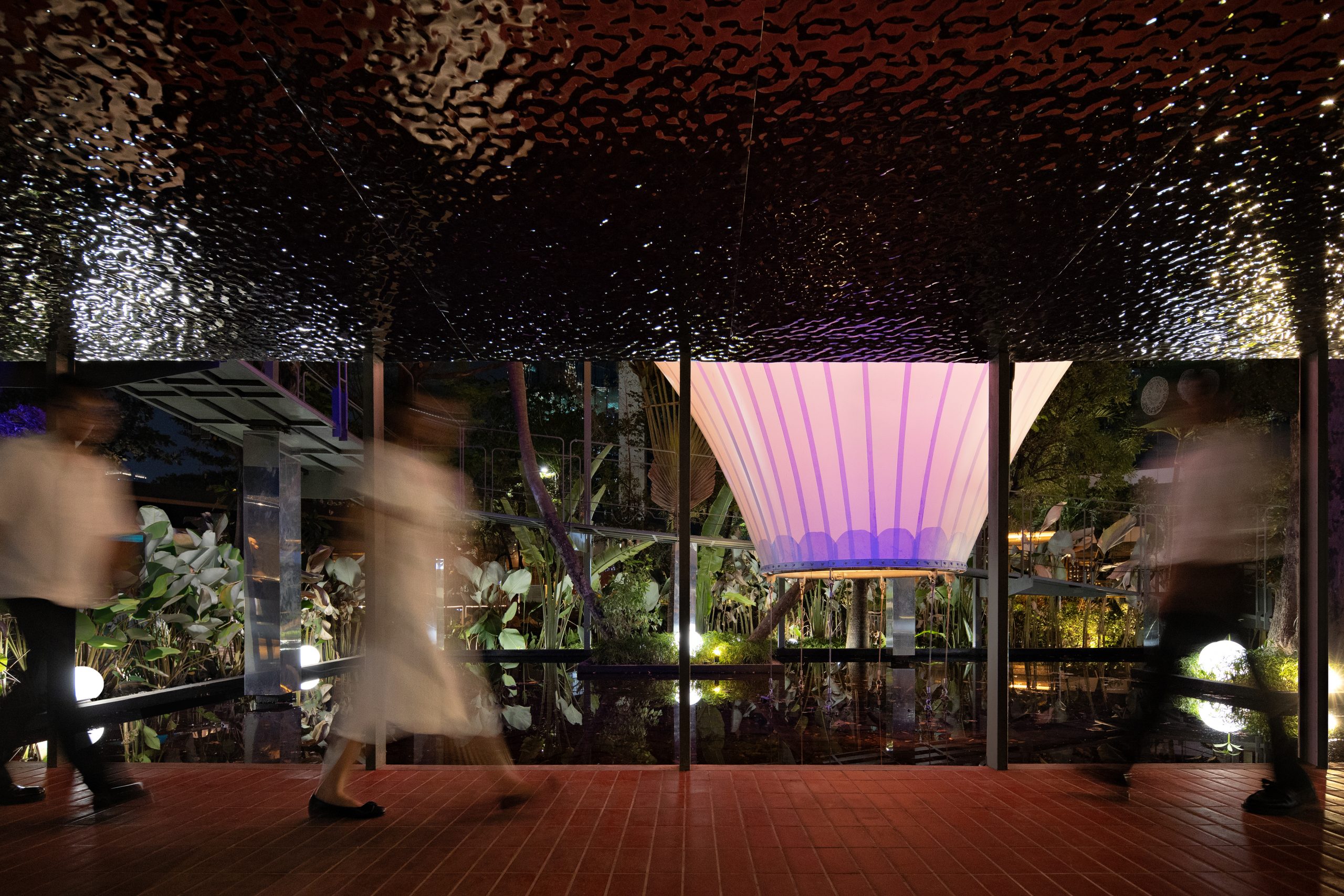
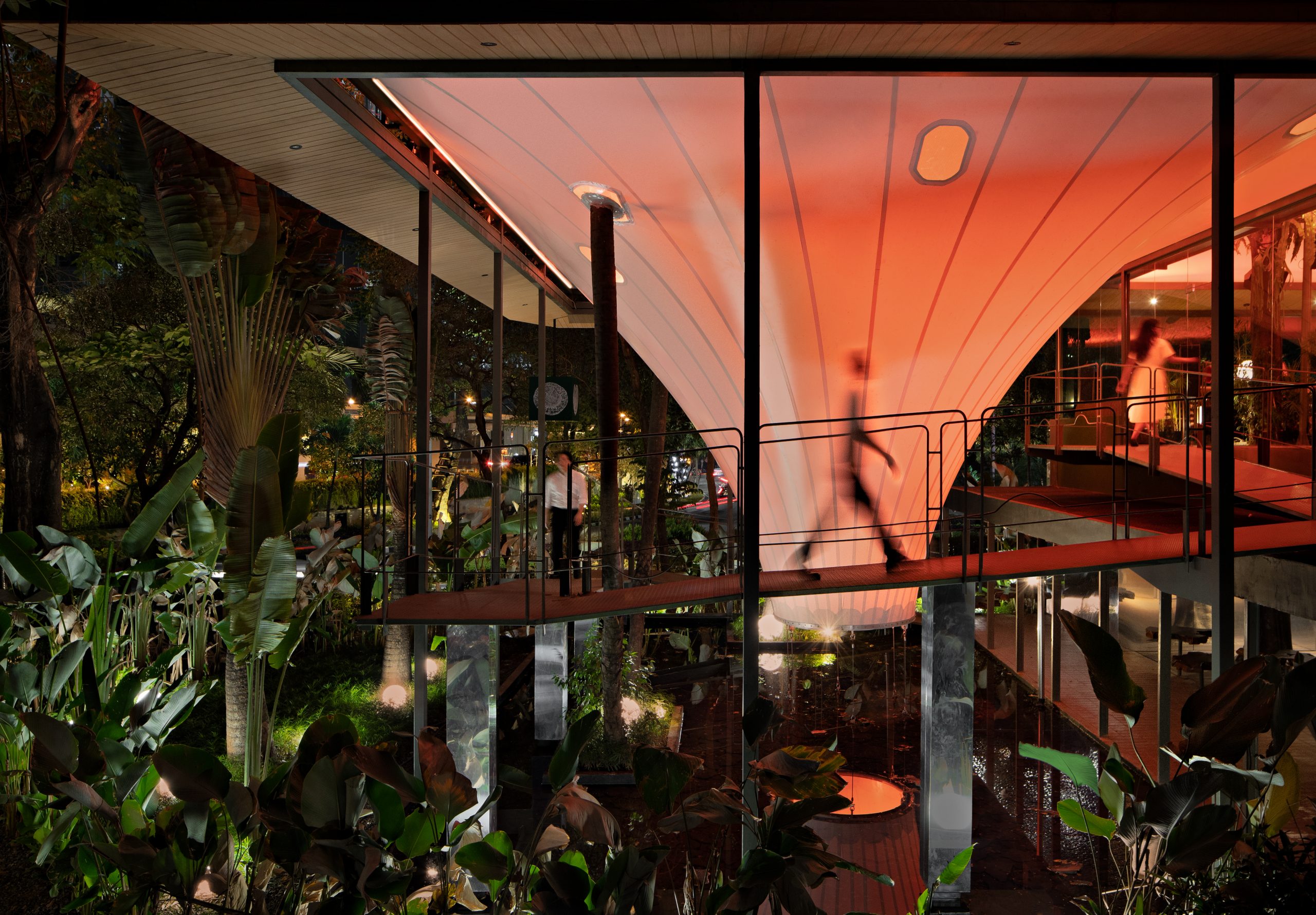
A ramp winding around the inverted bell-shaped fabric roof cover provides access to the upstairs dining hall.

The second floor contains a restaurant and bar, 750 square meters in extent. It’s roofed over with a combination of huge tensile fabric tents with openings at the apexes to allow shady trees to literally go through the roof reaching up for the sky above.

The thick fabric cover and the canopy of the tall trees protect the restaurant interior from heat during the daytime. In a way that arouses interest, overhanging brances cast shadows of the fabric cover creating a light and shadow play that changes in length and direction over the course of a day.

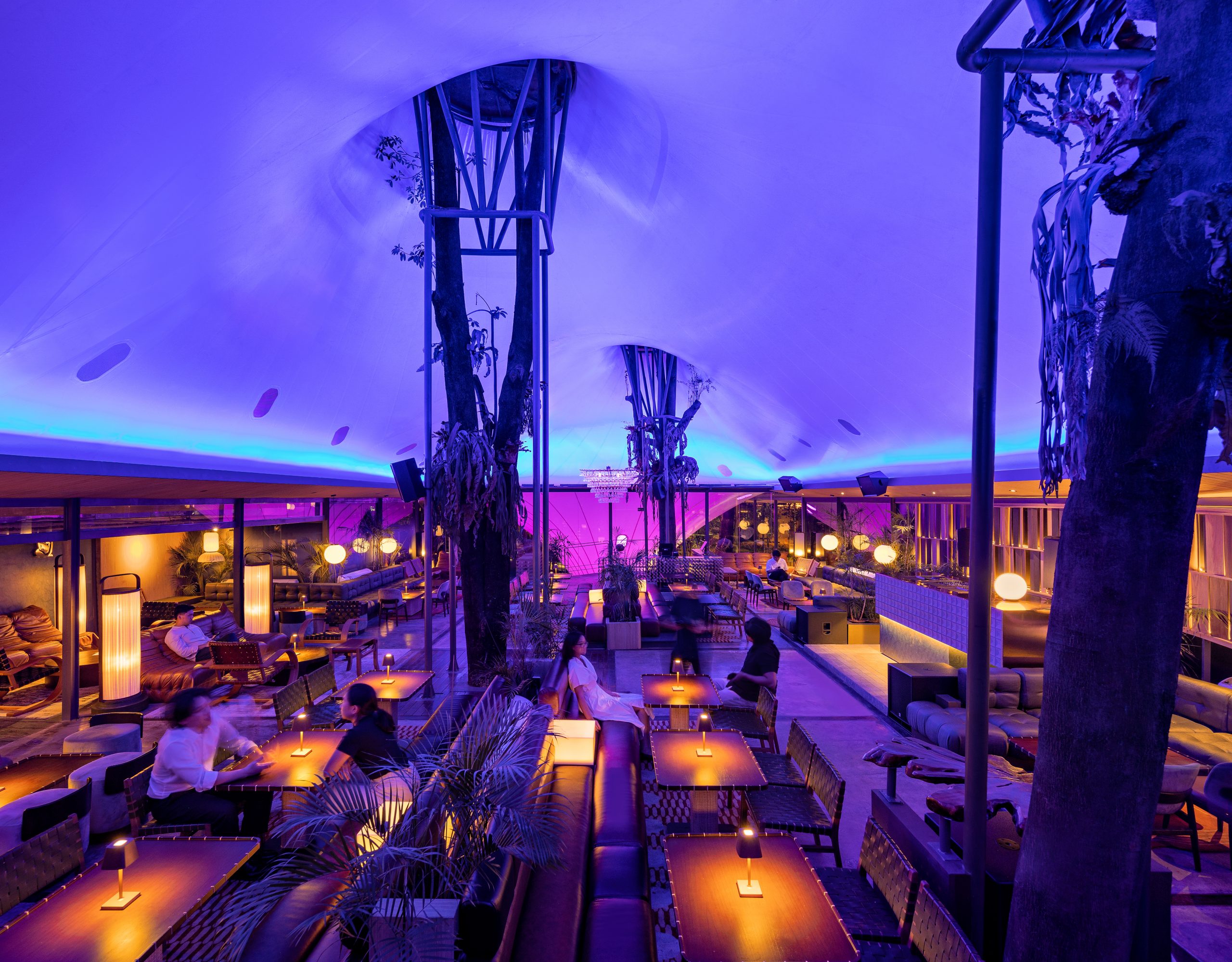
After sunset, beautiful chandeliers turn the dining hall into a well-lighted place with easy listening music provided by a live band.
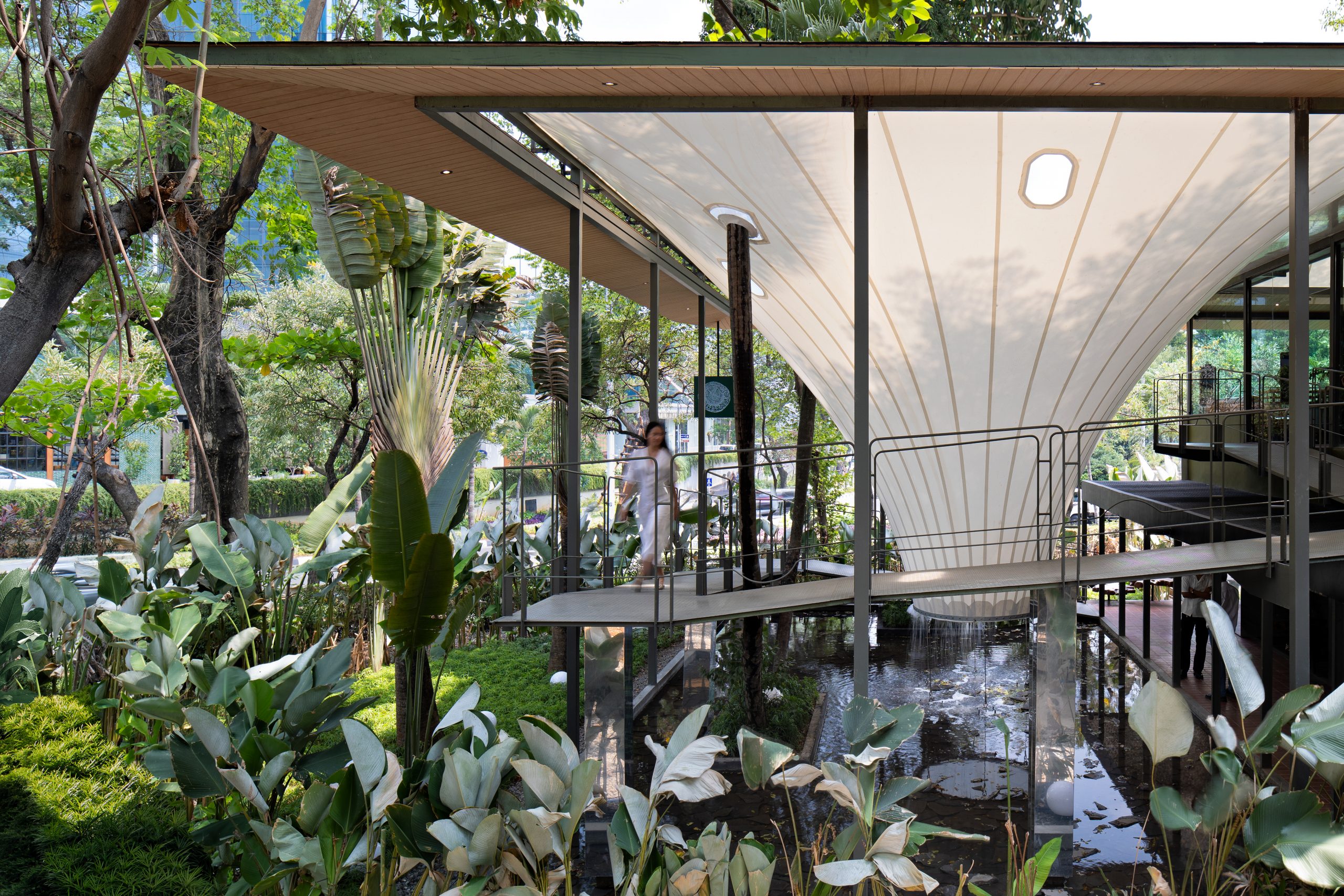
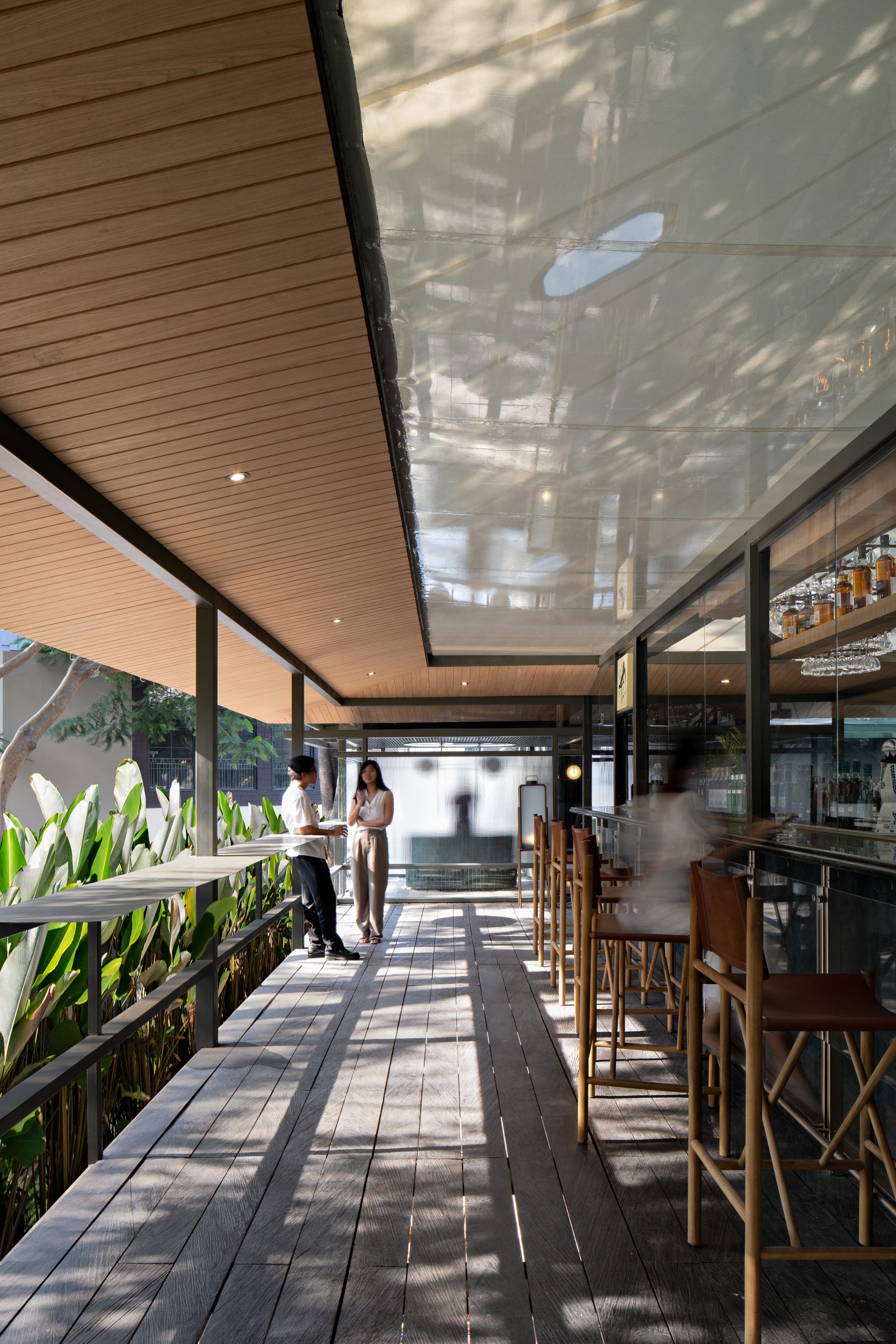
An intriguing combination of color and texture makes the VIP room feel warm and welcoming.

Return to the first floor, and you find several VIP rooms clearly defined and separated from one another for privacy. Metal wall panels hammered to look like water surfaces and sandy soil add visual interest to the rooms.

At a glance, it’s a sight that evokes pleasant memories of a journey deep into the forest where the sun shines dimly and slightly, thanks to strategically placed lights in the interior.
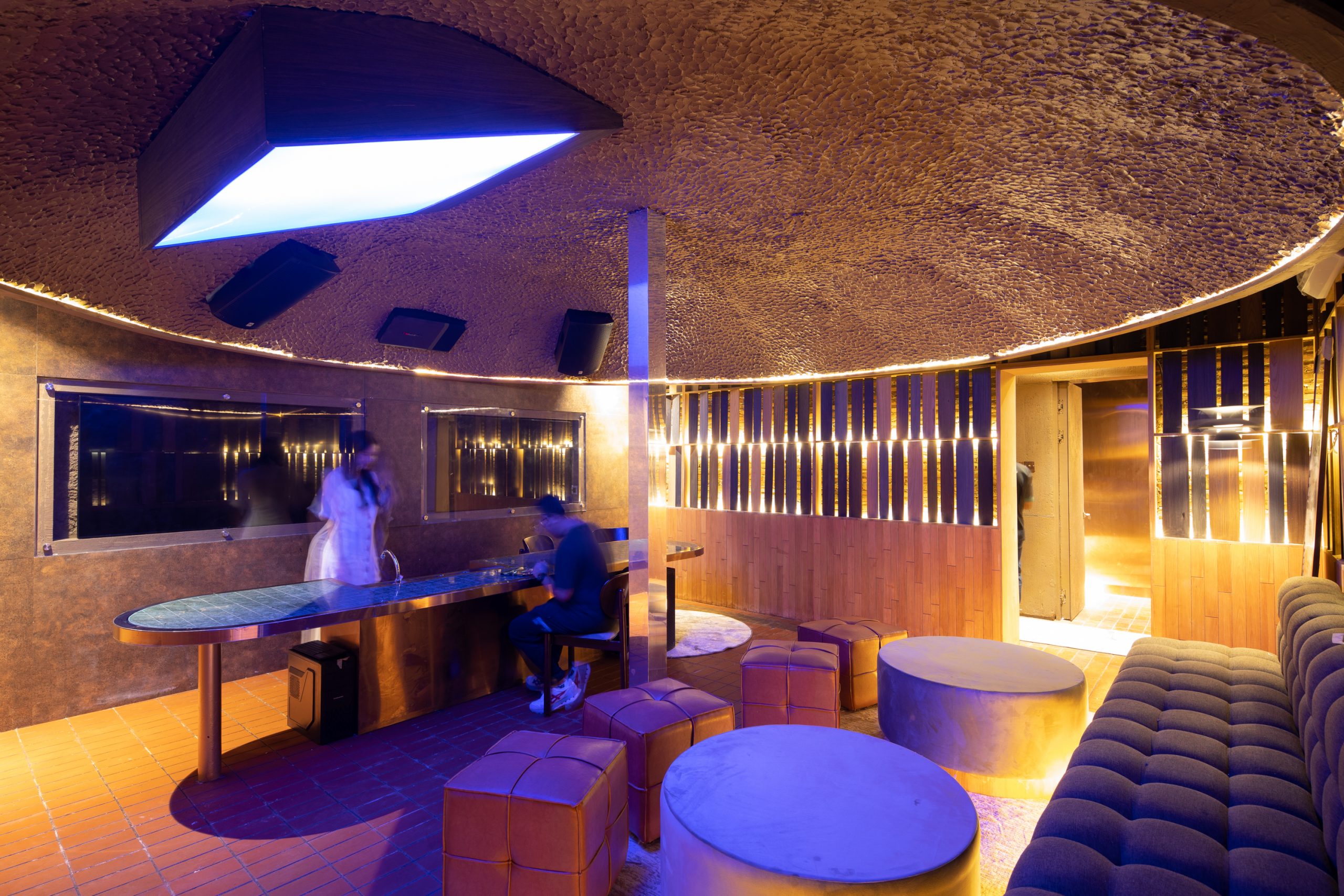
An intriguing combination of color and texture makes the VIP room feel warm and welcoming.

All things considered, the high tension membrane roof cover comes in handy for the team of architects at RAD+ar to create an outstanding piece of parametric architecture. It looks the epitome of elegant design and an interesting amalgam of the built environment and the lush green surroundings.
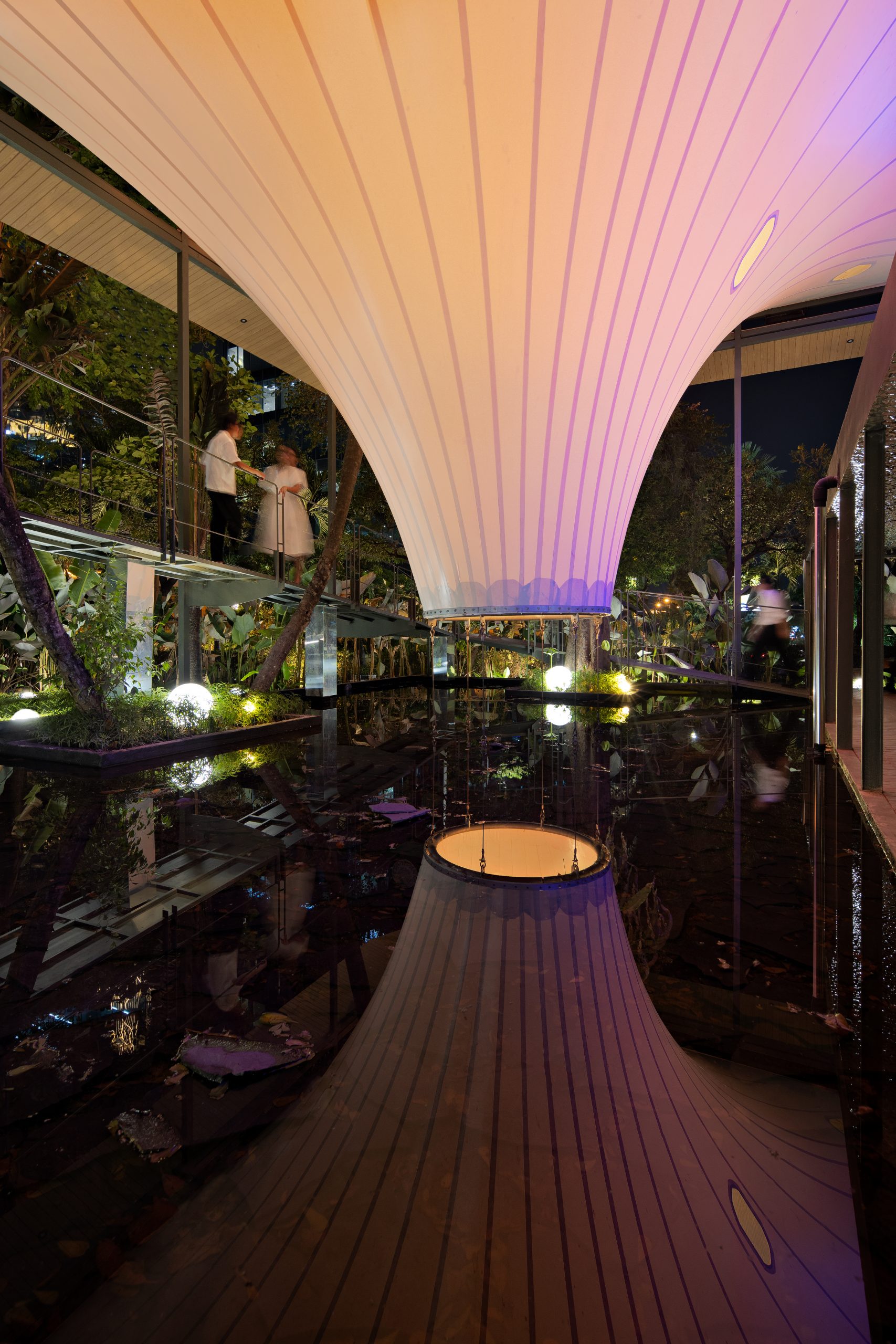
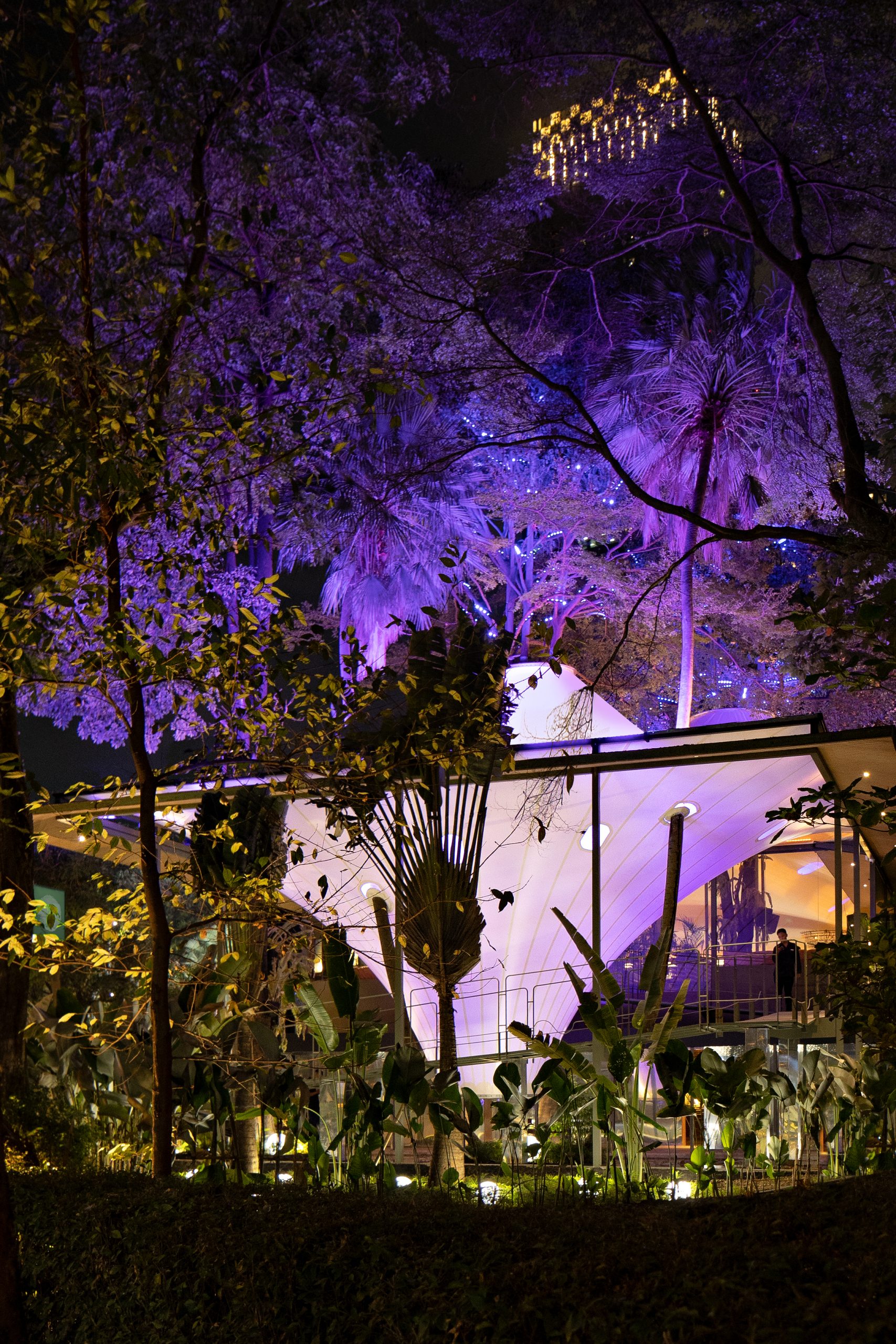
What makes it the perfect rendezvous is the open concept layout that provides good natural ventilation, keeping the interior cool and calm with the sound of leaves rustling in the wind.

Without unsightly solid walls, the restaurant and bar space feels bright and breezy, thanks in part to the tensile membrane structure that performs two functions simultaneously, as fabric roof covering and semi-outdoor enclosure.

In the fewest possible words, it’s the best example of design that’s good for people living in the big city, and good for the environment, too.

Architect: RAD+ar (Research Artistic Design + architecture) (radarchitecture.net)

Lead Architects: Antonius Richard Rusli


You may also like…
Tanatap Ring Garden Coffee Shop: A Design Experiment on the Interaction between Commercial Space and Nature

Blackbird Hotel Hotel in BandungBlackbird Hotel: Hotel in Bandung Enlivened by a Round Honeymoon Suite Trio
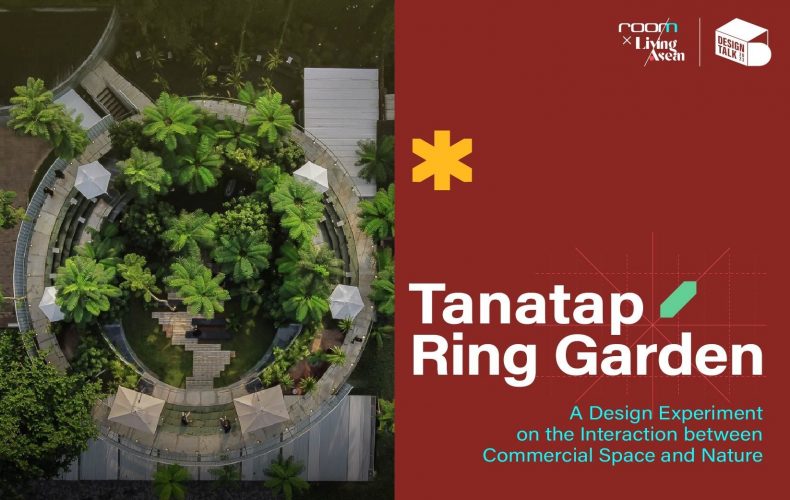
Tanatap Ring Garden Coffee Shop: A Design Experiment on the Interaction between Commercial Space and Nature

Tanatap Ring Garden Coffee Shop: A Design Experiment on the Interaction between Commercial Space and Nature

/ Jakarta, Indonesia /

/ Story: Baralee / English version: Bob Pitakwong /

/ Photographs: KIE, Mario Wibowo /

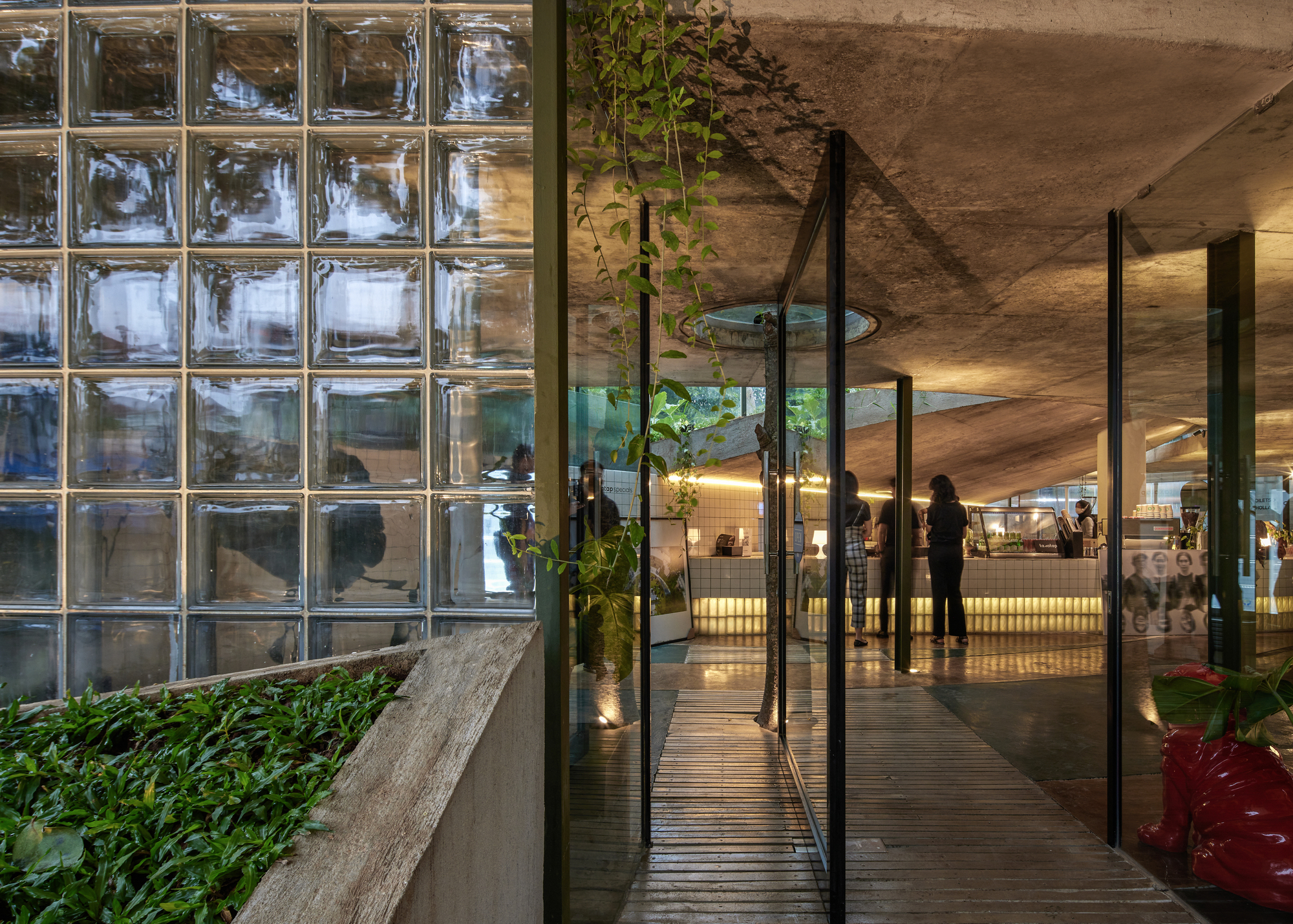
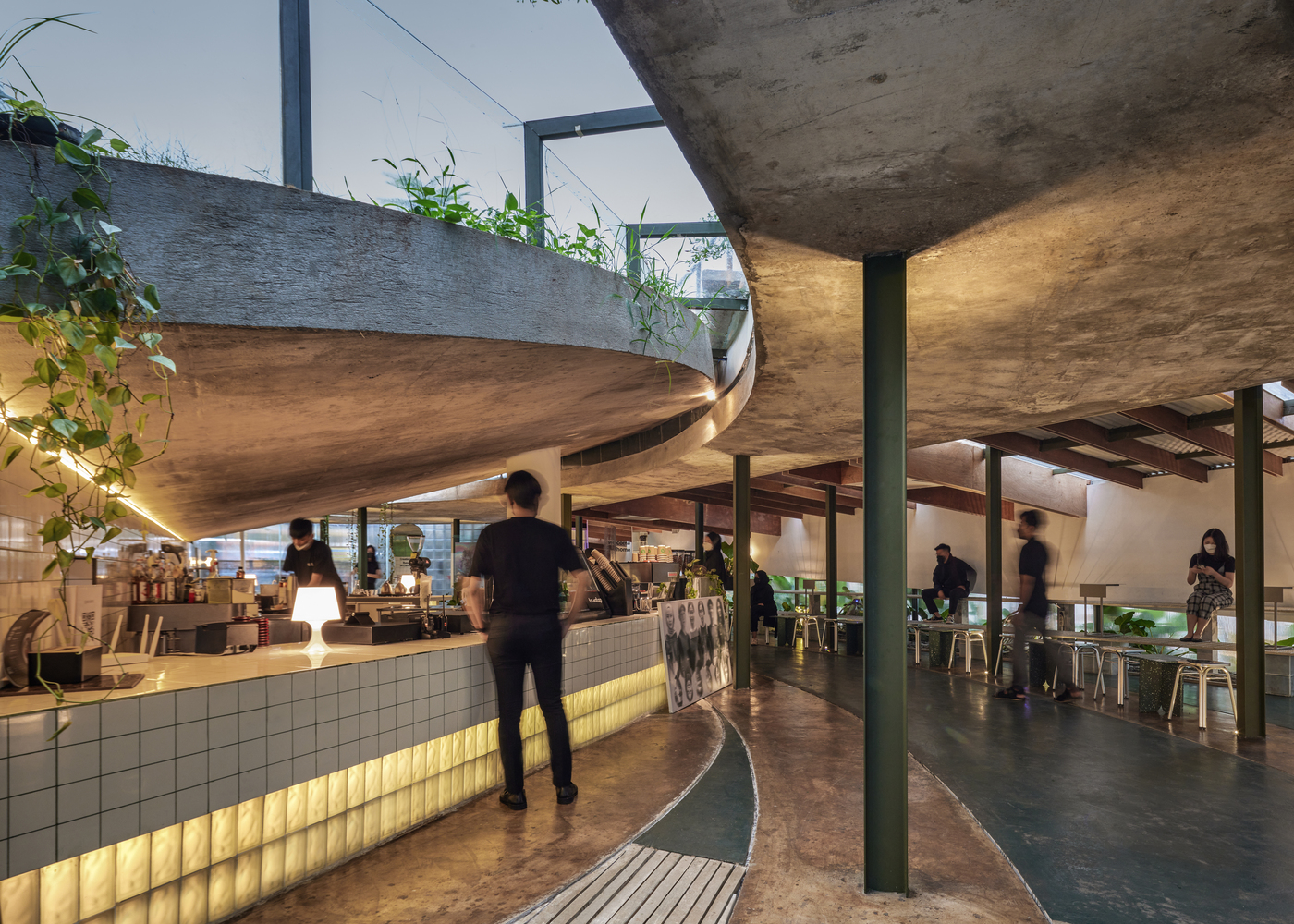
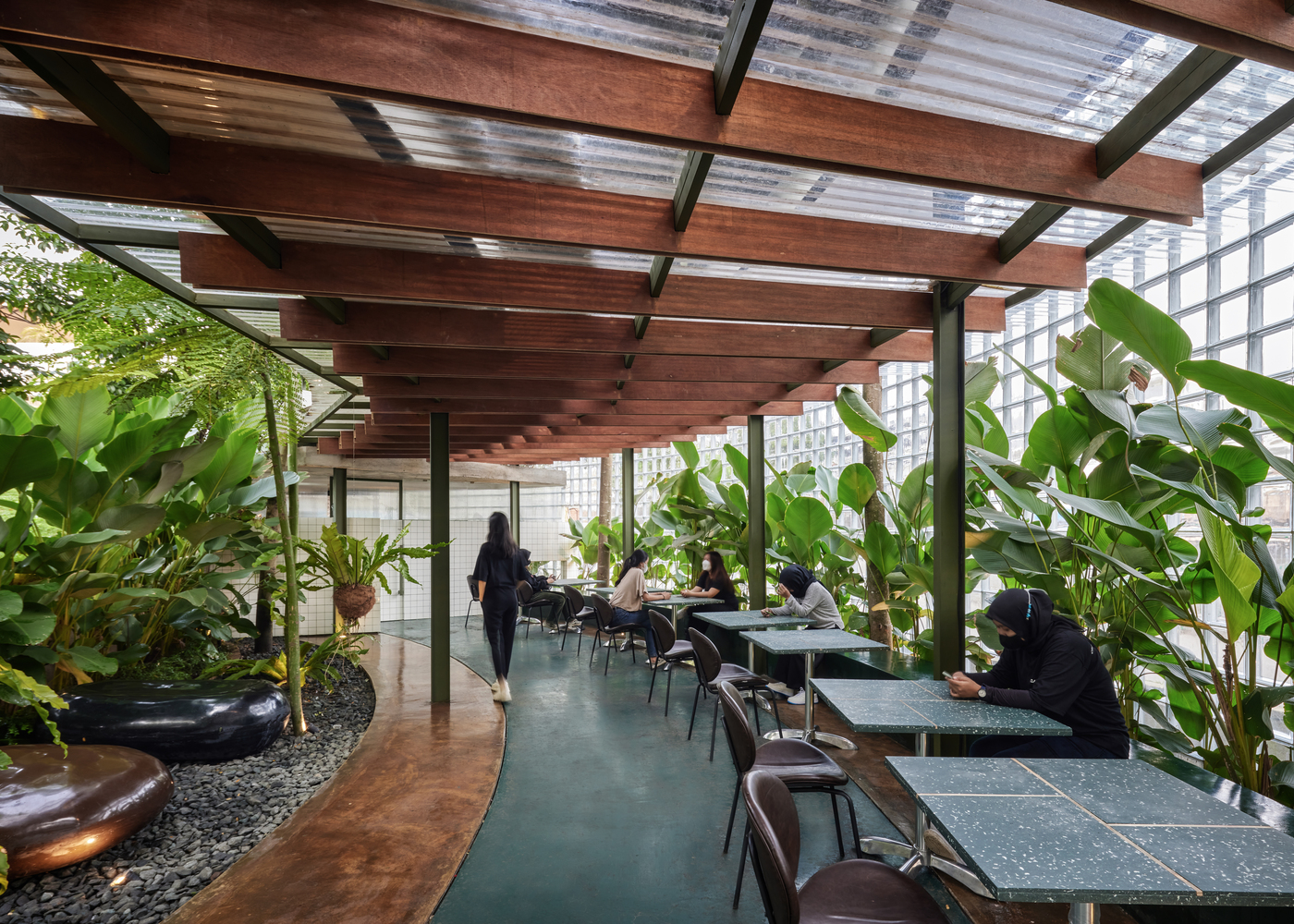
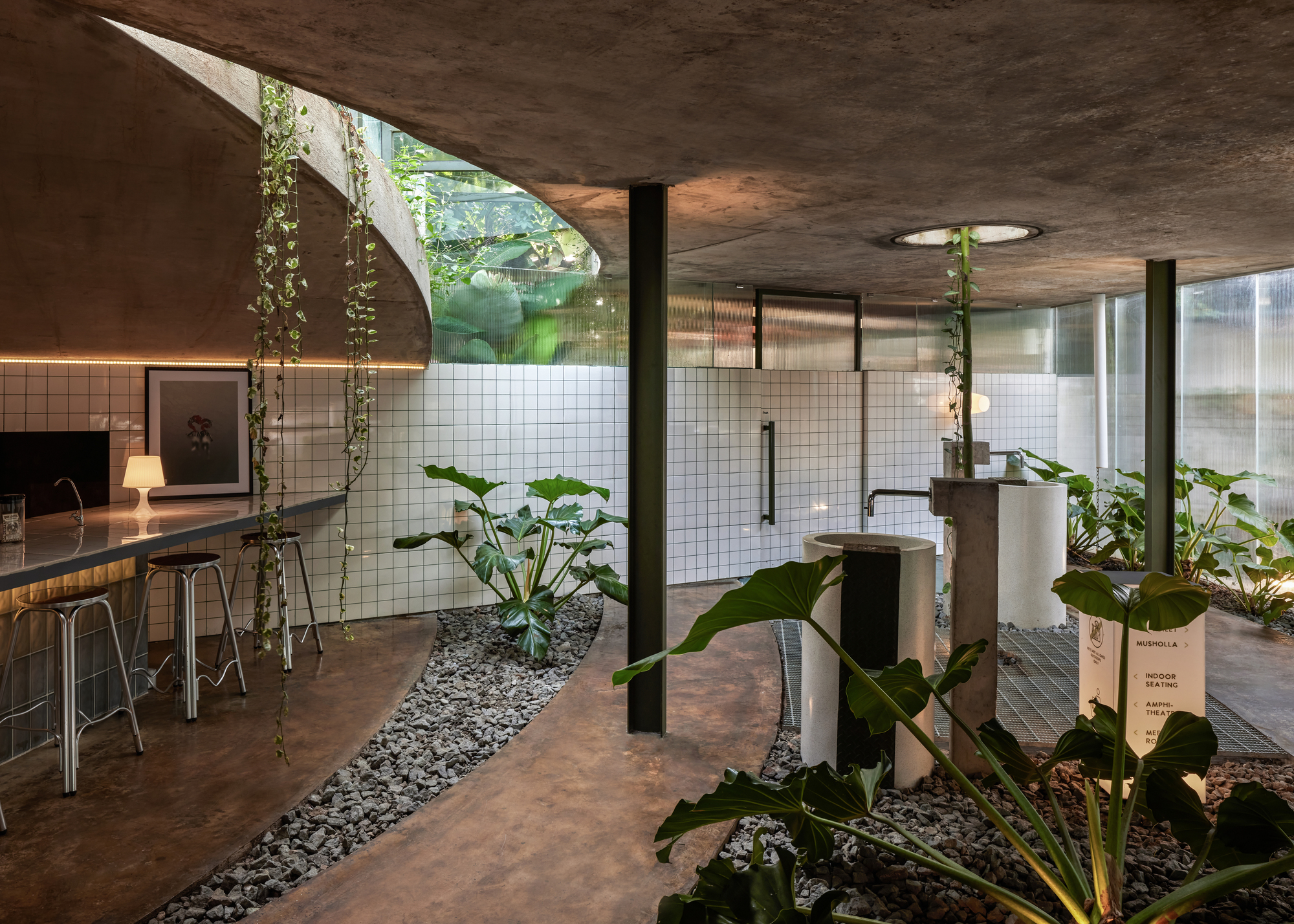
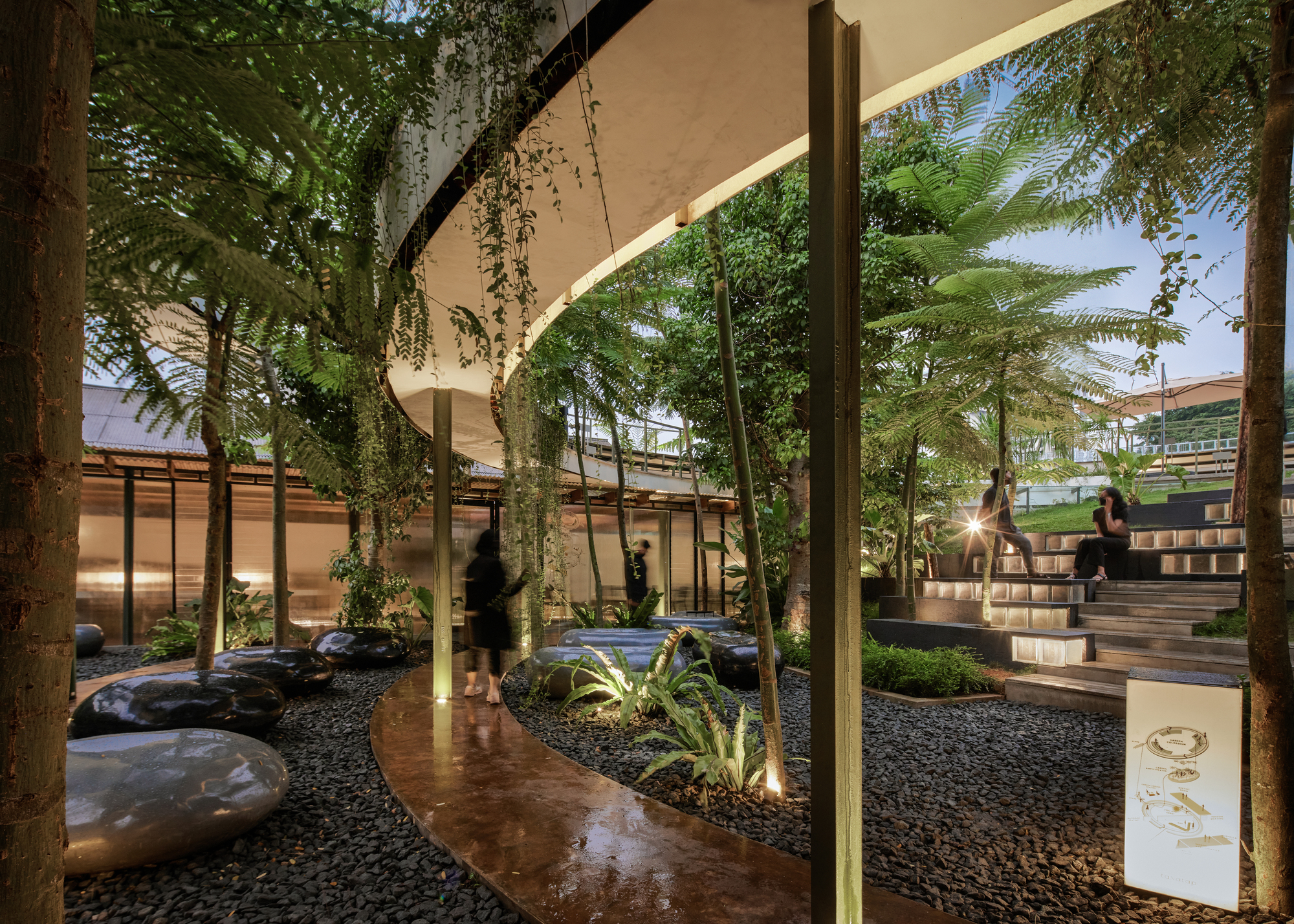
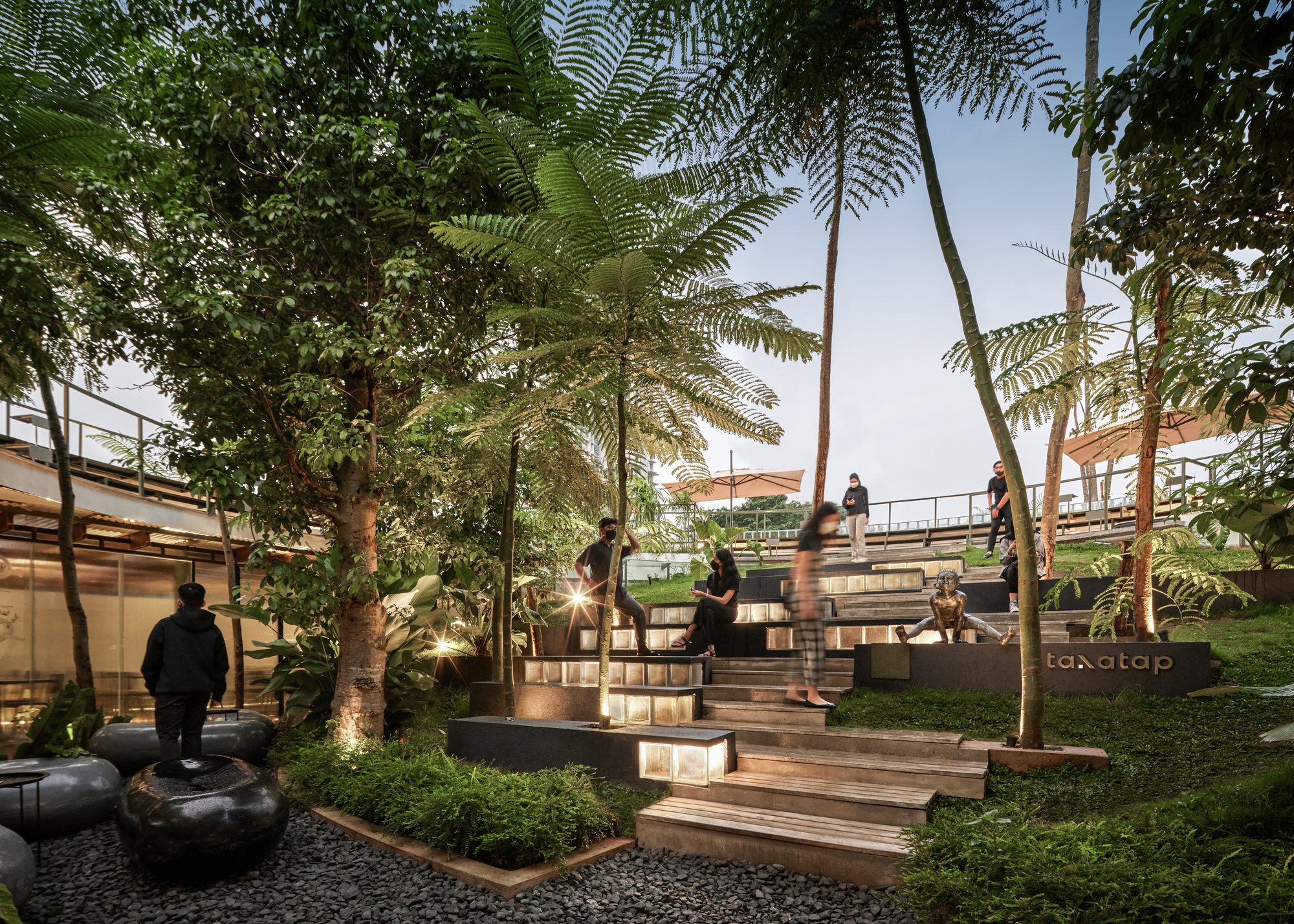
Introducing a prototype of the small café well thought out as place for a rendezvous. Aptly named Tanatap Ring Garden Coffee Shop, it’s a work of outstanding artistry integrating restaurant space planning with nature to form a cohesive oasis of calm. The key elements of design include a sloping garden beautifully ensconced in a stadium-like enclosure. There’s a circular path at the top of the stairs for a leisurely stroll. At intervals, the paved path is marked with outdoor tarp canopies for protection from the sun. It sends out one important message — time well spent is time spent in the great outdoors.

Tanatap Ring Garden

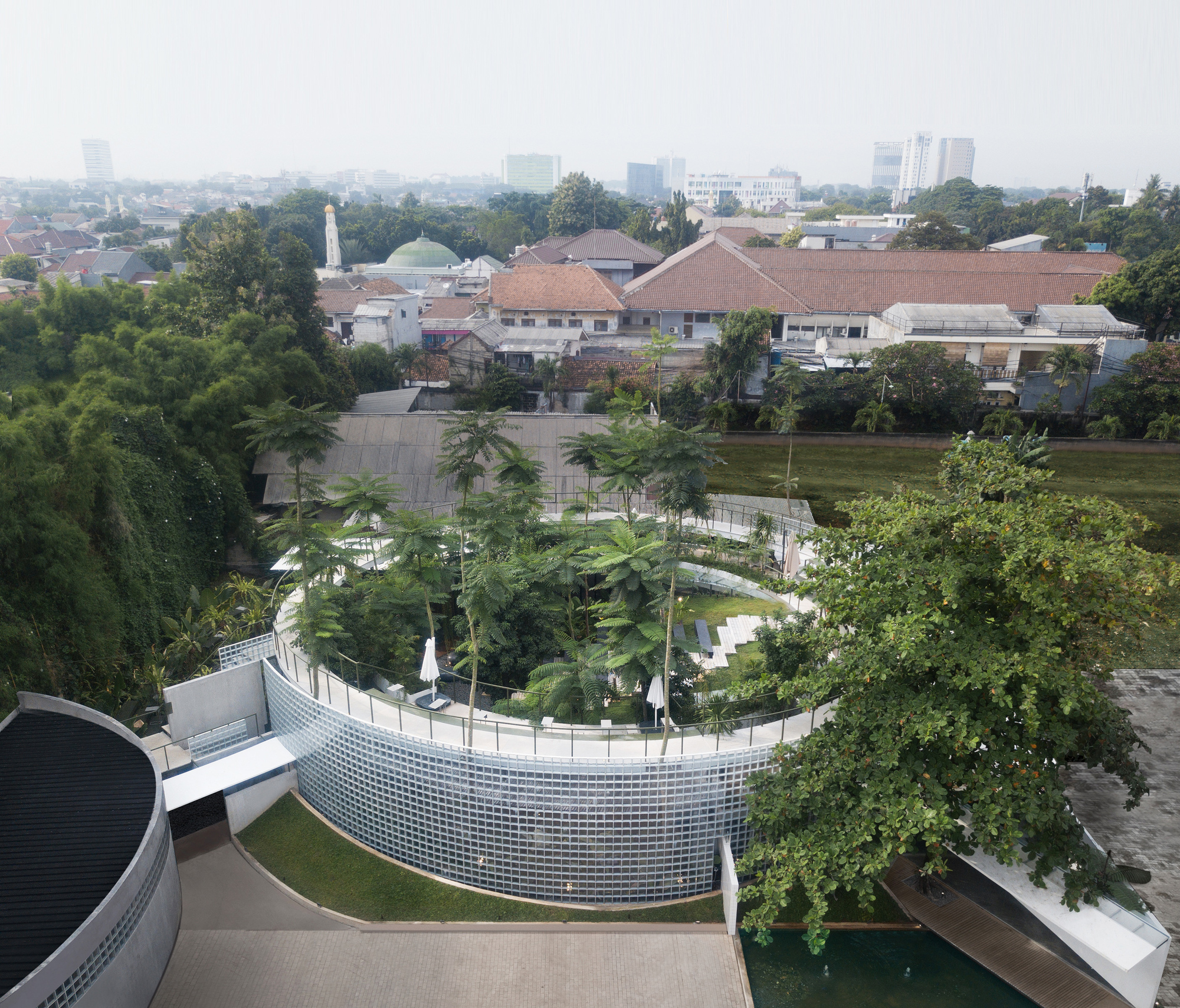
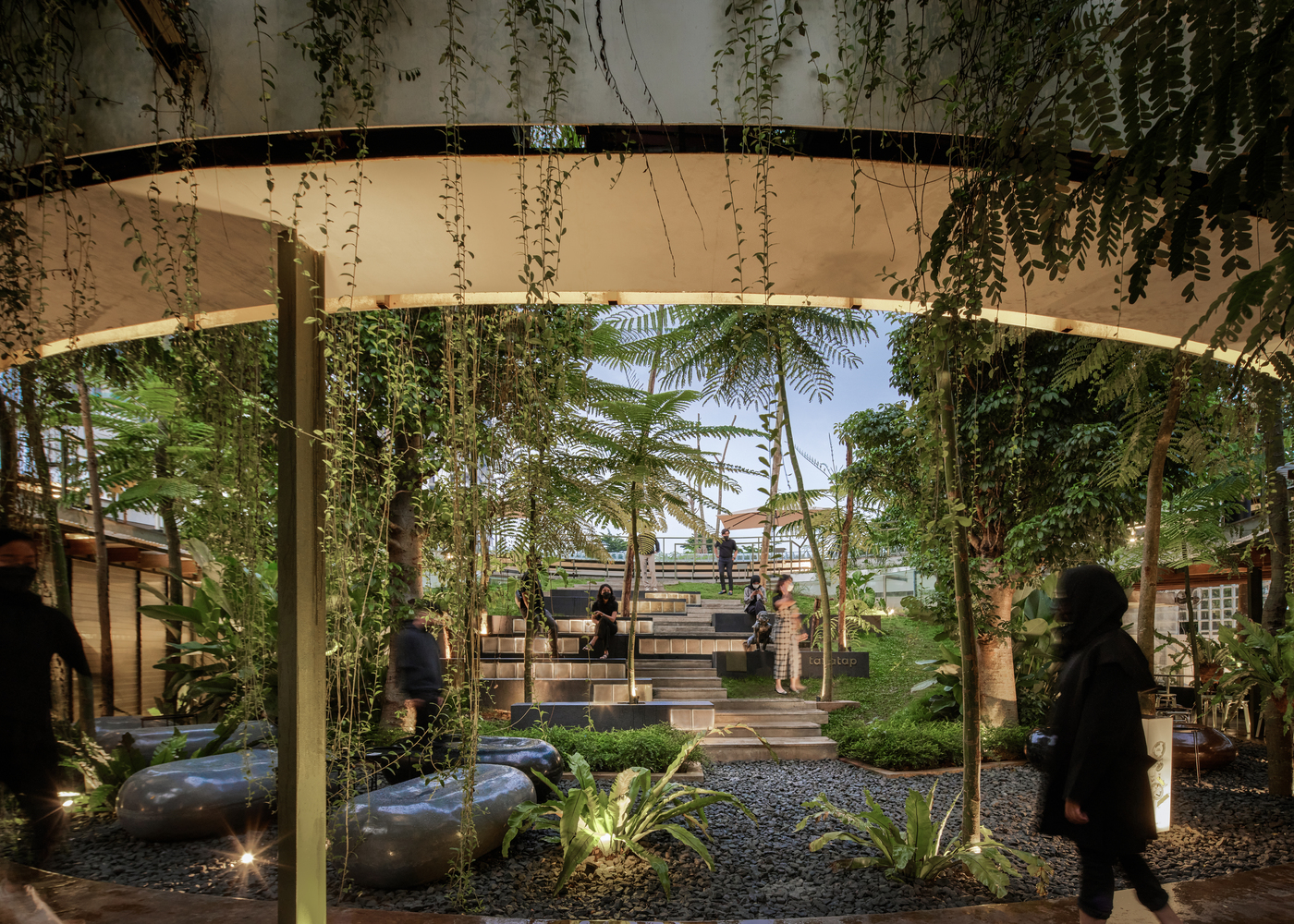
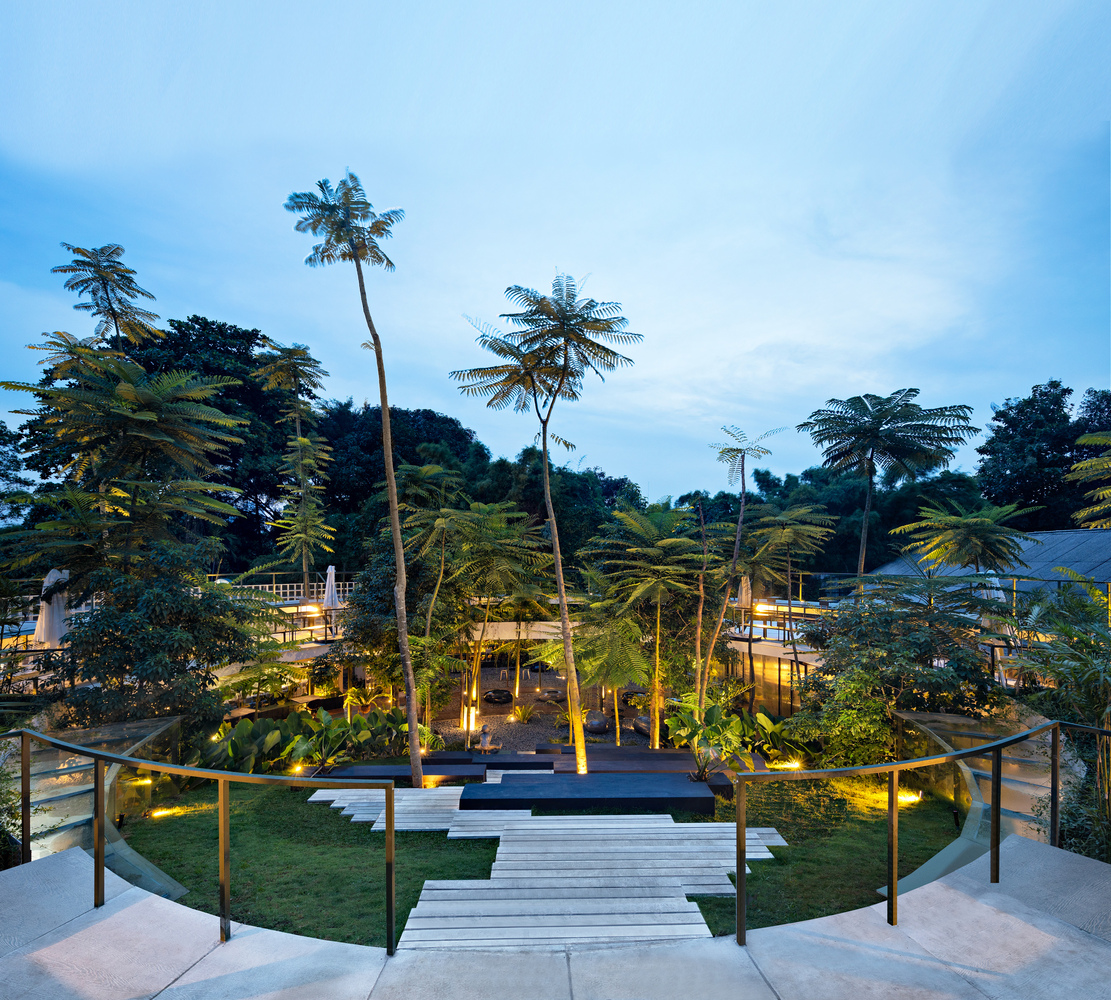
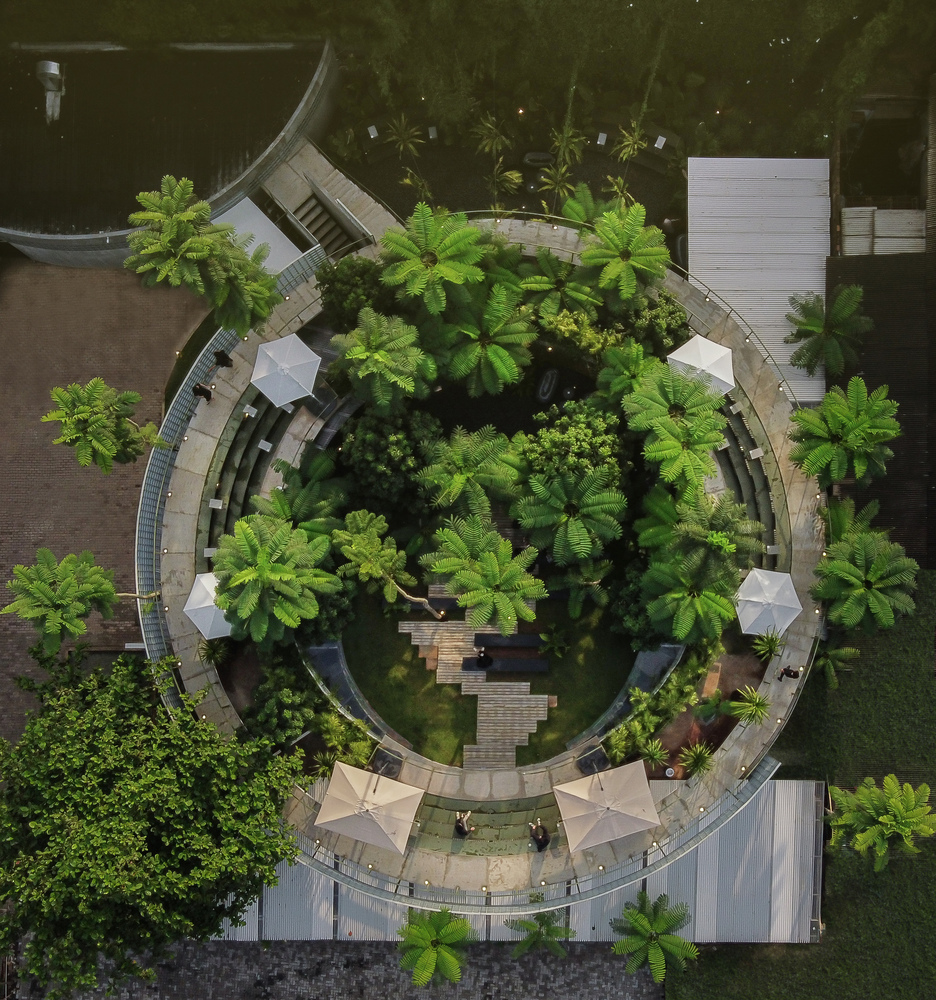
The theme of an enchanted garden cafe is derived from a simple question. “What is it like if a piece of architecture behaves like it’s non-existent?” In this particular case, the centerpiece of the project is a lush tropical garden enclosed by a circular glass-block building envelope.

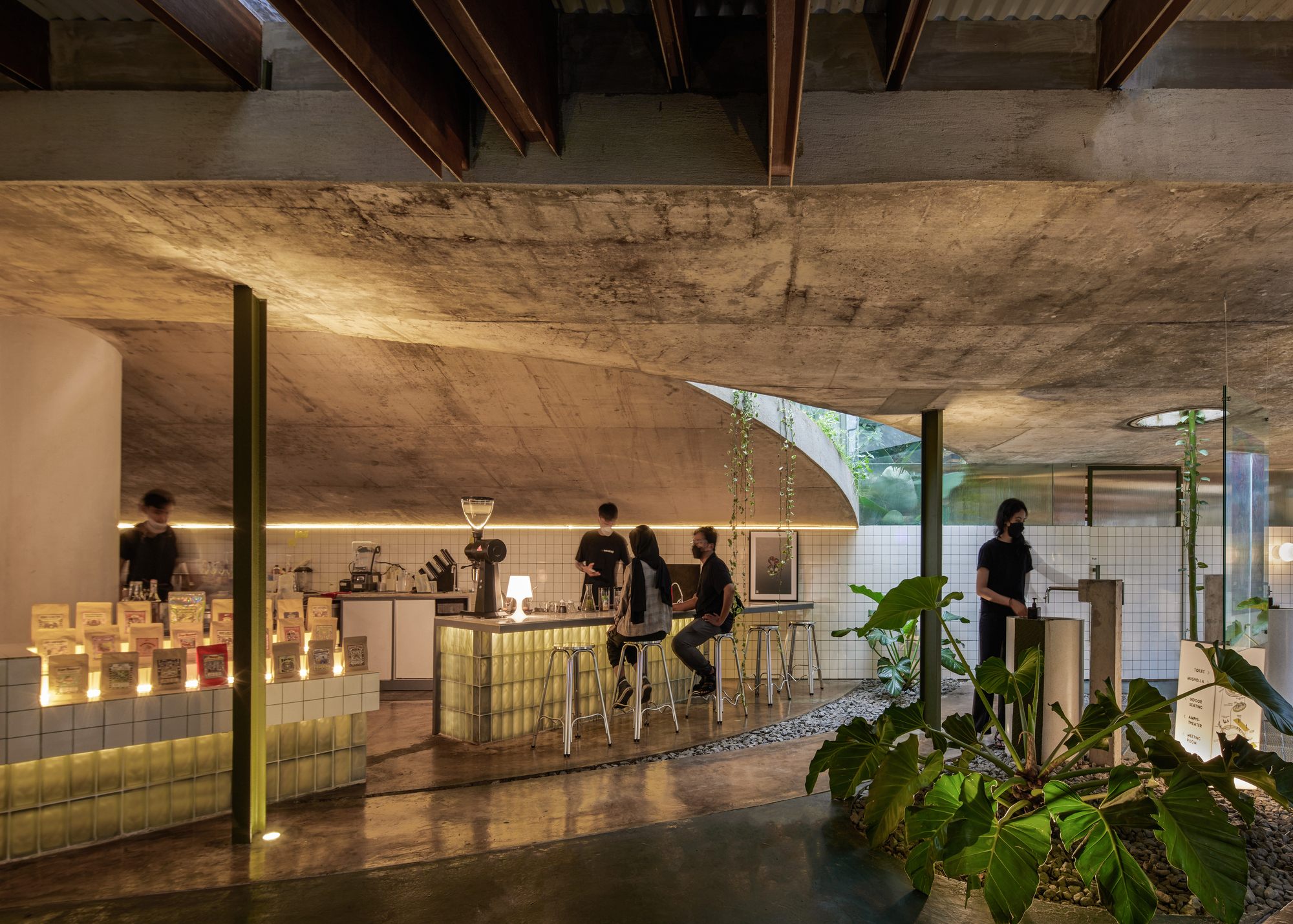
It’s home to a café space that lies hidden in plain sight, concealed by a grassy knoll that blends perfectly into the surrounding landscape. It’s a meeting place where people mix socially and interact with one another bringing youthful exuberance to this part of the city of Jakarta.

Tanatap Ring Garden

With respect to construction, Tanatap Ring Garden Coffee Shop is the result of three design strategies combined.

First of all, it’s well planned to blend with the healthy foliage of a tropical forest setting. This is evident in the preservation of all the existing trees on the property.

Secondly, the circular building envelope is designed to encompass all positive aspects of ornamental grounds where plants grow luxuriantly. Located at the center of the floor plan, the café covered by a grassy knoll affords a large room where people meet plus plenty of ample spaces for relaxation. A few steps away, remarkable garden design offers sensory pleasure and the opportunity of reconnecting with nature.

Lastly, it’s about enhancing customer experience by merging indoor and outdoor spaces bringing them together into a cohesive whole.

Tanatap Ring Garden

Tanatap Ring Garden

The overall effect is impressive. It’s a layout that strikes the right balance between the relative size of the project, the building materials used, and the impact of color, texture and natural light in the design process.

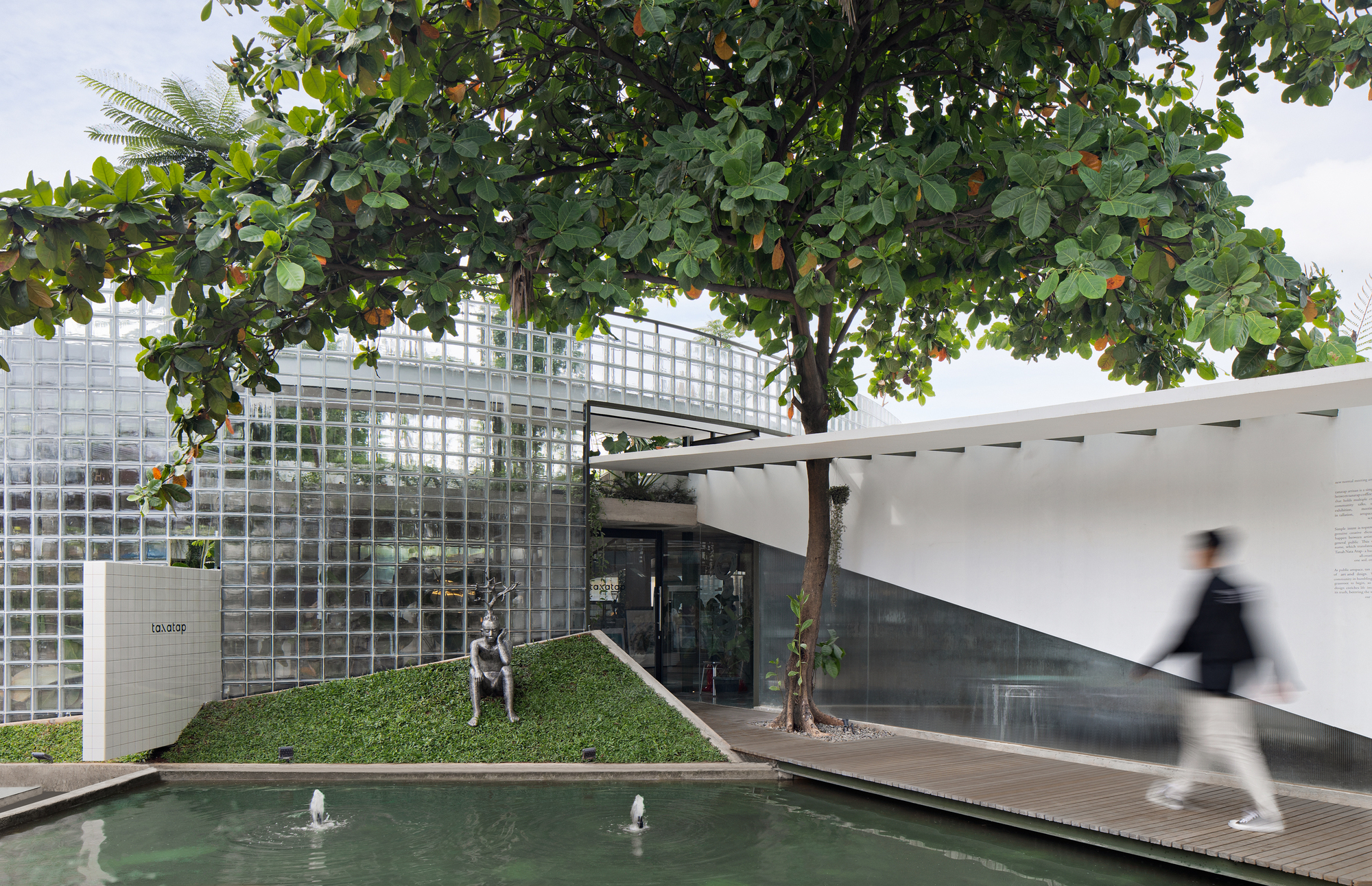
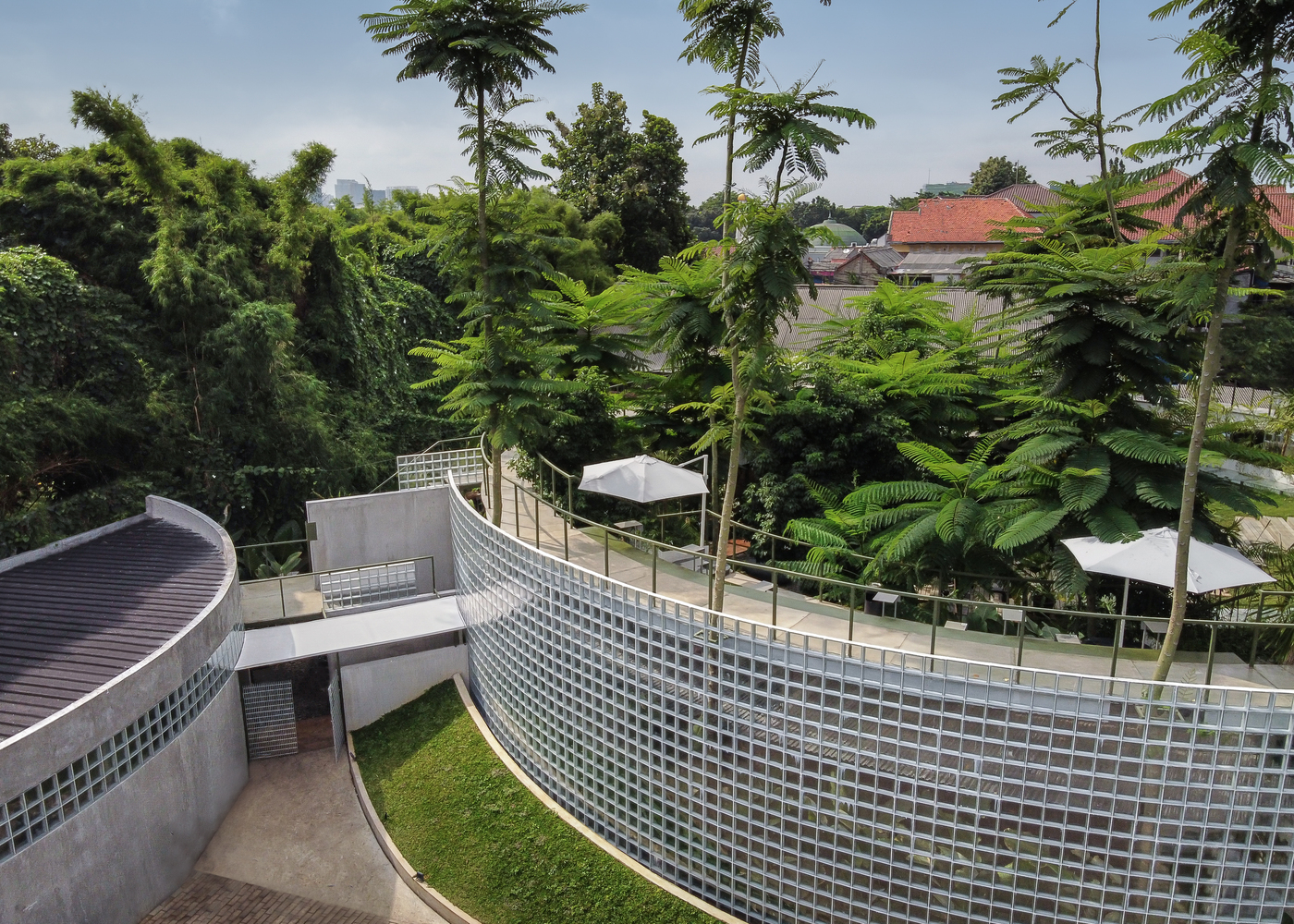
To reduce the harshness of the built environment, the building envelope is made of glass blocks that allow maximum daylight between spaces. They add aesthetic appeal to the place and blend well with the existing trees.

Tanatap Ring Garden

Tanatap Ring Garden

As regards functional design, walk into the café and you come to a counter bar occupying a central position. Carefully thought out design promotes ease of movement in every part allowing people to traverse through and around unhindered.

The circular glass-block wall that separates the interior from the garden is decorated with lush leafy plants. It’s marked at intervals with plain-looking sets of tables and chairs for customers. Nearby, a corridor creates smooth transition between spaces giving access to the yard on the outside.

Tanatap Ring Garden

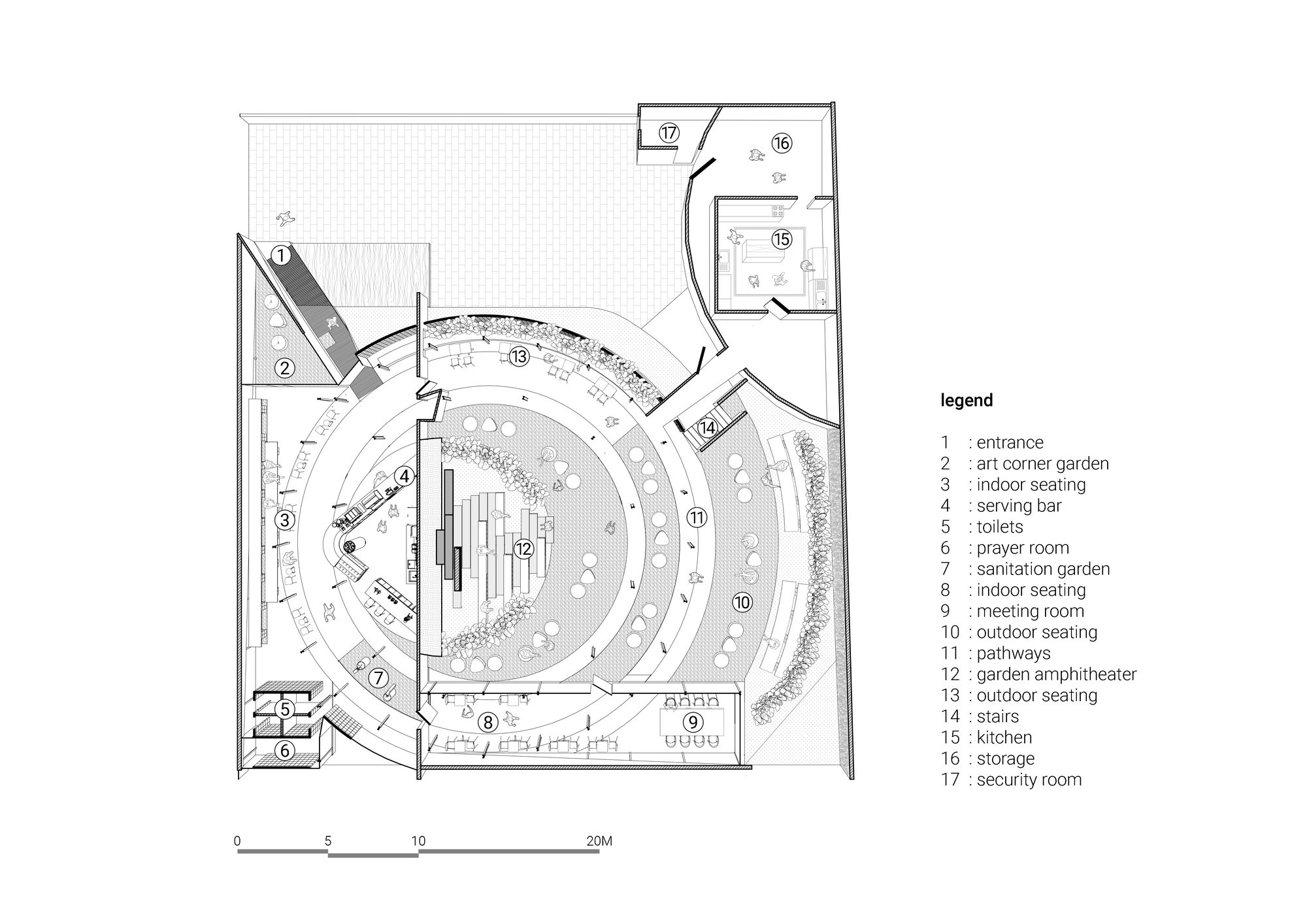
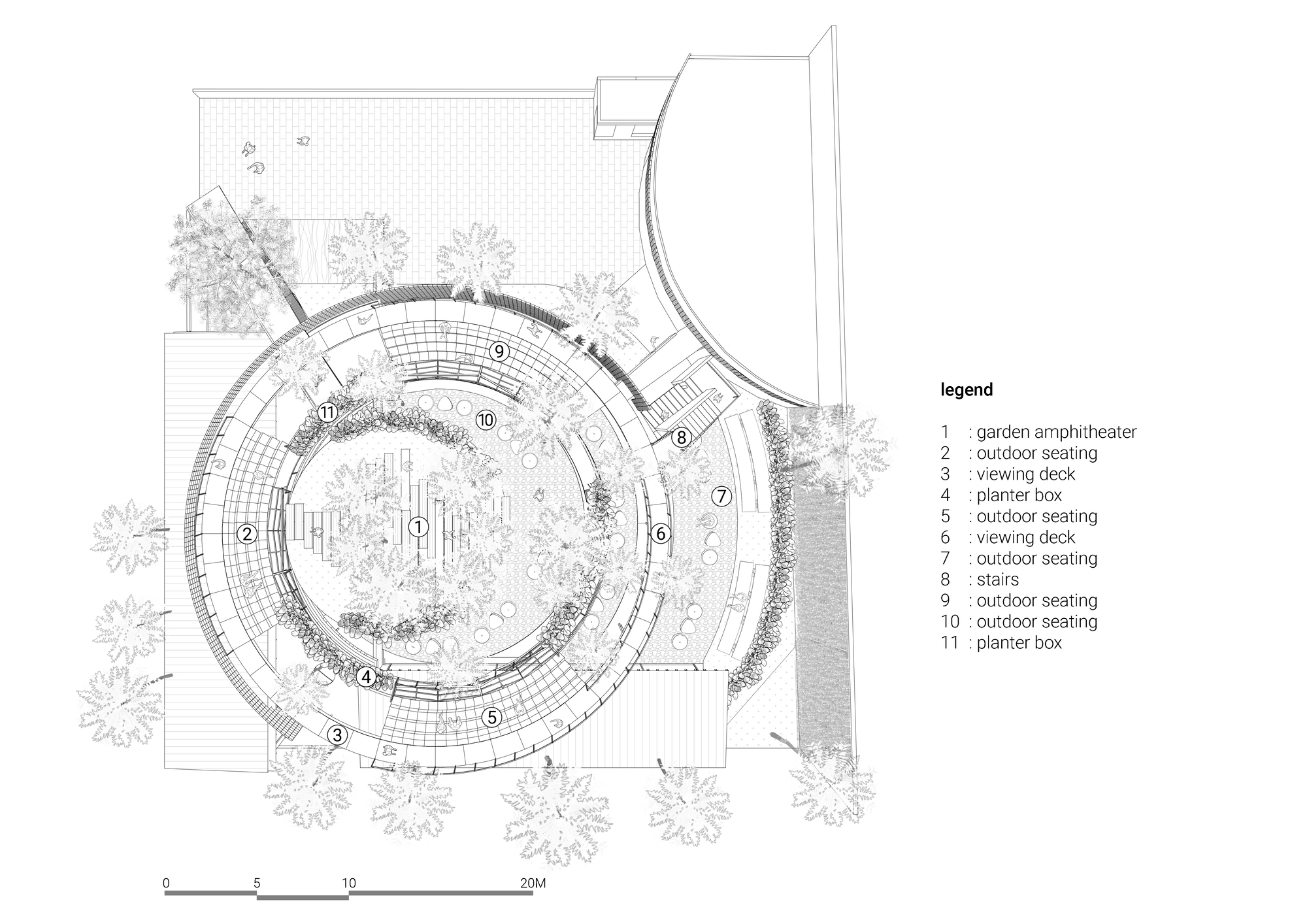
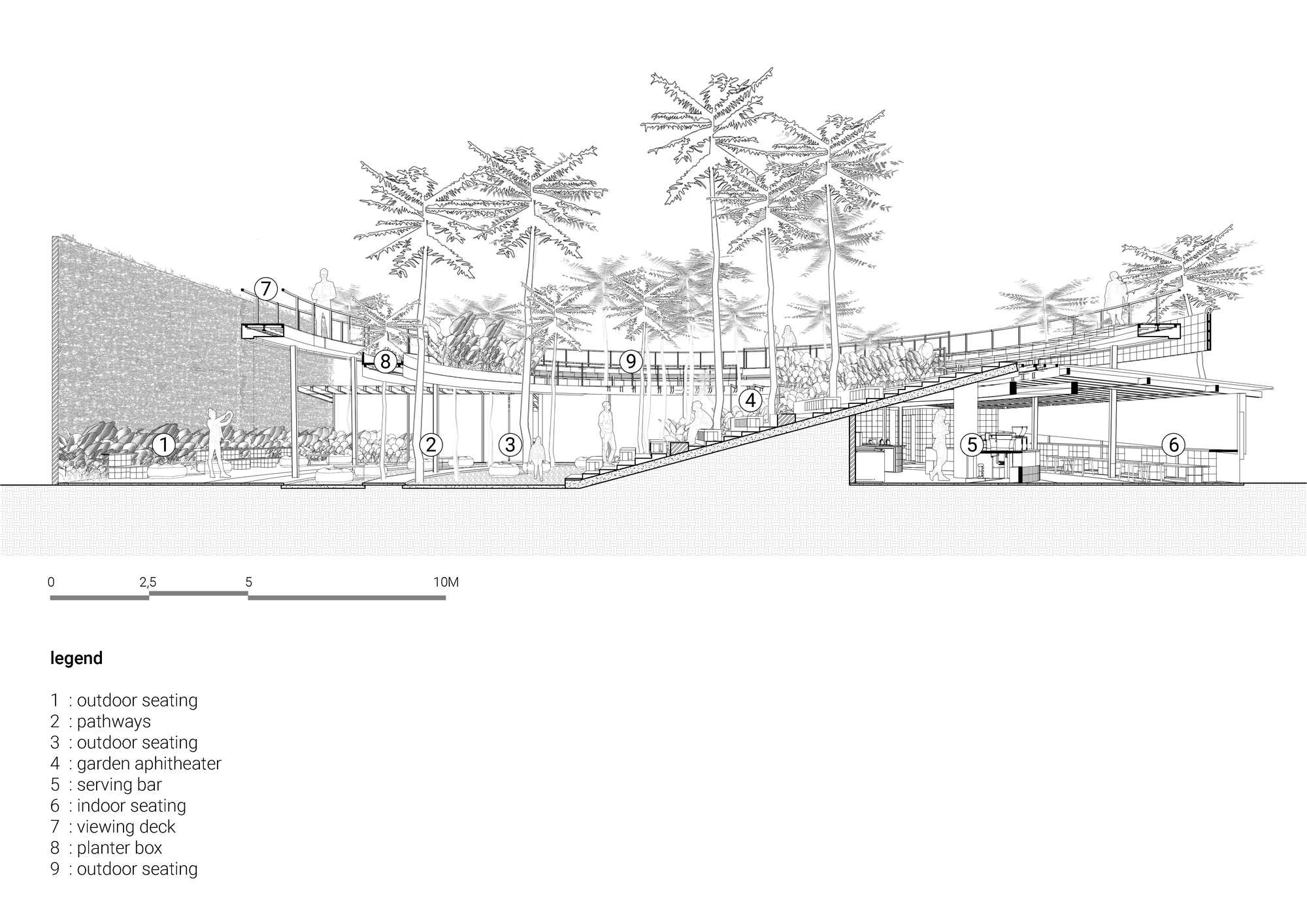
The nature-loving café project is built amphitheater style. Like so, the commercial space is positioned at the center of landscape design. It’s a beautiful greenery-covered building adorned with tiers of outdoor seating set at intervals.

Meanwhile, the boundary along the outer circumference is filled with café seating situated directly below the concrete rooftop corridor made for a leisurely stroll. From here, a vista of high-rise buildings in Jakarta’s CBD can be seen in full view from afar. All things considered, it’s a piece of architecture devised from experience in tropical garden landscaping.

Tanatap Ring Garden

Tanatap Ring Garden

Tanatap Ring Garden

By design, Tanatap Ring Garden Coffee Shop is an experimental project involving new and innovative ideas for commercial space planning. In this particular case, it provides the opportunity of observing how users react to a less familiar environment. It’s implemented with a view to identify the furniture choice, seating arrangement and features in hardscape architecture that are right for business.

It’s a design that blurs the boundaries between indoor and outdoor spaces. The color green that fills the landscape has strong associations with nature, hence comfortable furniture and a conducive semi-outdoor environment make perfect sense.

Plus, it’s interesting to discover how well-planned open design can facilitate social interactions in everyday life.

Conceptual Diagram Courtesy of RAD+ar
Ground Floor Plan Courtesy of RAD+ar
Roof Floor Plan Courtesy of RAD+ar
Section Drawing Courtesy of RAD+ar


Tanatap Ring Garden

Tanatap Ring Garden

Aside from that, the recent outbreak of Covid-19 was also a factor that compelled the architect to undertake this experiment to determine how a commercial space with plenty of outdoor landscaping ideas performs in the ensuing days.

It’s exciting to see how new ideas in outdoor environment design play a role in enticing people to spend more time outdoors and live a lifestyle more closely connected with nature, one of many actions people can take to support sustainable living.


Architect: RAD+ar (www.radarchitecture.net)


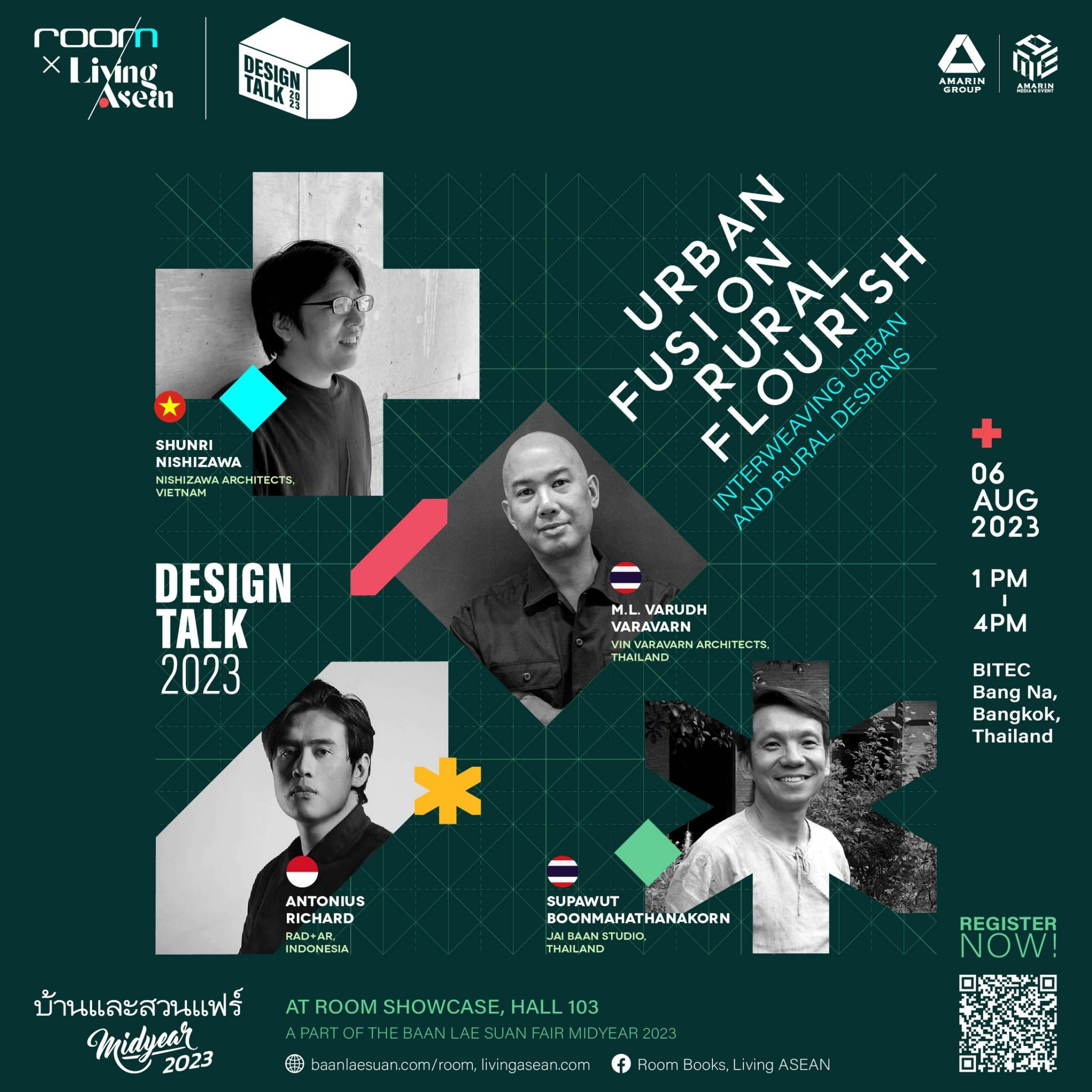
More about nature-inspired designs similar to the above-mentioned are waiting to be discovered. It’s a chance to meet up with Antonius Richard, architect and founder of the architectural practice RAD+ar of Indonesia during the upcoming conversation event titled, “URABN FUSION / RURAL FLOURISH: Interweaving Urban and Rural Designs”.

It’s a part of the annual “room Books X Living ASEAN Design Talk.” This year’s panel of experts is made up of four distinguished architects from three countries. The Design Talk is scheduled for Sunday August 6 at the room Showcase zone inside BaanLaeSuan Fair Midyear 2023, BITEC Bang Na, Bangkok. It’s an opportunity not to be missed. Mark your calendar!

For more details: https://livingasean.com/special-scoop/room-x-living-asean-design-talk-2023-urban-fusion-rural-flourish-interweaving-urban-and-rural-designs/

Register to attend at: https://amarinfair.com/booking/room-x-living-asean-design-talk


You may also like…

Low-Cost Micro Dwellings for Klong Toey Community: Housing Opportunities Aimed at Bridging the Gap between Urban Developments House in Chau Doc: Rediscovering the Beauty of Localness

X