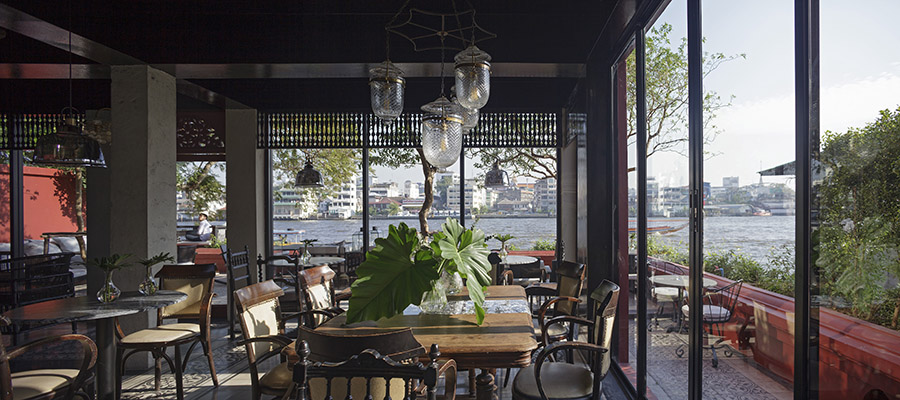
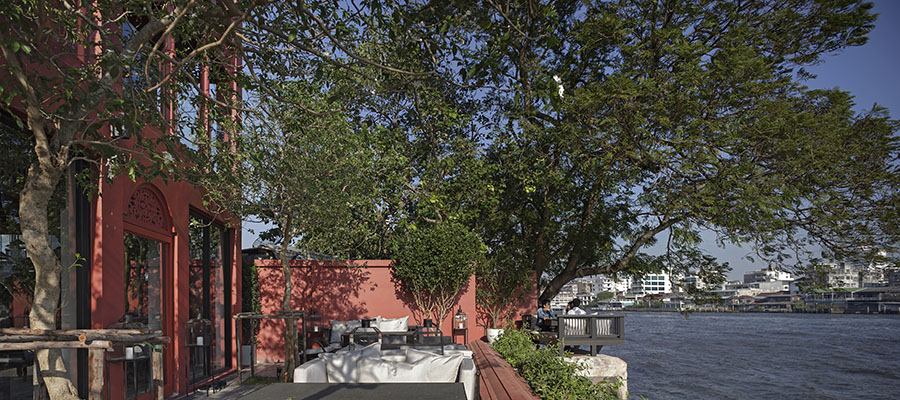
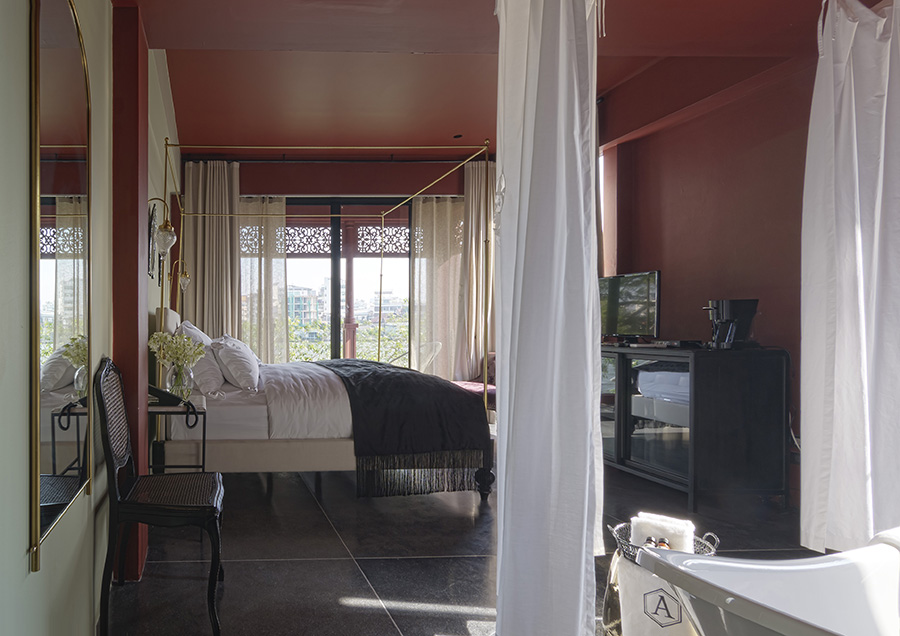
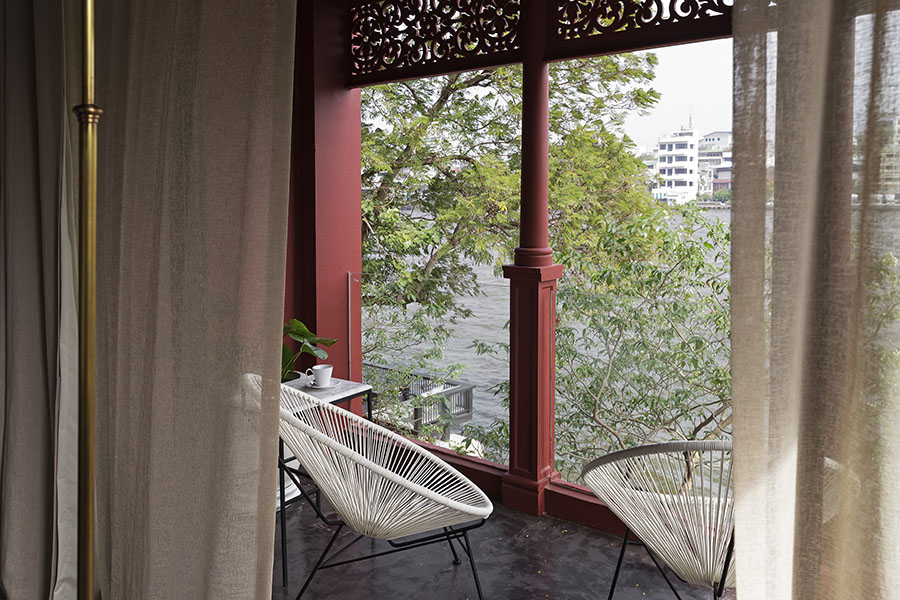
Time and budget allowing, it’s not hard to find a Chao Phraya riverside hotel in Bangkok for a night’s stay. What’s harder is to find a place rich with art and an atmosphere that makes you feel at home while taking you back in time to an earlier age in the river’s history.
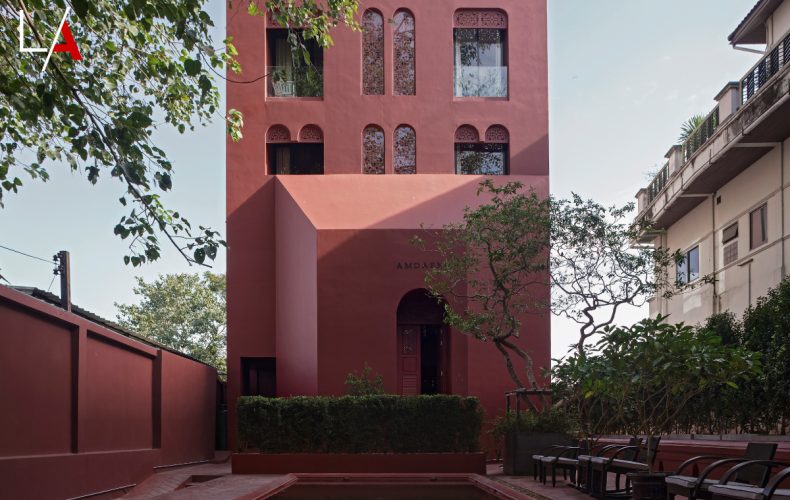
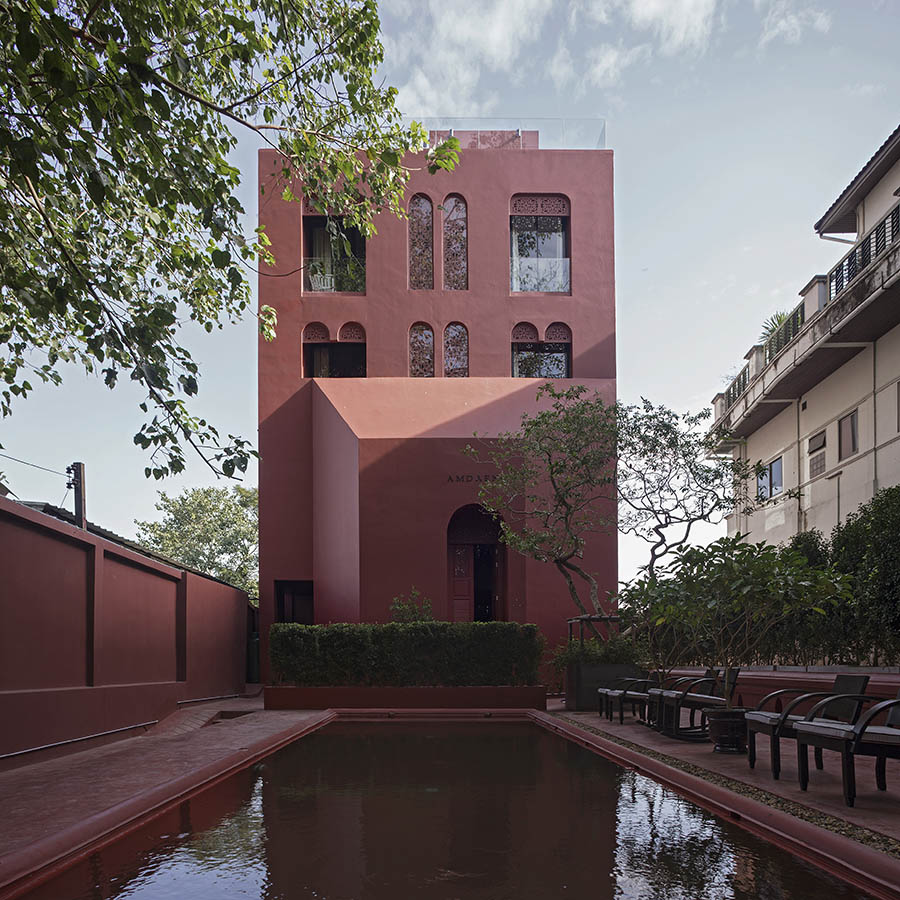
This 10-room contemporary hotel with a taste of “Thainess” stands on 100 square meters in a tiny alley just off Chiang Mai Street, in the same neighborhood as the fascinating tourist destination Lhong 1919. “Amdaeng,” the hotel’s name, belonged to a fabled woman from the past and was suggested by the “Amdaengkhlee” on a former owner’s land deed from the Rama V era.
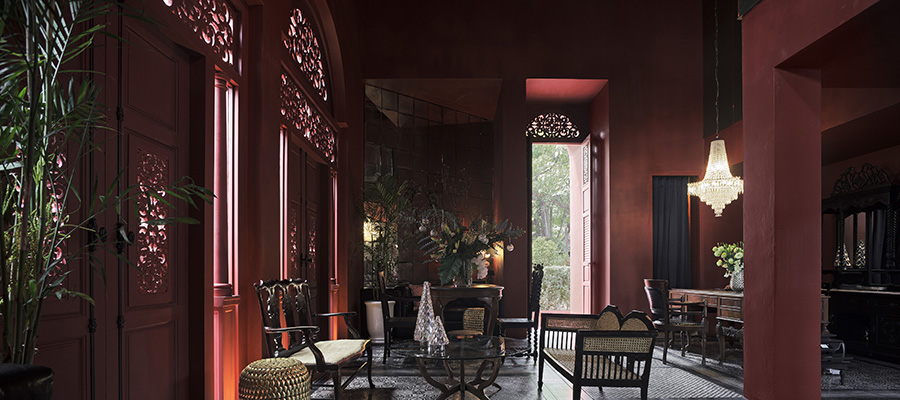
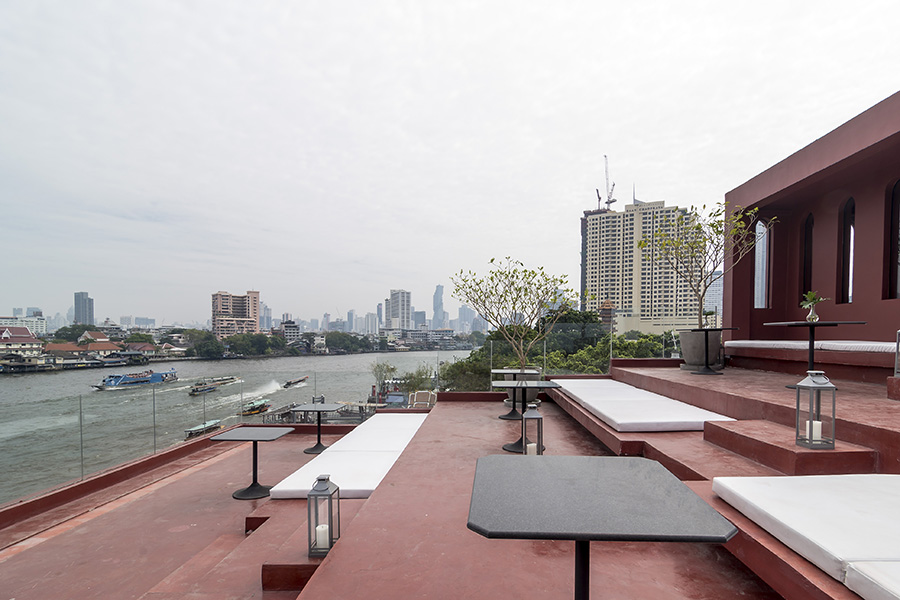
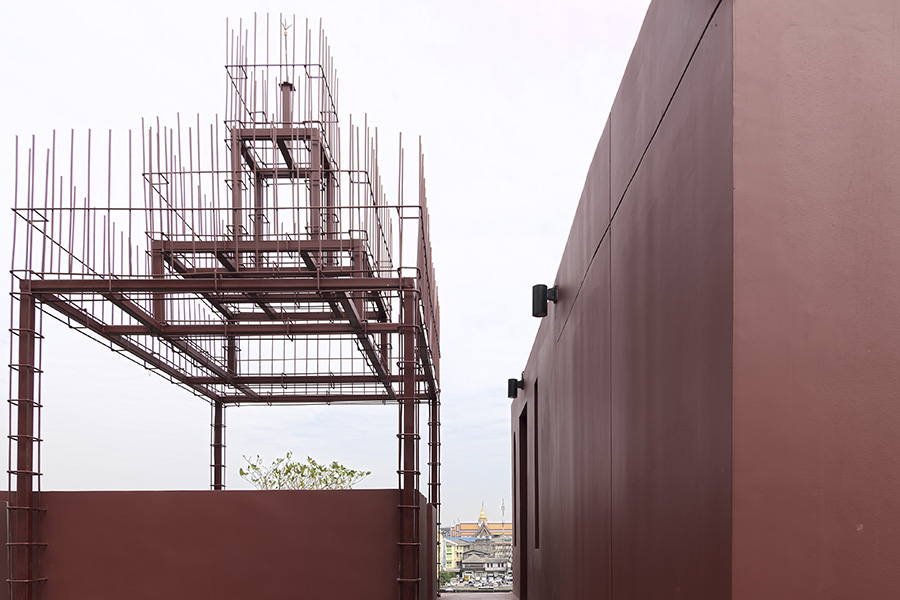
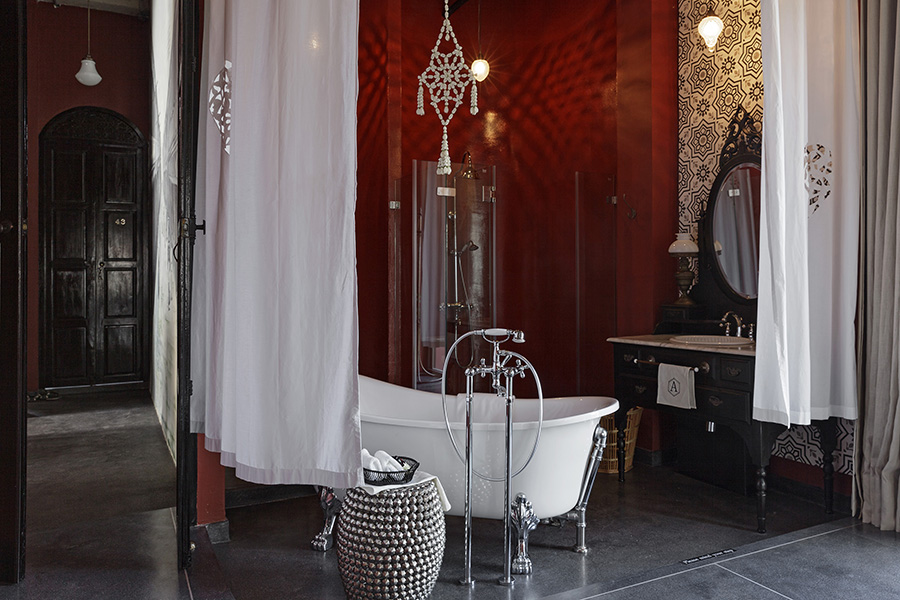
All the main architectural elements inside and out are painted vermilion: posts, beams, floors, walls, ceilings, so that looking from the other side of the river it stands out clearly from its surroundings. Coming in from the other side you approach the entrance through a maze of alleyways, as the scene gradually opens up to reveal a red building that seems to be composed of separate sculptures joined together to become one grand form in which the architect envisioned people living.
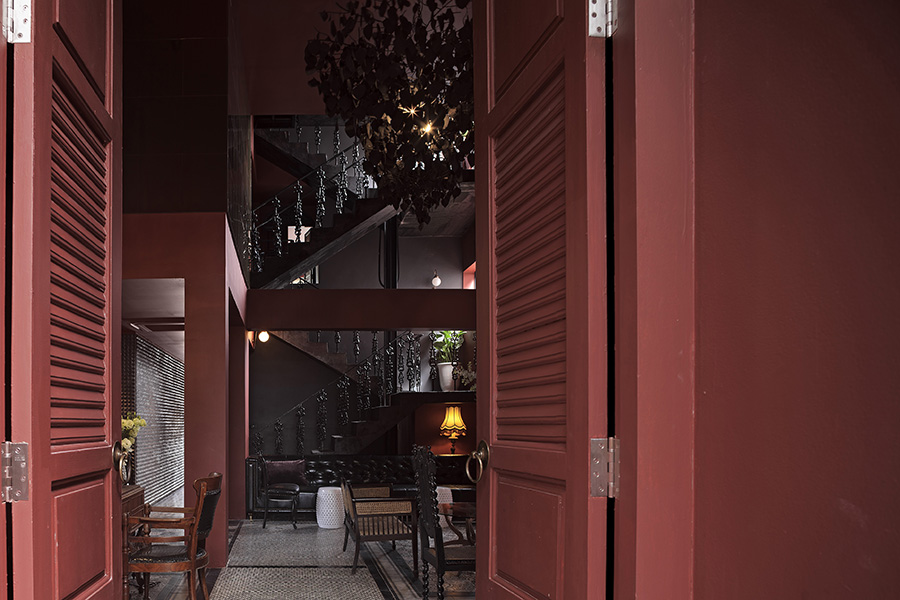
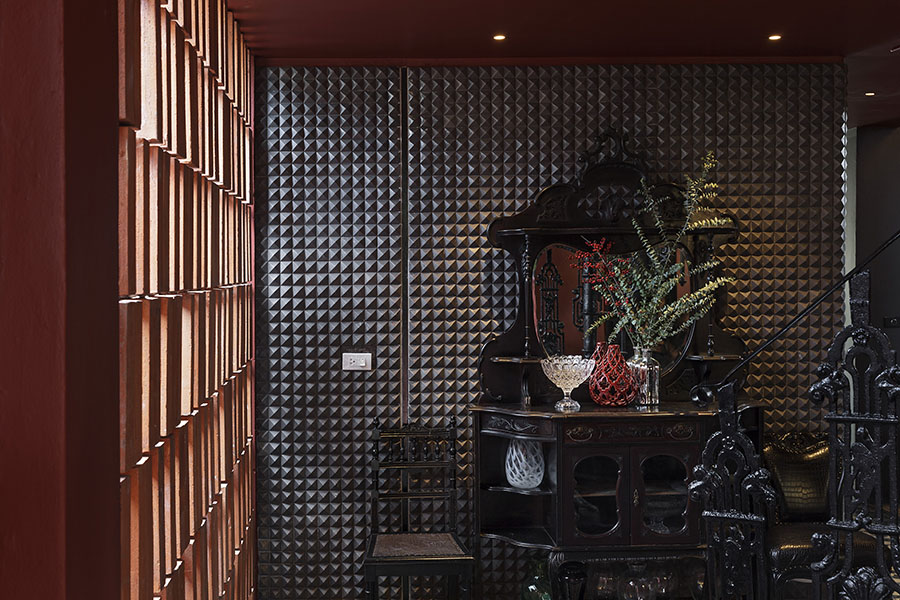
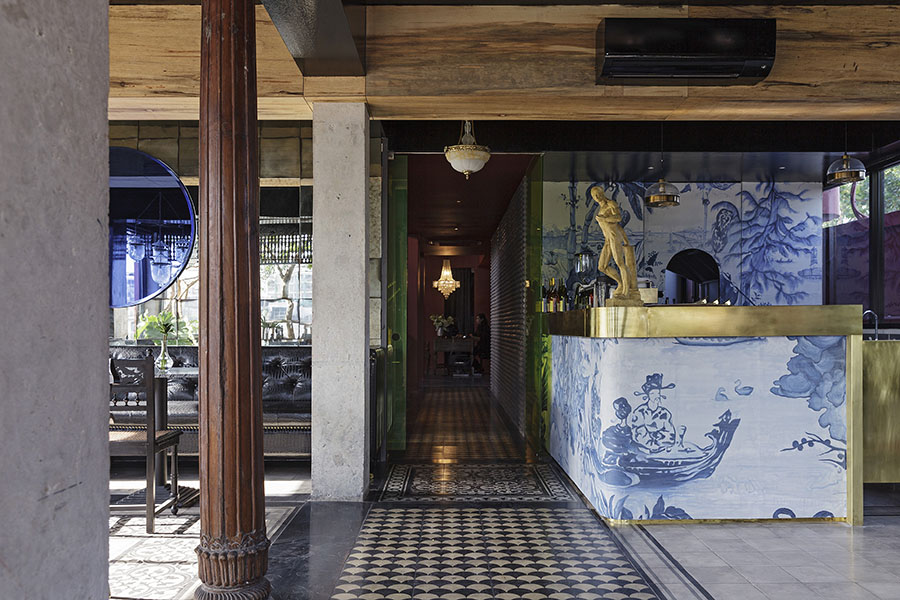
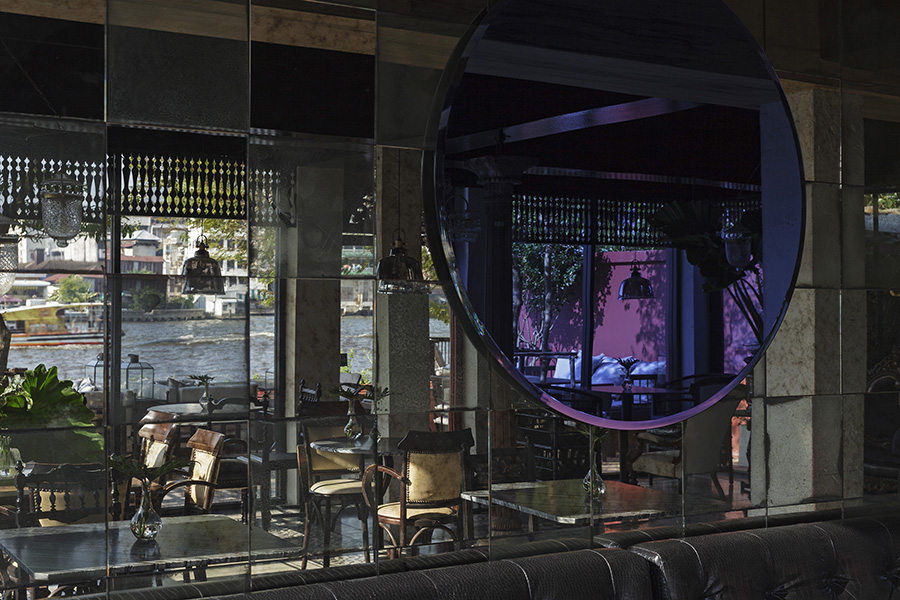
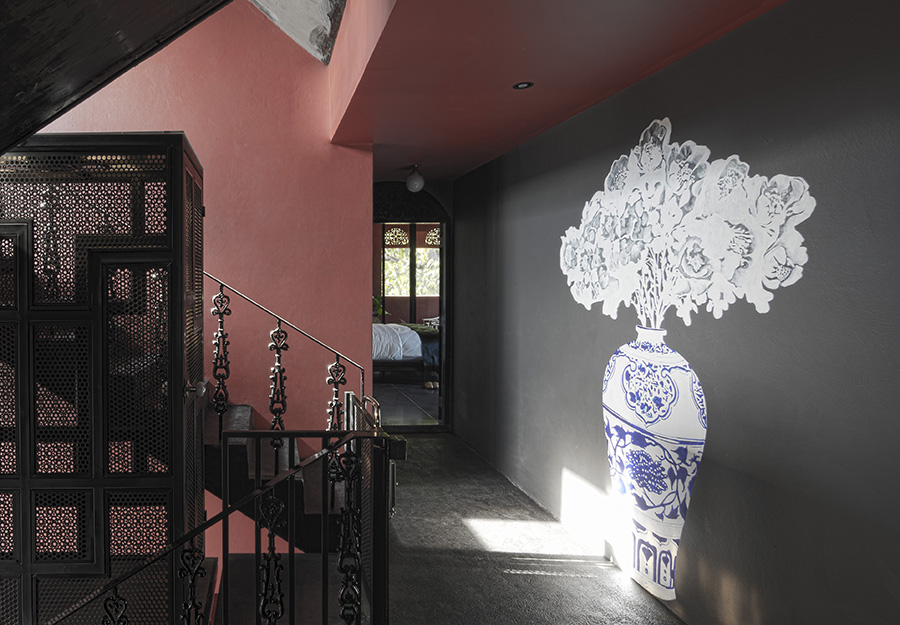
Inside is a restaurant with a quiet calm feeling, lowering the dial on the red, and also more masculine: The feminine “Amdaeng” calls for some male balance, so the restaurant is named “Nye,” meaning “mister” in Thai. The restaurant materials and décor are simple and straightforward but rich with art, bringing to mind the phrase “blue and white,” for the indigo-patterned tile of China favored by Chinese social clubs and found everywhere in old China. Up above is a fabulous roof deck with a sort of “grandstand” for viewing the river rising upwards in tiered circles like the chedi of a Thai temple. In the future this area will be a nighttime bar.
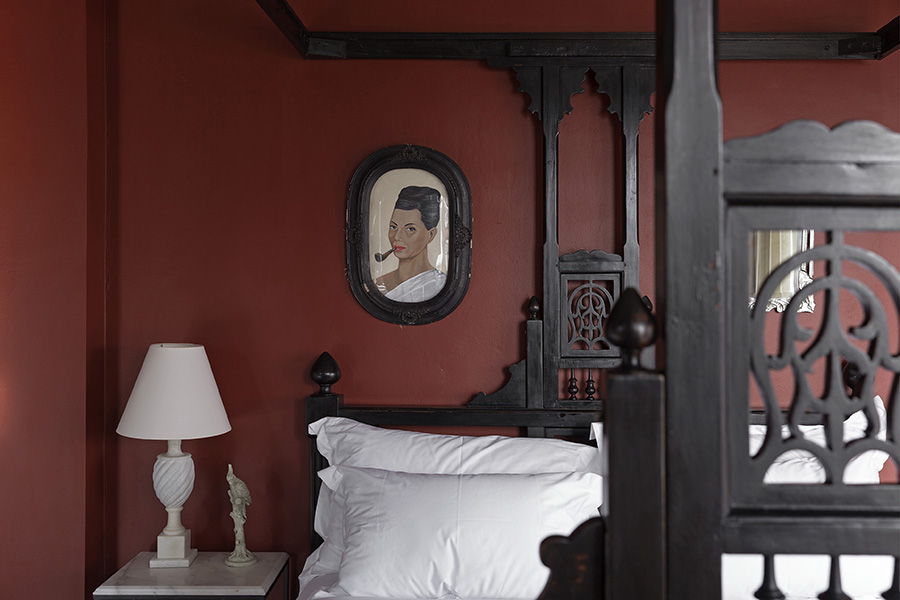
Guest room décor shows a mix of styles reflecting Thai as well as other cultures: Chinese, European, Indian. To recall an earlier era when the dominant cultures were mixing in a formative way, aging techniques are used to alter the look of the glass, the floor tile is dimmed with a charcoal color, antique furniture is used, and remodeling has added beauty and refinement to an atmosphere of bygone days so as to live up to the catchphrase, “The most romantic hotel in Bangkok.”
From time to time, it’s good to leave a hectic lifestyle behind. Escape to the countryside and enjoy life in the slow lane. Priceless! There’s nothing like staying close to nature and being surrounded by mountains and lush paddy fields. Do something you’ve never done before. You can be a part of a local community by getting involved in farm activities.
Collect freshly laid eggs from the chicken coop, pick mushrooms from the nursery, and get vegetables straight from the garden. Even cook your own meals using seasonal ingredients from the community. Or treat yourself to a chicken coop sauna amidst rice fields, a spa idea you never imagine.
There are plenty of reasons a farmstay is the perfect experience as you learn to live in a natural environment. Ahsa Farmstay is offering tourists a chance to stay overnight on a working farm. It’s a place to be happy and have fun as you interact with people in the community and learn about their heritage and culture of farming.
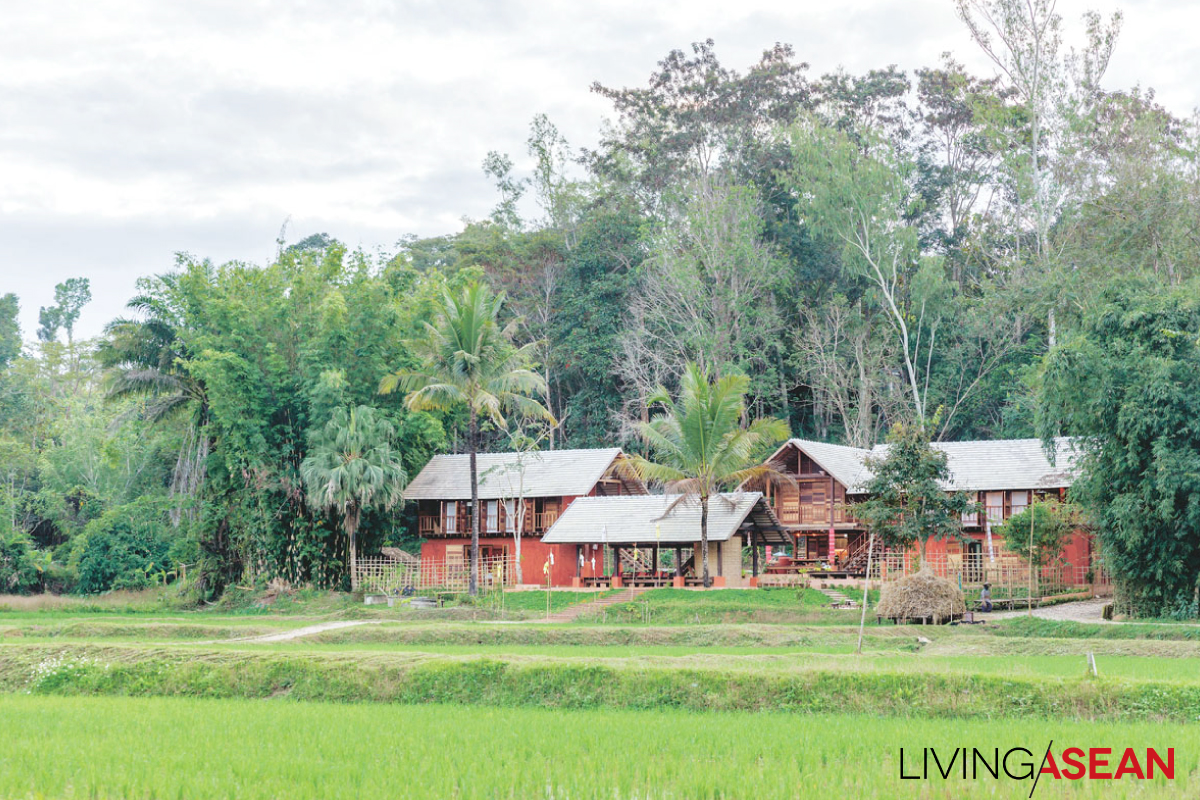
From Chiang Rai, head north towards Doi Mae Salong. About halfway there, you come into Mae Chan District. Ahsa Farmstay is located on 85 Rai (33.6 acres) of land, surrounded by views of the rolling terrain, fertile grounds and lush plains.
The luxuriant vegetation encompassing the farmhouse makes the atmosphere calm and relaxing. The property owners have spared no effort in making sure visitors are happy physically and mentally as they gain an understanding of local culture and the beauty of traditional Lanna architecture.
Ahsa Farmstay is the work of Creative Crews, an architectural design firm passionate about traditional Lanna architecture.
By looking at the northern heritage from a different perspective, they are able to create a home that’s modern in style and functions. This is achieved by reducing design detail and embracing the traditional principles of form and layout. The result is a home that combines privacy, comfort and convenience.
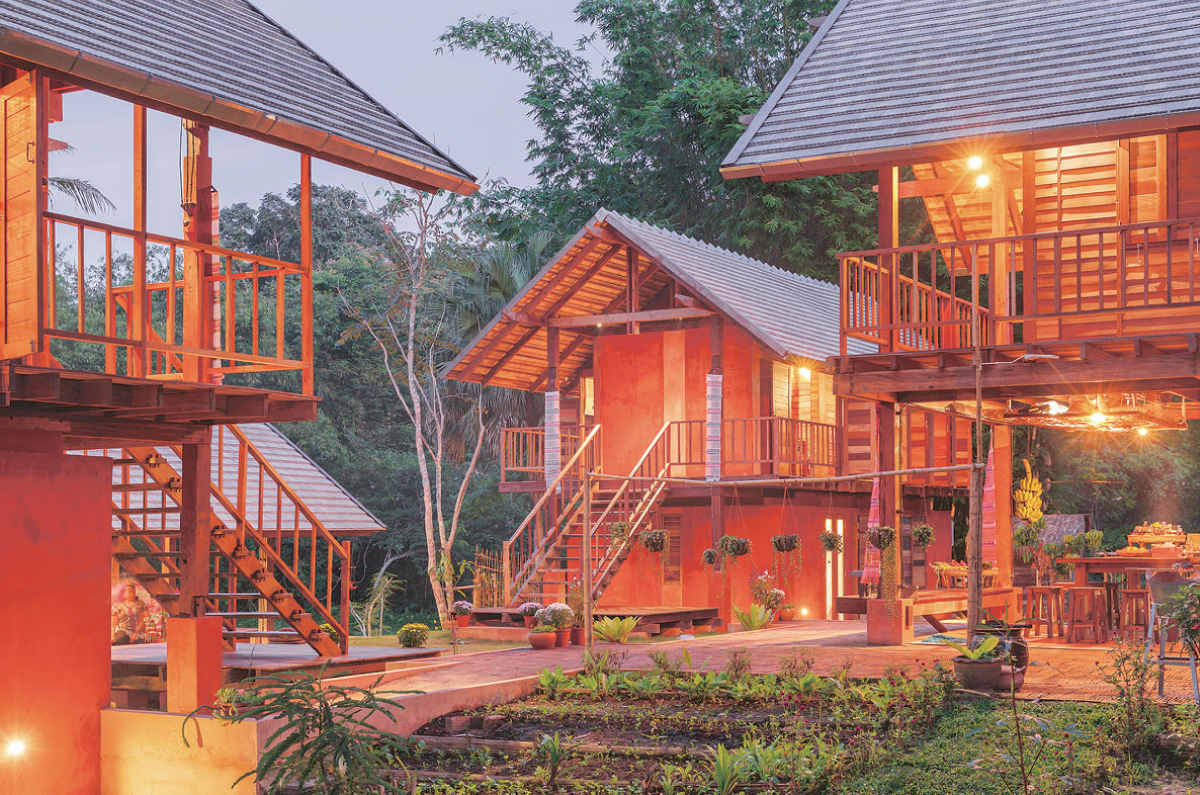
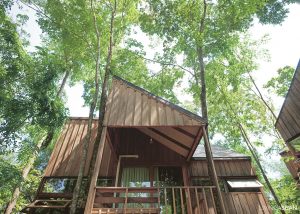
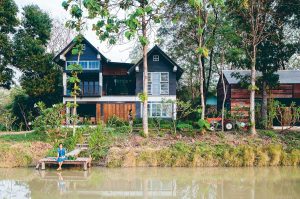
Ahsa Farmstay consists of four buildings. The property owners’ home sits at the center of the rectangular floor plan flanked by two-story buildings that provide guest accommodations on the left and right wings. There are four guest rooms in all. A pavilion that’s up front by the entrance provides a place to unwind and relax, and room for activities.
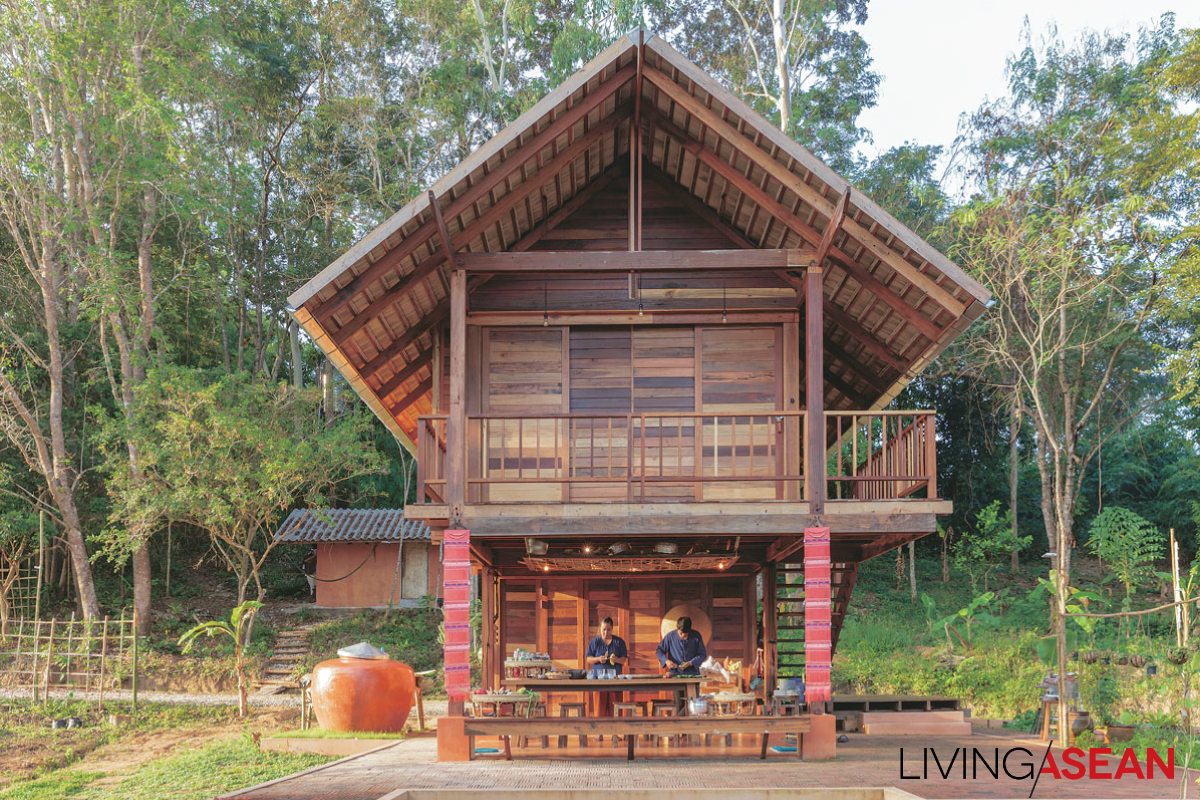
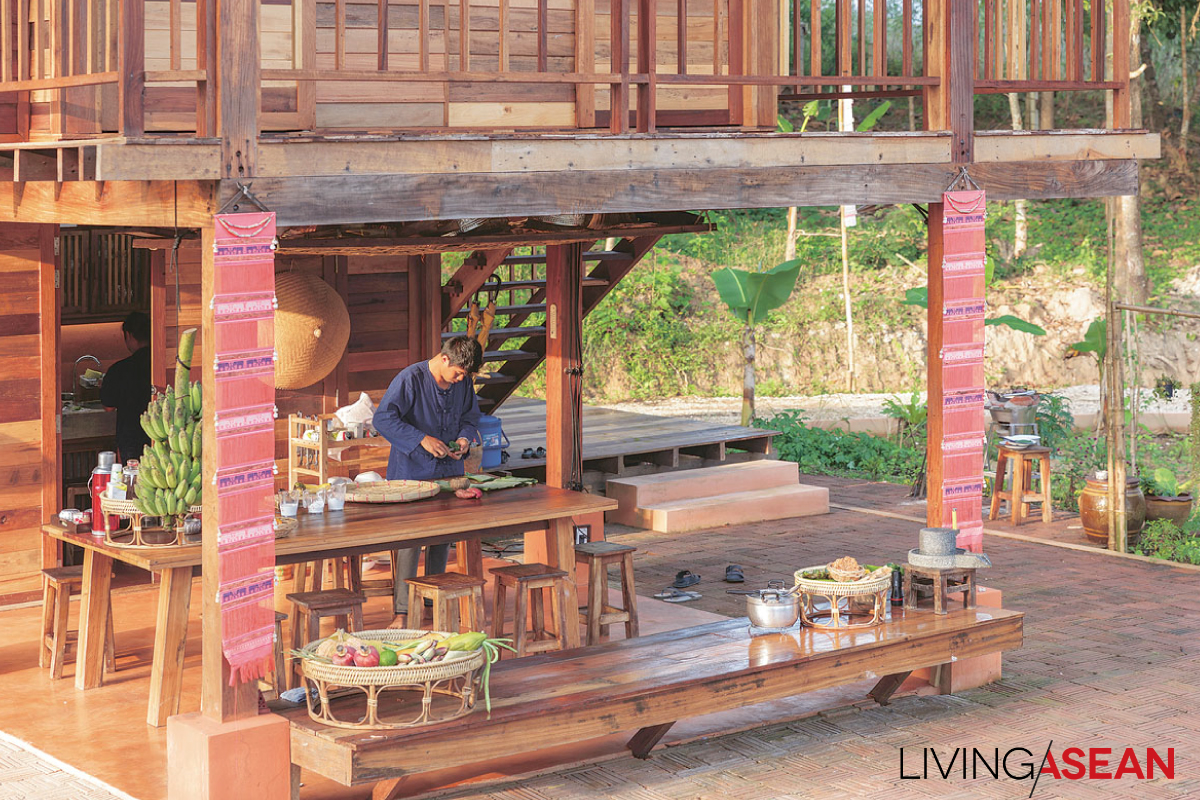
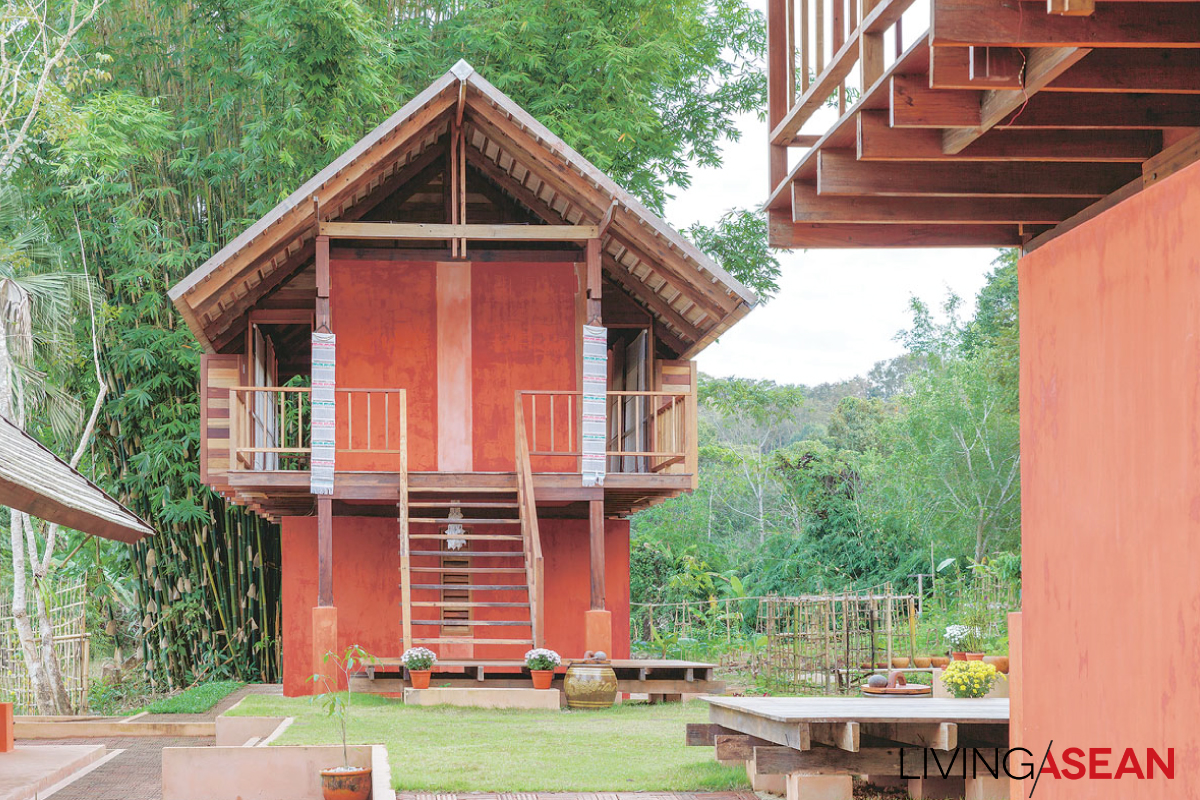
Typical of house-on-stilts design, the underfloor space serves as open dining room with a kitchen hidden from view in the background. It’s equipped with stoves and facilities for food preparation. For visitors keen to experience truly country style meals, there’s a barbecue grill for cooking food out of doors.The lodging house offers two guest rooms, one on each floor. To prevent humidity damage, the room on the ground floor is built of brick with cement plaster. The exterior is painted earth tones to blend in with its natural surroundings.
Im, who oversees Ahsa Farmstay, says the design concept is inspired by a desire to be a part of the local community.
“This is the first phase of an ongoing experiment. The farm owners are a family that resides in this community. By living on the property, they are on hand to take care of their guests at all times. Determined to preserve their way of life, they prefer not to travel some distance to work in the city. And that’s what gives rise to the farmstay project.
“We have good relationships with the community and hire local carpenters to build. They are rare these days, but we find some in the neighborhood.
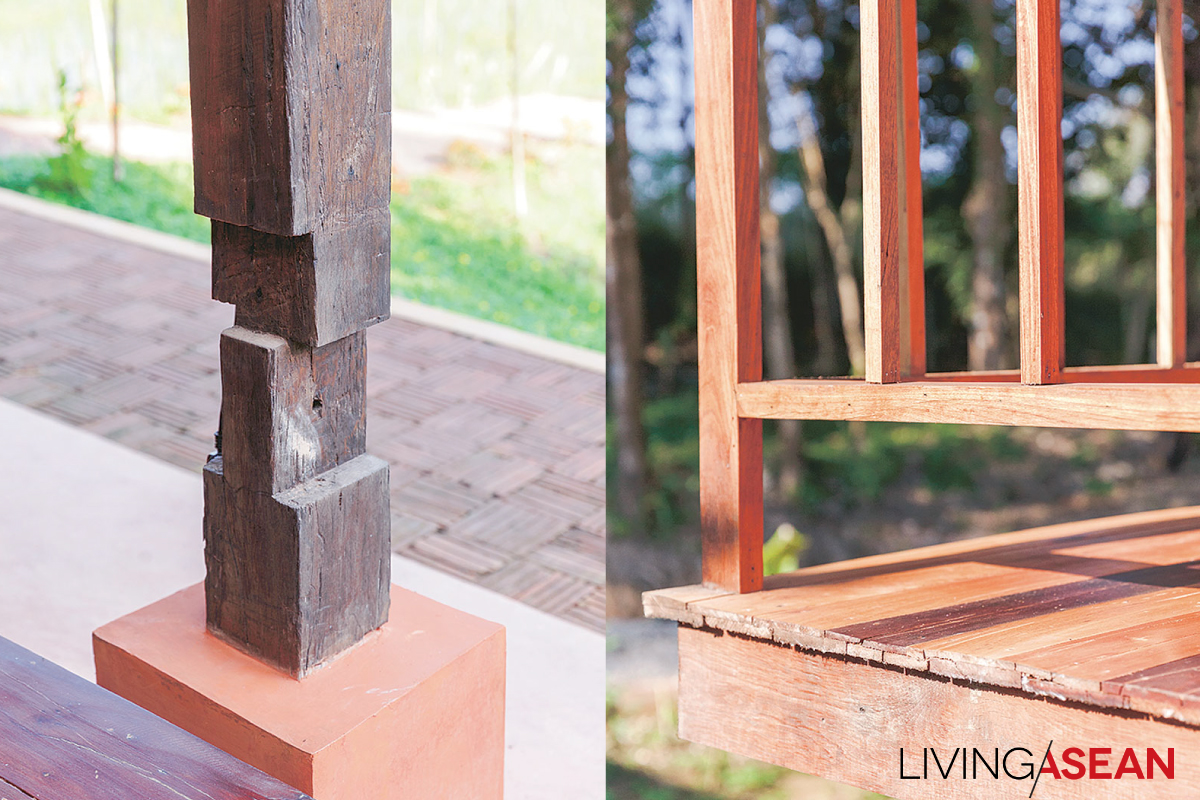
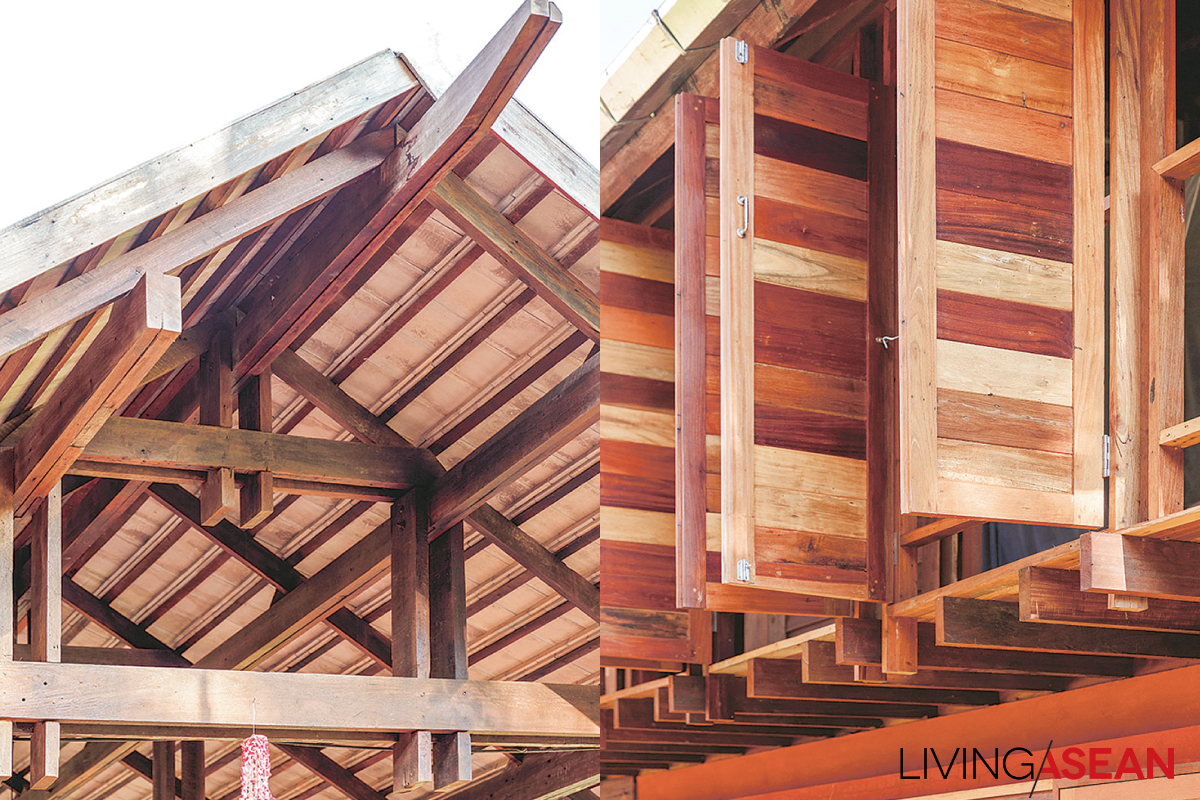
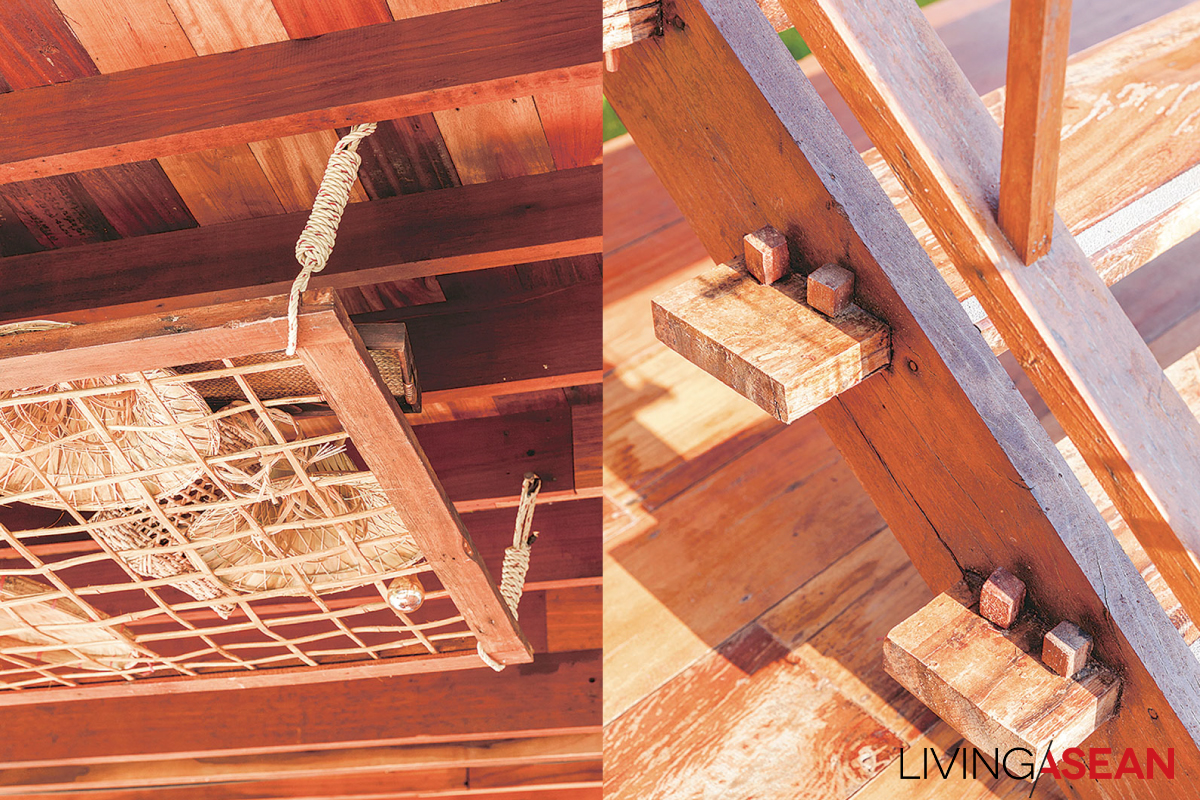
“For quality assurance, they work under our supervision. The project is built almost entirely of wood recycled from old houses. Our architects take the time to do it right. They go through each and every piece and handpick only the ones that meet specified construction standards.”
An architect on the team added, “Reclaimed wood is the main building material because it can be sourced directly from the community.
“It comes in handy since some villagers are willing to sell it as reusable material. In the end, it’s about finding a new use for old wood and adapting it to serve new purposes. Once the villagers see that we can do it well, they adopt the idea and technique to better suit their construction needs.
“In the end, it adds up to the continuation of cultural heritage and preservation of traditional Lanna architecture by passing on the skill and knowledge to young people in the community.”
Besides old wood, the team is able to put other recyclable materials to good use. They include concrete roof shingles that are rare nowadays. They are made the old-fashioned way using the pedal-powered pottery wheel. Also known as the kick wheel, it’s an ancient manufacturing technique that has been passed on in the local community.
To prevent leaks, the roof is covered by two layers of shingles. The weathered concrete look is beautiful. That’s not all. Ahsa Farmstay is also decorated with items of handicrafts and furniture sourced directly from the community.
All things considered, the atmosphere is warm and inviting. It gives other families in the neighborhood some idea of how they can offer a form of hospitality and lodging where guests can stay overnight at the home of locals and learn about their culture.
It’s an opportunity to play host, cook food and share their lifestyle and culture. Like so, Ahsa Farmstay is planning on providing more guest rooms as demand for cultural tourism increases.
And it works both ways. New lodgings will be built by local carpenters, which in turn generates supplemental incomes for the local community. In the big picture, it amounts to promoting a kind of tourism intended to support the conservation of cultural heritage, skill and knowledge in the community.
The designer wraps it up nicely:
“It’s important that visitors refrain from causing changes in the community’s way of life. More than anything else, the farmstay provides the opportunity of learning something new about rural culture.
“Visitors are welcome to join in the daily activities of locals. Architecture has a role to play in the betterment of society. The homes built by locals not only promote cultural tourism but also contribute to efforts at sustainable development in the area.”
By looking at old Lanna architecture from a new perspective, a design team is able to create a home that’s up-to-date in style and functions. This is achieved by reducing design detail and embracing the traditional principles of form and layout.
The result is a home that combines privacy, comfort and convenience.
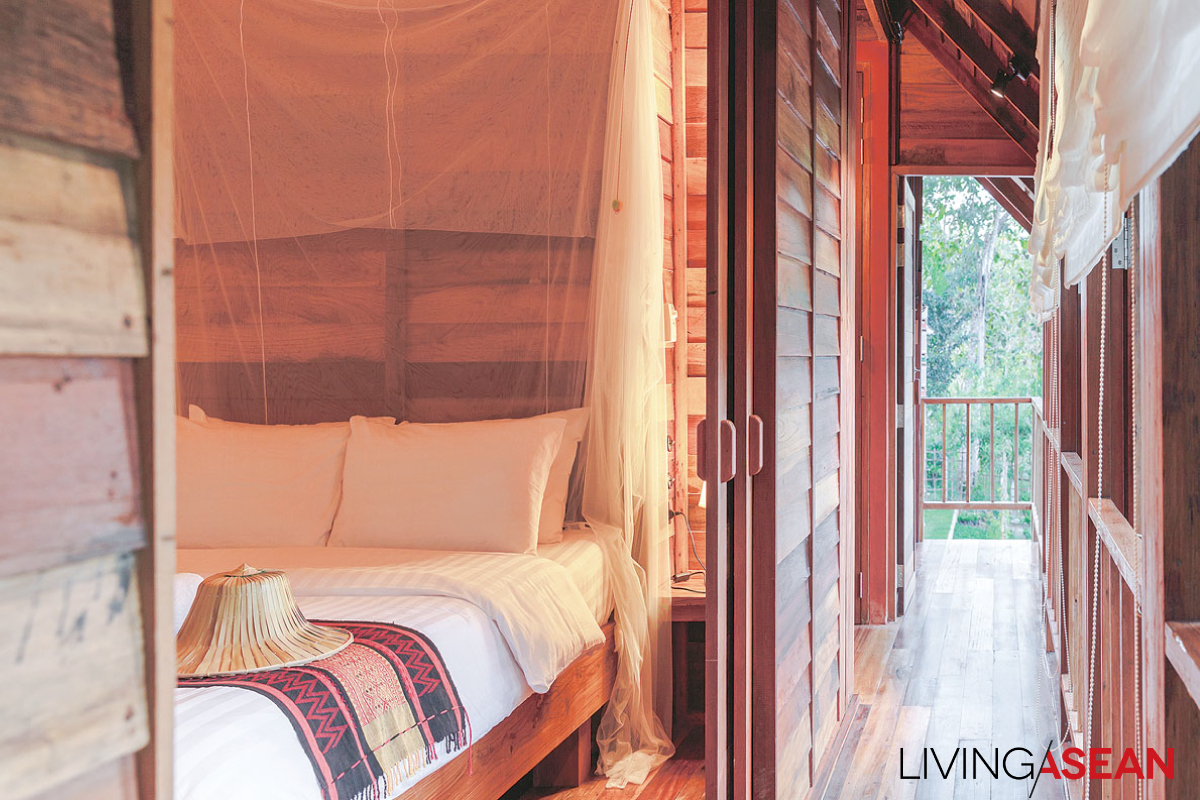
The second-floor unit has a bed at the center. The room is enclosed by wood paneling that slides open to get a view of the natural landscape and slides shut for privacy.
This story is from Modern Vernacular Homes Special Issue: Happiness Matters. (Available here in Thai and English)
Ahsa Farmstay is one of the 13 Special Homes from the Modern Vernacular Homes: Happiness Matters Issue, Thai and English version by the Baan Lae Suan Team. The issue is available now! If you are interested, please contact us. >> www.facebook.com/messages/t/Baanlaesuanbooks
Jade has been cherished over many centuries. There is something about it to hold dear. The green ornamental stone is considered a lucky charm by the Chinese people. It symbolizes purity, kindness and virtue of moral good.
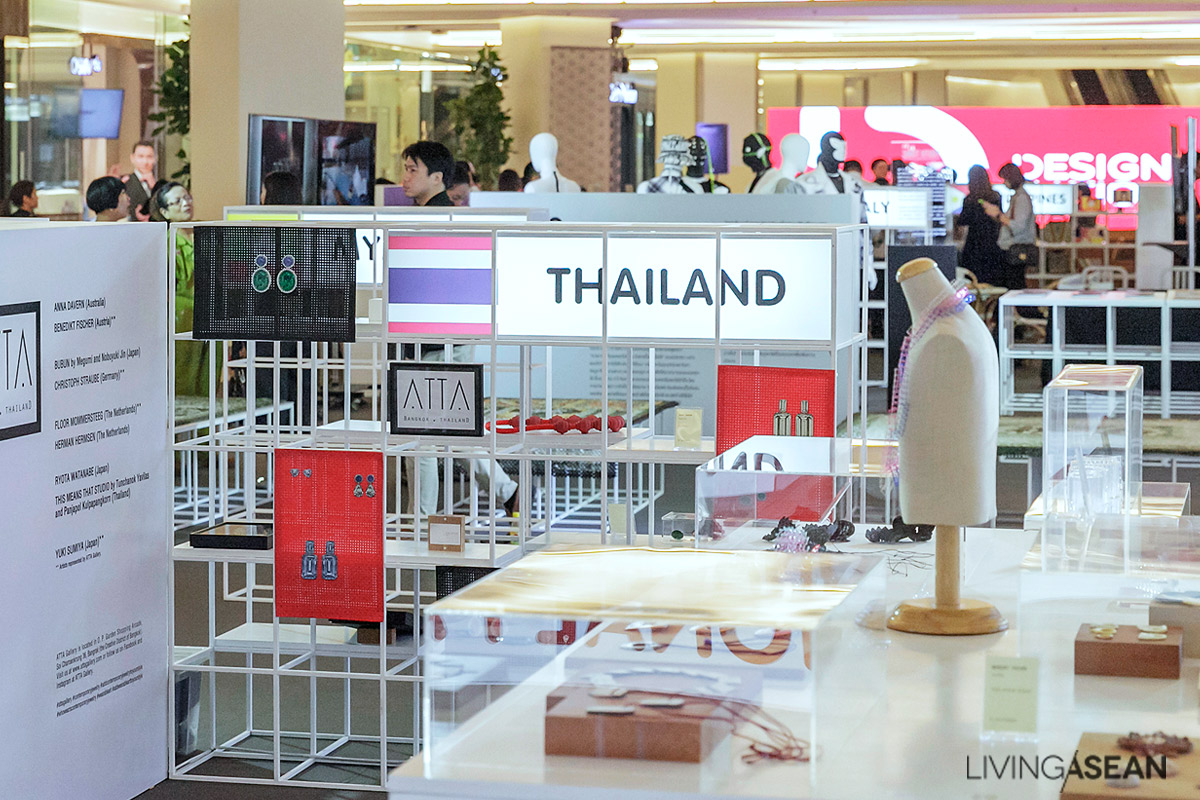
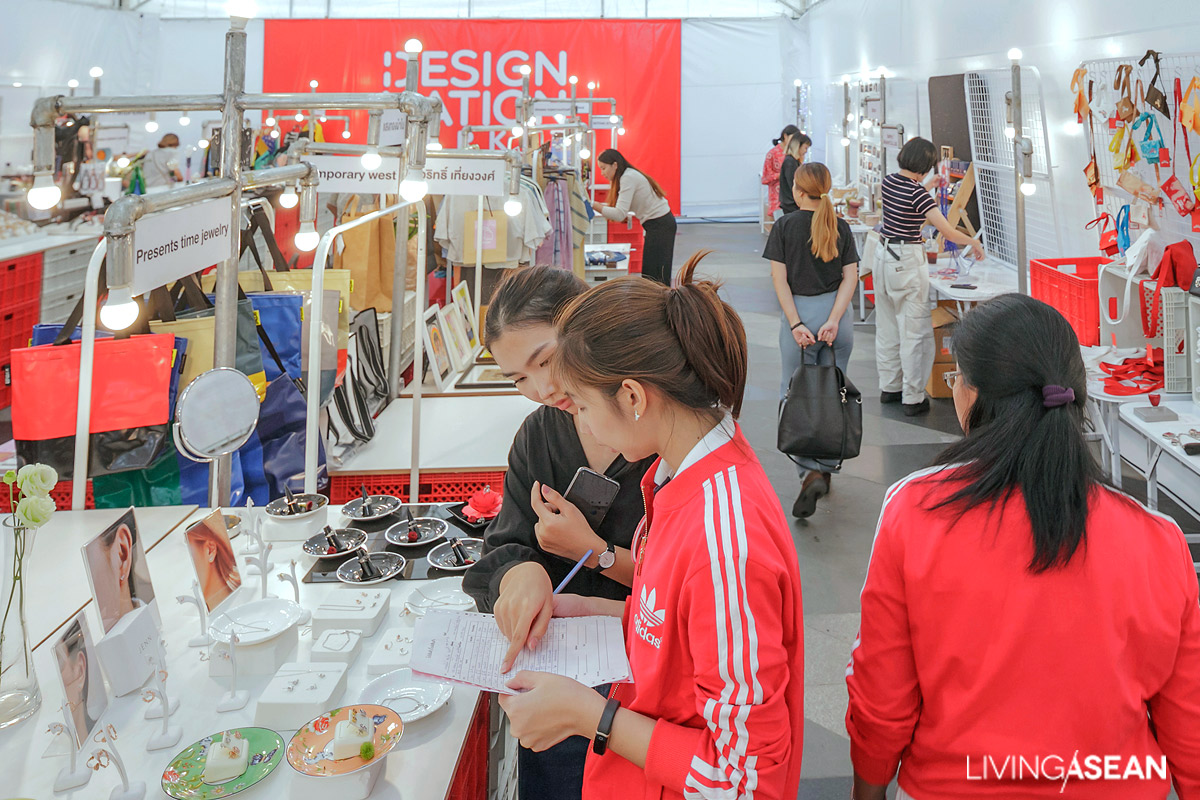
Design Nation Market, a retail business area that’s part of the Siam Discovery Center.Jade beads mat on show now at “Design Nation”, second floor, Siam Paragon.
A part of people’s lives from time immemorial, jade has evolved into an artistic tradition. In China it has a specific connection with folk medicine and long-established cultural expressions.
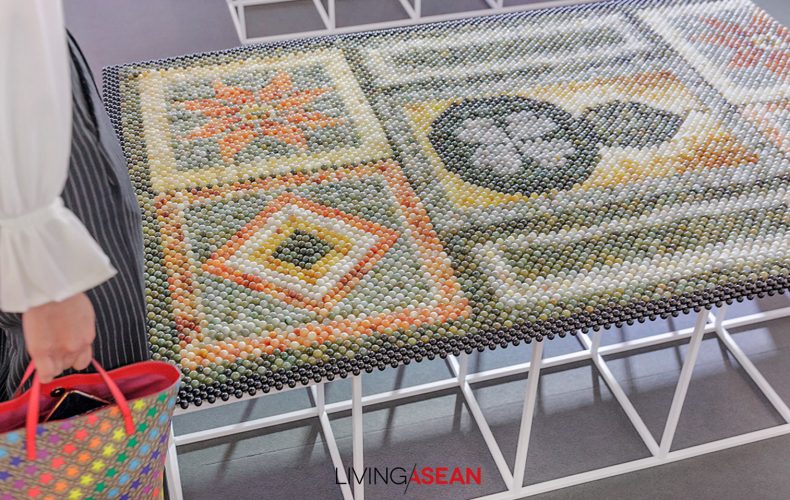
Aficionados of jade shouldn’t miss a handicraft exhibition that’s taking place now at Siam Paragon. The focal point of the show is a beautifully handcrafted jade mat made of about 27,000 green stone beads. The exhibition known as “Design Nation” is happening until November 17.
The jade mat on display is designed by Panitsara Hongthanadecho and made by a team of highly skilled craftswomen from Myawaddi, Myanmar. The green stone is believed to have the power of giving delight and arousing admiration. It’s in demand for its spiritual and healing properties relating to traditional Chinese art and culture.
The 67-year-old designer is a Thai of Chinese descent, who grows sentimentally attached to everything jade. It’s easy to perceive the meaning of the green stone when she included a jade mat similar to the one on display among funeral objects for her mother recently.
She said that the green ornamental stone was believed to have positive energy. In ancient times, emperors and members of the Chinese nobility aspired to sleep in a bed filled with green stone beads threaded together to perfectly fit the bedstead, on which the mattress was placed.
Panitsara could still recall promising her Mom a jade beads mat ten years back. She searched and found a big block of jade, bought it in an auction, and had it cut to size. She received about 27,000 stone cubes, each measuring 10 millimeters.
She had them machined continuously for two days to achieve perfectly polished round stone beads. After that, they were threaded together. And the final outcome is beautiful beyond words, thanks to a team of highly skilled craftswomen she hired from Myawaddi, Myanmar, which is located across the river from Mae Sod District in Tak. As promised, she included the jade mat among other funeral objects for her Mom after she passed.
That’s just one of many interesting items on show now at Design Nation, on the second floor of Siam Paragon. The event is rich in exhibits from several countries including the Philippines, Italy, and those created right here in Thailand.
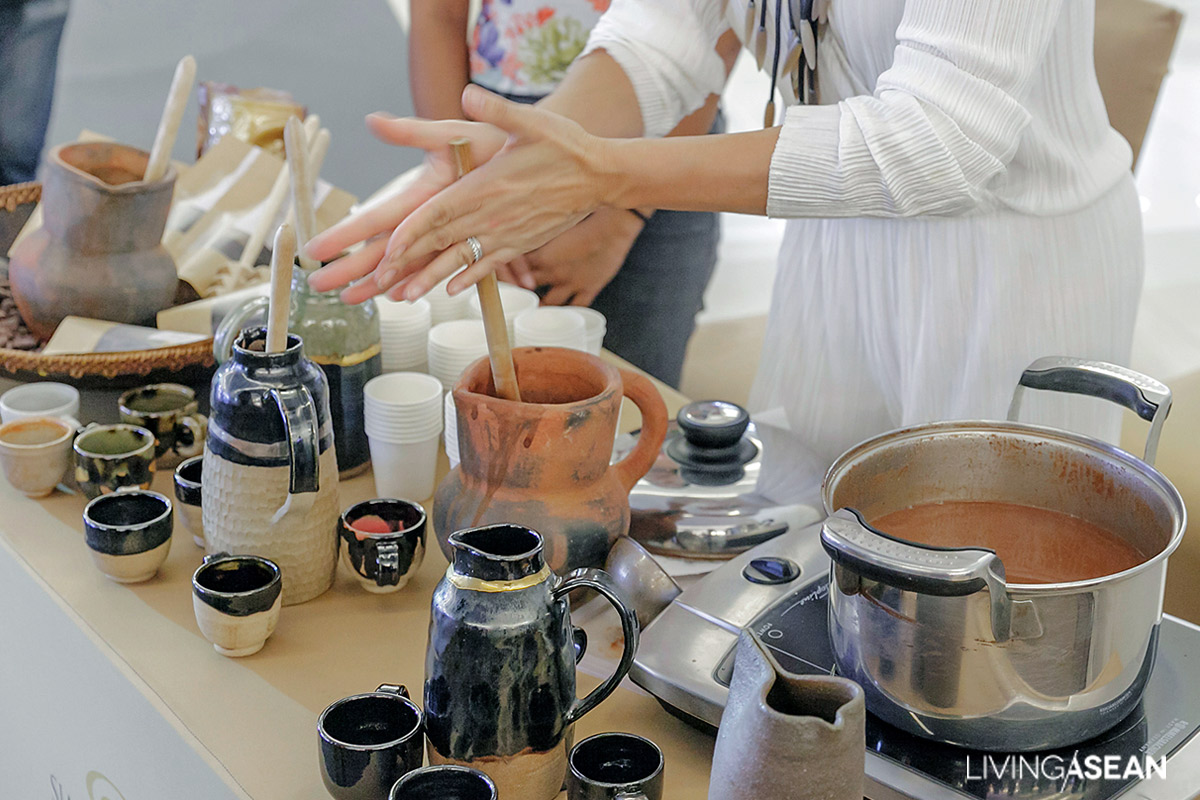
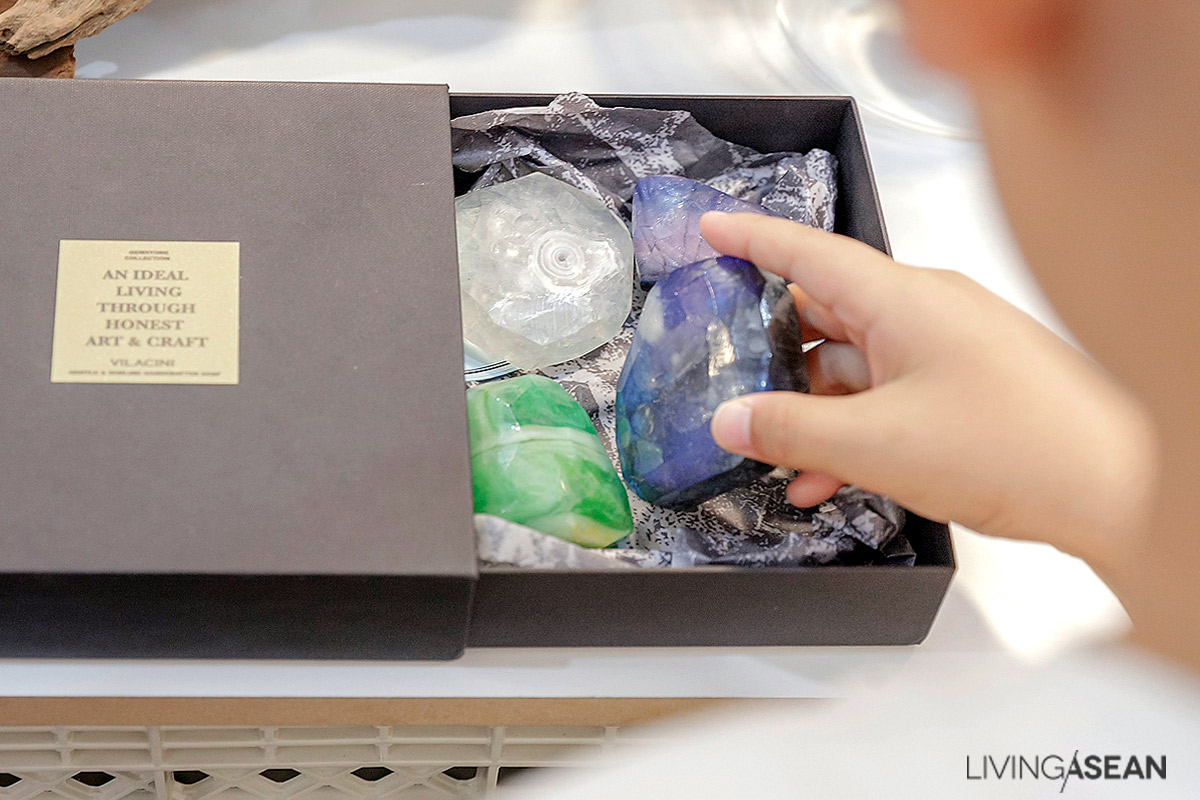
A display booth by Artisanal Philippines. Here, Philippine-style cocoa drinks are made fresh the old fashioned way every day.Design Nation exhibition at Siam ParagonA soap crafted to resemble a marble by Vilacini, available at Design Nation Market
Whilst there, drop by the design market and attend workshops and seminars hosted by the Bangkok Art and Culture Center, Lido Connect, Siam Center, Siam Discovery Center, and Siam Paragon.
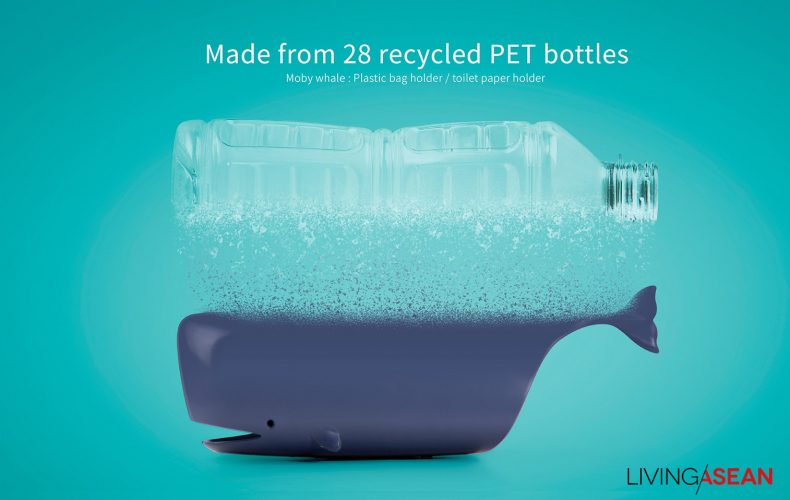
Who would have thought it! Discarded plastic bottles and jars could transform into cute whale-shaped napkin box covers. Not to mention water-saving glass drying trays for the kitchen. Plenty of fantastic ideas for modern home décor and accessories to make sure everything is organized and in place!
/// Thailand ///
Stoty: Samutcha Viraporn, Photo: Press
Disposable plastic bottles become trash after a single use. In the manufacturing process, some of them are discarded without seeing the light of day. The good news. Designers have come up with ingenious ideas to turn waste into products of better quality and higher value than the original. And the sky’s the limit.
Many transparent plastic bottles are made from a type of plastic called polyethylene terephthalate, or PET. What we don’t see is the plastic packaging that doesn’t make it to the shelf. In the manufacturing process, bottle samples are taken out and evaluated. By law, the plastic packaging that fails quality control testing cannot be recycled into bottles and jars again. So they become raw materials to make different types of goods instead.
The Qualy manufacturer brand, in collaboration with the beverage company Ichitan, is able to breathe new life into unusable industrial waste, turning it into reusable raw materials. Its main forte lies in design capabilities that turn unwanted materials into upcycled products that meet the higher expectations of modern customers.
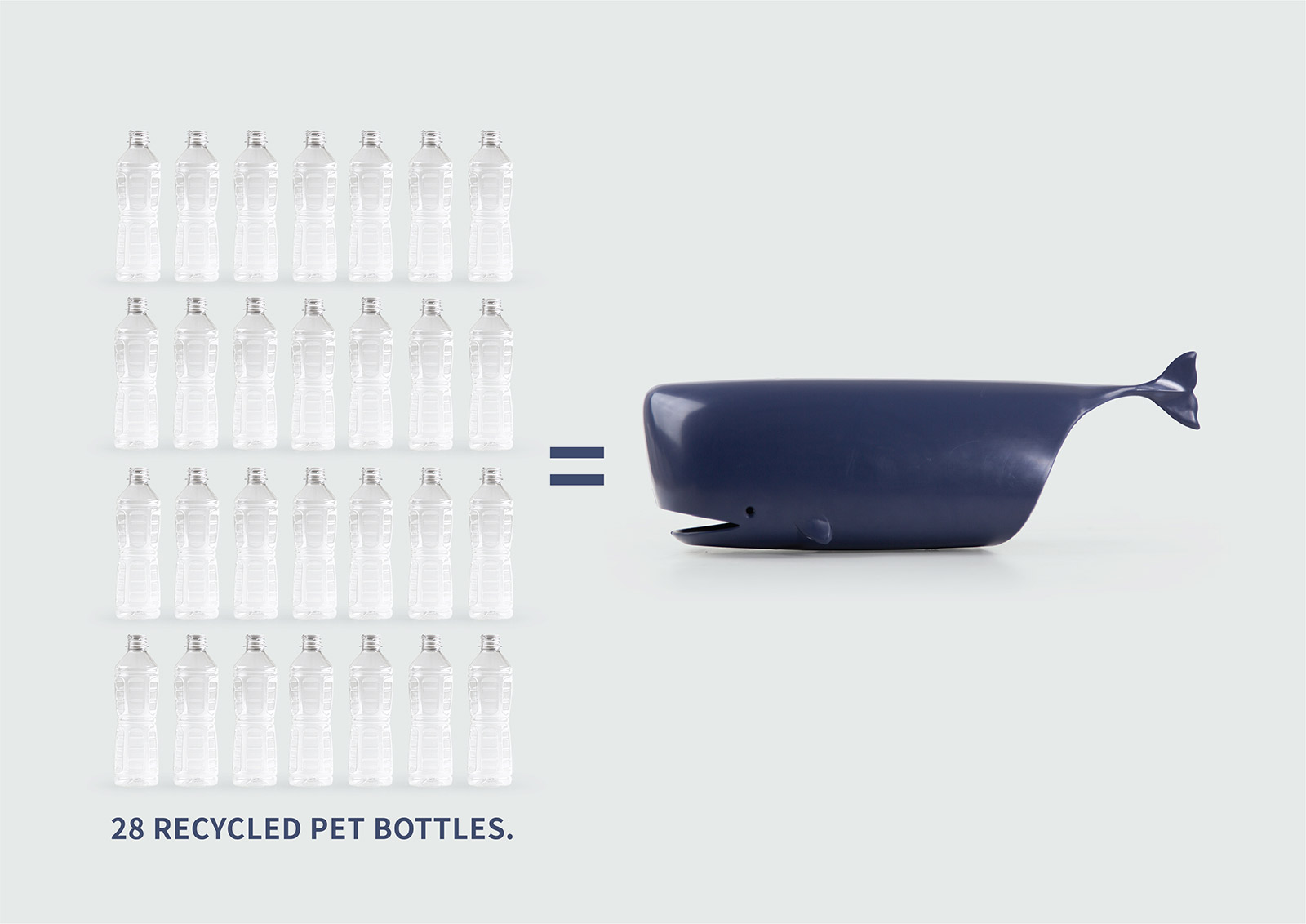
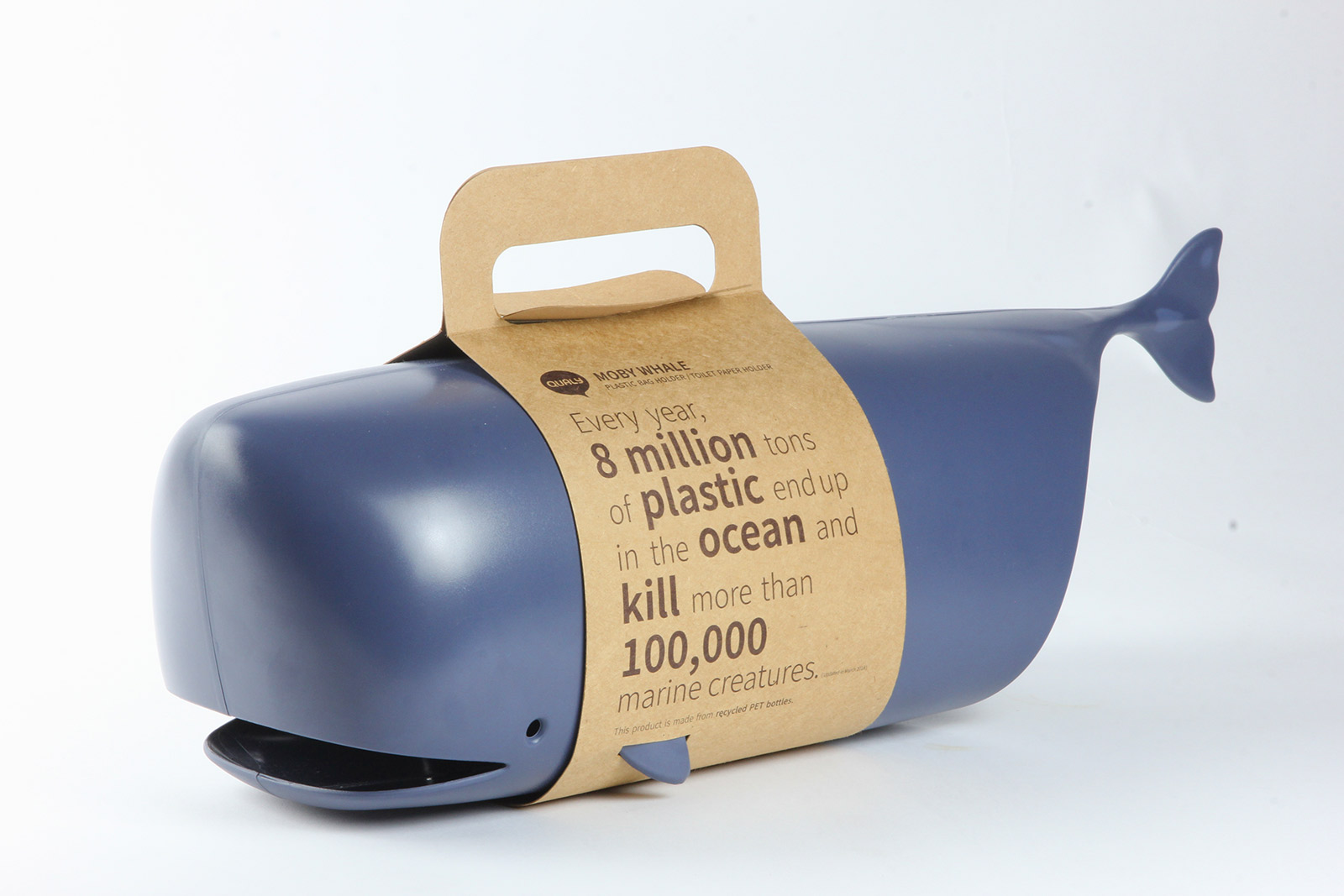
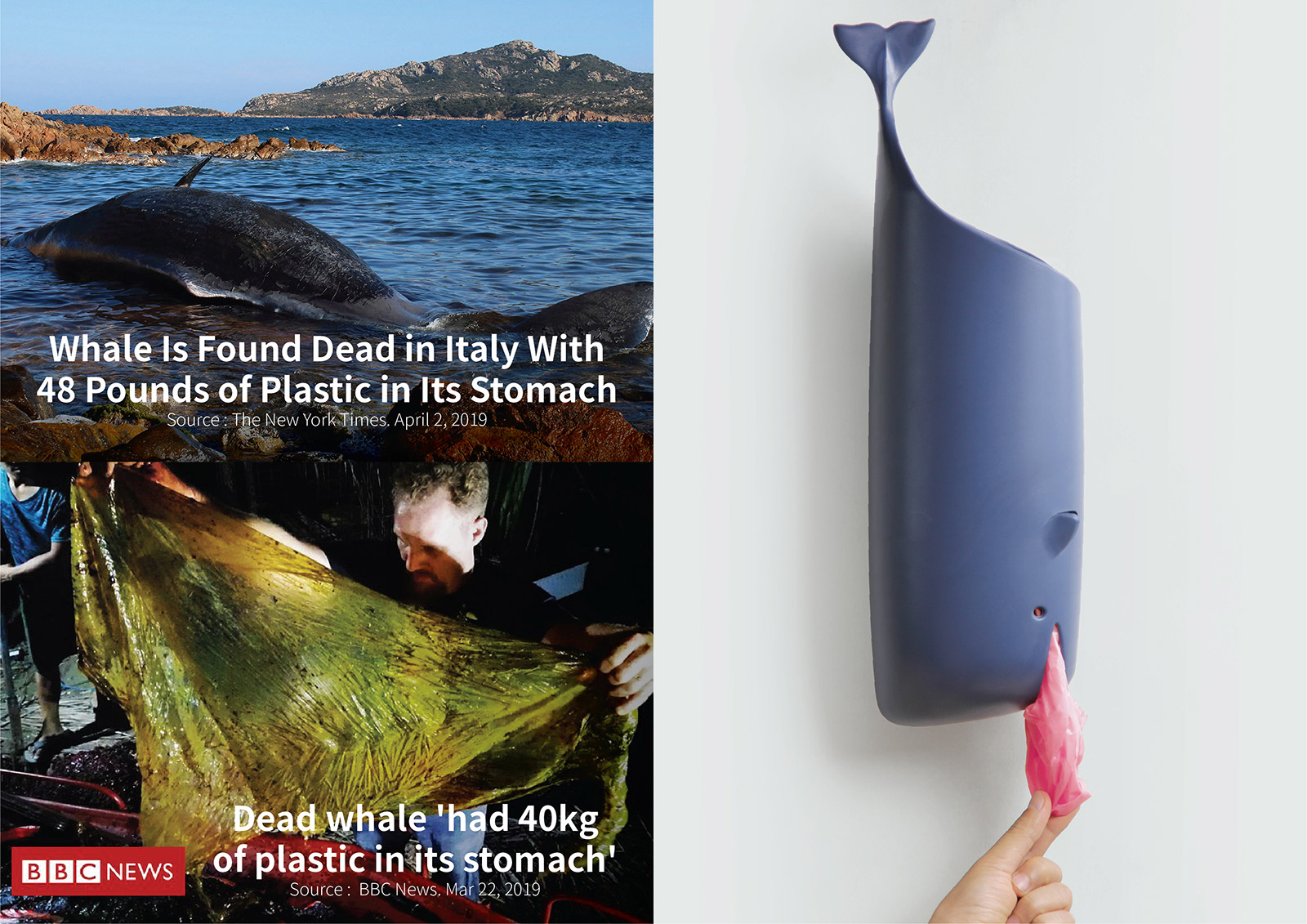
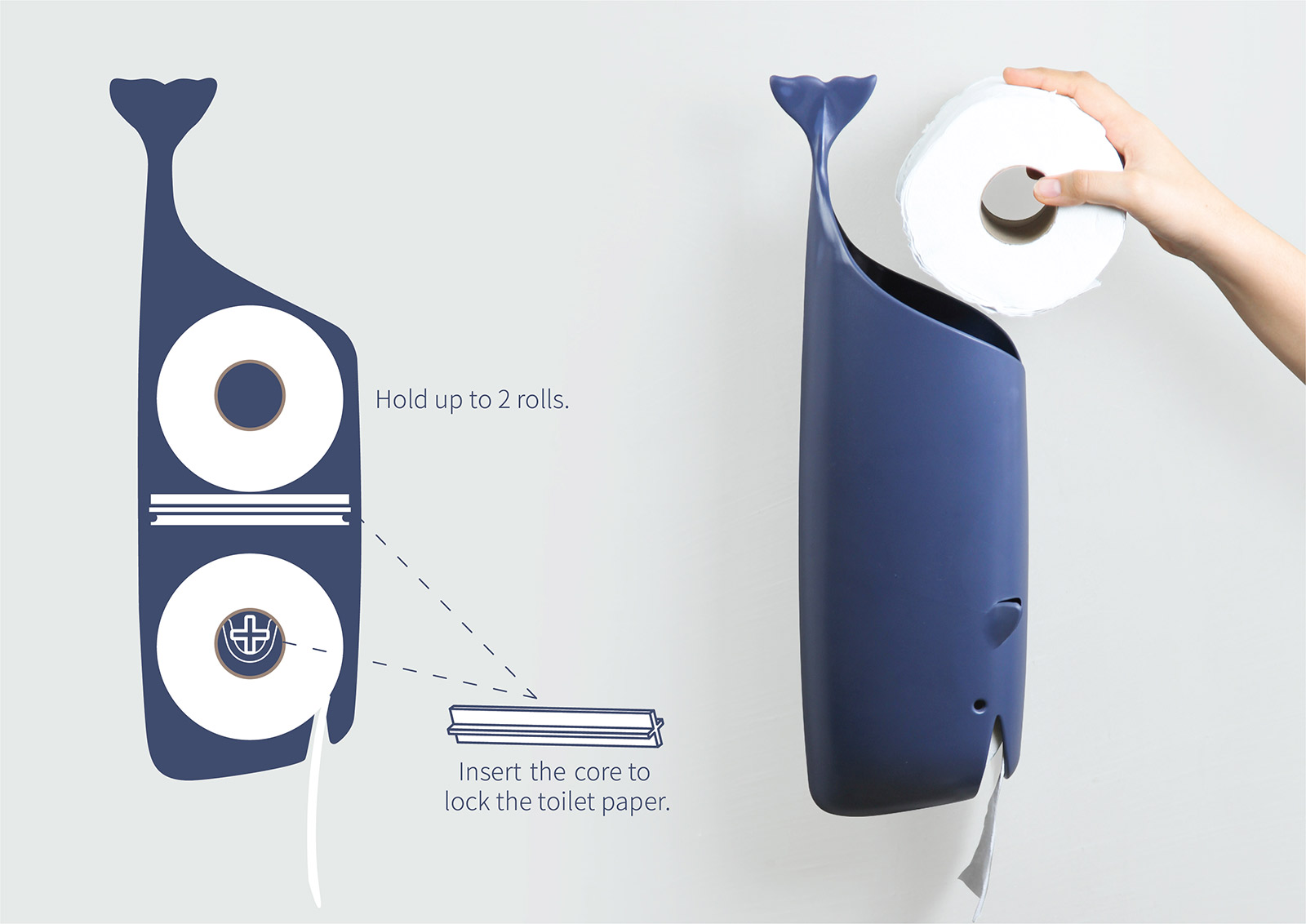
Its expert skill in recycling earns it a reputation for creative new products for a chic home update. One of them is the cute whale-shaped napkin box cover called “Moby” that takes 28 recycled plastic bottles to make. It takes pride of place in the bathroom, or serves as a reusable plastic bag holder for the kitchen. Anyway only biodegradable plastic bags are recommended. The design is stimulated by whales that have died from plastic waste in their stomach. It’s the tip of the iceberg that reminds us all to use less plastic to protect the environment.
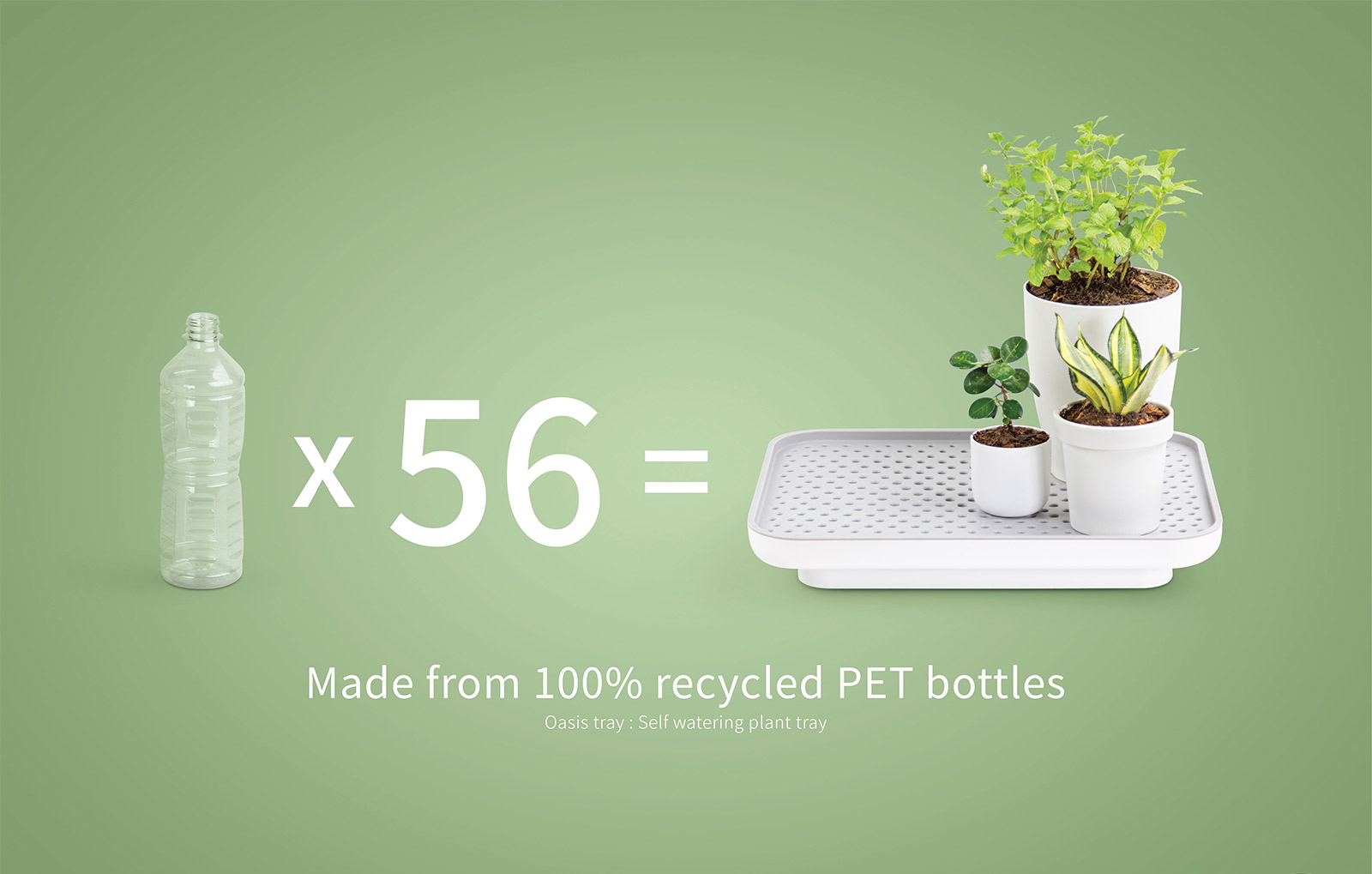
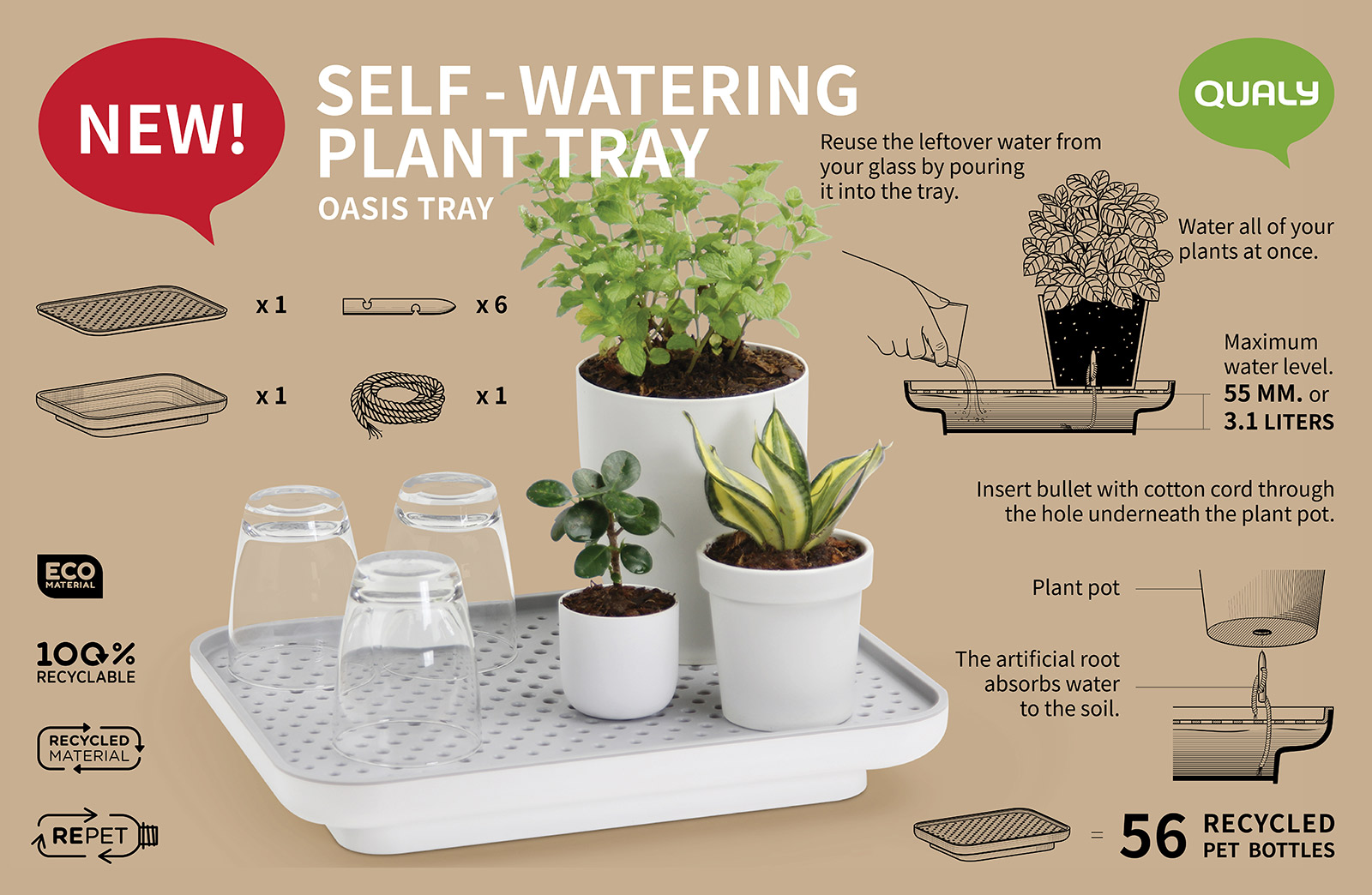
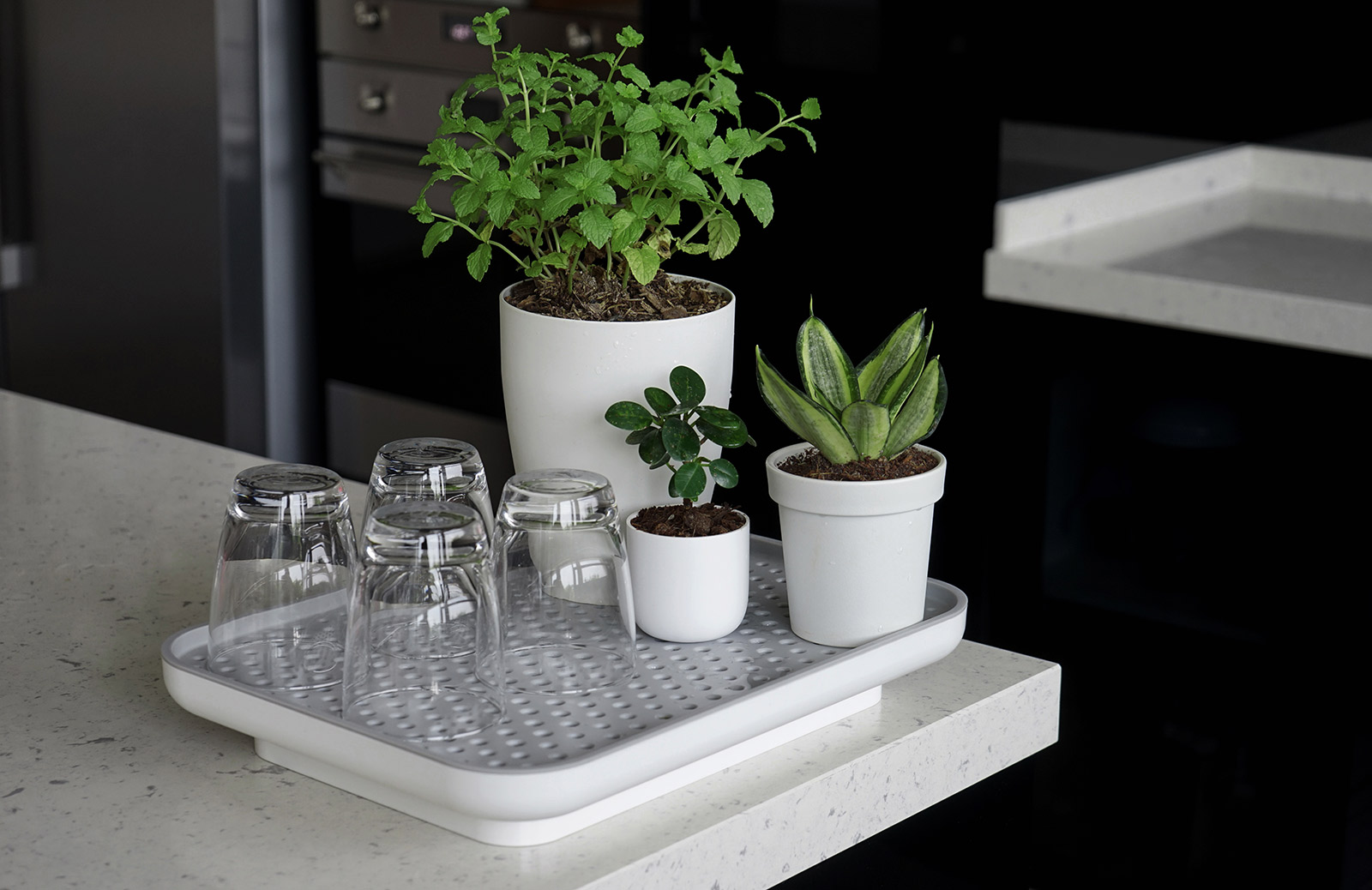
Also worthy of attention is the aptly named “Oasis Tray”, a drinking glass drying rack made from 56 recycled plastic bottles. It doubles as an irrigation system that supplies small amounts of water to houseplants.
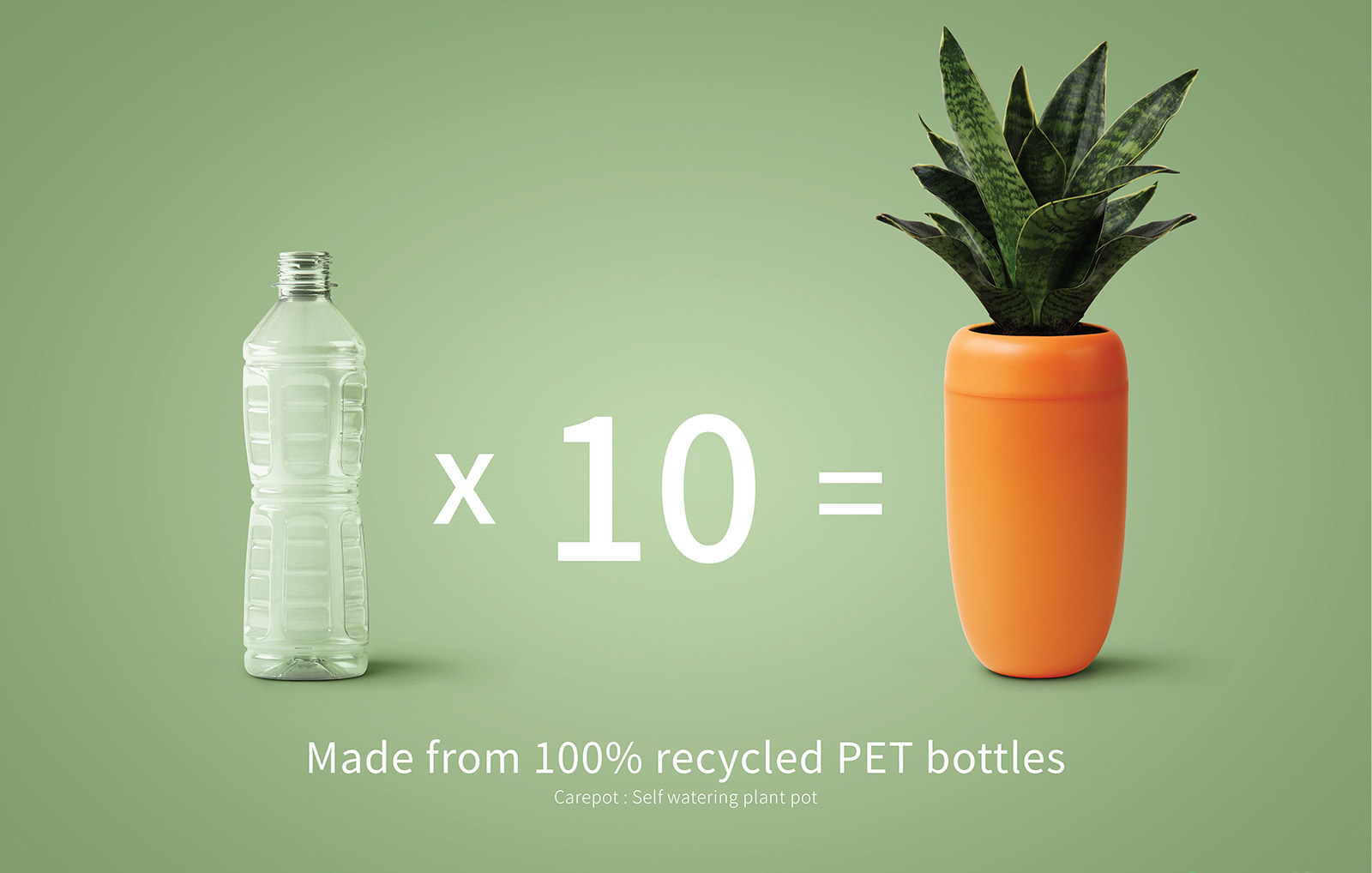
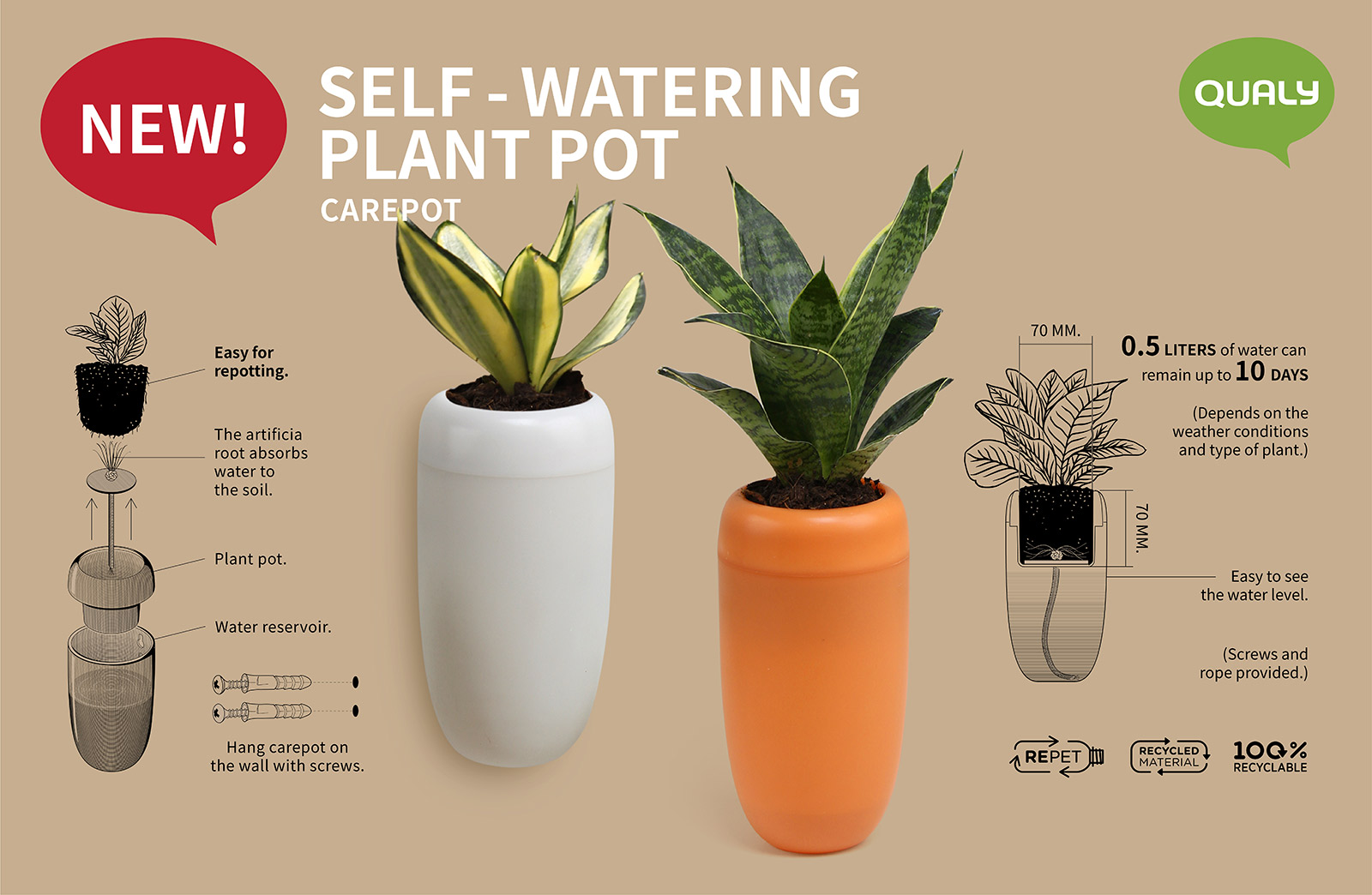
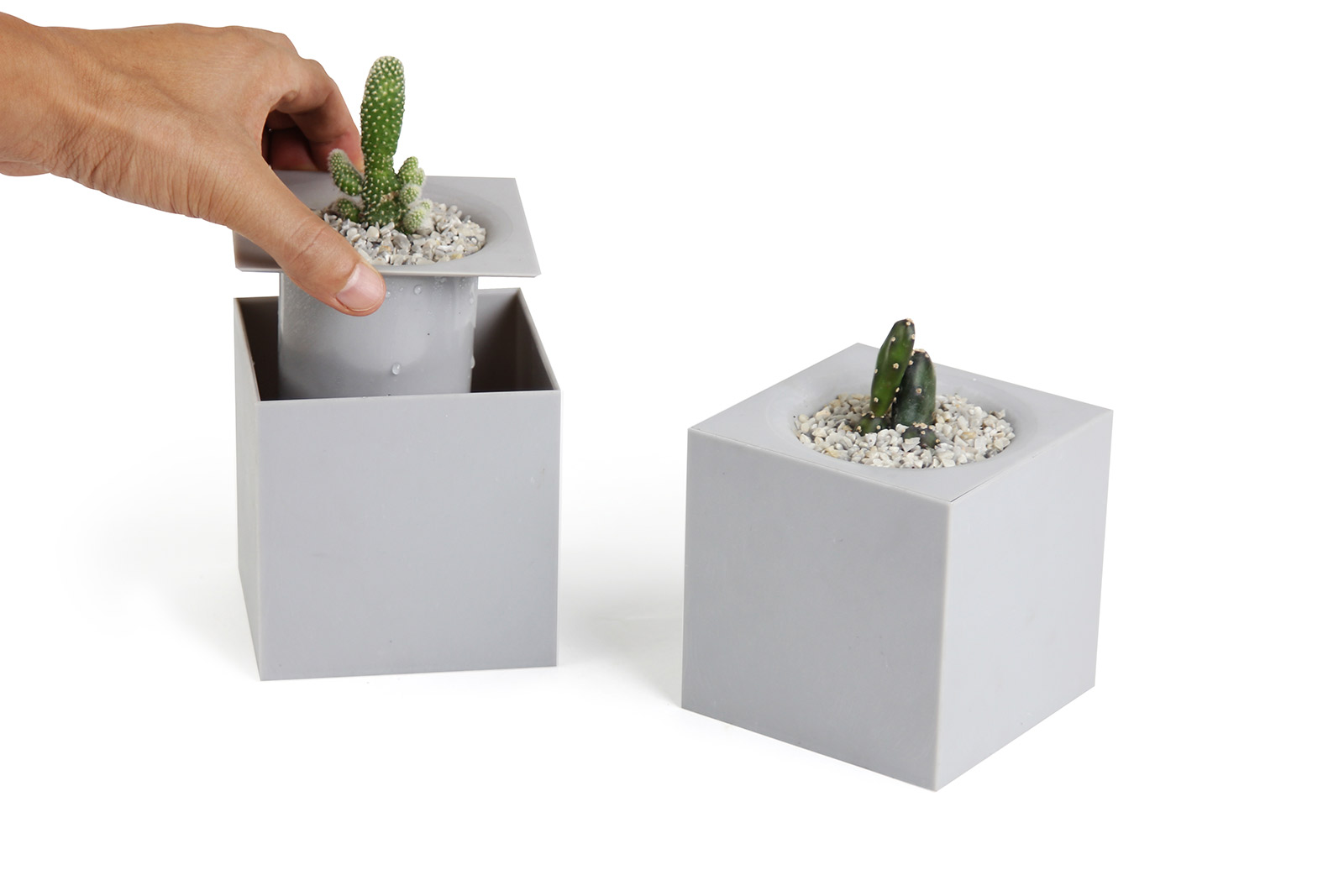
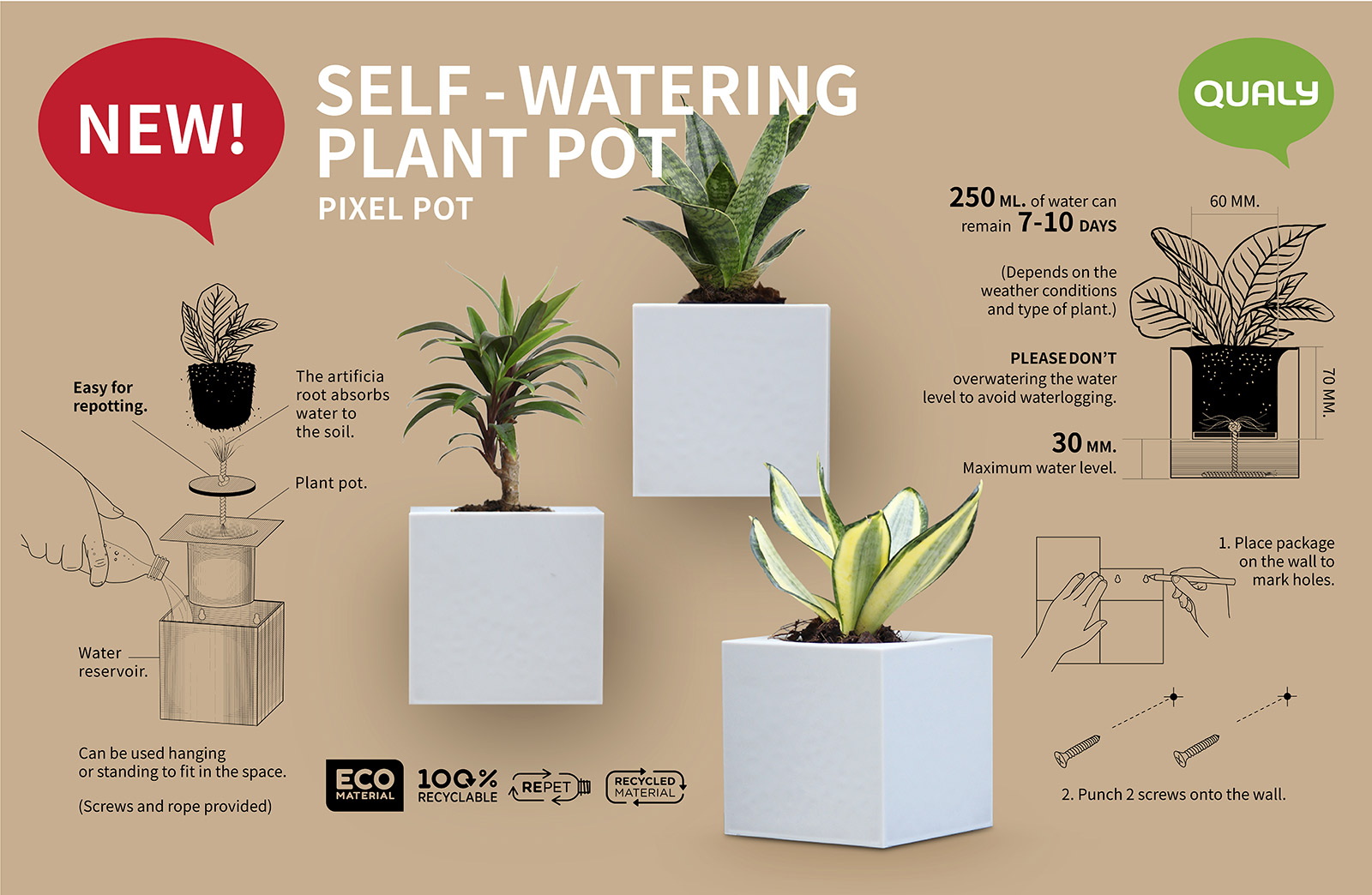
Other interesting products include a beautiful array of indoor planters, each made from about 8 to 10 recycled PET bottles. Not to mention greenhouse supplies and cute containers designed to encourage people to start growing for a better, healthier home environment.
Together, they convey a rich and subtle message. Reduce plastic waste now, or turn it into new materials for creative reuse. After all, we still have plenty of discarded PET plastic packaging to deal with.
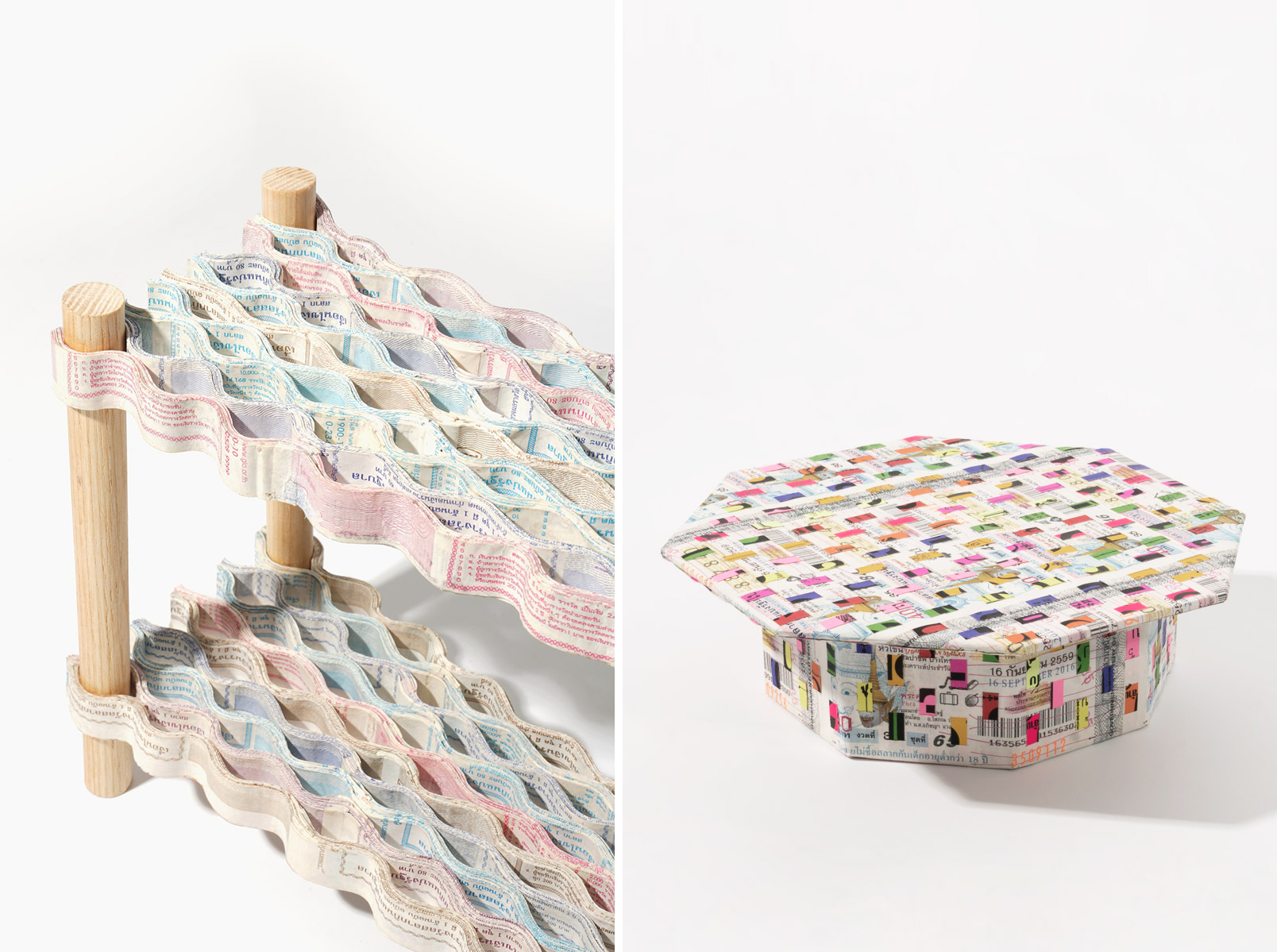
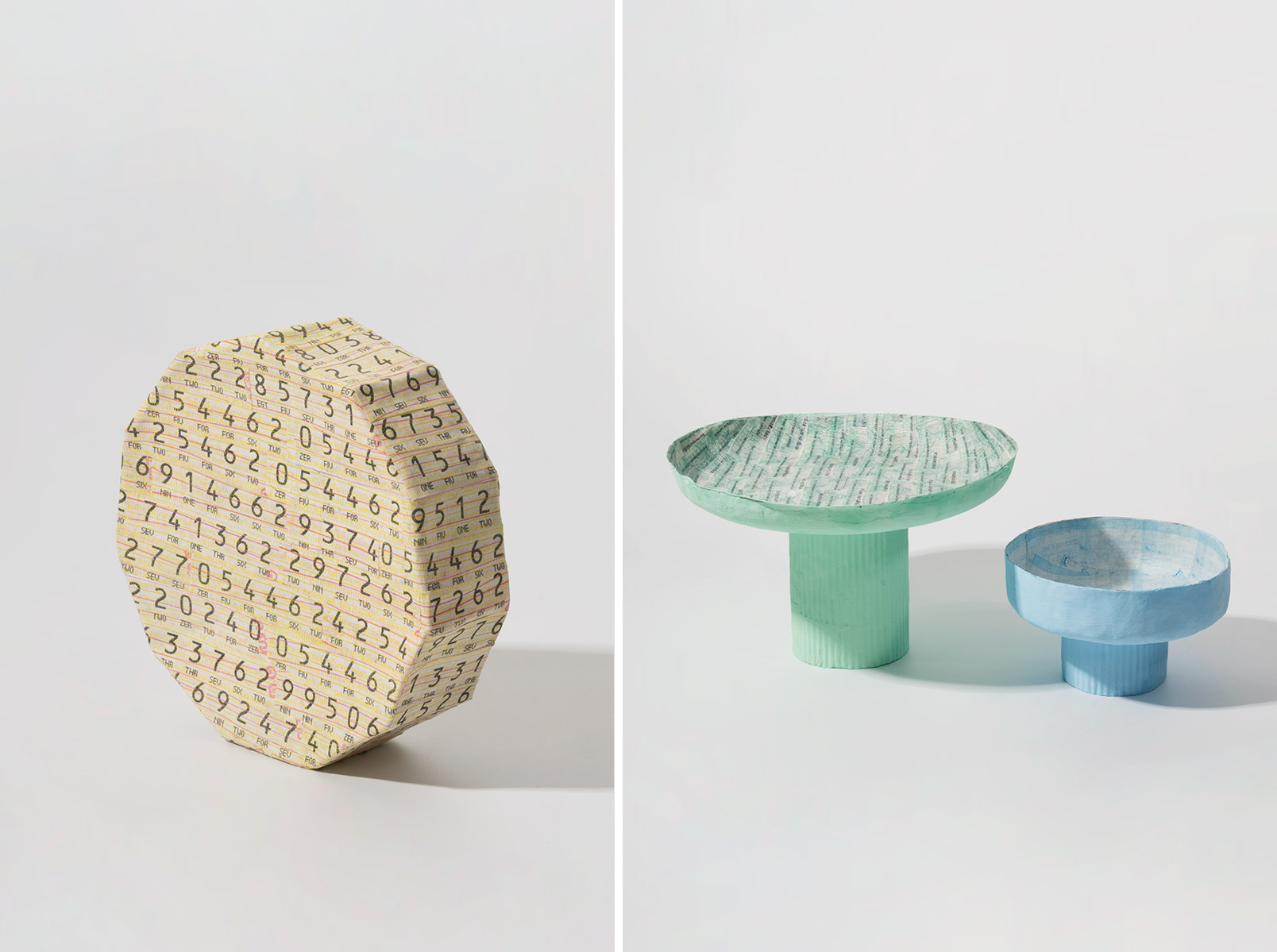
The Bangkok Design Week that ended February 3 was a confluence of many great ideas, among them products of a collaboration between two homegrown designer groups, Thinkk Studio, and Studio 150. Their waste recycling ideas shone with excitement at a show called “City Materials”.
/// Thailand ///
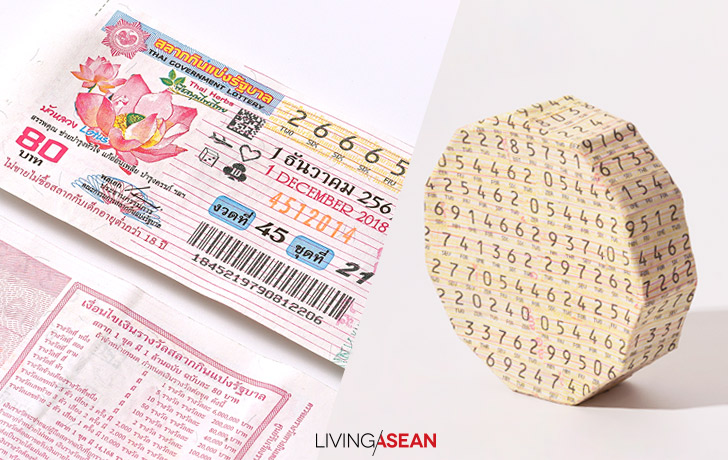
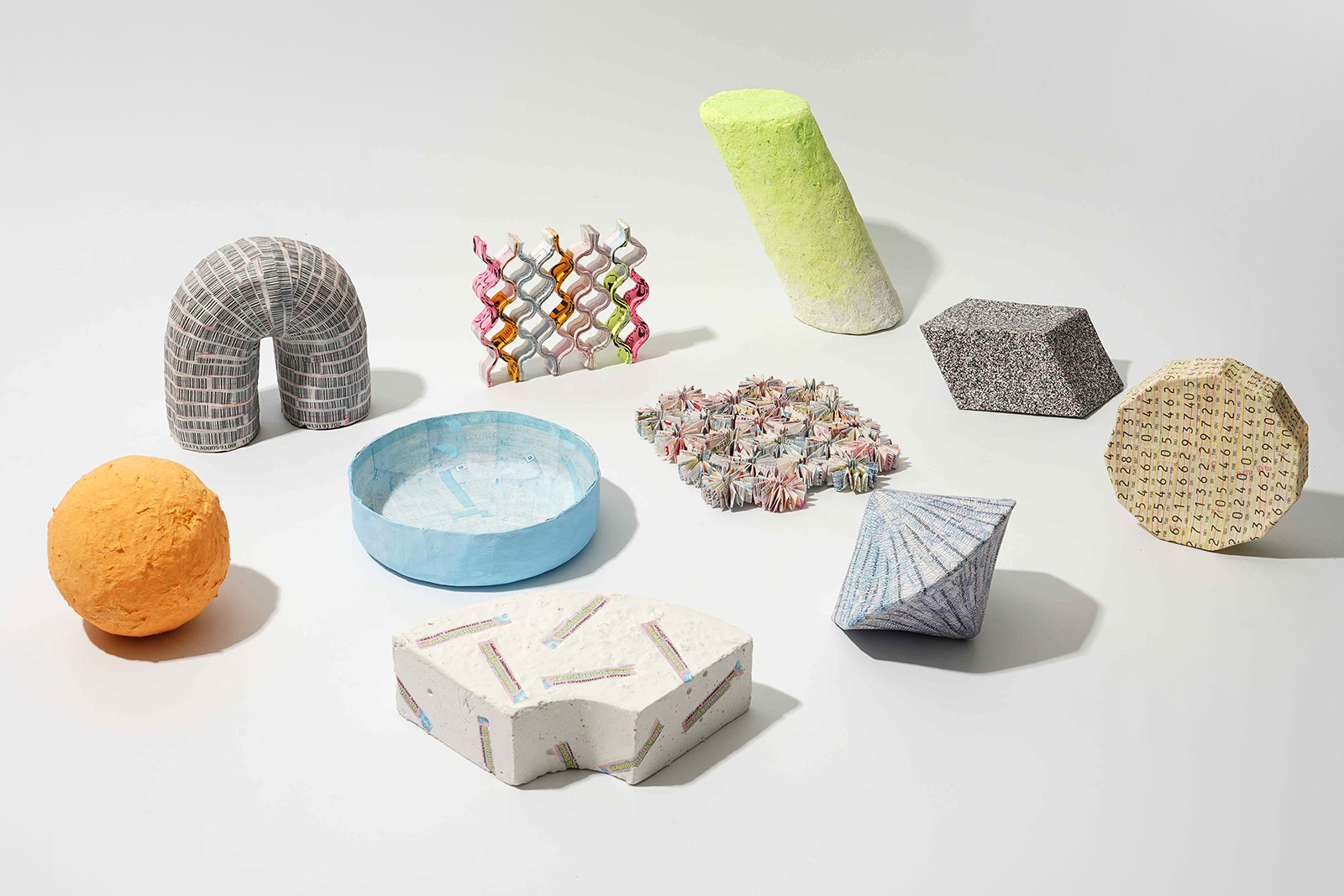
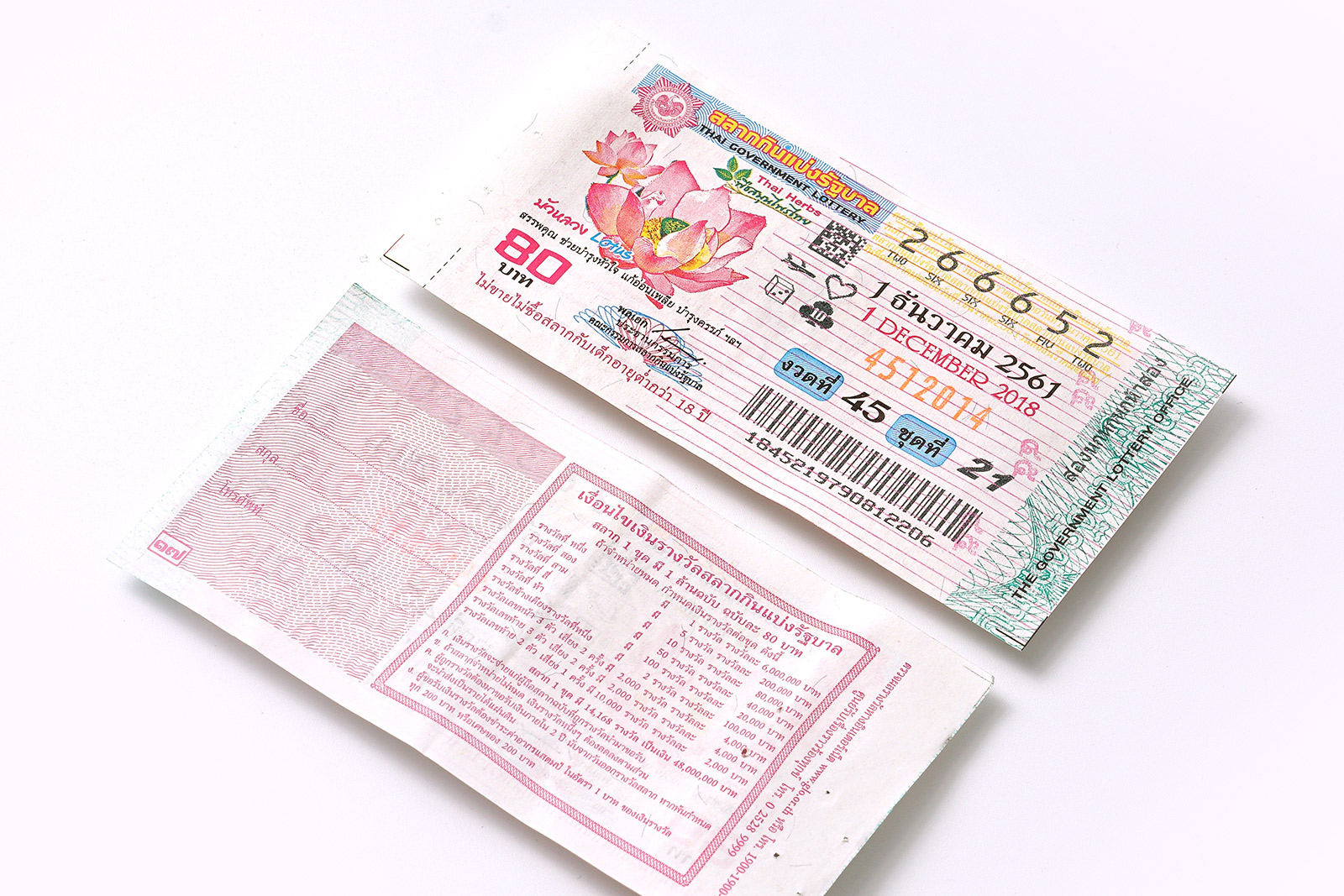
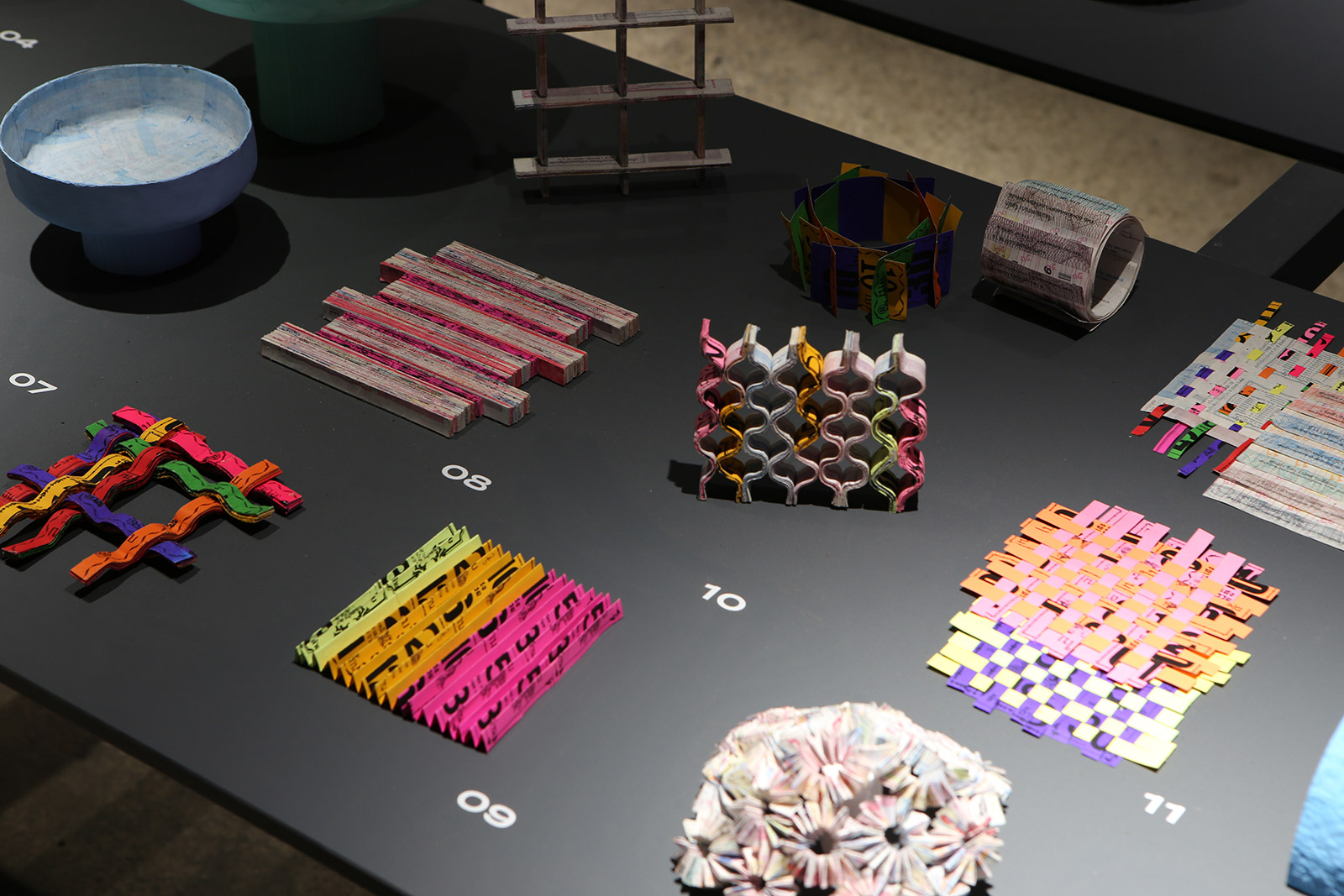
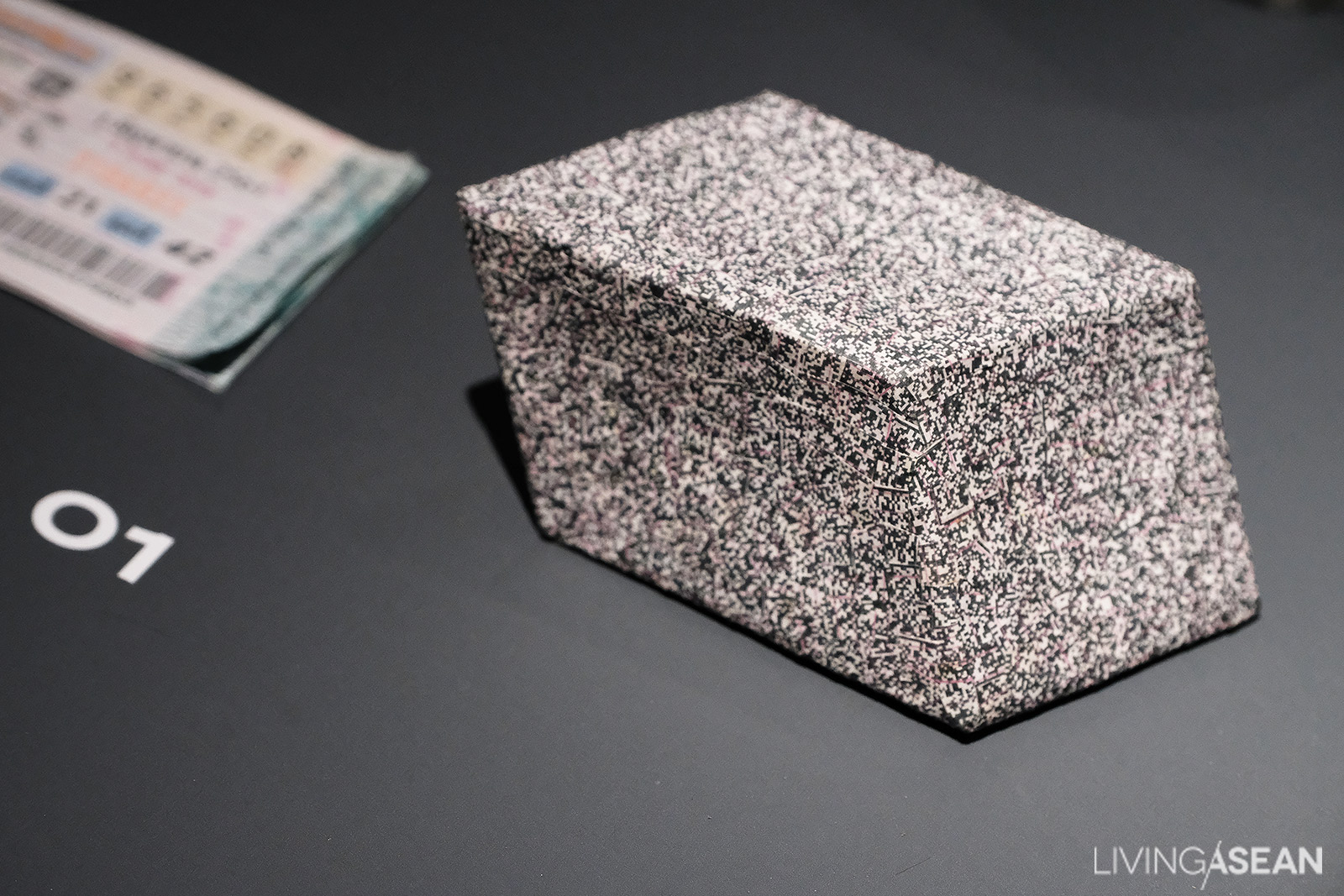
A variety of interlacing designs made from strips of lottery paper waste.Thailand lottery tickets
The seat of government of Thailand, Bangkok is renowned for being a regional trade and economic hub, as well as home to many established and up-and-coming designers. Much of the large, densely populated city is not covered with forest. Nor does it have a wonderful richness of industrial materials. But, do you know this?
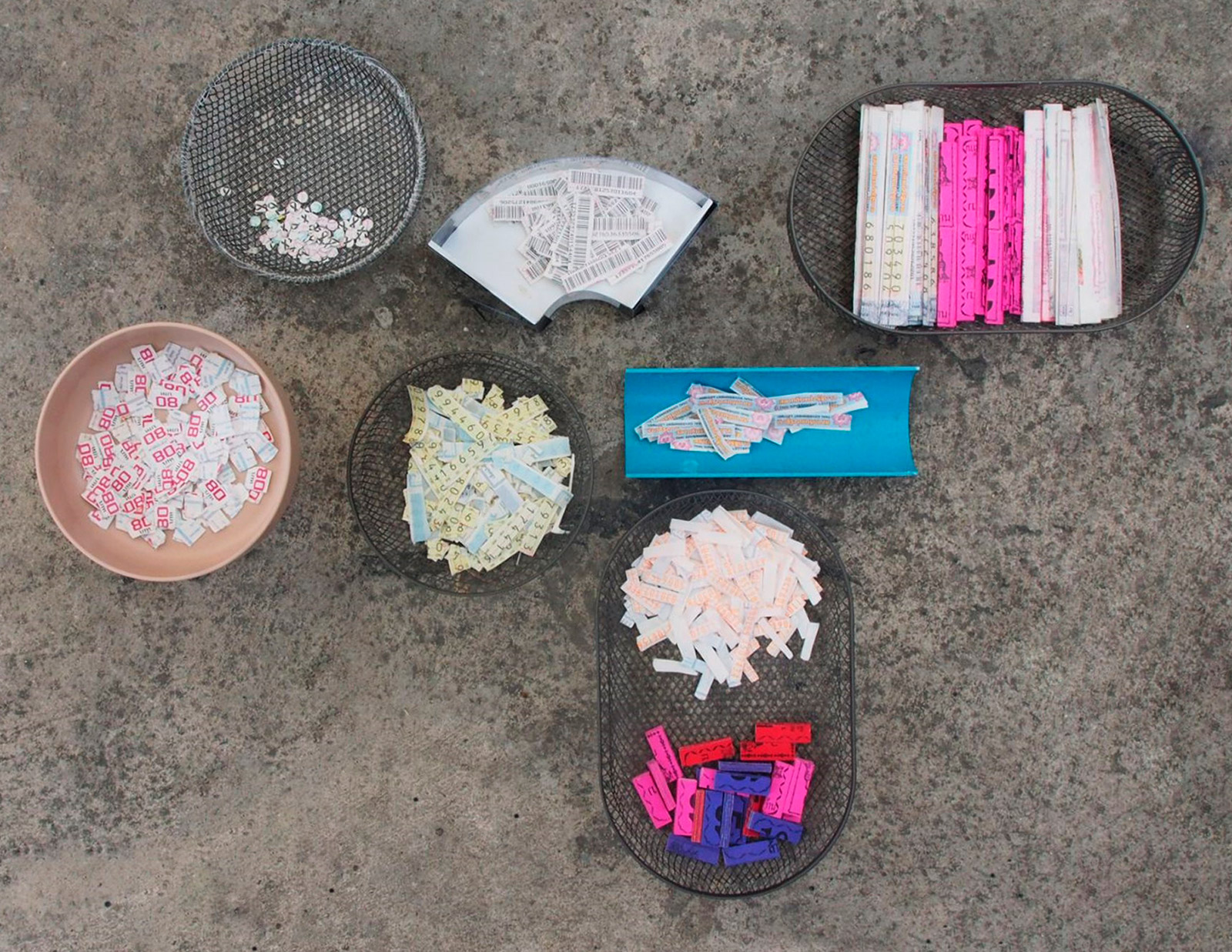
Every fifteen days, the number of lottery tickets and packaging material printed in Bangkok is enough to cover 173 football fields. Of that amount, a whopping 98.6% accounted for the tickets that didn’t win. Not only that, lottery tickets are printed on special grade, water-repellent paper that doesn’t break down easily. All things considered, that’s a whale of a job for paper recyclability.
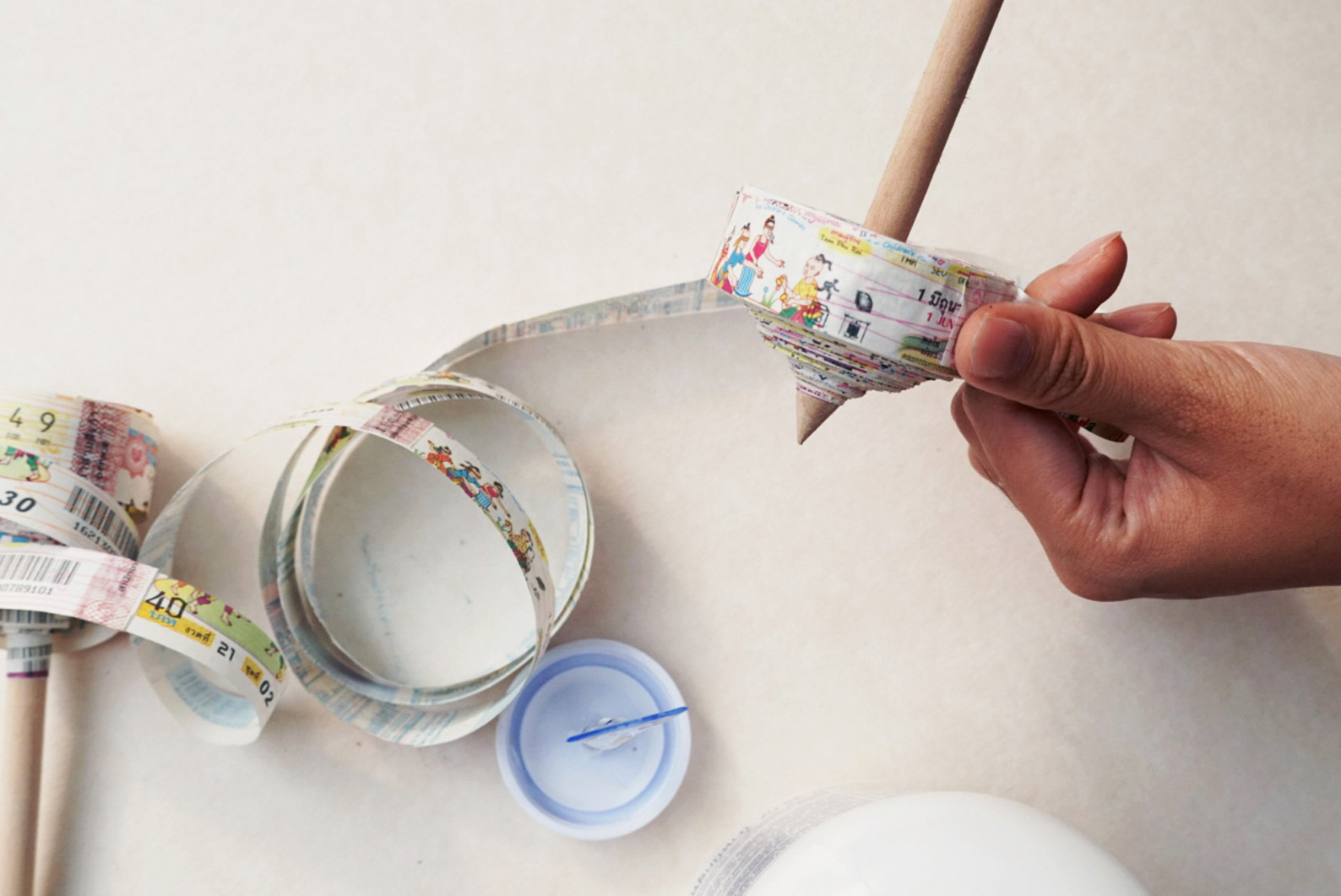
A spinning toy for kids, the top, is made of a bundle of lottery paper strip.
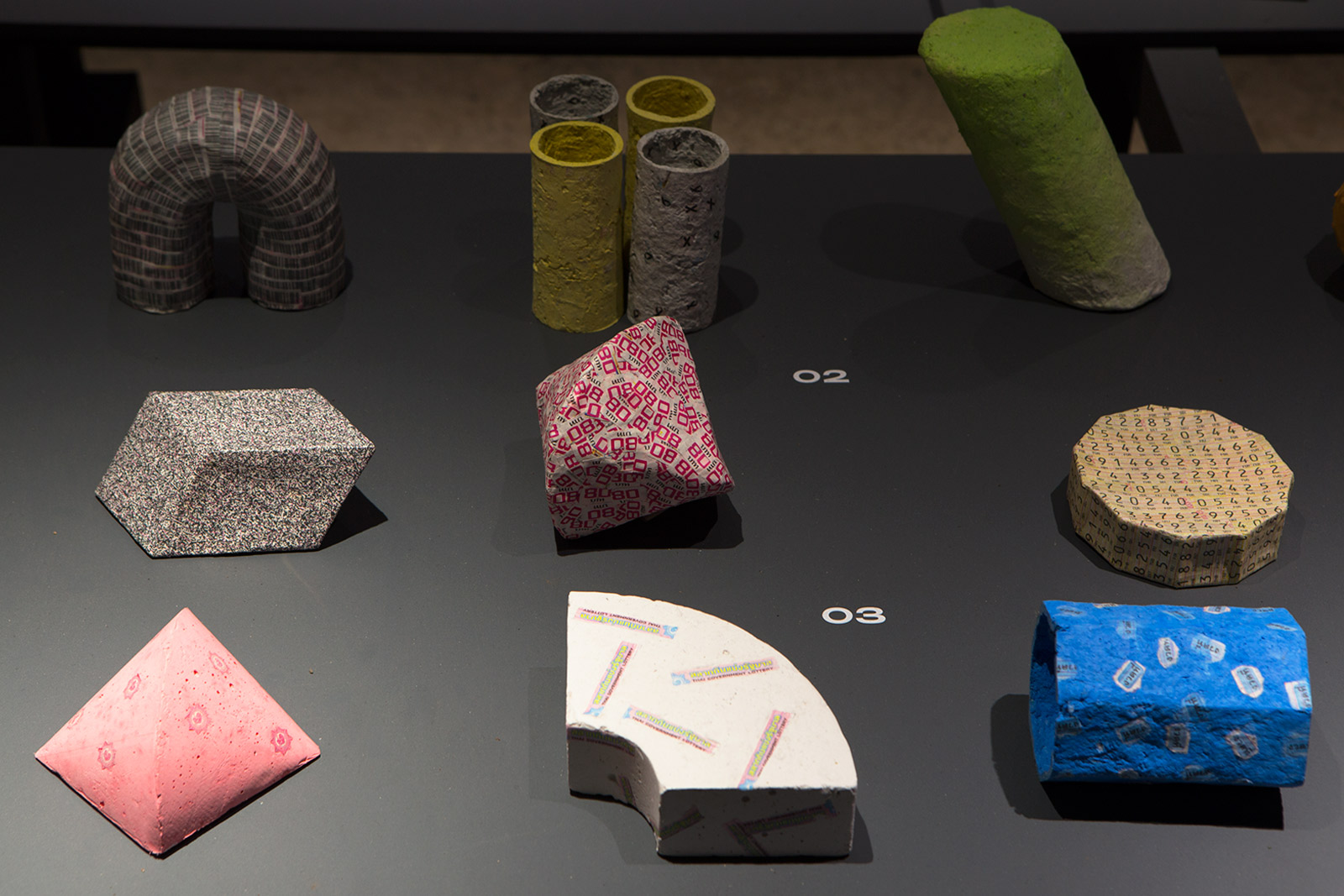
Where most would see useless waste materials, the two designer groups see endless possibilities. Thinkk Studio creatives, in association with their design peers at Studio 150, have researched and experimented with lottery paper waste for some time. They succeeded in recycling it in ways that could answer specific design, art and craft and industrial needs in future.
“City Materials” showcased five materials the joint team has recycled from wood chips, plastic bags, incense sticks and ashes, coffee grounds, and discarded building supplies sold for scrap. For a glimpse into their design ideas.
A collection of papier-mache constructed out of QR Code sections of the lottery tickets. The malleable mixture, three-dimensional object becomes hard when dry.
You may also like…
DEMARK AWARD 2018 / DESIGN EXCELLENCE AWARDPICTURES THAT TELL STORIES: BANGKOK ART BIENNALE 2018 (PHOTO ESSAY)IN NATURE’S PEACEFUL EMBRACE
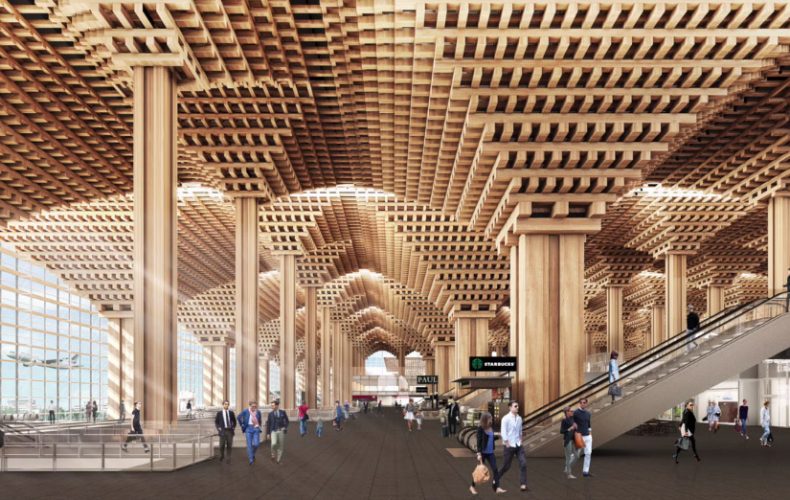
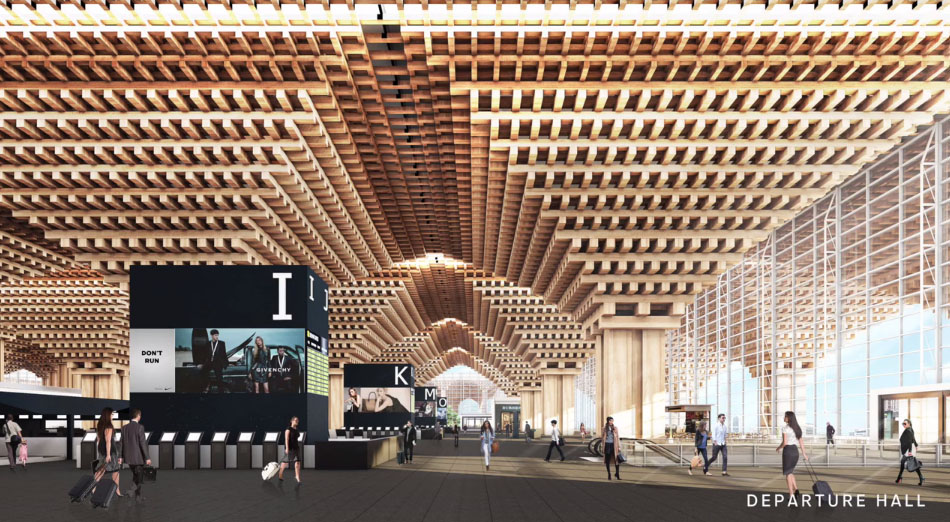
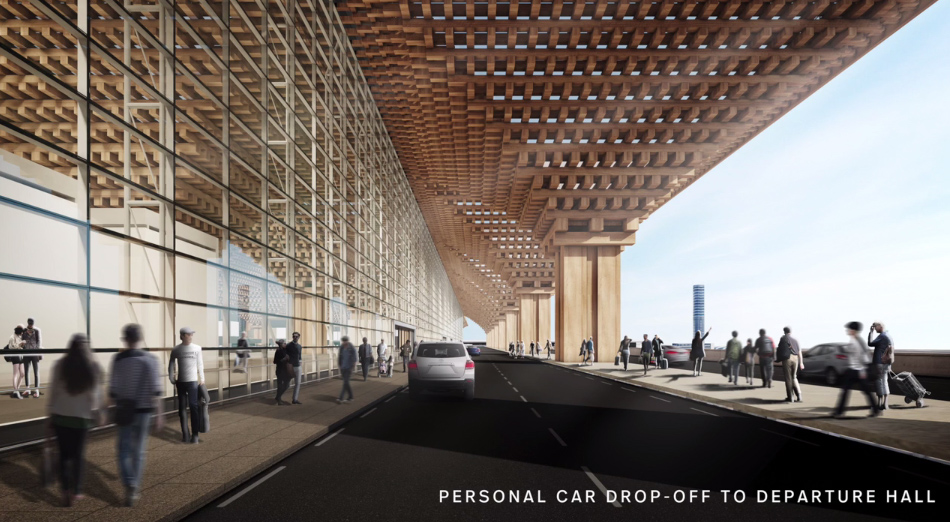
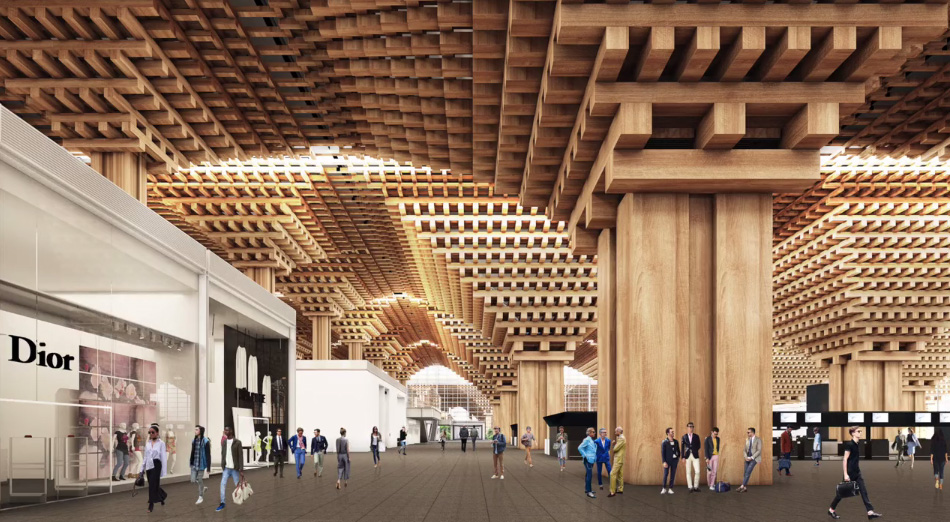
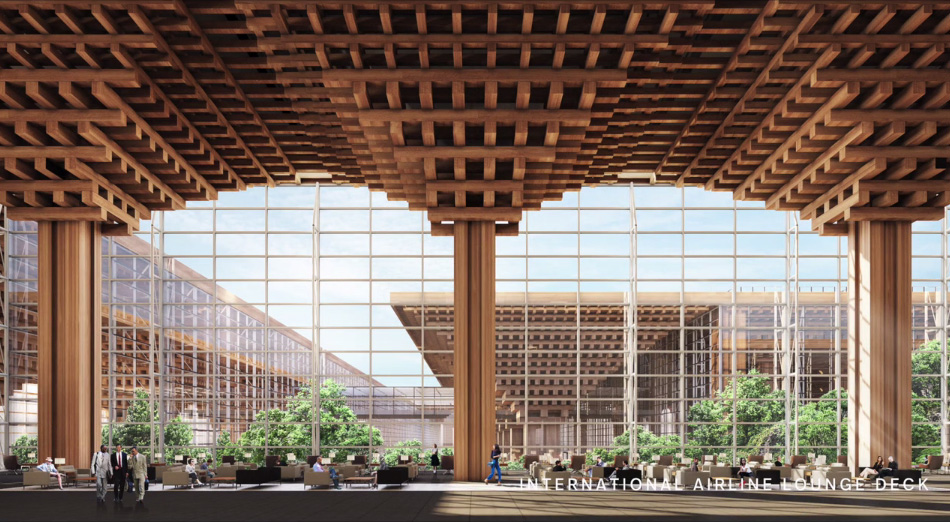
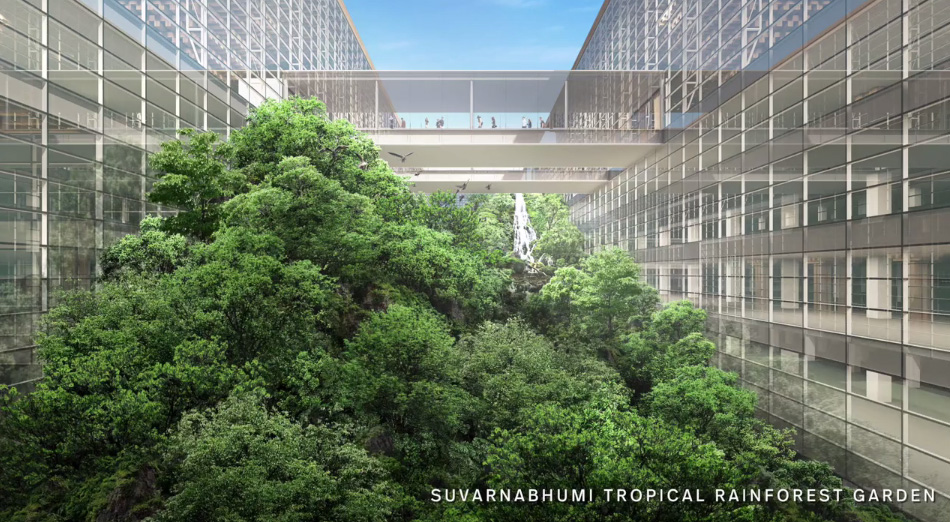
The Airports of Thailand Public Company Limited (AOT) announced on August 22, 2018 that the Duangrit Bunnag Group, aka the DBALP Consortium, has won the Suvarnabhumi Airport Terminal 2 Project design contest.
AOT had previously invited the private sector to make bids for designing the new 35-billion-baht Terminal 2 project. As a result, the first runner-up Duangrit Bunnag Group was declared winner for its design proposal worth an estimated 329 million baht.
DBALP was able to achieve an important triumph after the winning bidder SA Group was disqualified for failing to submit an important document, namely, the original quotation for the cost of work as stipulated in the contract.
The SA Group stood firm that it had never received the original quotation document from AOT, and called for a reconsideration of bid results. It made reference to winning on points for its technical proposal, and that the cost of work it entered for the contest was lower than that stipulated by AOT. Furthermore, the purpose of the original quotation document was only to prevent the competition process being compromised.
Four private sector groups responded to the AOT invitation to compete for design work by means of sealed bids. The first is a consortium of legal persons consisting of DBALP, Nikken Sekkei, EMS, MHPM, and MSA, collectively known as the Duangrit Bunnag Group for short.
The second group is an association of consulting firms made up of the Beaumont Partners Co Ltd, the Index International Group Co Ltd, the Egis-Rail (Thailand) Co Ltd, the CEL Engineers Co Ltd, the CEL Architects and Environments Co Ltd, the Alana Engineering Co Ltd, Egis Avia, and Egis Rail S.A.
The third group is a number of consulting firms composed of the Varda Associates Co Ltd, the Wise Project Consulting Co Ltd, and the Chong Lim Architecture Co Ltd.
Last is the SA Group, a consortium of consulting firms made up of the Span Consultants Co Ltd, the Sign-Tech Engineering Consultants Co Ltd, the Azusa Sekkei Co Ltd, and the Sky Party Co Ltd.
A rendering of Suvarnabhumi Airport Terminal 2 by the DBALP Consortium
As per the August 22, 2018 announcement, the DBALP Consortium is obligated to complete its forest-inspired design on the Suvarnabhumi Airport Terminal 2 project in 10 months’ time. Coming up next is an AOT invitation to bid for the construction phase.
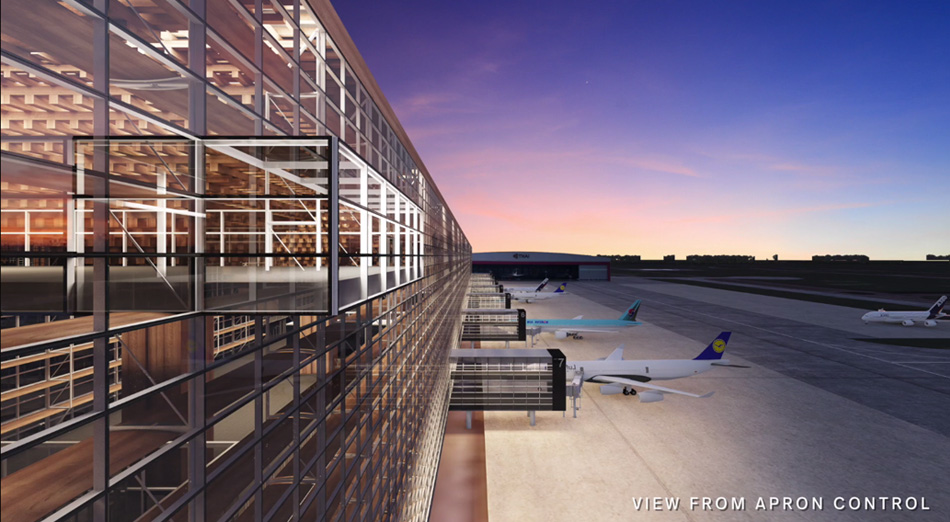
Designed to meet future demands, the new Terminal 2 at Suvarnabhumi Airport will have the ability to receive over 30 million passengers annually — 12 million via domestic flights, and 18 million on board international flights. The building will come complete with 14 airport aprons and parking spaces for 1,000 cars. Construction will take about 30 months to complete. The project is scheduled to be fully functional mid-2021 at the earliest.
A rendering of Suvarnabhumi Airport Terminal 2 by the DBALP Consortium
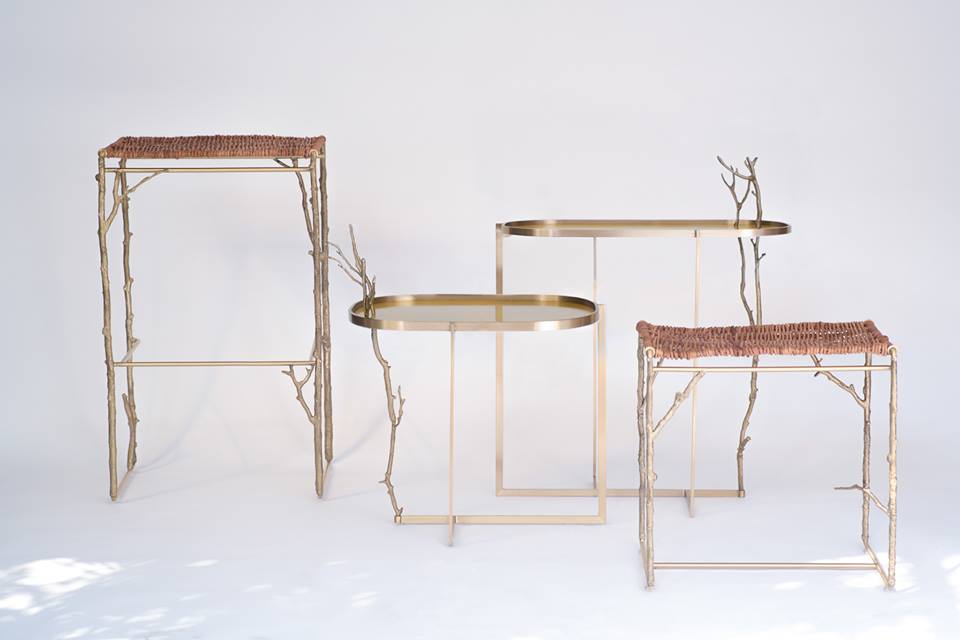
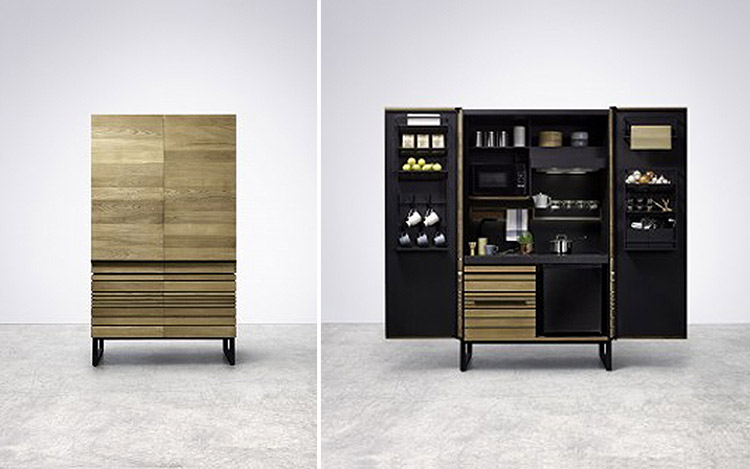
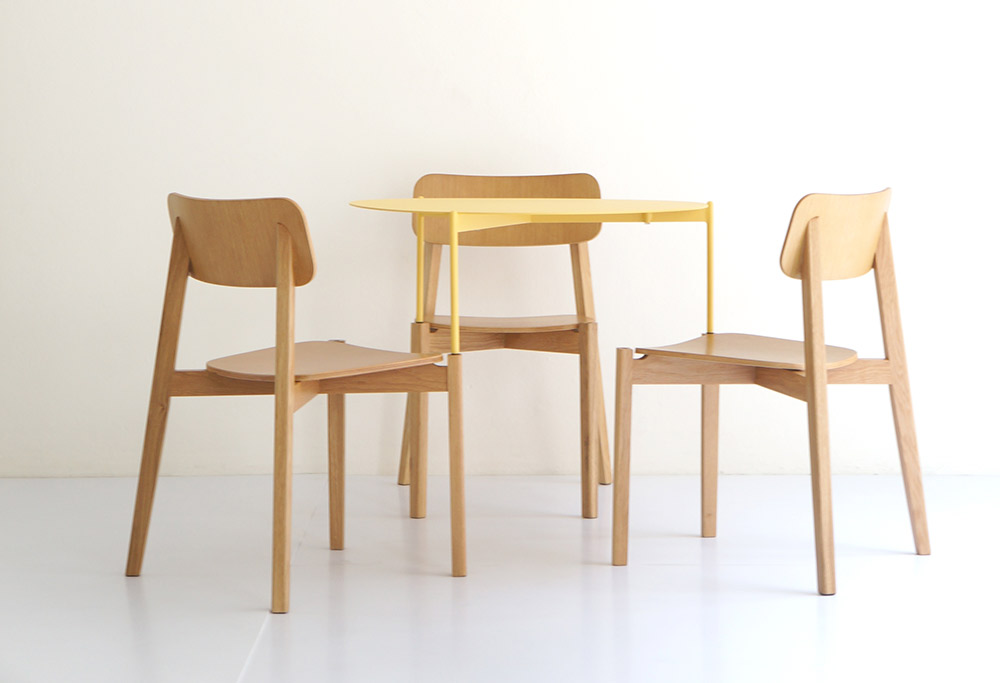
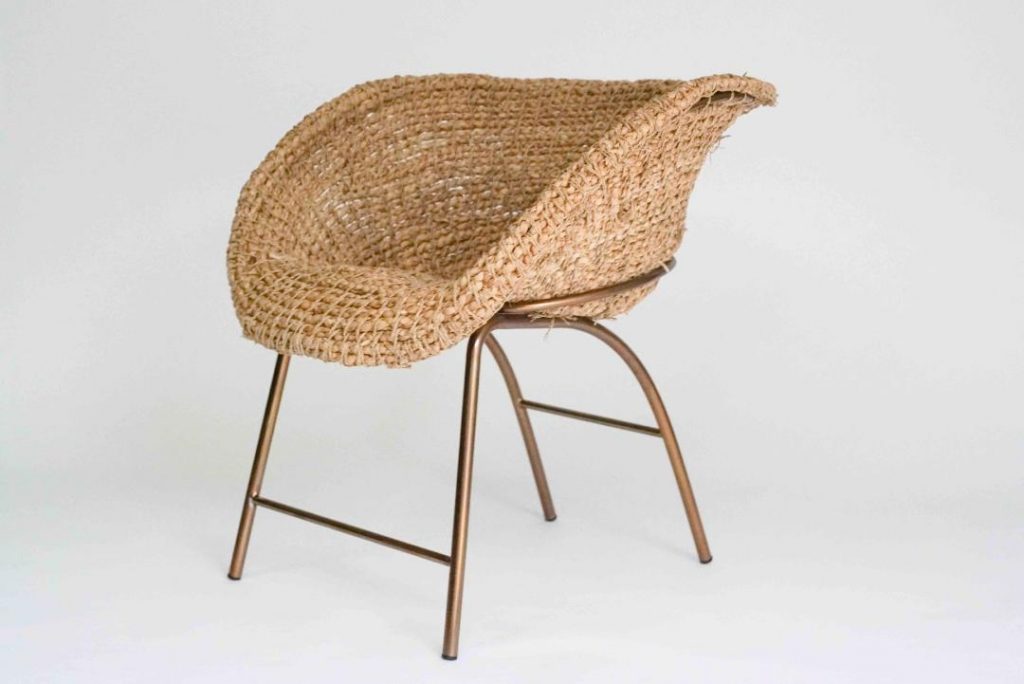
We have the results of this year’s official accolade of design excellence. Eight pieces of furniture have won the coveted DEmark Award for outstanding design for 2018. Among the winners: a water hyacinth chair beautifully crafted on a metal frame, a neatly packed kitchen cabinet, a chair inspired by tea tree topiaries, and a set of chairs that come together as table legs.
/// Thailand ///
Furniture category: “Khing,” a set of stool and table inspired by research on tea tree topiaries, a craft skill that’s slowly disappearing – by the Sumphat Gallery
Every year, the Department of International Trade Promotion (DITP) gives out the Design Excellence Award, DEmark Award for short, as an acknowledgement of outstanding merit by Thai designers from across the country.
The ultimate official accolade seeks to increase direct presence of Thailand’s creative products in the world marketplace. Successful candidates will participate in international trade events, such as the Gmark Award competition in Japan, as well as DITP’s exhibition tours throughout Europe and Asia.
This year’s DEmark Awards were given to eight pieces of furniture for impressive achievements in blending craft skills with modern manufacturing techniques.
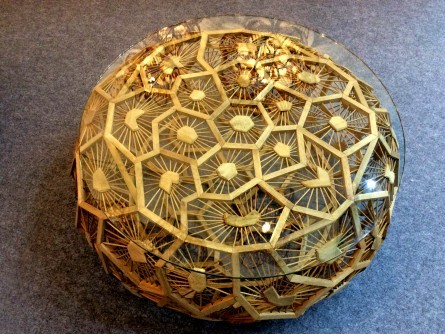
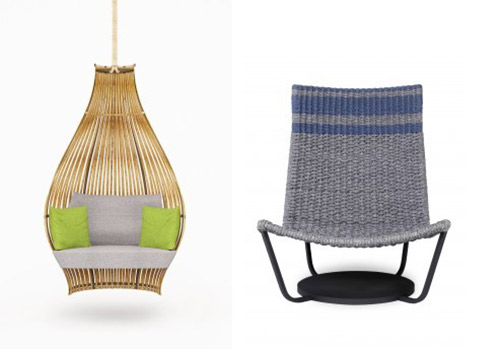
Furniture category: A neatly packed kitchen cabinet called “Q-Mini Compact” – by QruaFurniture category: “Jaak Coffee Table,” an elaborate design that gets its inspiration from the bird cage common in southern Thailand — by TimaFurniture category: “Sim Steel Bar Stool,” impressive knock-down furniture ideas — by Take Home DesignFurniture category: The so-called (W)hole Chair, featuring stow-away furniture ideas — by Everyday StudioFurniture category: “Water Weed Chair,” a product of collaboration between a community skilled in the art of basketry and a modern furniture designer — by the Sumphat GalleryFurniture category: “Krachap,” a hanging lounge chair featuring bamboo housing crafted on a steel frame — by Performax and “Kodax,” a lounge chair capable of moving in a circle around an axis — by Kenkoon
Every year, the DEmark Awards are given out in six categories — Furniture, Lifestyles, Fashion, Industry, Packaging and Graphic Design – as an acknowledgement of outstanding achievements by Thai designers and manufacturers. Not all of the winners are listed in this report.
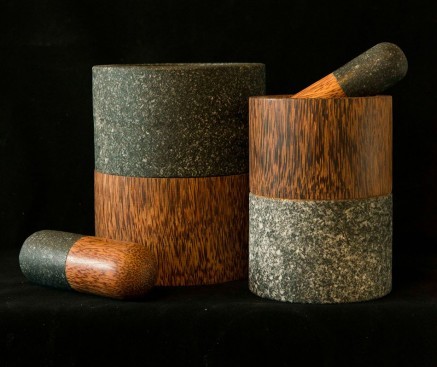
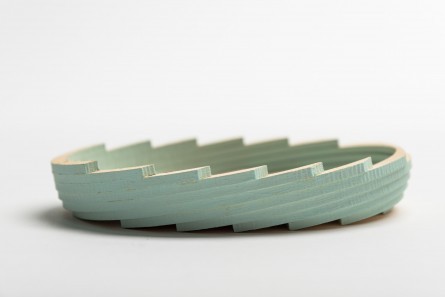
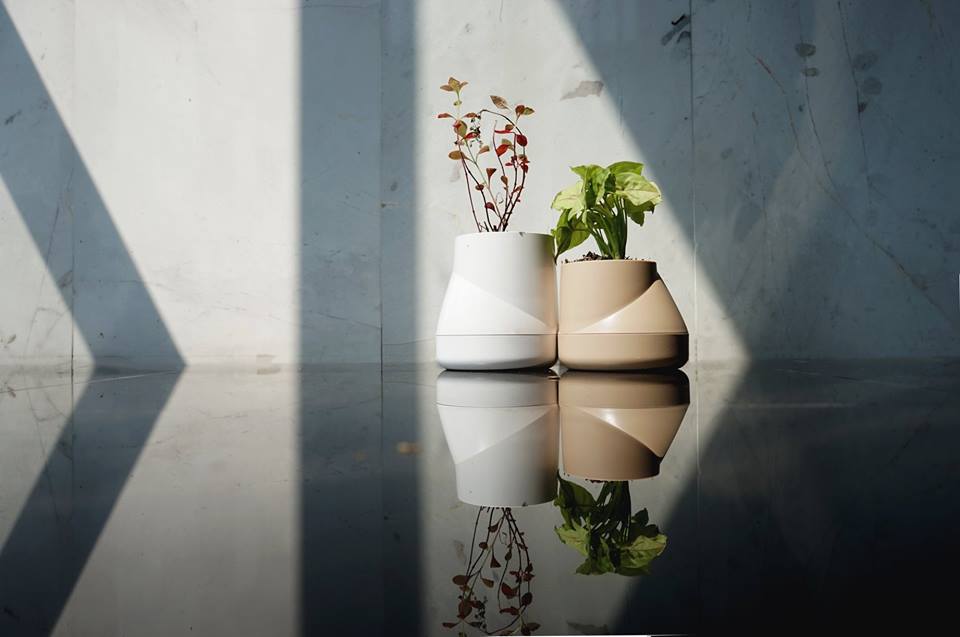
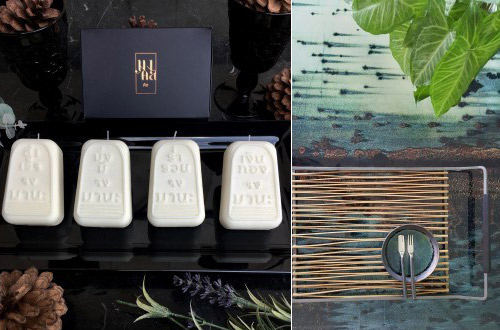
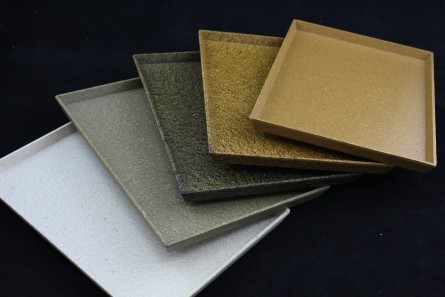
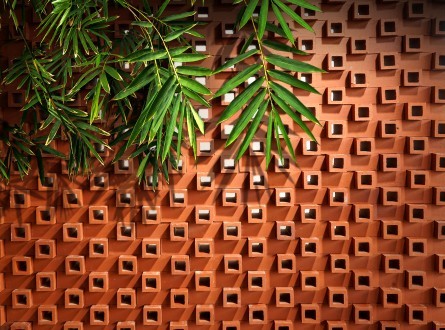
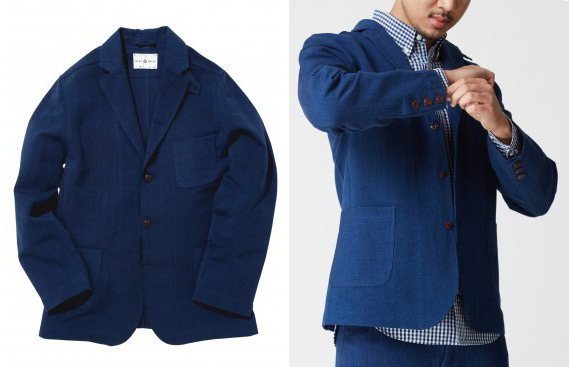
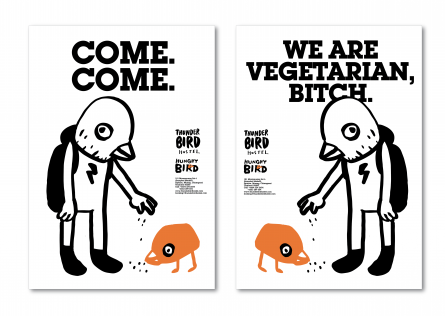
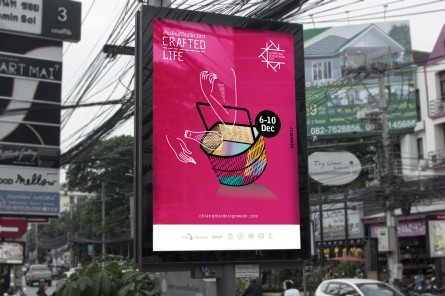
Lifestyles category: “TARN Collection,” a mortar and pestle set — by StewLifestyles category: “Year Ring Collection,” an accessory container made of wood — by DeesawatLifestyles category: “Hill Pot,” a collection of houseplant containers — by QualyLifestyles category: “Chong Mana,” a collection of scented candles featuring the motto “work hard and you shall succeed” — by Dib Dee and “Wit Tray,” a food tray featuring bamboo crafted on a steel frame — by YothakaLifestyles category: “Husk Object,” a set of tray, coasters, and flower pots made of neatly compacted rice husks — by SoniteIndustry category: “Vento Brick,” a perforate wall designed to enhance natural air circulation — by KenzaiFashion category: “Natural Blue Honor Sport Jacket,” an apparel collection made of indigo-dyed fabric – by Blue NailsGraphic Design category: “Thunder Bird Hostel” — by Shake and Bake StudioGraphic Design category: “Chiangmai Design Week 2018” — by Octopus Grafik Studio
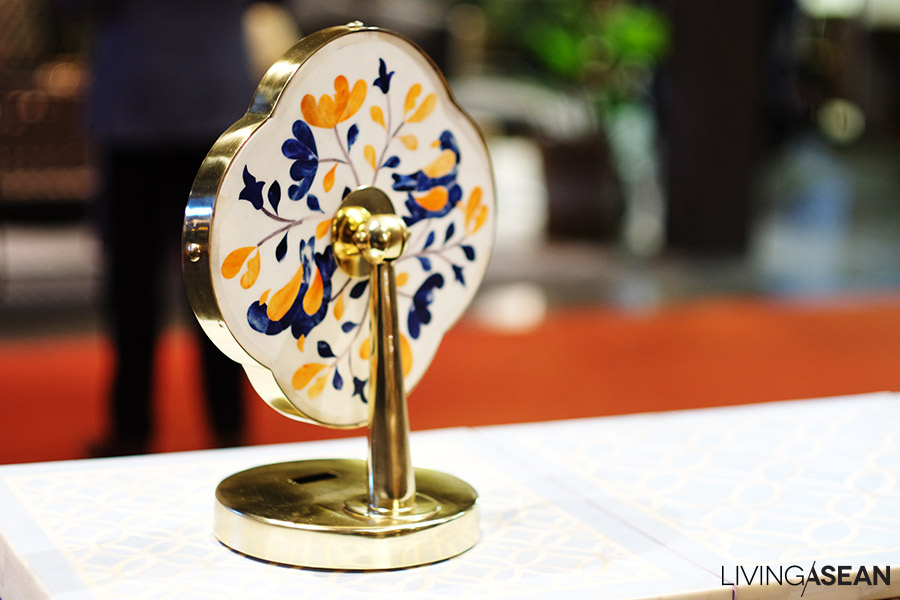
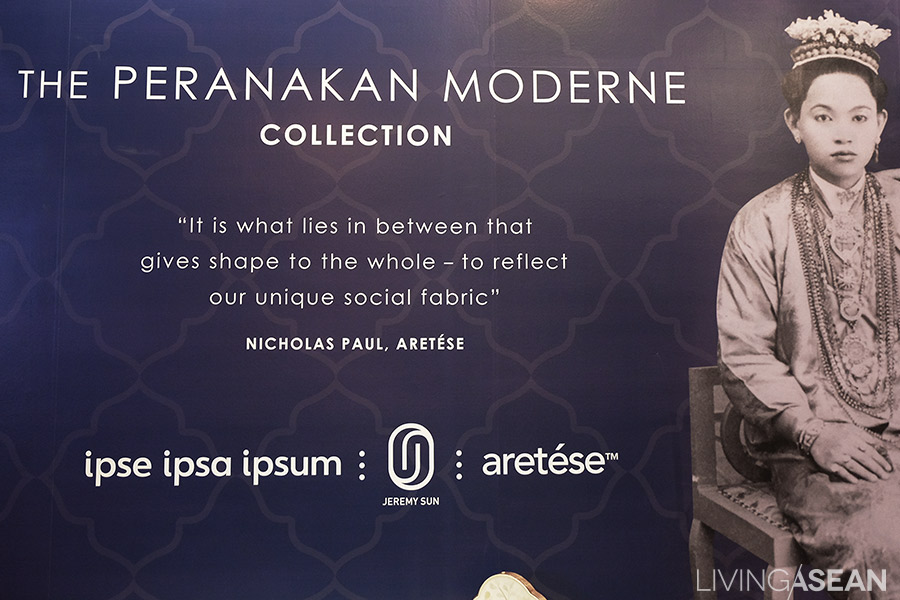
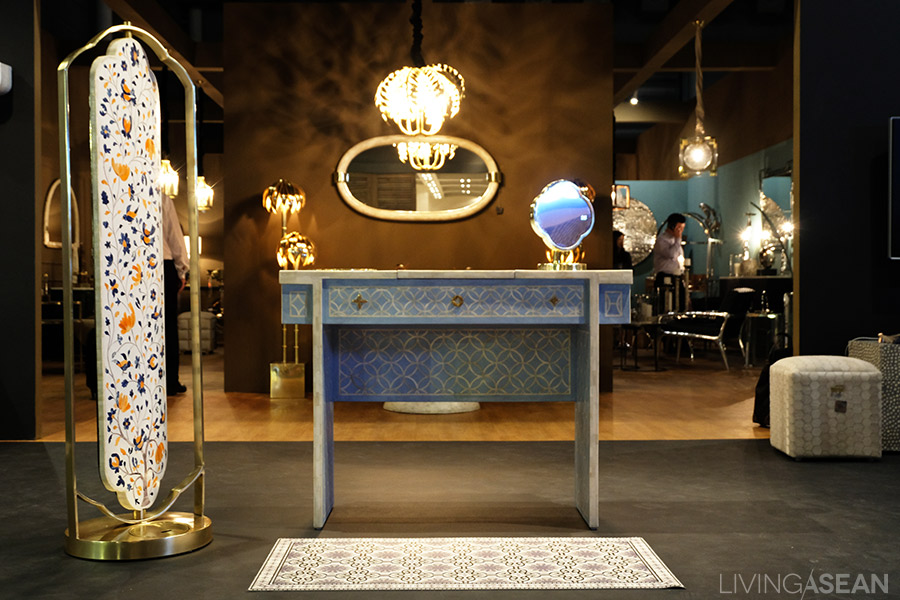
The Singapore-based designer brand “ipse ipsa ipsum” has unveiled one of the finest collections of Peranakan-inspired home décor and accessories.
/// Singapore ///
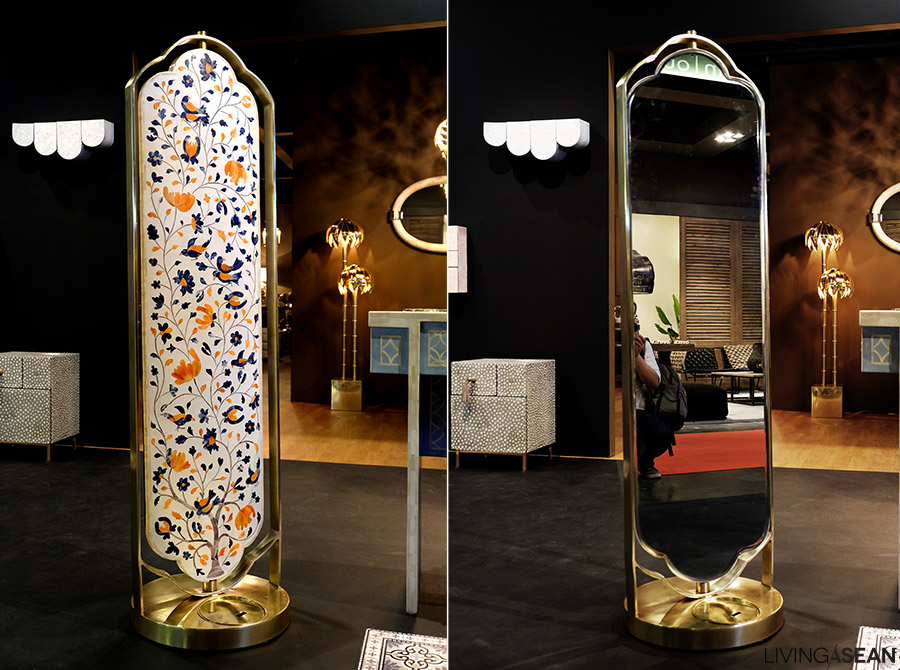
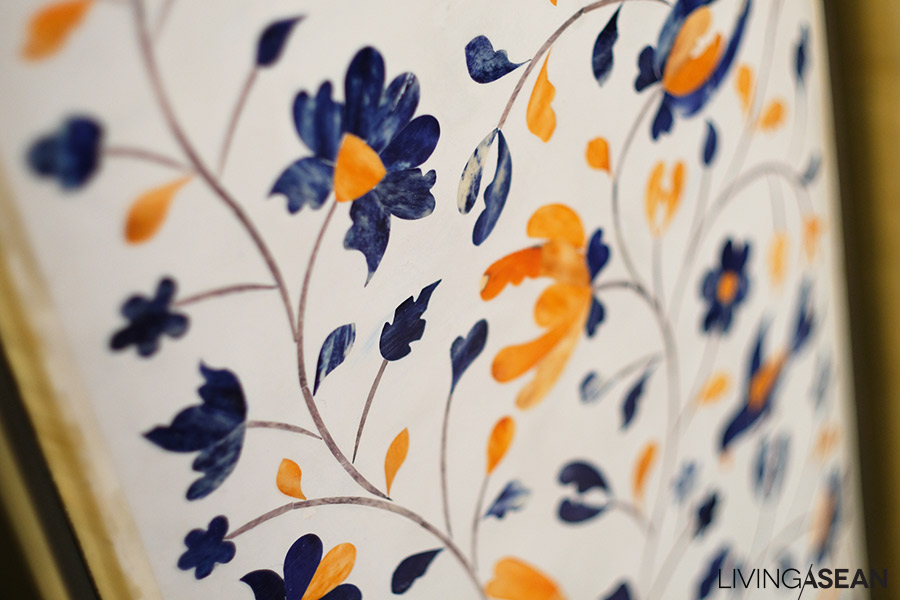
The front and rear of the floor standing mirror. — By ipse ipsa ipsum.Bright and beautiful colors, and design on the rear panel tell fascinating stories of the Peranakan experience. — By ipse ipsa ipsum.
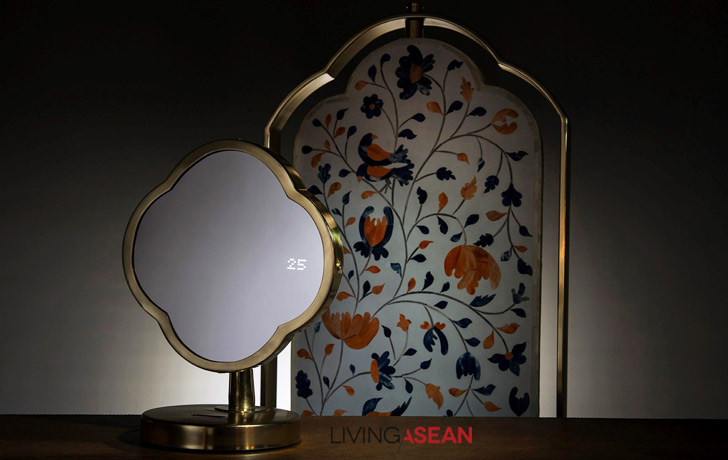
Bold and beautiful, Peranakan design is the product of Chinese migration into the Malay archipelagos of centuries ago. Making its world debut at last year’s International Furniture Fair Singapore, the new product line called “Straits Reflection” included a tabletop mirror and a floor-standing mirror that told stories of a fascinating amalgam of Chinese, Indian, and Malay craft traditions.
The designer brand was launched in 2016 as an initiative of “Sam & Sara”, an established Indian silverware business headquartered in Singapore. Combining ultramodern materials with traditional craftsmanship skills, the new brand aimed to create original designs under the slogan, “The extraordinary for the ordinary”.
“Straits Reflection” by Jeremy Sun and Nicholas Paul was the result of collaboration between the designer brand and the Peranakan Museum in Singapore. Peranakan Chinese, or Straits-born Chinese, are the descendants of Chinese who migrated into the Malay archipelagos form the 15th to 17th centuries. Over time, their cultural heritage, architecture, design, and cuisine have become prominent landmarks in Singapore, Malaysia, Indonesia and parts of southern Thailand.
Indian floral patterns, Chinese bird paintings, and Malay-style bold colors bespeak centuries of cultural interactions. — By ipse ipsa ipsum.
“Straits Reflection” is evidence of an artistic ability that has evolved through on-going interactions among Chinese, Indian, and Malays. Its design aesthetics combine Indian floral patterns with traditional Chinese bird paintings, and Malay-style bold colors.
A curious mix of the old and the new, “Straits Reflection” includes a tabletop mirror that displays temperatures and air quality values, and a matching floor-standing mirror that reflects on the Peranakan experience.
Sam & Sara booth at IFFS 2018
You may also like…
STAR WARS X NATHAN YONG: FROM STAR WARS TO HOME DECOR ARTICLES
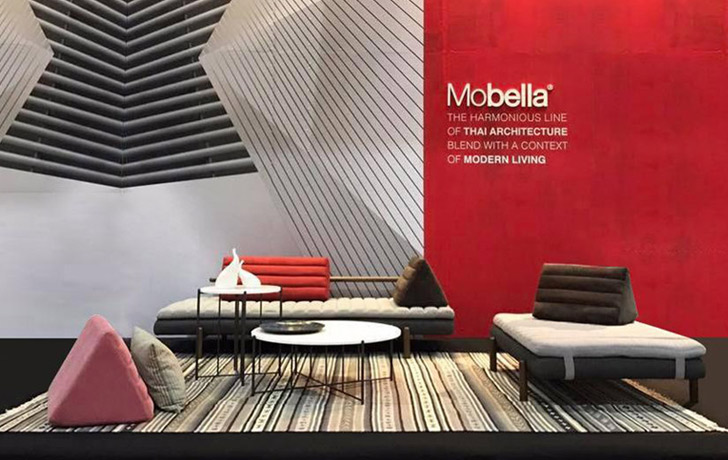
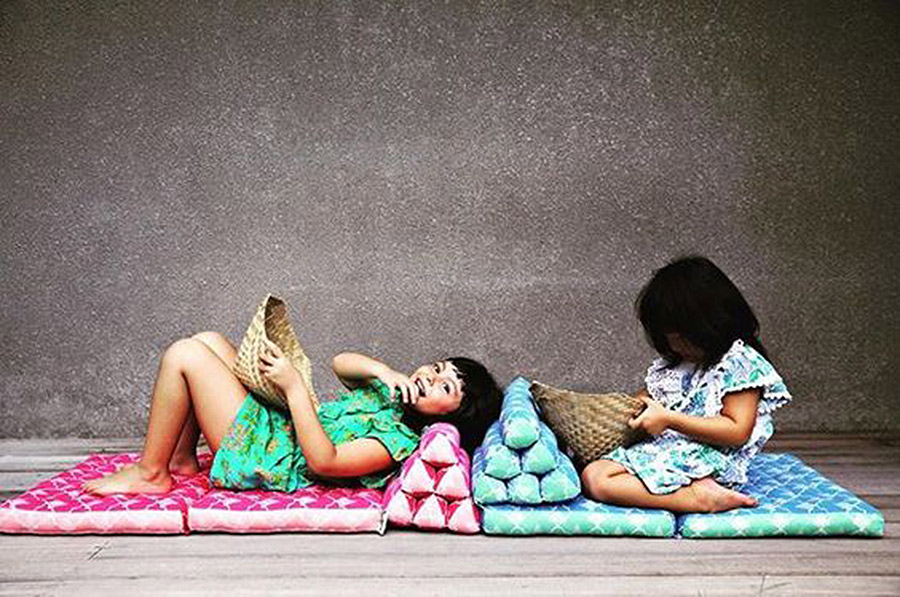
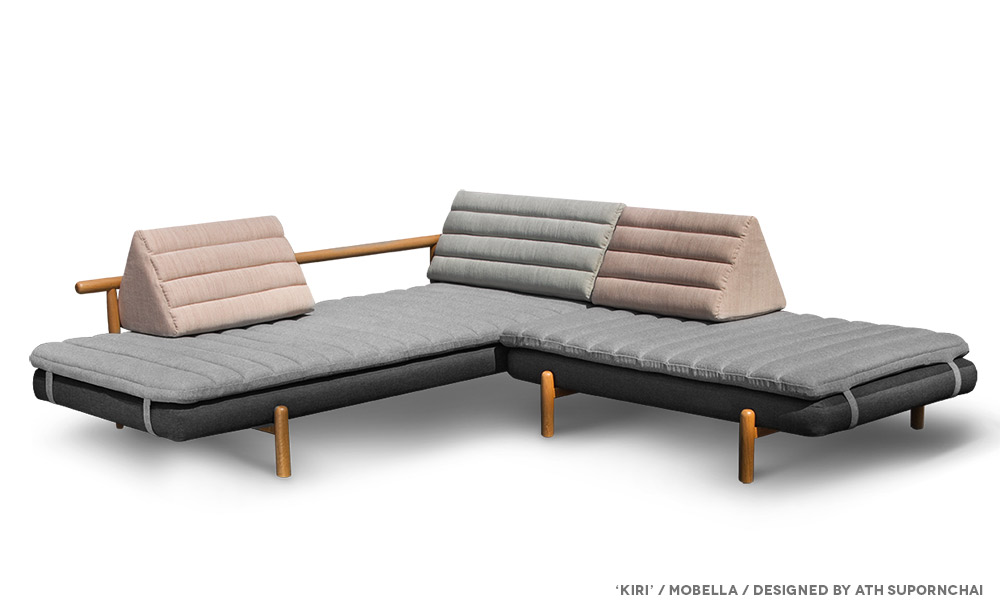
Perfected over time, the chaise lounge paired with triangular-shaped pillows offers a fascinating glimpse into Thai culture. As time goes on, the design is sliding into obscurity. The chair with a lengthened seat for leg rest and reclining differs from the European-style sofa in that the former is a short-legged, backless couch. The absence of a backrest is compensated by a set of wedge pillows.
/// Thailand ///
The Thai-style chaise lounge is a traditional appraoch to reclined seating. One way of sitting comfortably in one is to sit with your feet up. The wedge pillows serve both aesthetic and functional purposes and can be made from a variety of textiles. The traditional chaise lounge set is designed for side-lying and semi-reclining positons.
The “KIRI” chaise lounge paired with wedge pillows features a blend between traditional design and the Thai Modern concept.
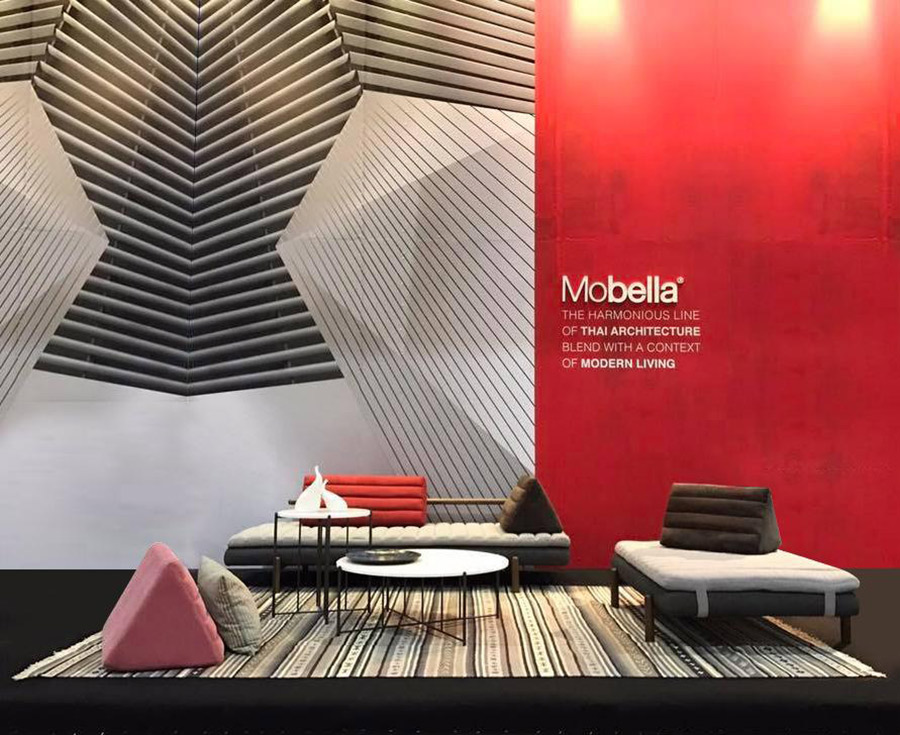
Reviving interest in the design that’s quintessentially Thai, designer Ath Supornchai has debuted a chaise lounge set that mixed strong traditional values with the Thai Modern concept. Winning enthusiastic praise at this year’s International Furniture Fair Singapore, the sofa set called “KIRI” is selling under the brandname “Mobella”. It is also furniture of choice in the reception room at Line Chat App’s Thailand office.
The KIRI chaise lounge set has pride of place at Line Chat App’s Bangkok office.KIRI is debuted under the Mobella brandname
You may also like…
FROM THE NOODLE BOWL TO HOME DECOR ACCESSORIES: WORKS OF ART BY INDONESIAN DESIGNERS
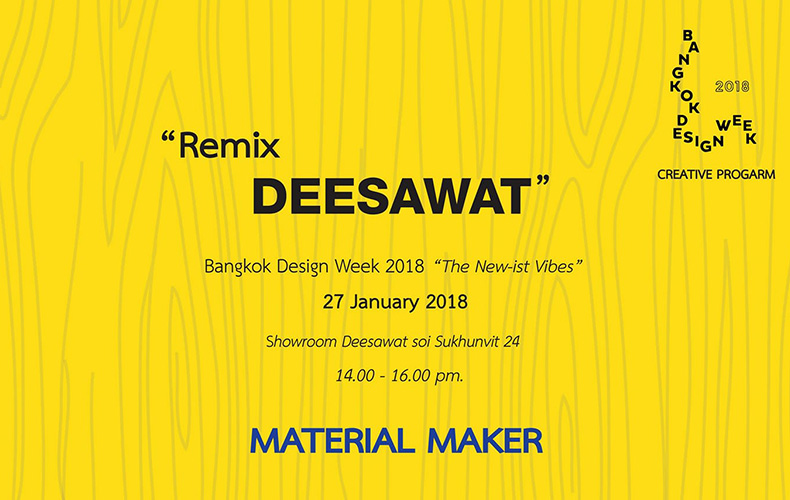
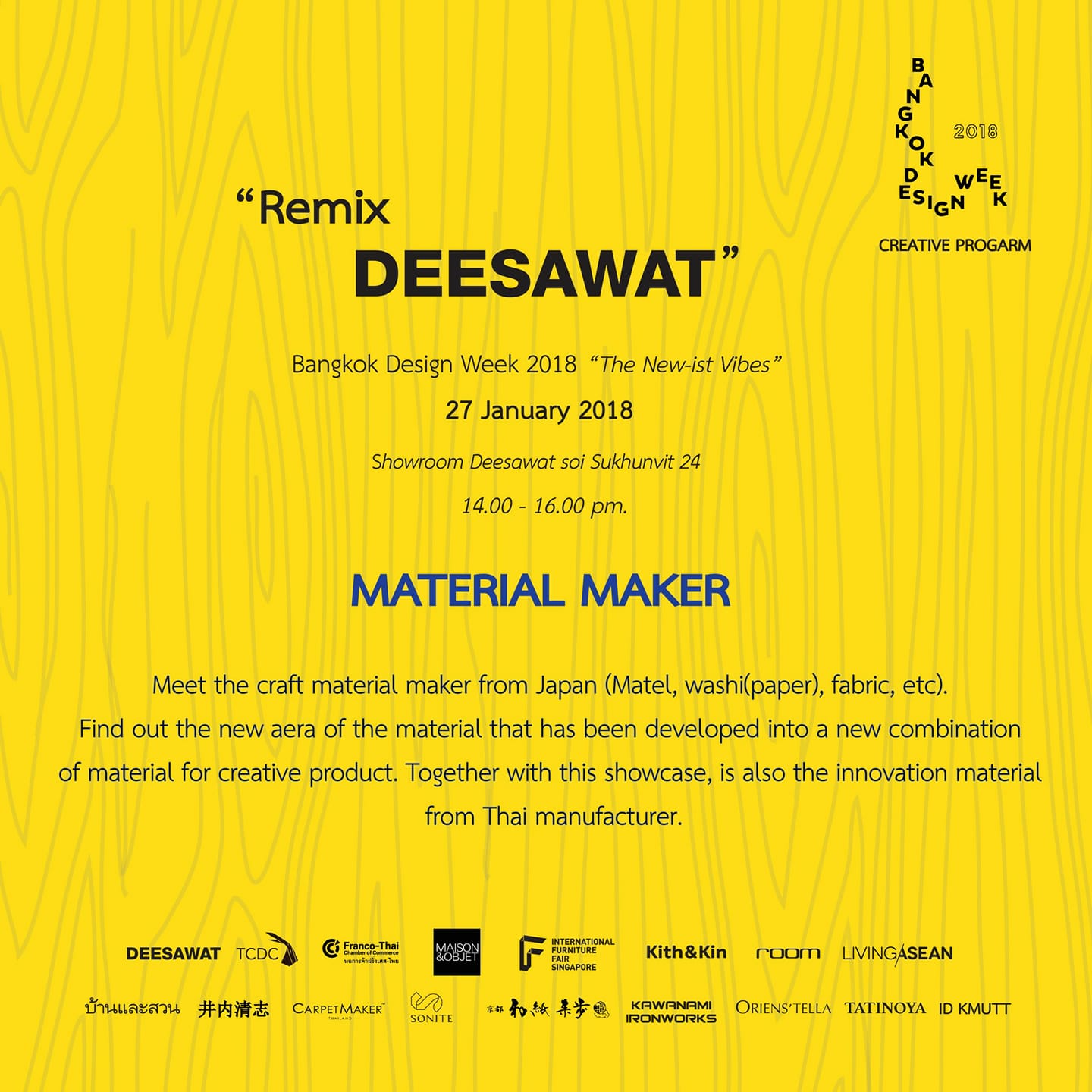
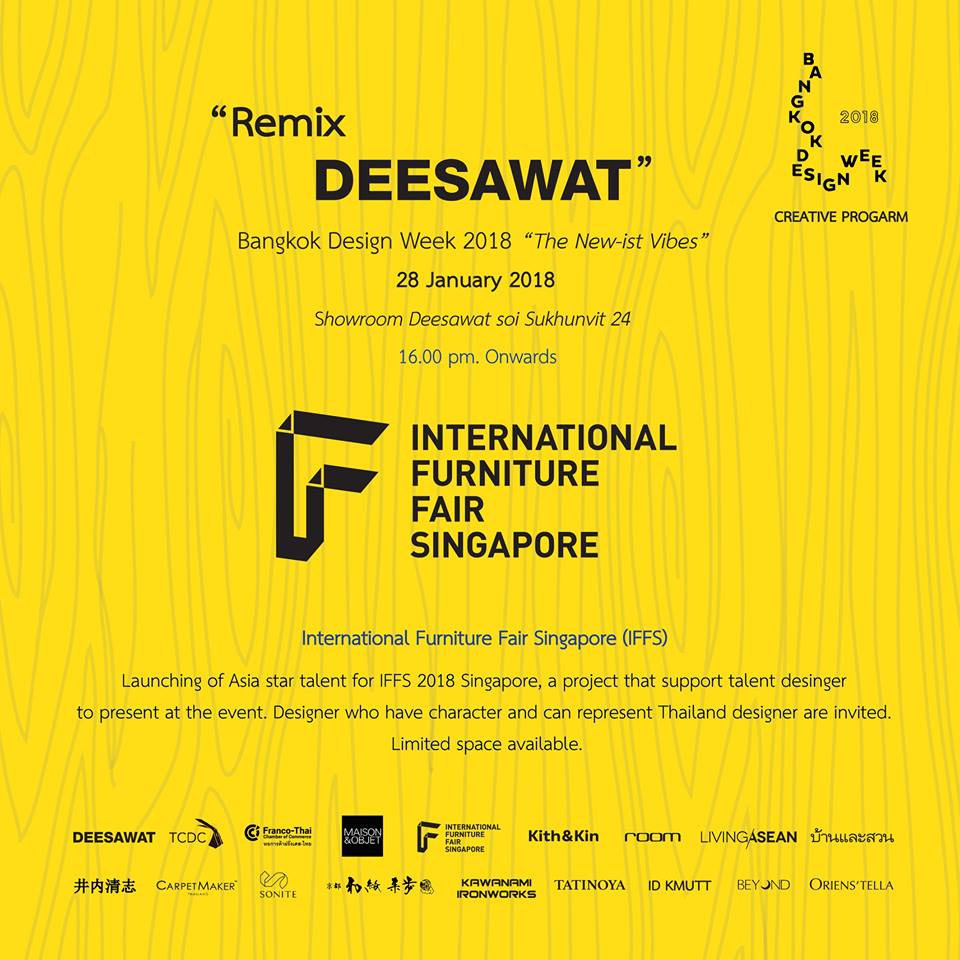
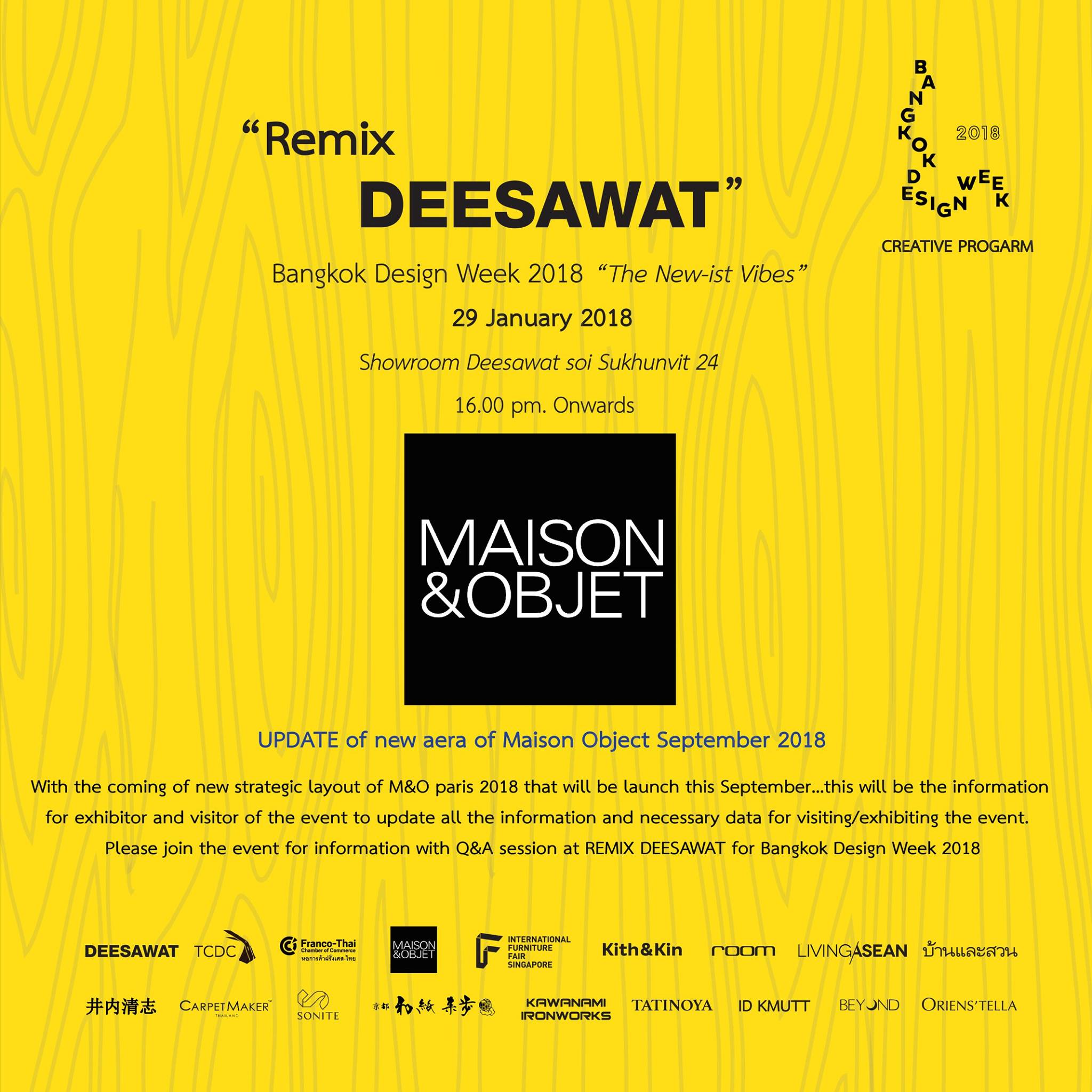
Remix Deesawat; Upcoming Event at “Bangkok Design Week 2018,” The Creativity festival which designed to be a showcase for creative and design works and innovations driven by creativity and design thinking.
Bangkok Design Week 2018 brings together experimental and commercial works, creative businesses and socially-oriented projects with the aim to foster creative cooperation by sharing of knowledge and experience, to provide inspirations and to facilitate networking and business opportunities while putting the spotlight on the city’s design and creative potential on the global stage.
Remix Deesawat Bangkok Design Week 2018 27 January – 4 February 2018 10.00 am. to 20.00 pm. (Everyday) Avenue: Showroom Deesawat, Sukhumvit 24, Bangkok
Enjoying with Remix Deesawat event with the showcase of the ASIA STAR TALENT with the various creative activities as Designer presentation, Architect talk and so on. It’s happening from 27 January to 4 February 2018 at 10.00 am. – 20.00 pm. (Everyday). This exhibition will take place at Showroom Deesawat soi Sukhumvit 24 Bangkok.
For the interested program as follow:
Material Maker
Meet the craft material maker from Japan (Matel, washi(paper), fabric, etc). Find out the new era of the material that has been developed into a new combination of material for creative product. Together with this showcase, is also the innovation material from Thai manufacturer.
Asia STAR TALENT
Showcase of the Design Gallery from ASIA STAR Talent. With the designer from Japan, Singapore, Philippine and Thailand. With the creative talent…and unique cultural back ground..this will be the showcase that represent culture and innovation.
WOOD x ARCHITECT
Meet the Japanese architecture Mr. Kiyoshi Iuchi from Soramado Architect from JAPAN…that will create the value of wood into the construction. As the trend of the wood and the new concept of architect…Mr.Kiyoshi will present the concept where wood is now back in trend material for architectural work. IFFS (International Furniture Fair Singapore) Opening of the new opportunity for the new design showcase for Thailand young designer at IFFS Singapore.
Maison&Objet
New concept new layout market strategy for Maison&Objet Paris. Target for exhibitor and visitor for September 2018 preparation.
Marketing/Advertising Cookies – used to remember and process the relevance to your website visit in order to personalize contents shown including optimization of commercial advertising placements. For instances, we use this type of cookies to display commercial advertisements related to user’s attributes and interests as well as to limit how many times should a user see repeated advertisement in order to optimize and measure marketing activities. อ่านเพิ่มเติม



 SEVEN OF THE HIPPEST NEW PLACES EVERYONE IN BANGKOK SHOULD CHECK OUT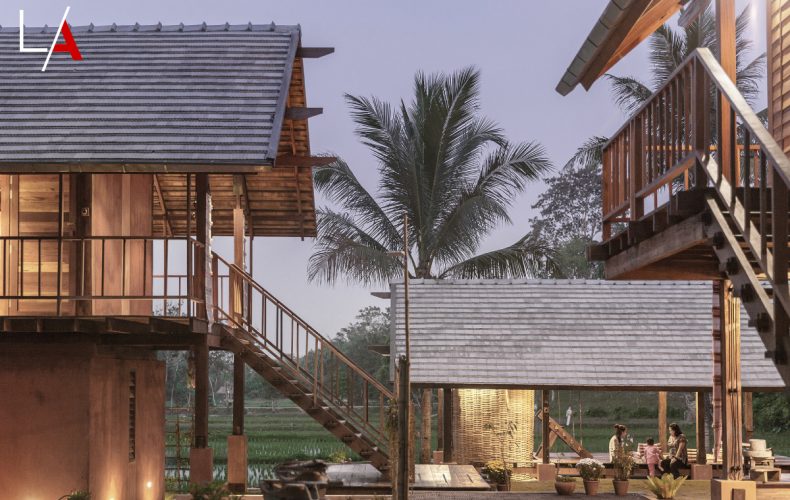


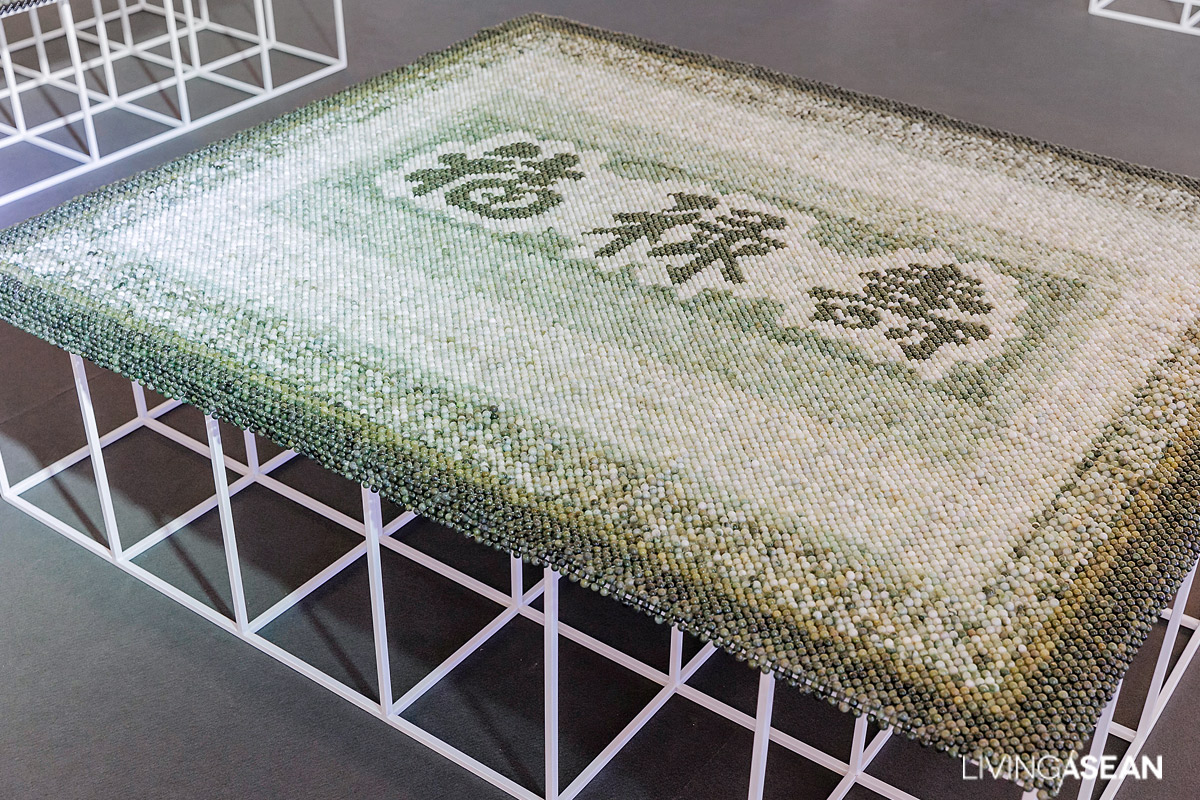
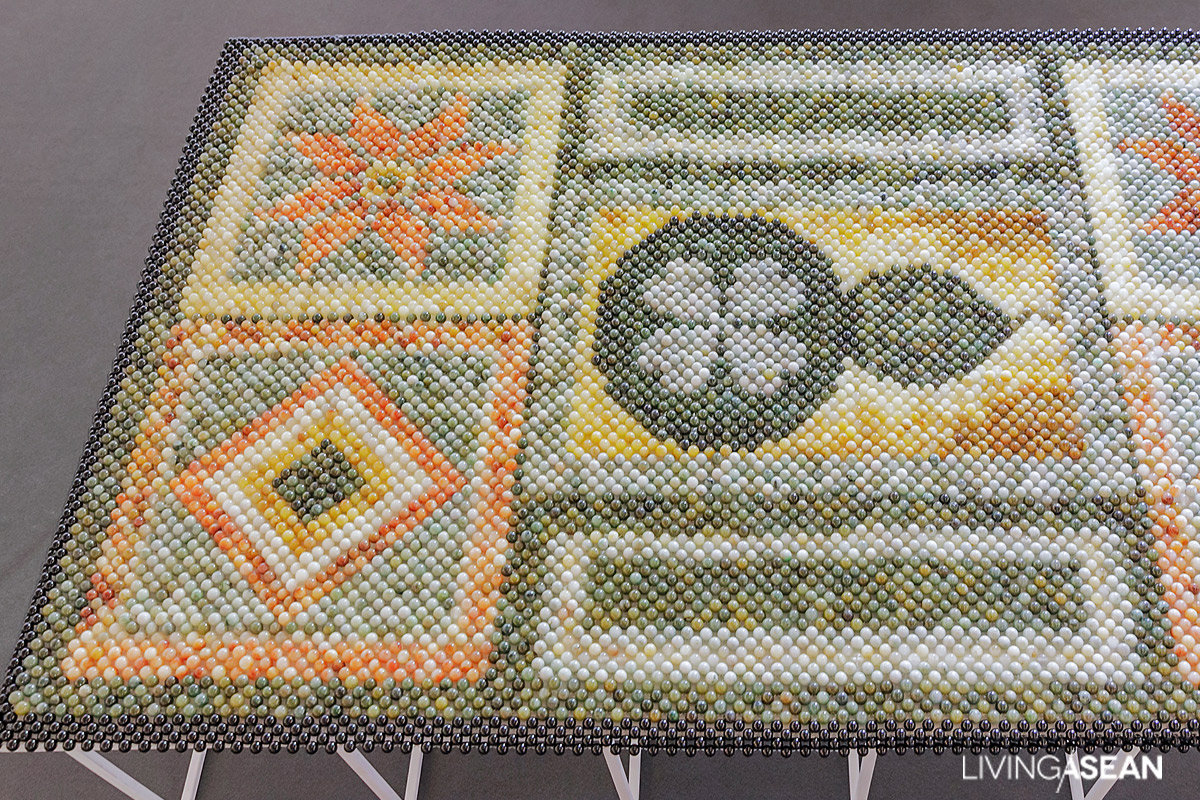
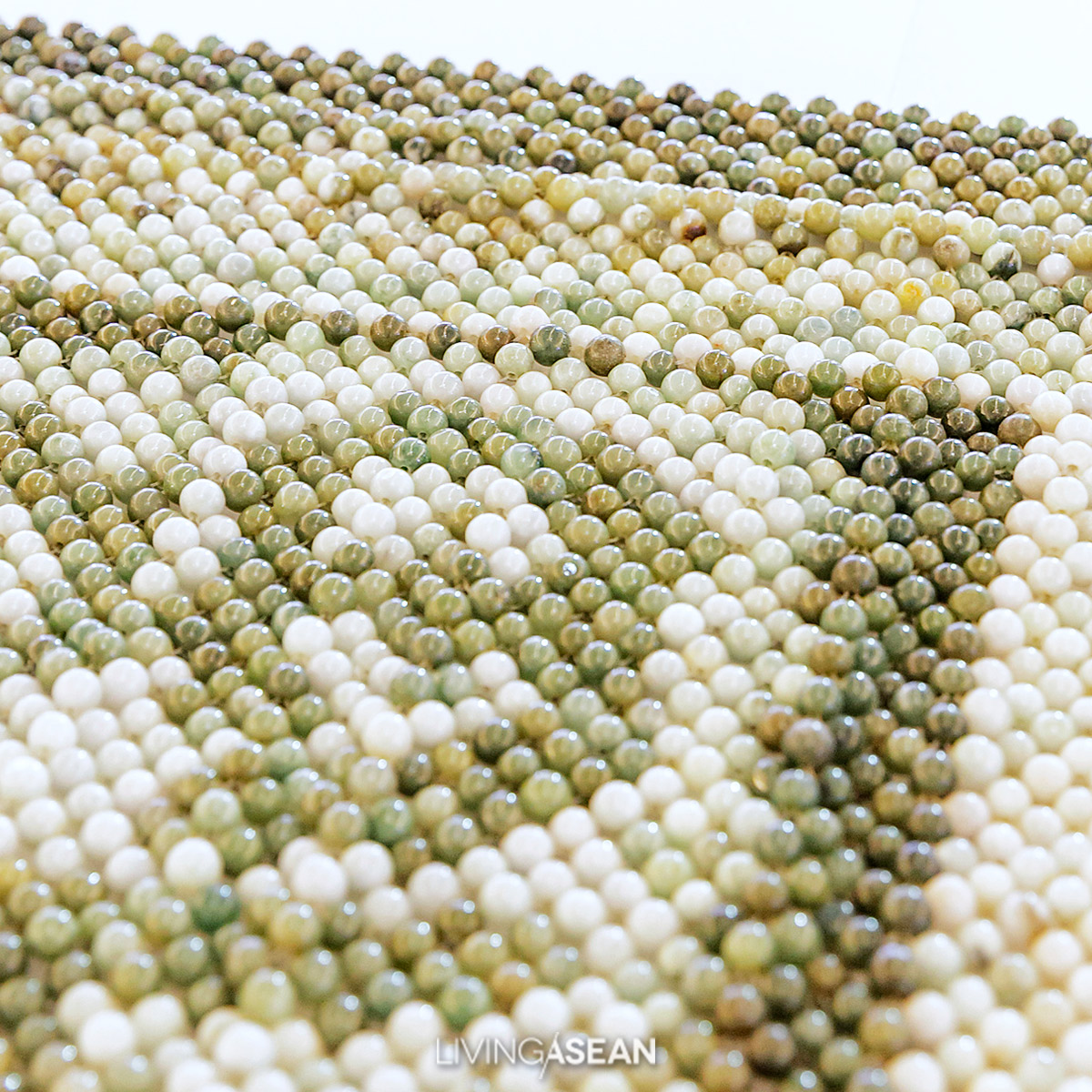 She had them machined continuously for two days to achieve perfectly polished round stone beads. After that, they were threaded together. And the final outcome is beautiful beyond words, thanks to a team of highly skilled craftswomen she hired from Myawaddi, Myanmar, which is located across the river from Mae Sod District in Tak. As promised, she included the jade mat among other funeral objects for her Mom after she passed.