Blog : thailand

A Modern House in Sync with the Rhythm of Nature

A Modern House in Sync with the Rhythm of Nature

/ Bangkok, Thailand /

/ Story: Patsiri Chot / English version: Bob Pitakwong /

/ Photographs: Soopakorn Srisakul /

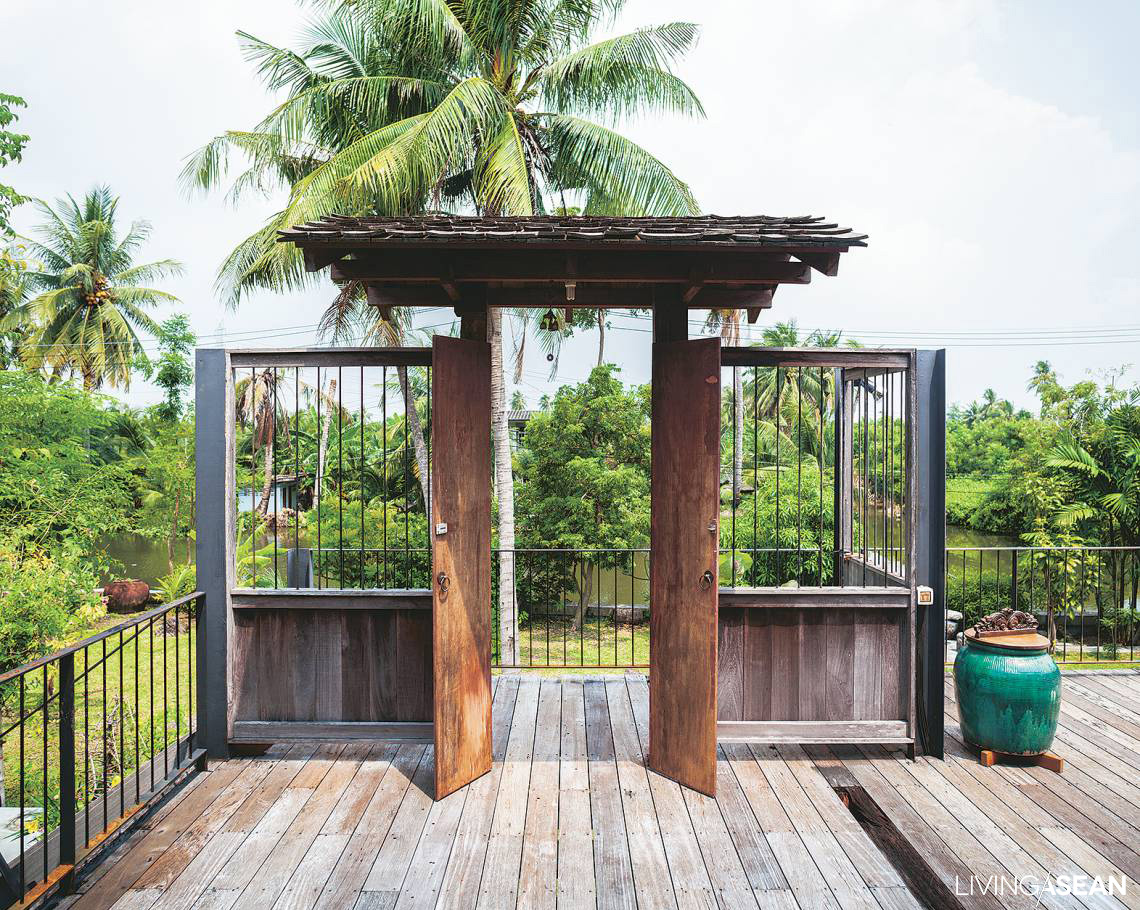
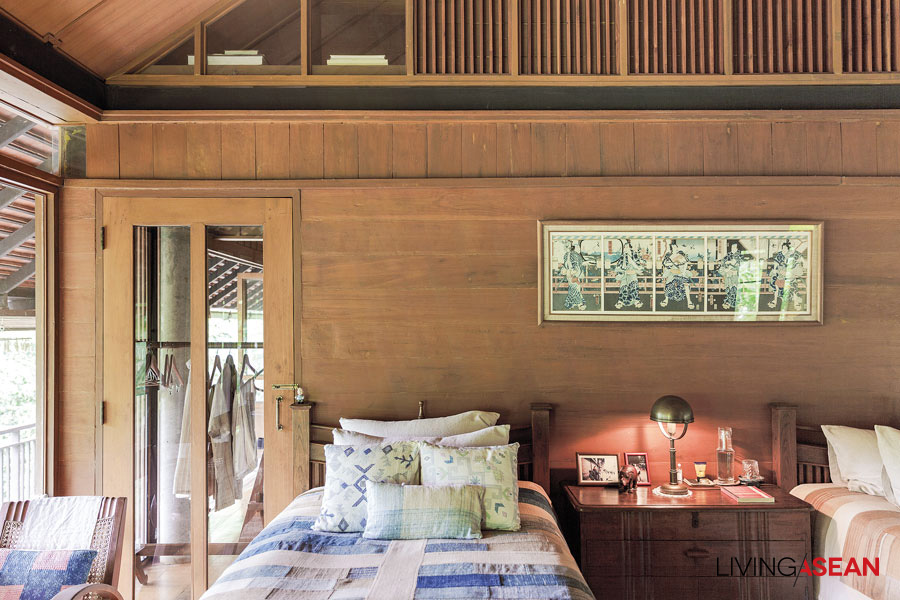
Building a sustainable home involves a great deal of knowledge of the surroundings and relationships with nature. In the hot and humid climate of Thailand, it’s useful to have a good grasp of the sun, the wind, and seasonal thundershowers in designing a home that’s livable and aesthetically pleasing. This modern house is built around that concept – one that promotes well-being and the comfort of the indoor environment.
modern house
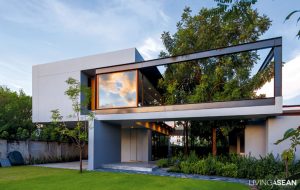
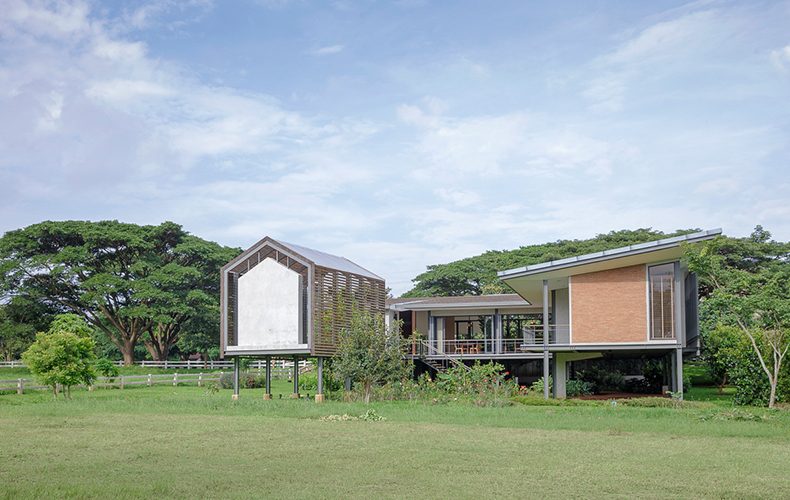
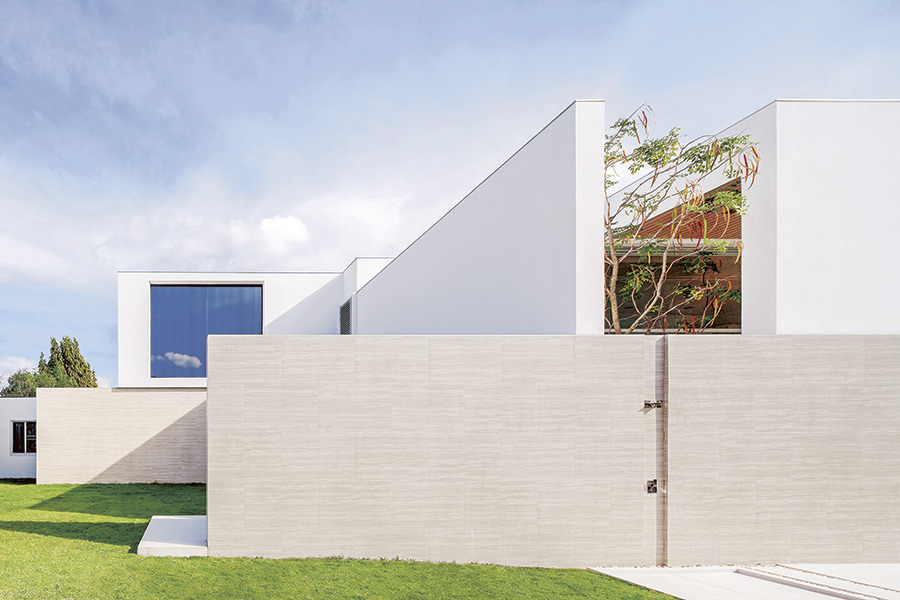
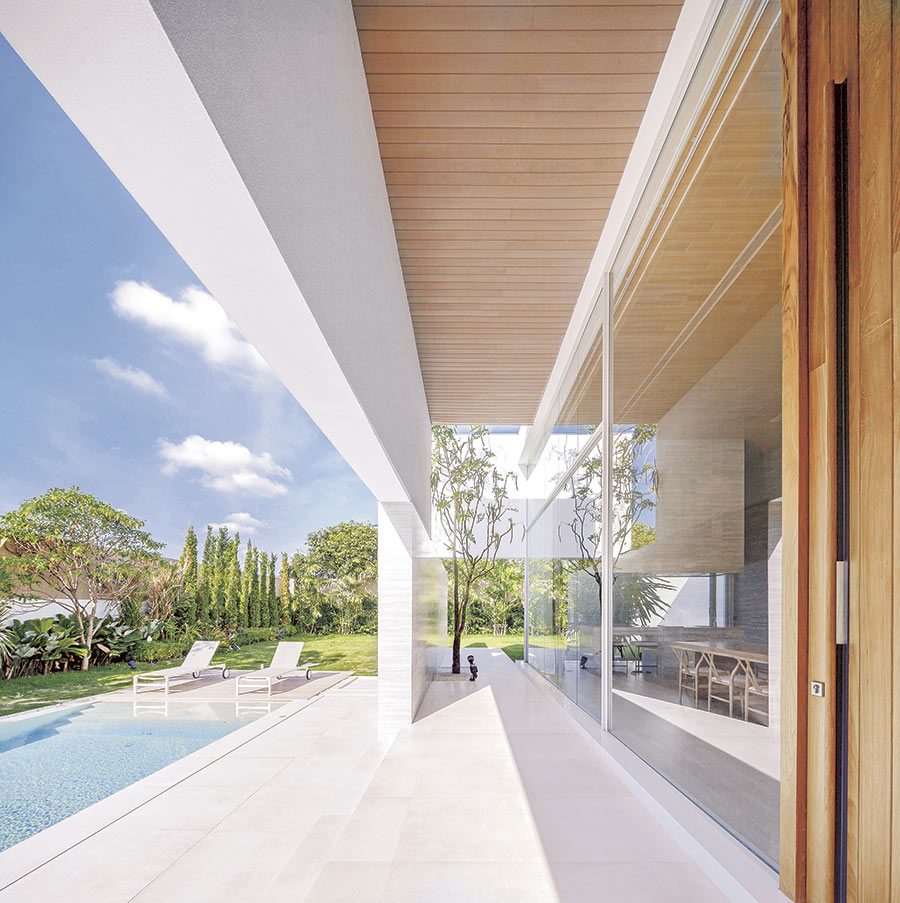
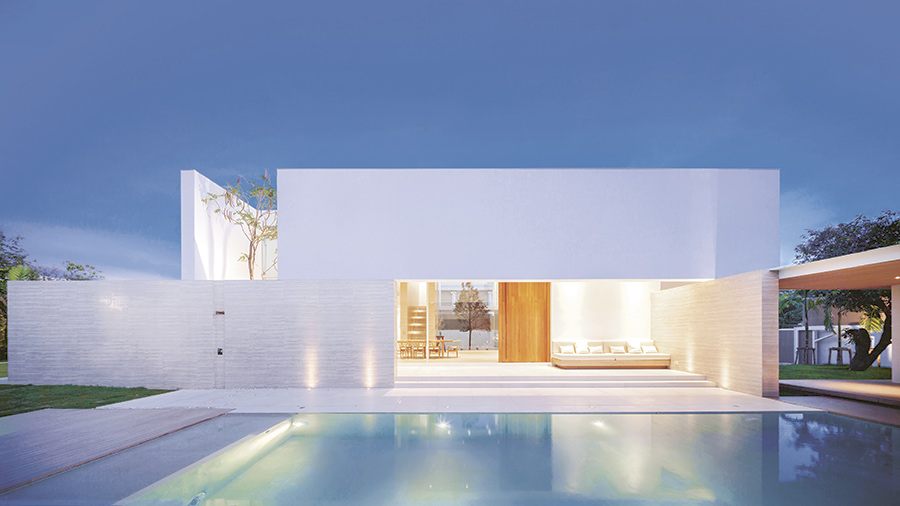
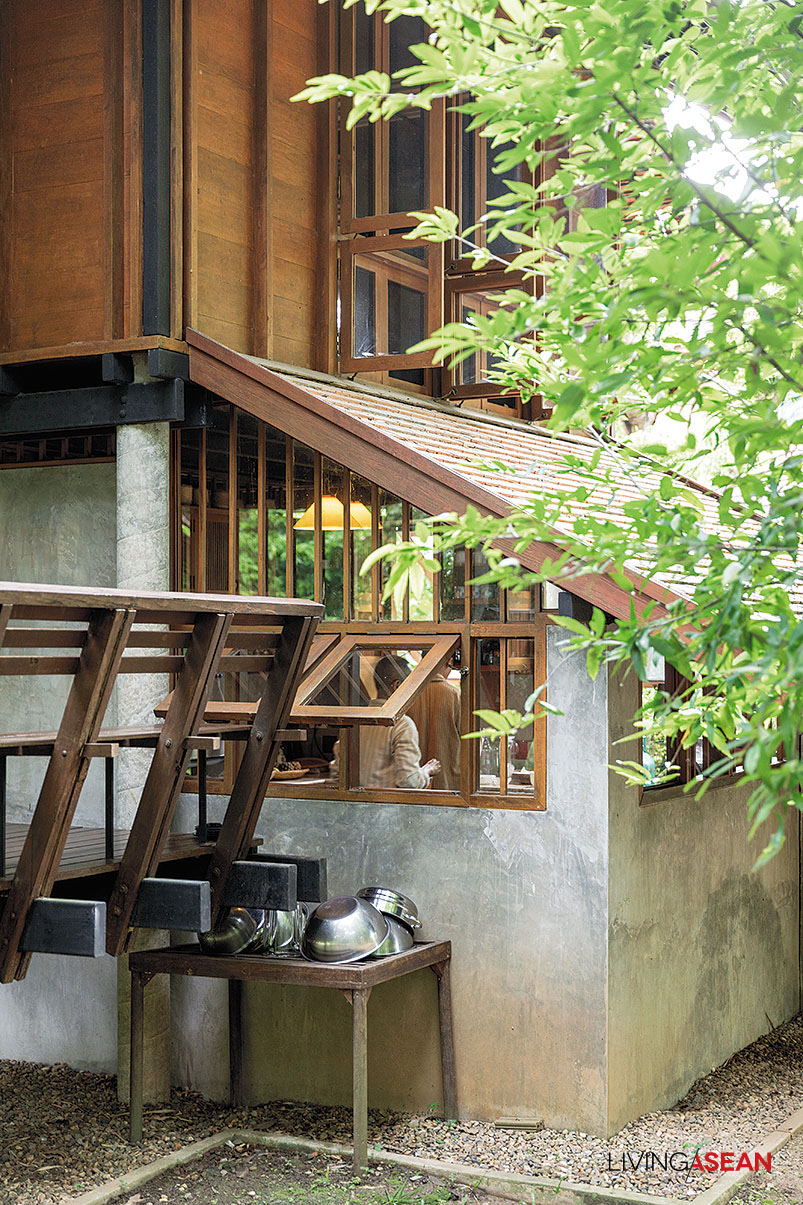
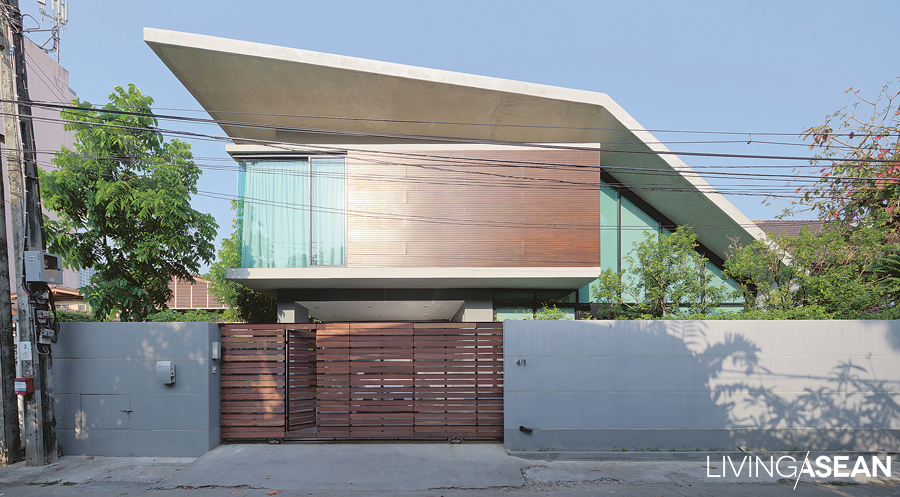
The architect uses metal folding or forming techniques to make informed design decisions. The angle of the bend in the roof and the exterior walls is determined by the need to protect the interior living spaces from the elements.

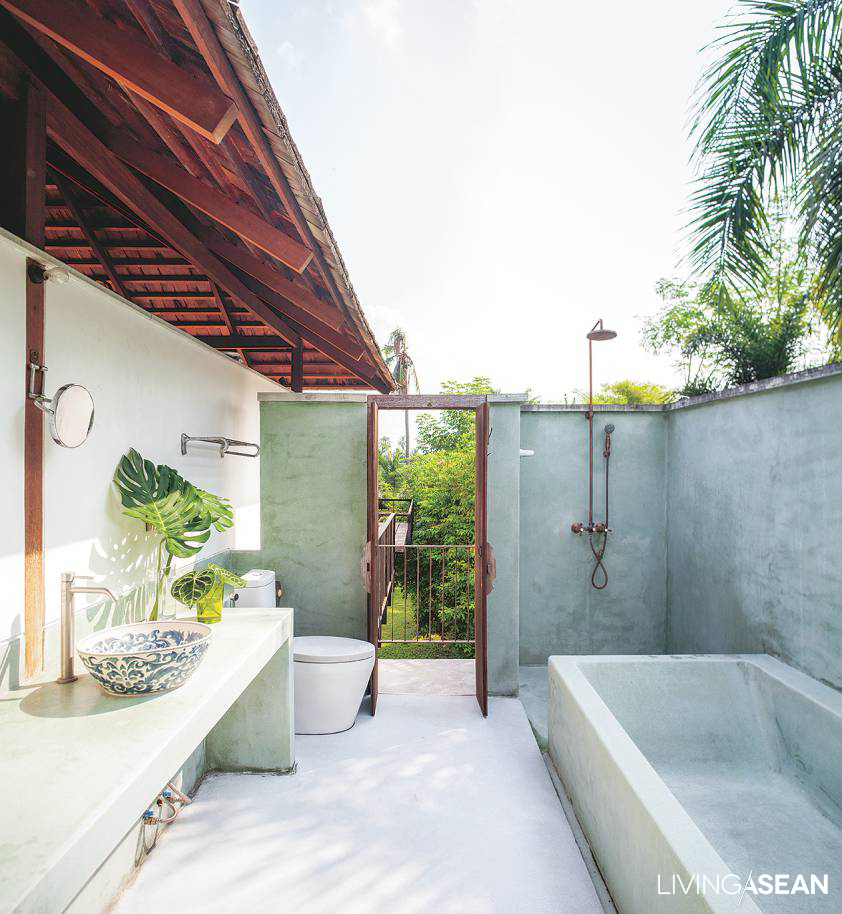
In this particular case, architect Nantapon Junngurn used the folding process common in metalworking to translate multiple planes into three-dimensional interior living spaces. Then, vertical surfaces were incorporated in the plan and appropriate wall openings installed to enable the home to effectively connect and interact with its natural surroundings.

Obviously, he took the most sensible course of action by positioning the building in relation to seasonal variations. By this is meant that all aspects of the sun, the wind, and weather patterns were taken into account.
modern house
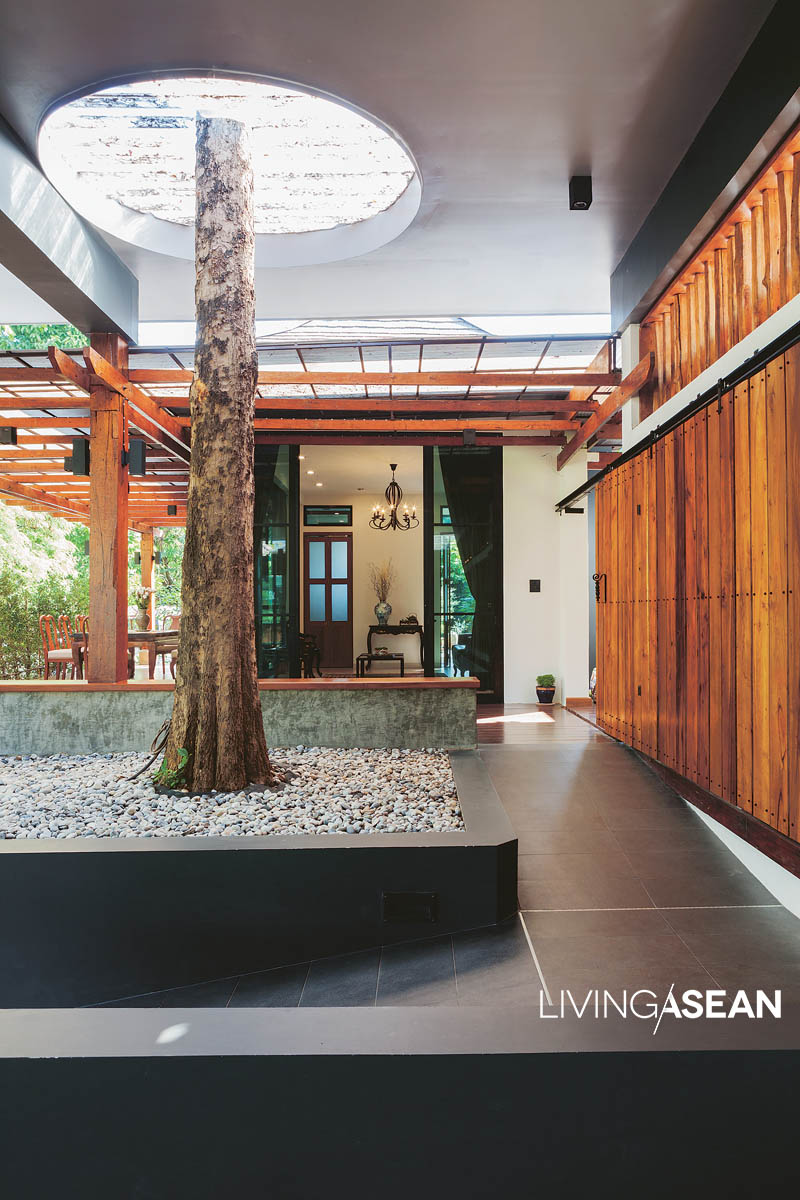
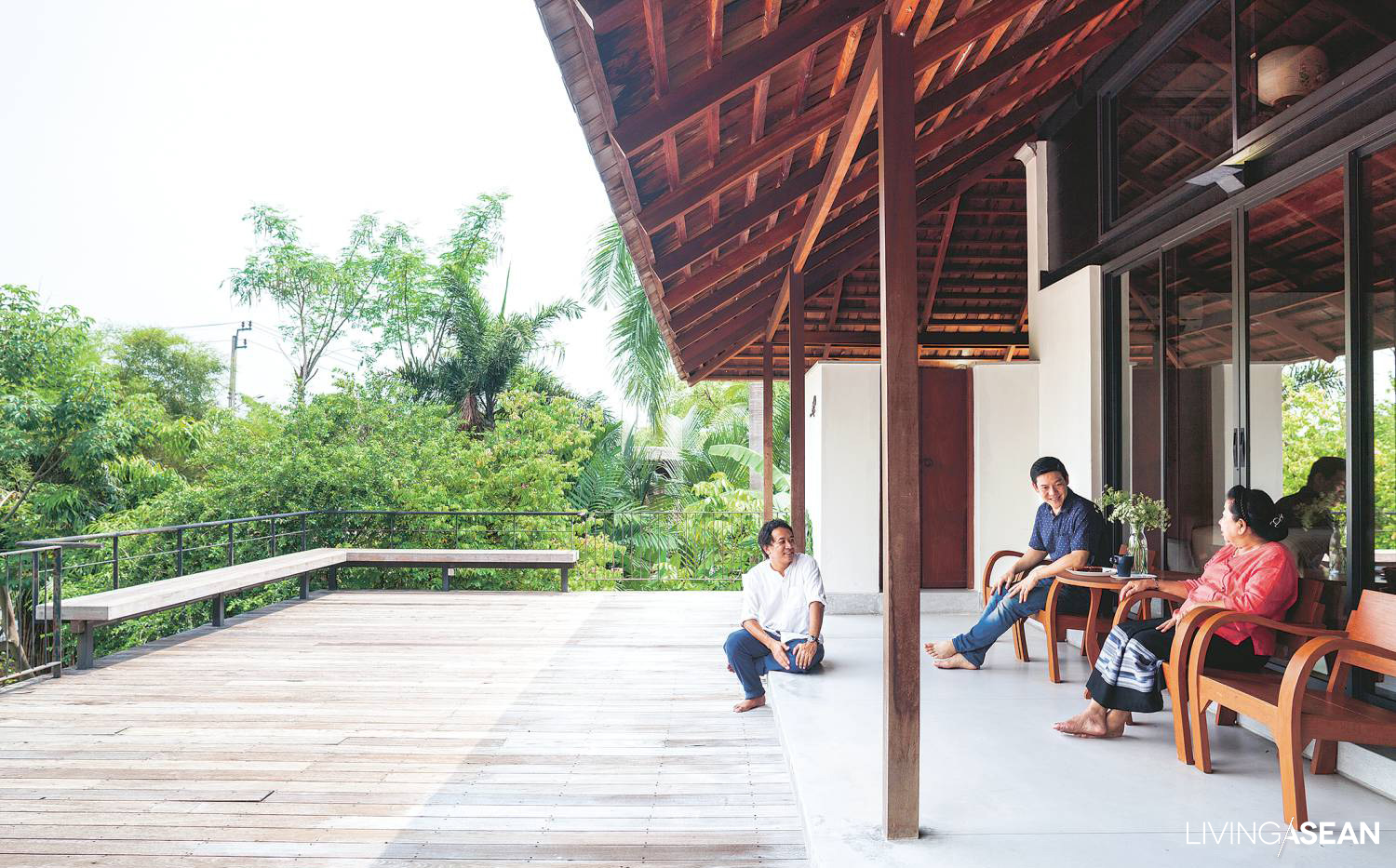
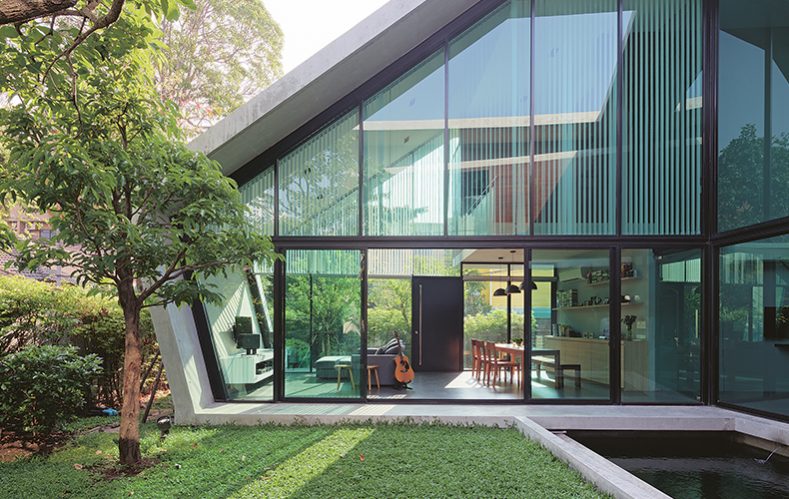
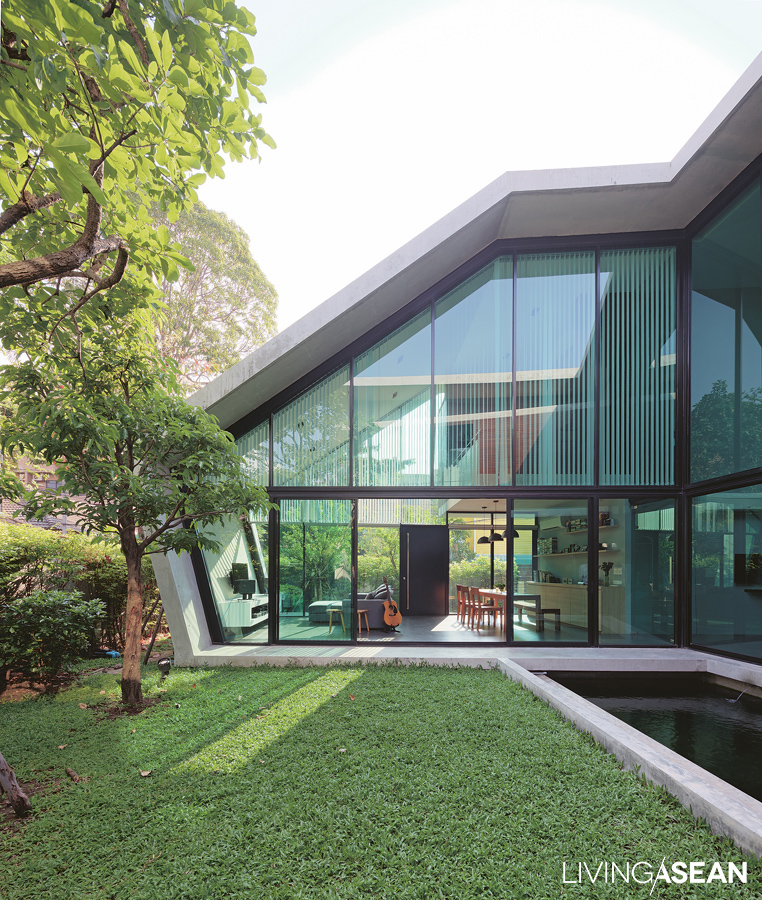
The far end of the sitting room is built of concrete that runs the entire length of the wall. It’s slanted to diverge from the vertical line designed to get rid of rainwater fast. As a byproduct, extra floor space is achieved by simply doing away with bulky support poles.

The architect then put the idea to the test to determine what architectural form and space would best fit in with the environment.

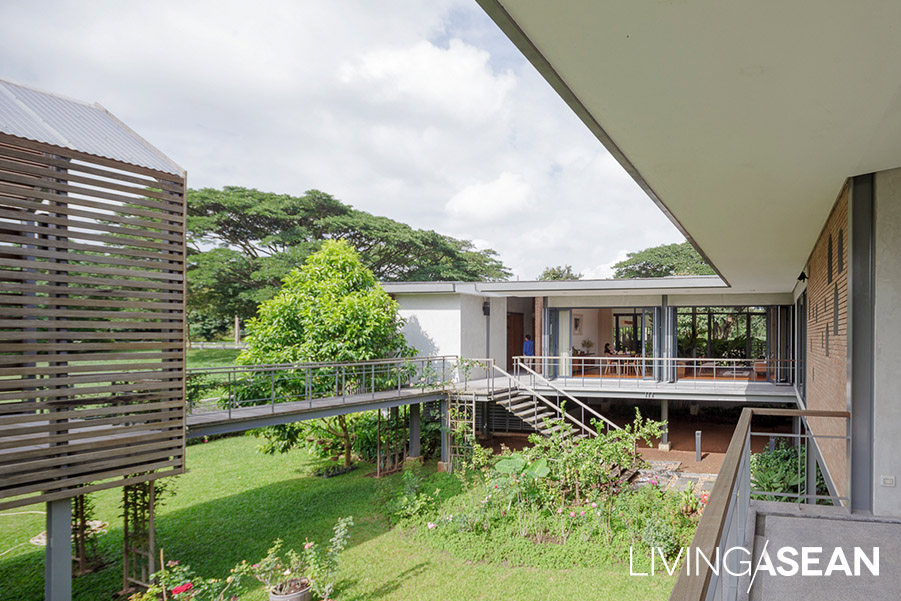
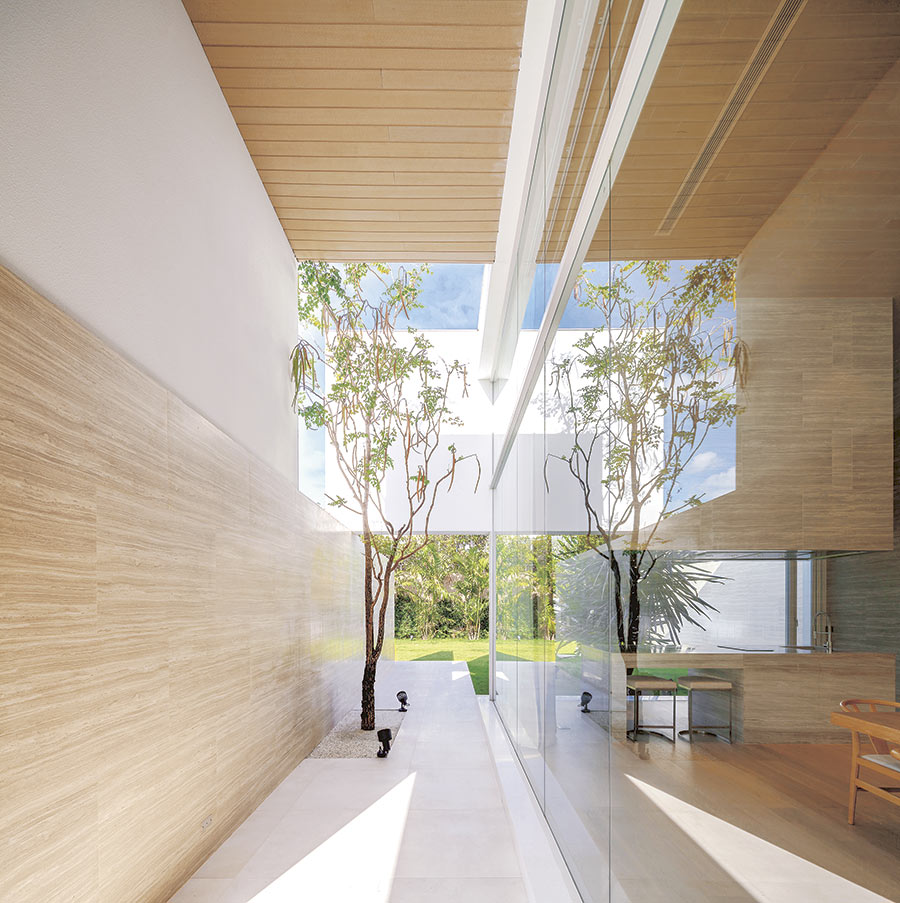
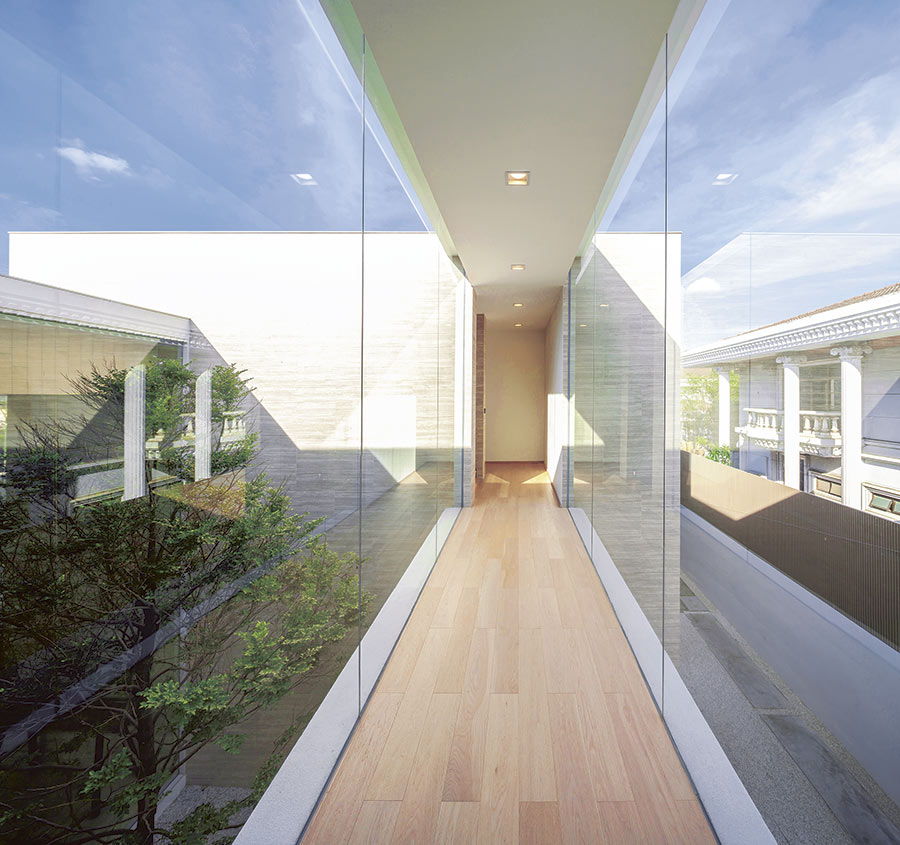
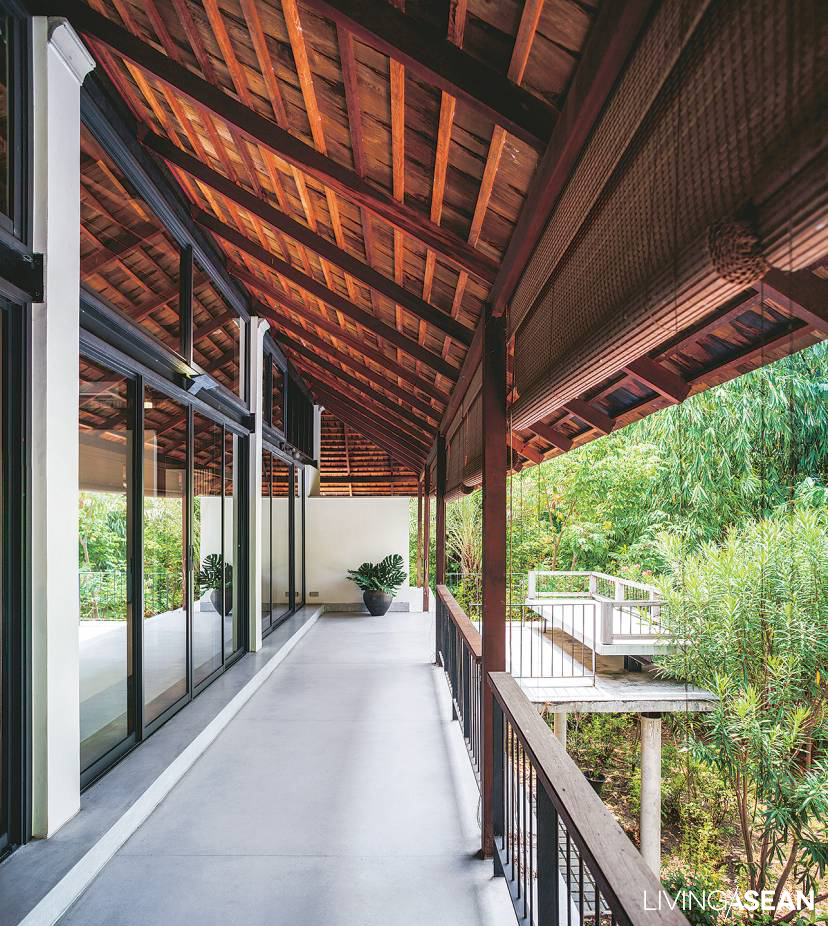
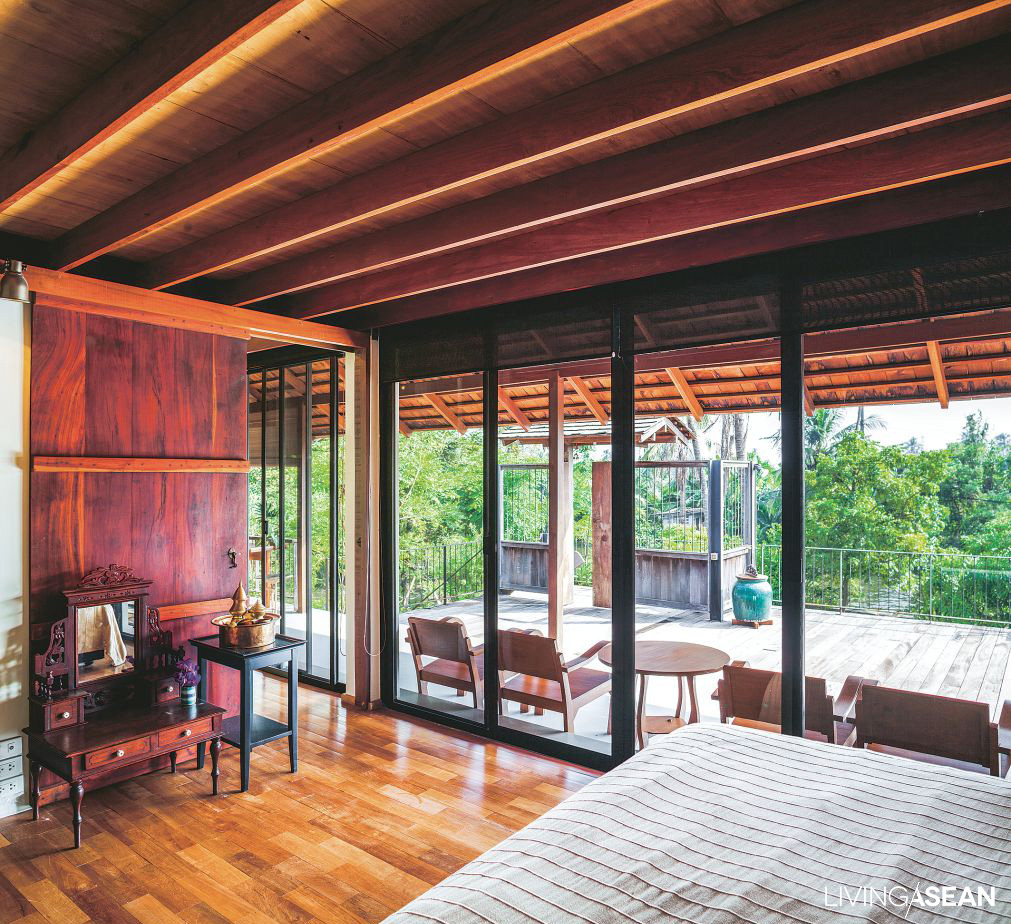
The result is a modern house plan where all the rooms are disposed around a center courtyard to create indoor thermal comfort. To bring eye soothing nature inside, large openings in the external envelope are added, further enhancing the relationships between the home and surrounding lush green landscapes.
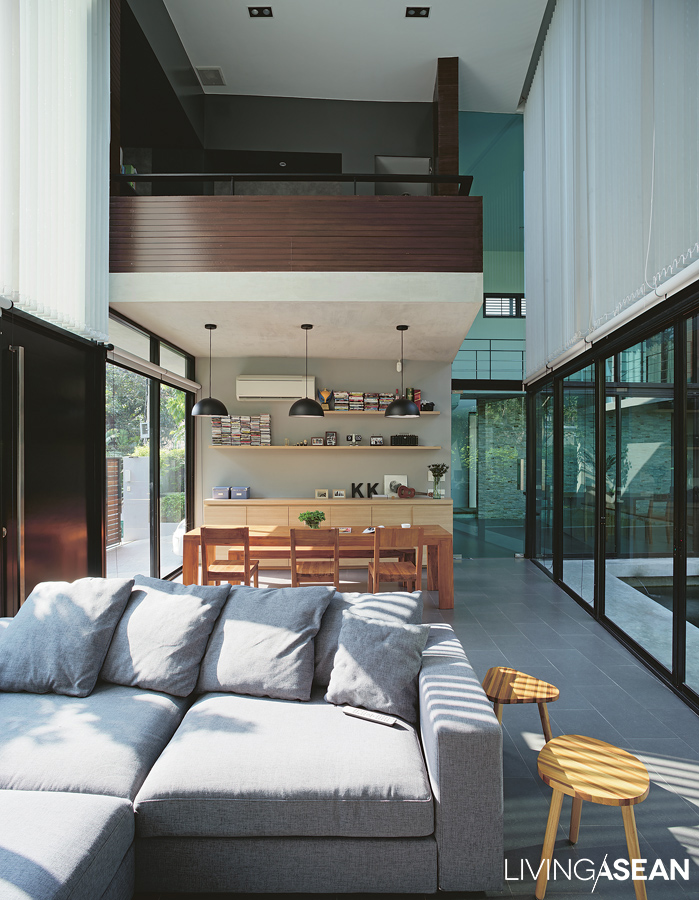
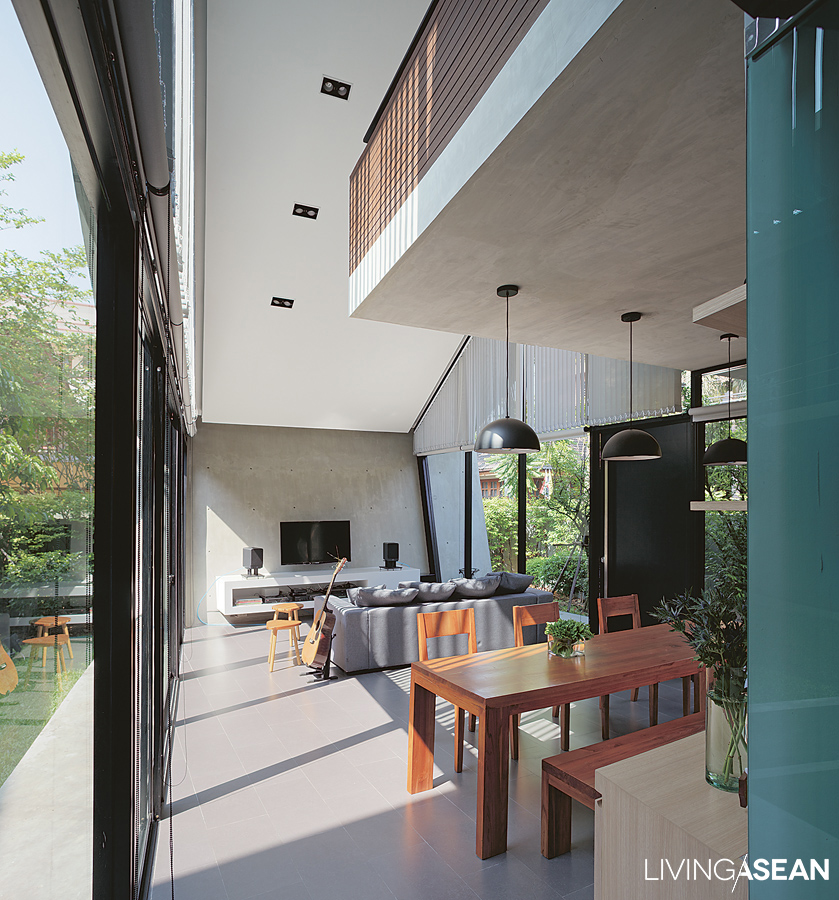
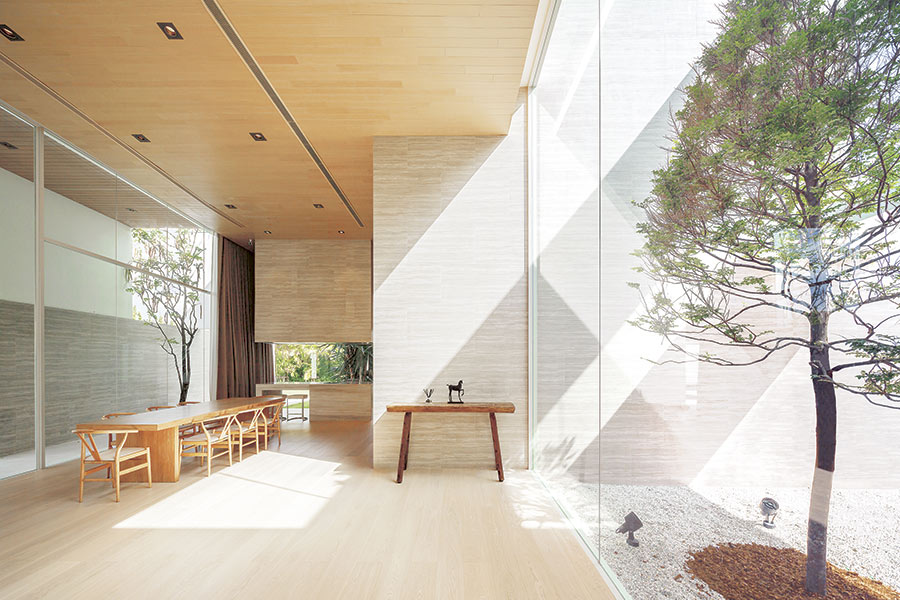
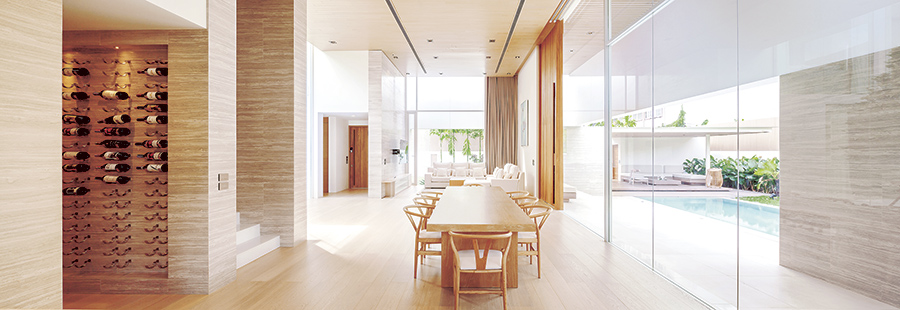
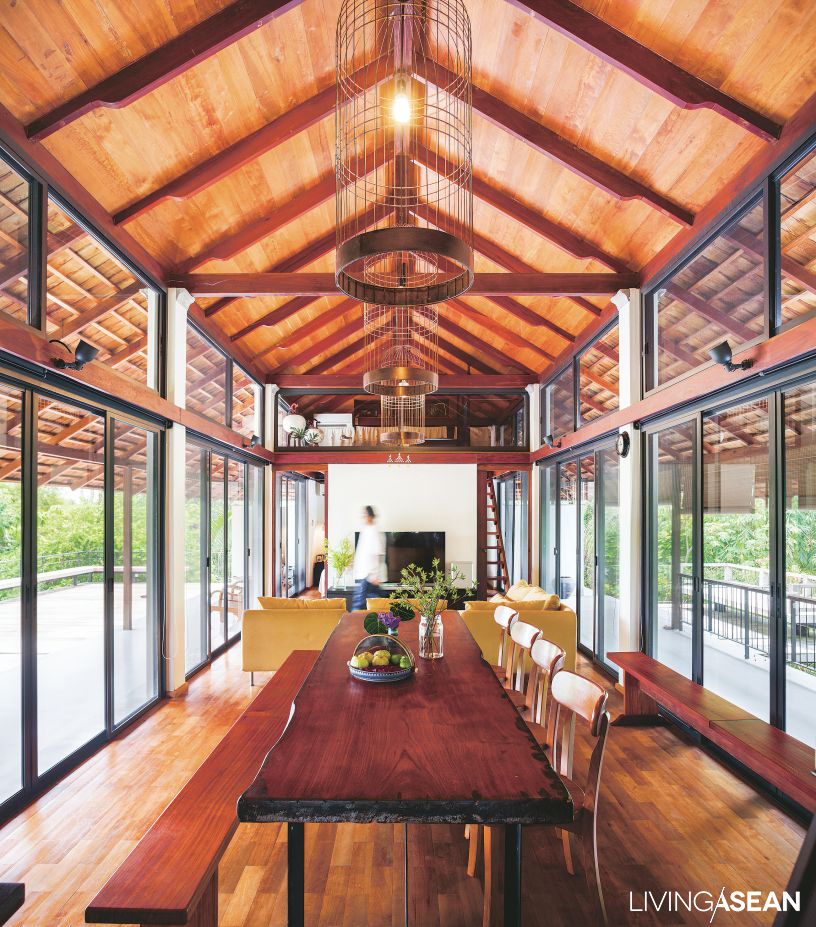
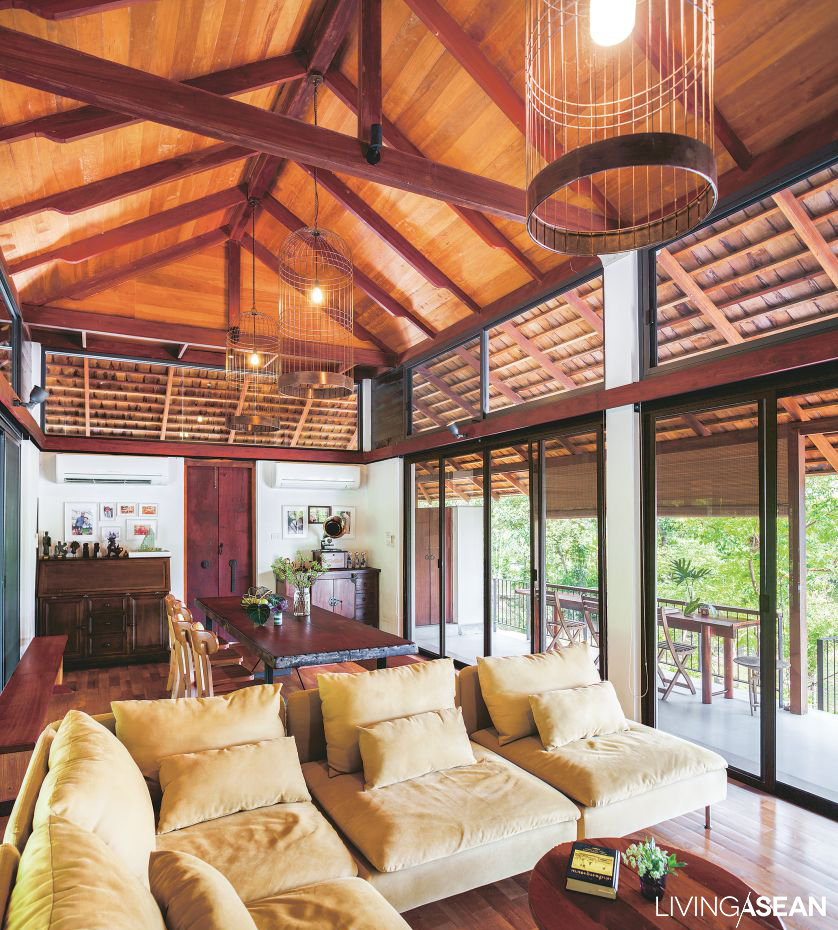
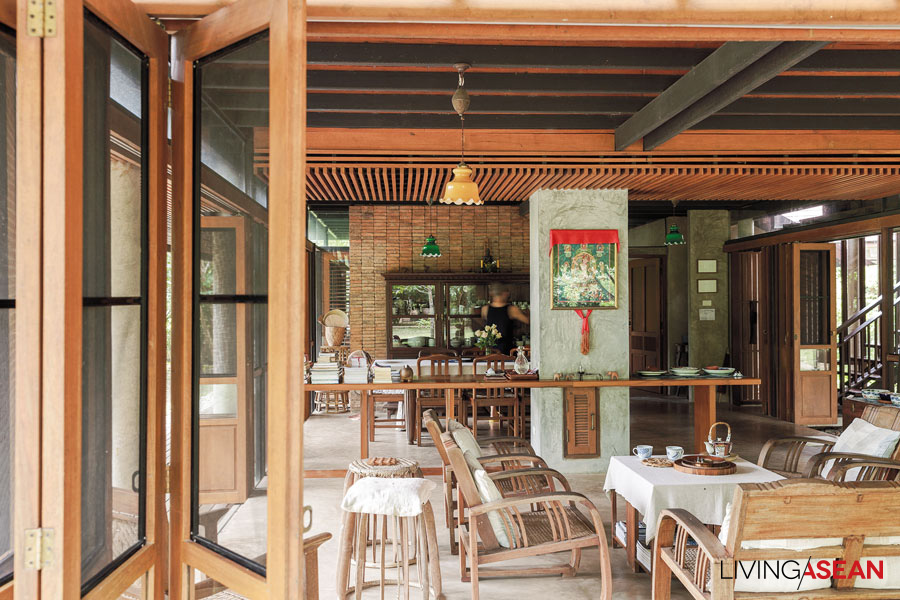
The living room is elegantly decorated with dining area at the far end and a small library on the mezzanine. It is bordered by glass walls on two sides; one overlooking lush lawns upfront, the other connecting to the inner courtyard that serves as engine driving air circulation.
modern house
Large glass walls on both sides of the room are there for obvious reason — bring the outdoors in.

As the architect puts it, “The U-shaped home plan is preferred over other styles. The front entrance sits facing north, which is good since it is considered to be less sun-intrusive.

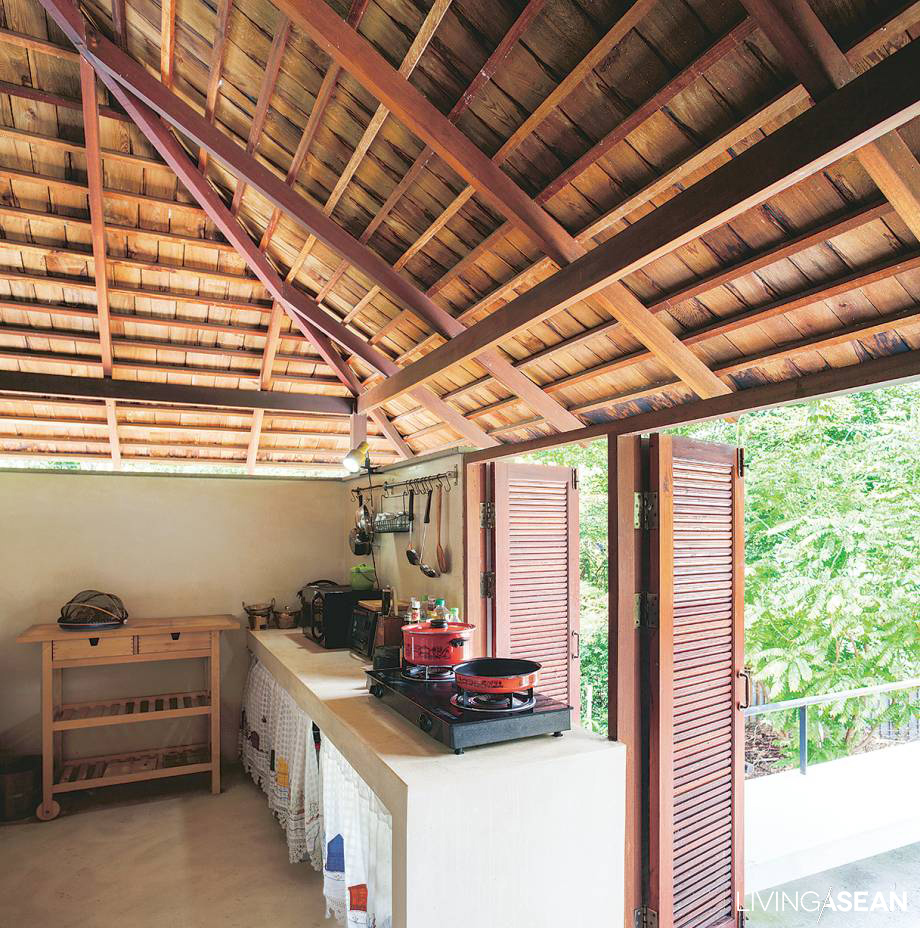
“The rear of the house faces due south and stays shut most of the time because it’s located close to neighboring houses. The west side is reserved for service areas with a music room and kitchenette, which confirms that home cooking is not a big part of the family lifestyle.

“For indoor thermal comfort, double brick construction is chosen to reduce heat transmission and protect the interior living spaces from hot sun. Well-thought-out planning ensures the back area is in shade for much of the day, thanks to the canopy of a mature tree courtesy of next door neighbors.”
modern house
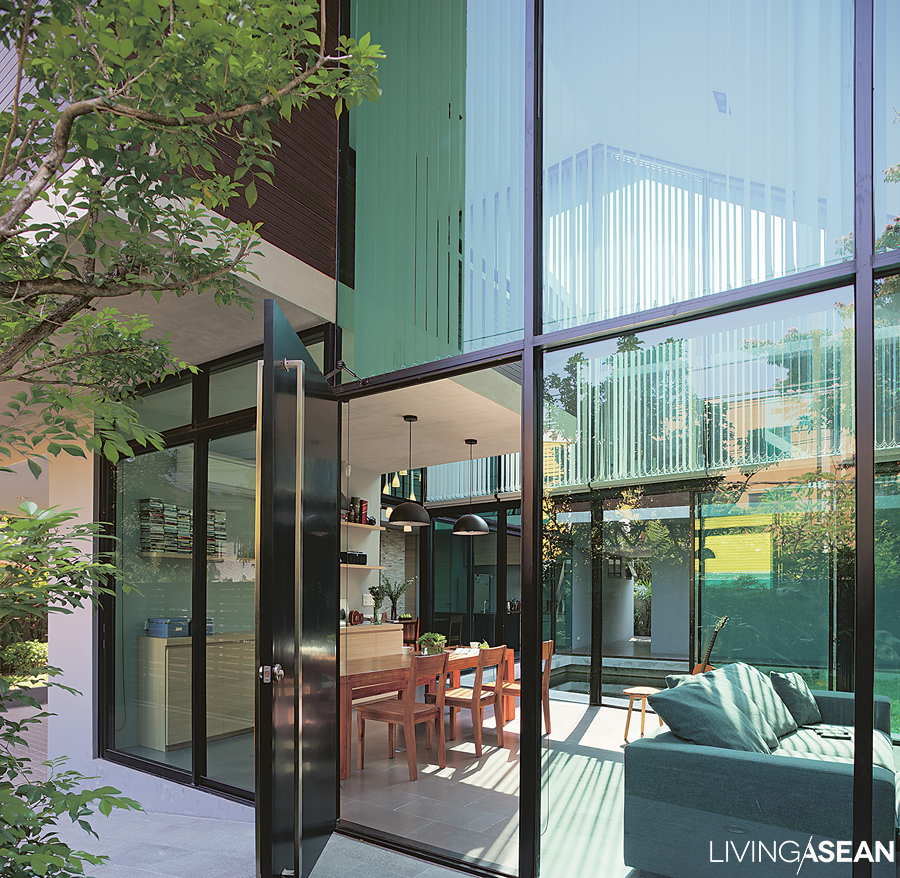
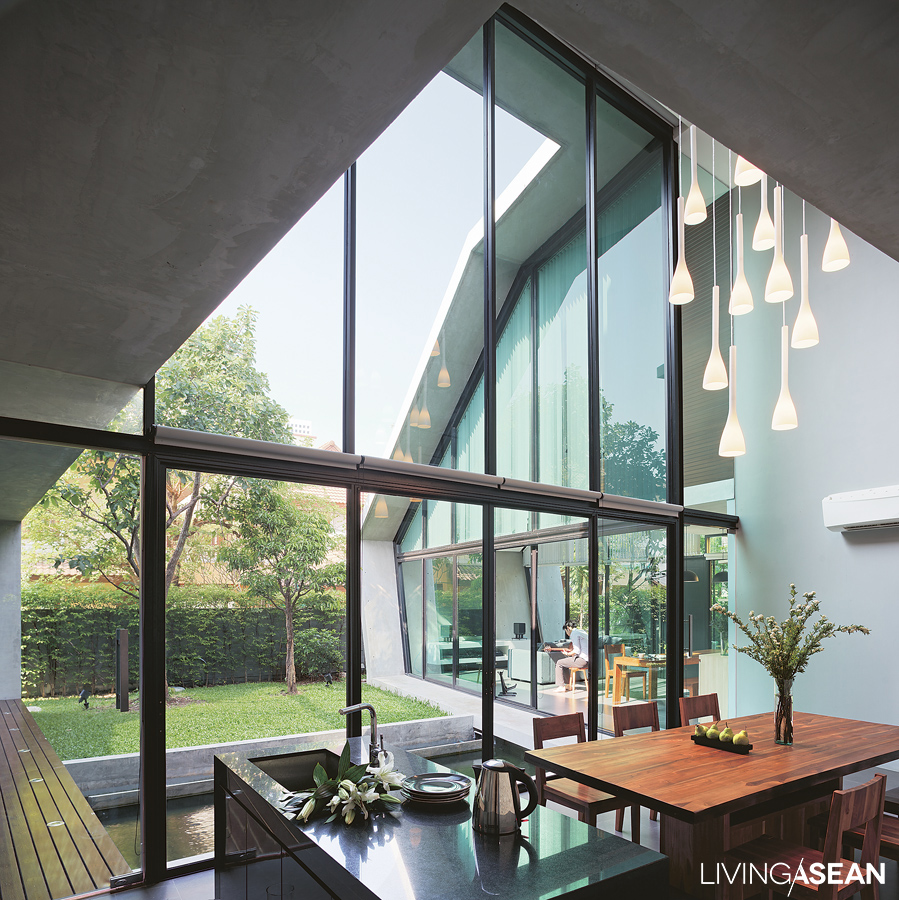
The living room and dining area feels bright and airy, thanks to the glass wall overlooking the center courtyard on one side. In the opposite direction, the big open sky can be seen in full view from inside the modern house.
modern house
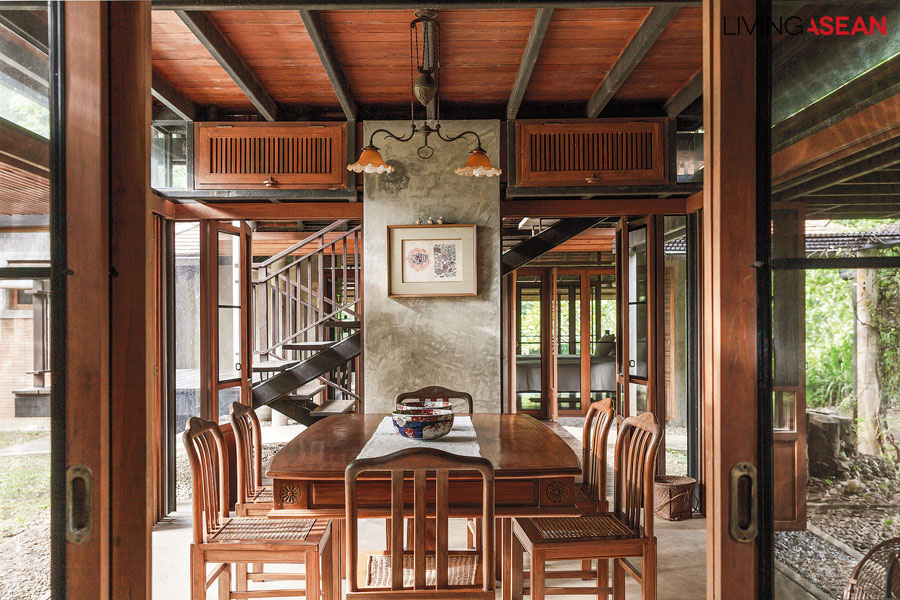
Located at the center of a U-shaped house plan, the dining room takes in the view of the courtyard garden and spacious sitting room on the right edge of the field.

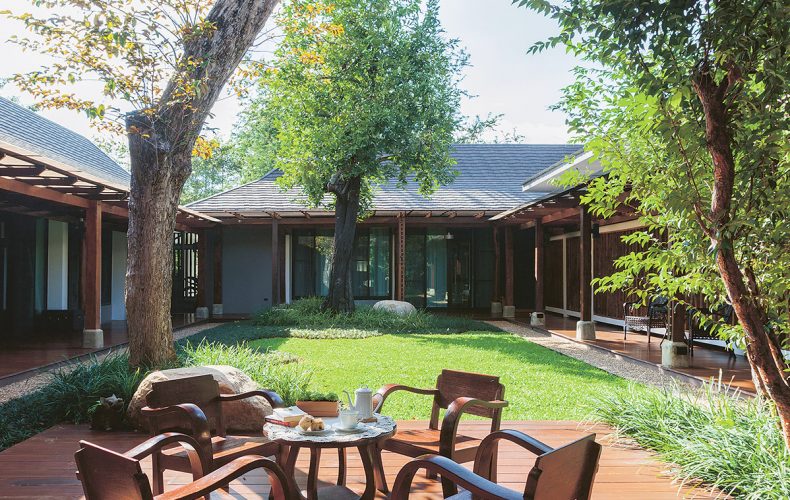
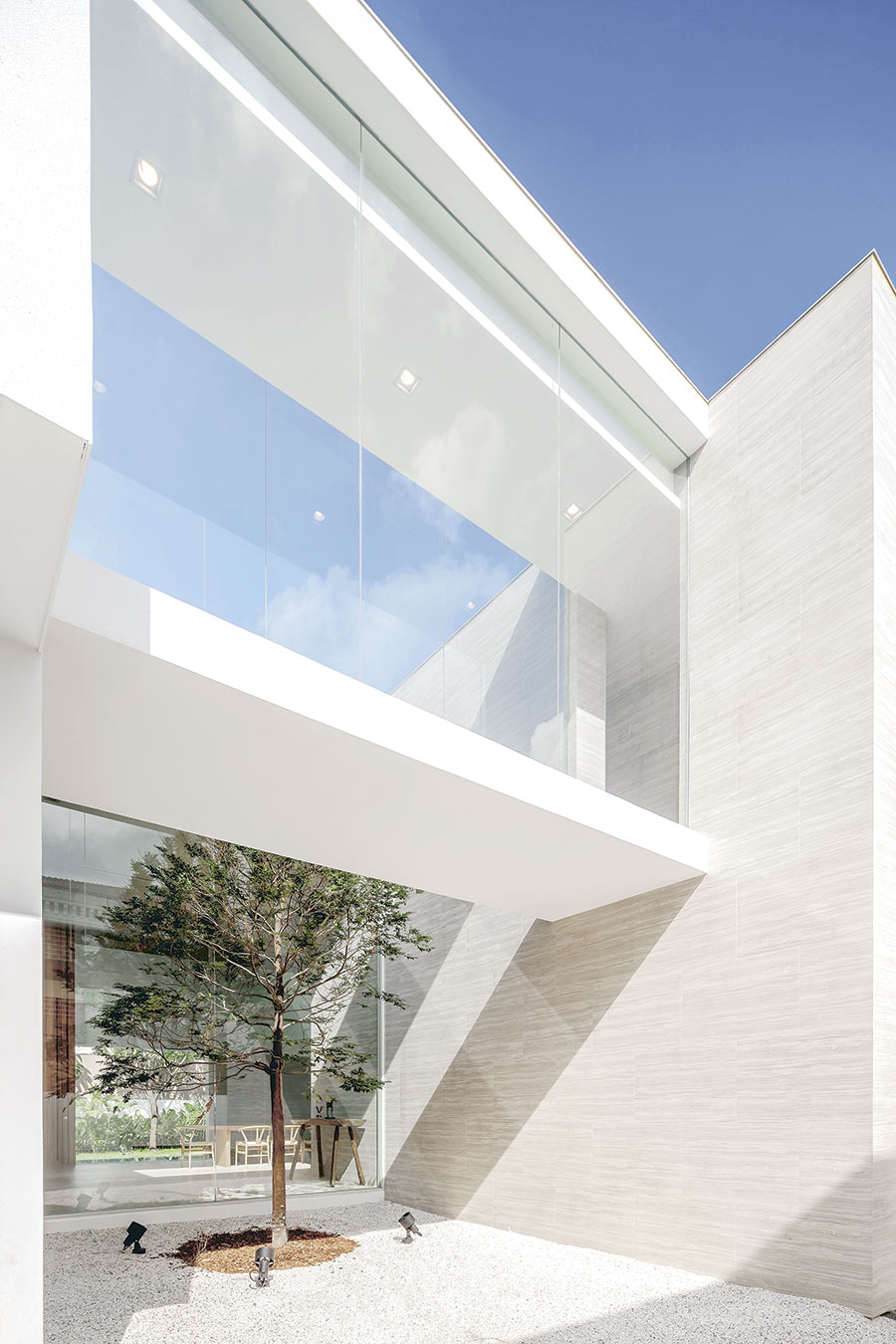
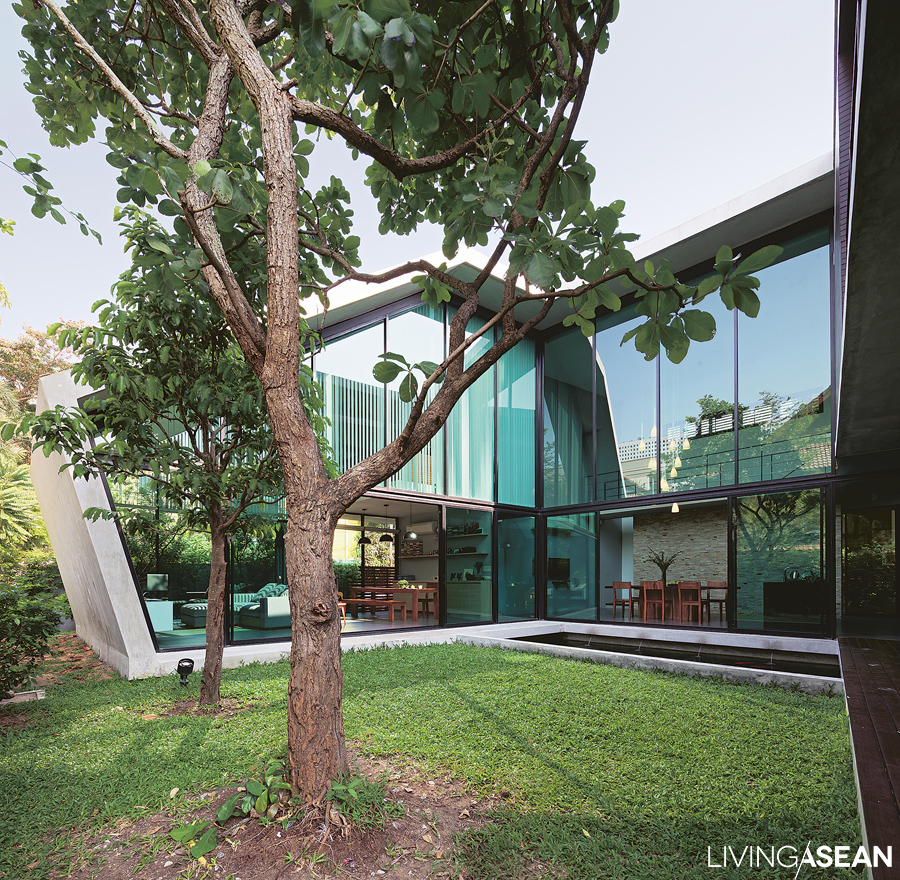
The U-shaped floor plan has a small body of low ground that transforms into an inner courtyard with lush lawns and greenery. There is an Indian oak, or freshwater mangrove tree (scientific name: Barringtonia acutangula) that is now in top form providing a continuous layer of beautiful foliage.

Nearby a Spanish cherry, or bullet wood tree (scientific name: Mimusops elengi Linn) grows into a full crown. It was a house-warming present from Dad. At the center, a small pond adds a touch of nature to the courtyard garden. It’s the natural focal point that connects to practically every part of this modern house.
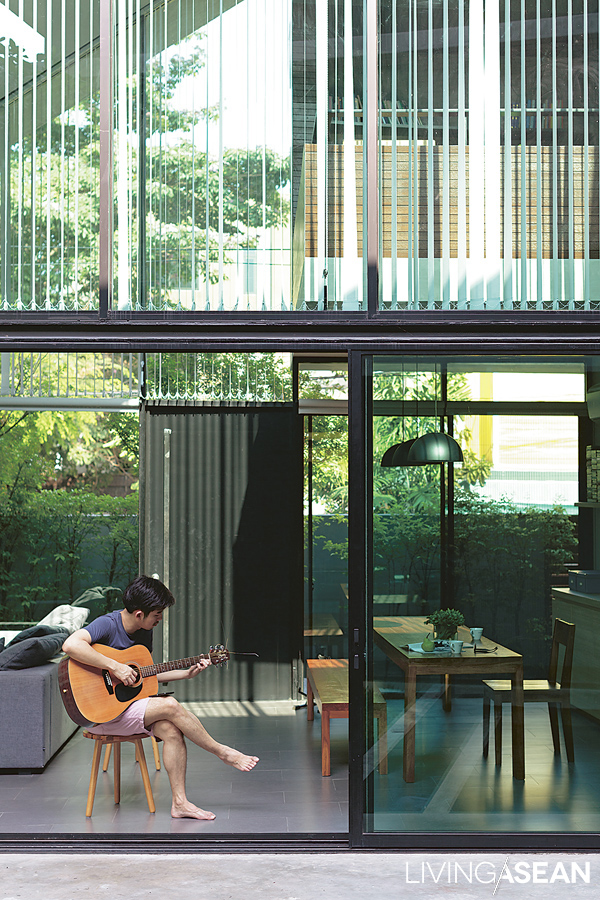
The living room and dining area is enlivened by tall glass walls and sliding doors designed to promote natural air circulation in the home. Plus, they create visual continuity that makes the idyllic inner courtyard very much a part of the interior living spaces.

Sharing his little slice of paradise, homeowner Kongyot Kunjak said: “I like to spend more time in the courtyard. In the morning, I would sit down for coffee at the table here looking out the window enjoying the garden view.

“The courtyard with a water pond surrounded by trees and shrubbery provides a place to relax and unwind. It’s refreshing to reconnect with nature and be able to bring the outdoors into the home. In the evening, the very pleasant garden ambience can be seen from inside the living room.

“Whether for work or for social gatherings, it’s wonderful to be here and experience nature every day, albeit from an indoor perspective.”
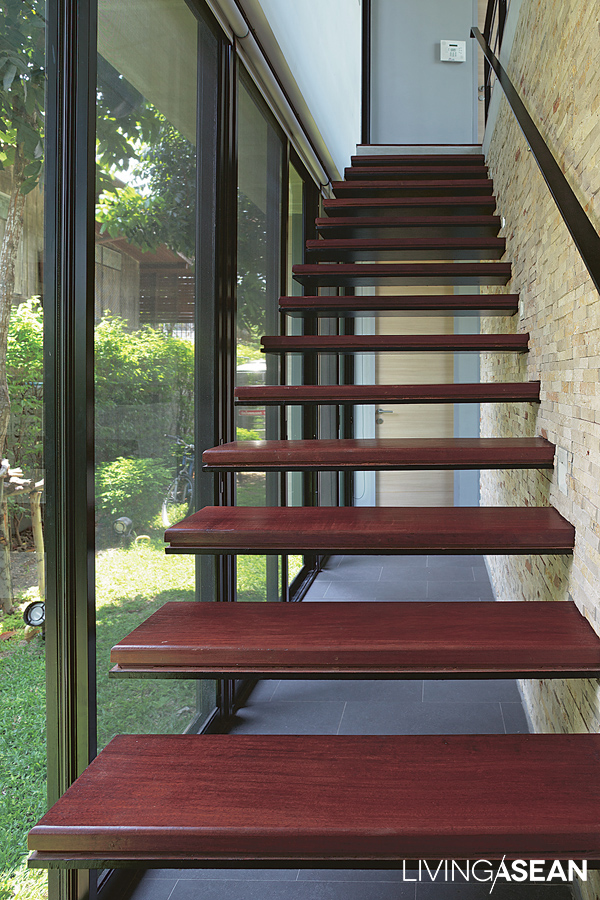
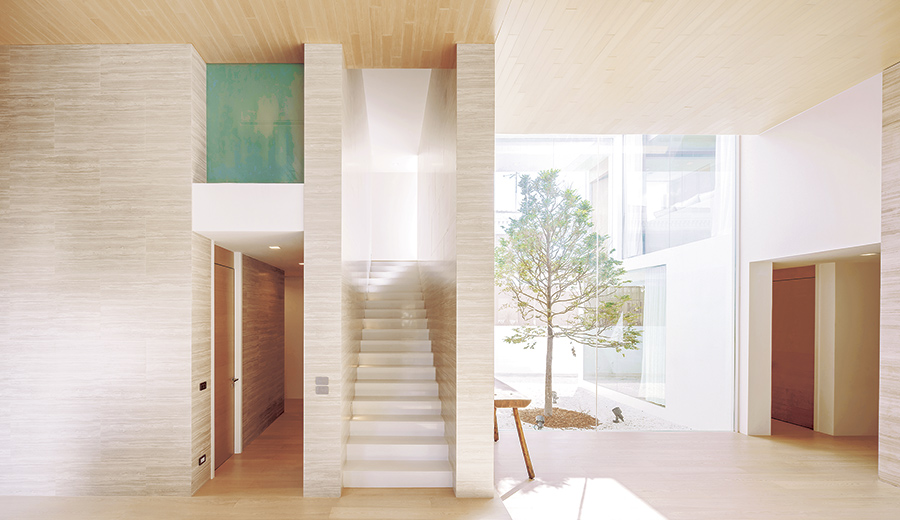
A flight of stairs leading to the upper floor is cantilevered out from the wall. With one end anchored securely in the stone wall, the steel treads appear to hover in midair. For strength and durability, each support plate is 20 millimeters thick. Nearby, glass walls standing tall from floor to ceiling ensure a good view of the garden.

As might be expected, the house plan best suited for the hot and humid climate is one that’s spacious, well-lit and well-ventilated. In this particular case, indoor thermal comfort is achieved by shielding all the areas exposed to danger of too much sun.

In the meantime, it’s a good idea to open up the part that connects to the natural surroundings. In essence, it’s about creating design capable of interacting with nature. In the fewest words possible, when the home breathes easily, every day is a breath of fresh air for the house occupants. Innit?
modern house
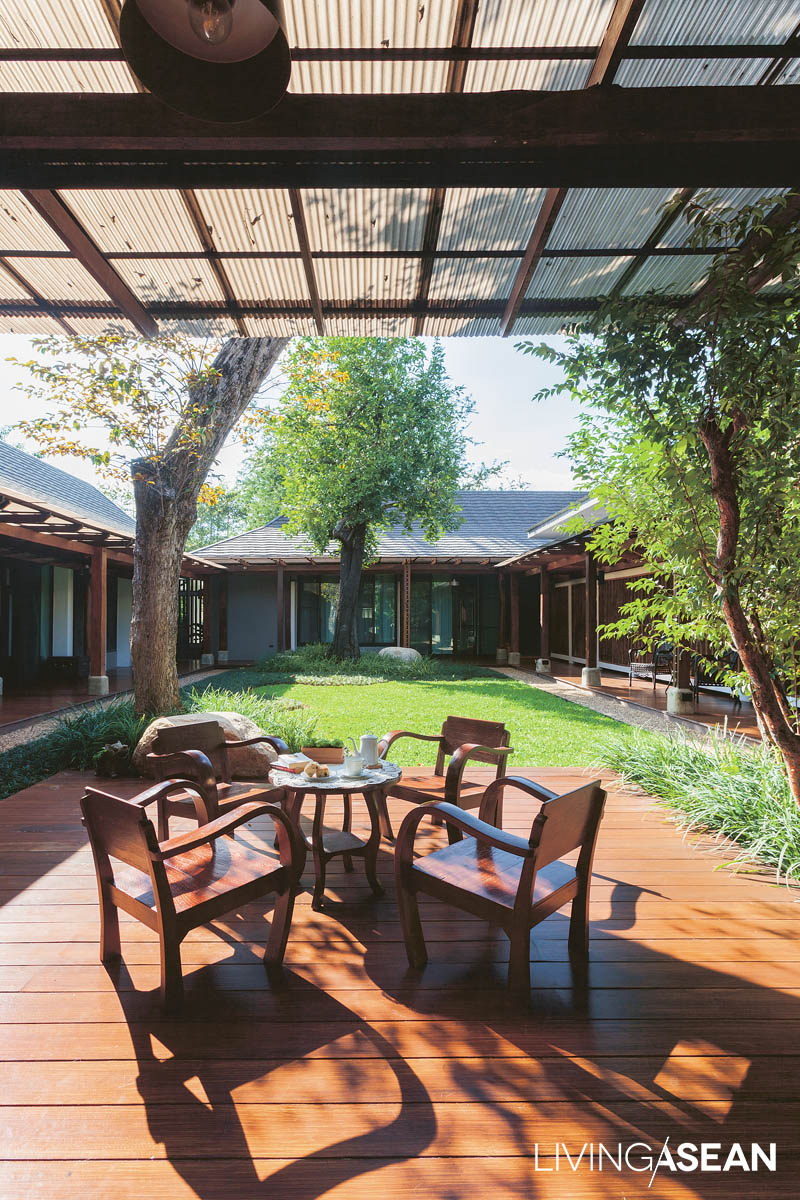
An Indian oak, or freshwater mangrove tree (Scientific name: Barringtonia acutangula) develops well to keep the inner courtyard in shade for much of the day. Its lush green crown adds rejuvenating effects to the garden landscape.

Owner: Kongyot Kunjak

Architect: Nantapon Junngurn


Visit the original Thai article…
อยู่ร่วมกับธรรมชาติในแบบบ้านสไตล์โมเดิร์น


You may also like…
The Beauty of Simplicity in a Single-Story Home

Box-Shaped House with a Tropical Style GardenBox-Shaped House with a Tropical Style Garden

Lottery Recycling Ideas / Nothing Goes to Waste

Lottery Recycling Ideas / Nothing Goes to Waste

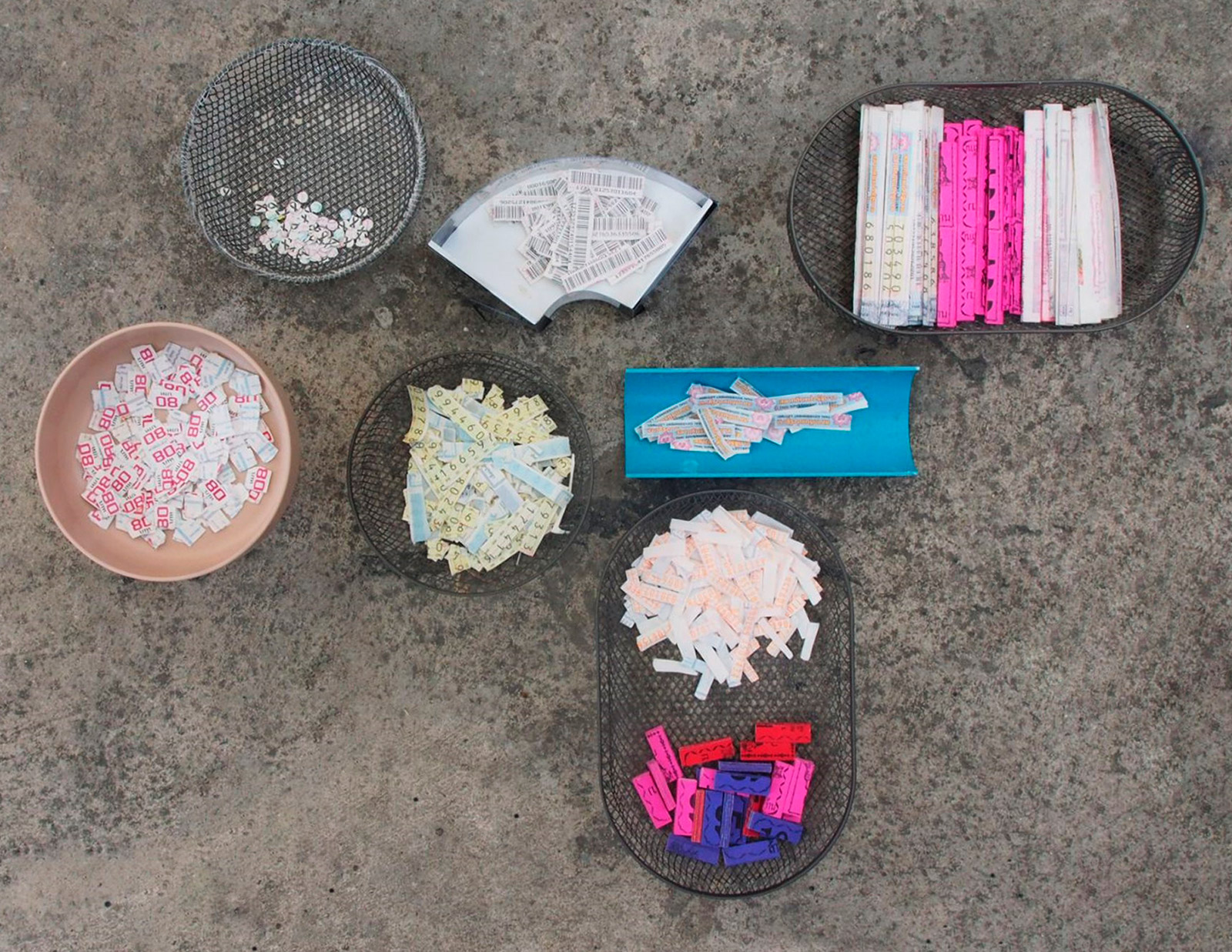
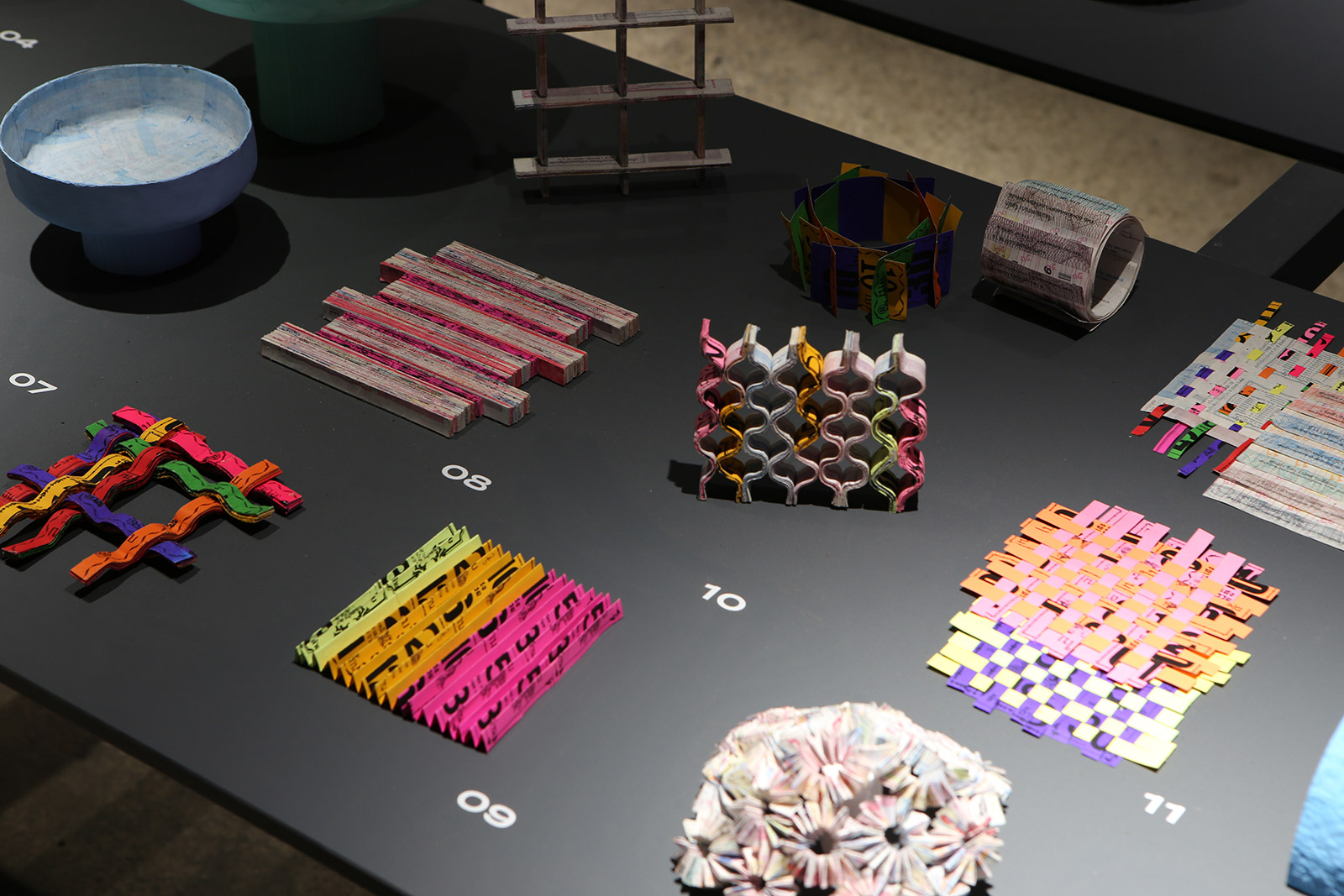
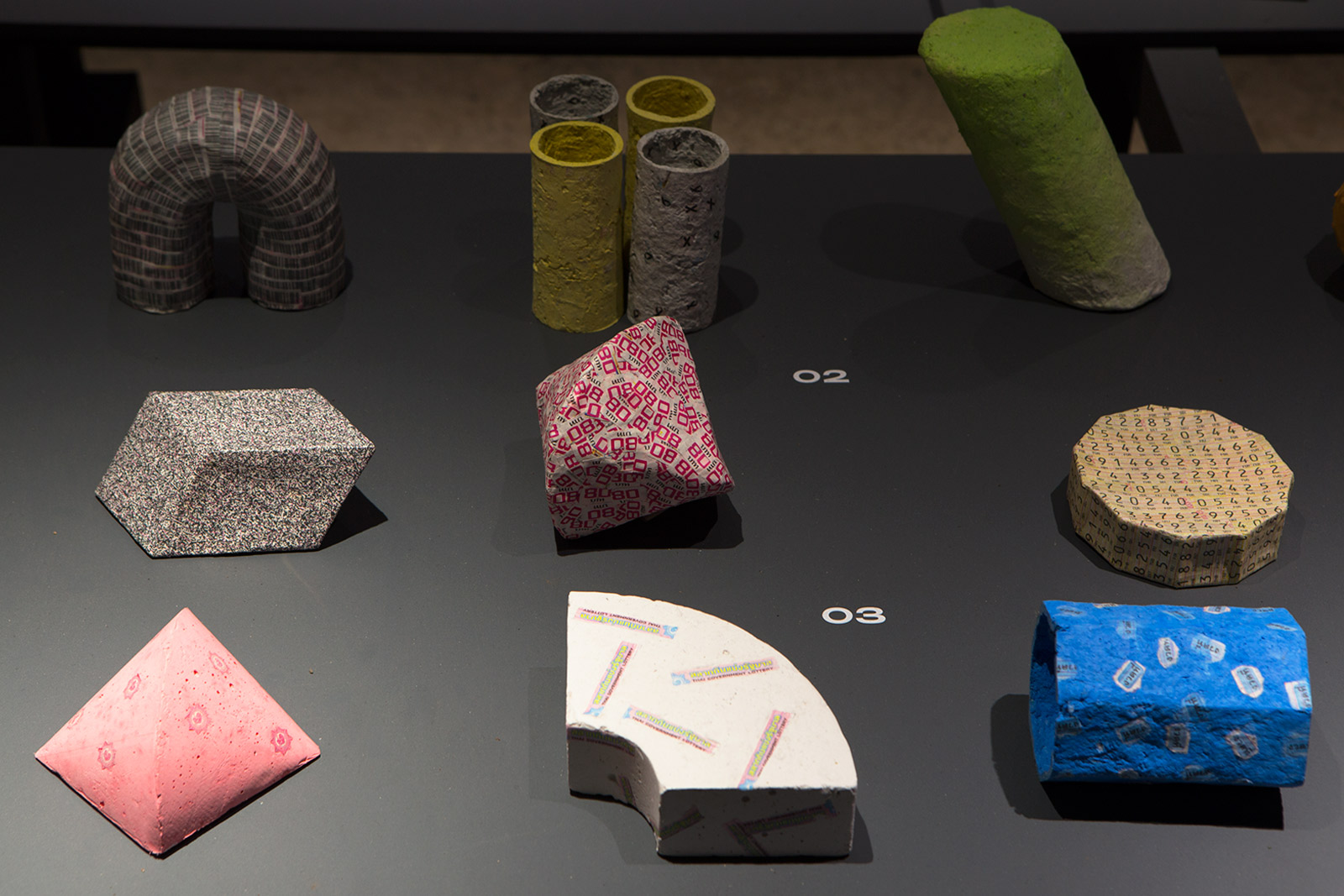
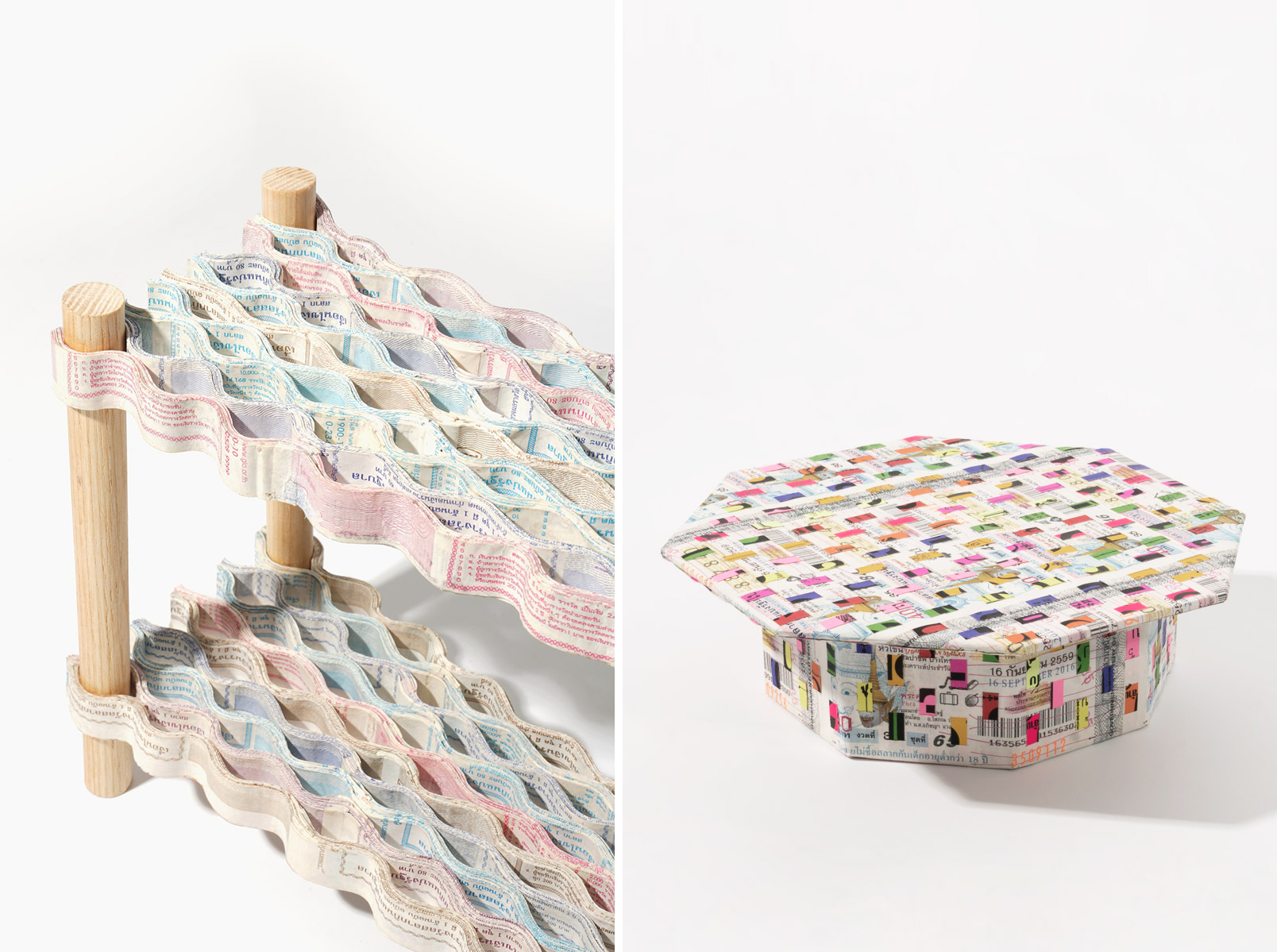
The Bangkok Design Week that ended February 3 was a confluence of many great ideas, among them products of a collaboration between two homegrown designer groups, Thinkk Studio, and Studio 150. Their waste recycling ideas shone with excitement at a show called “City Materials”.

/// Thailand ///

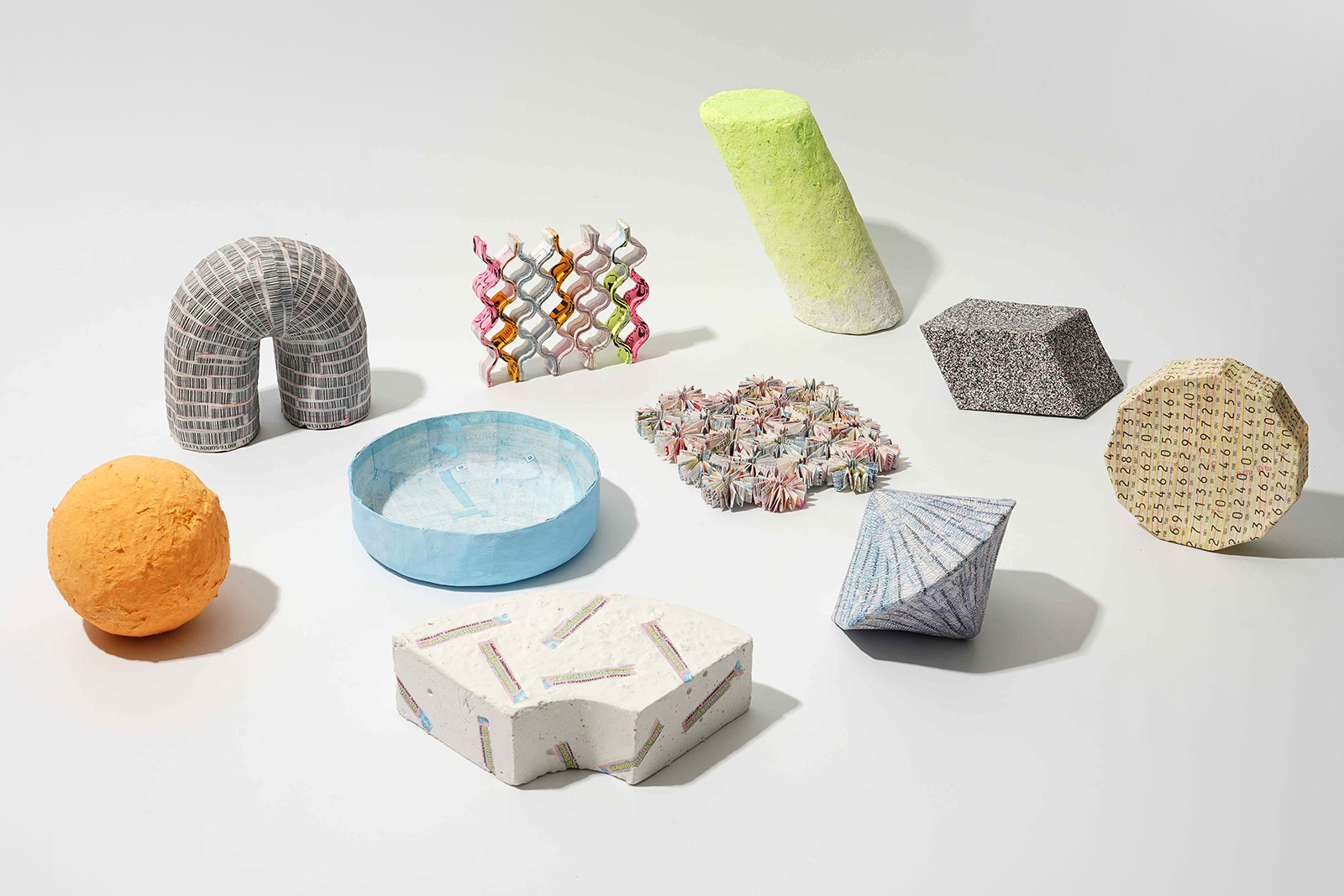
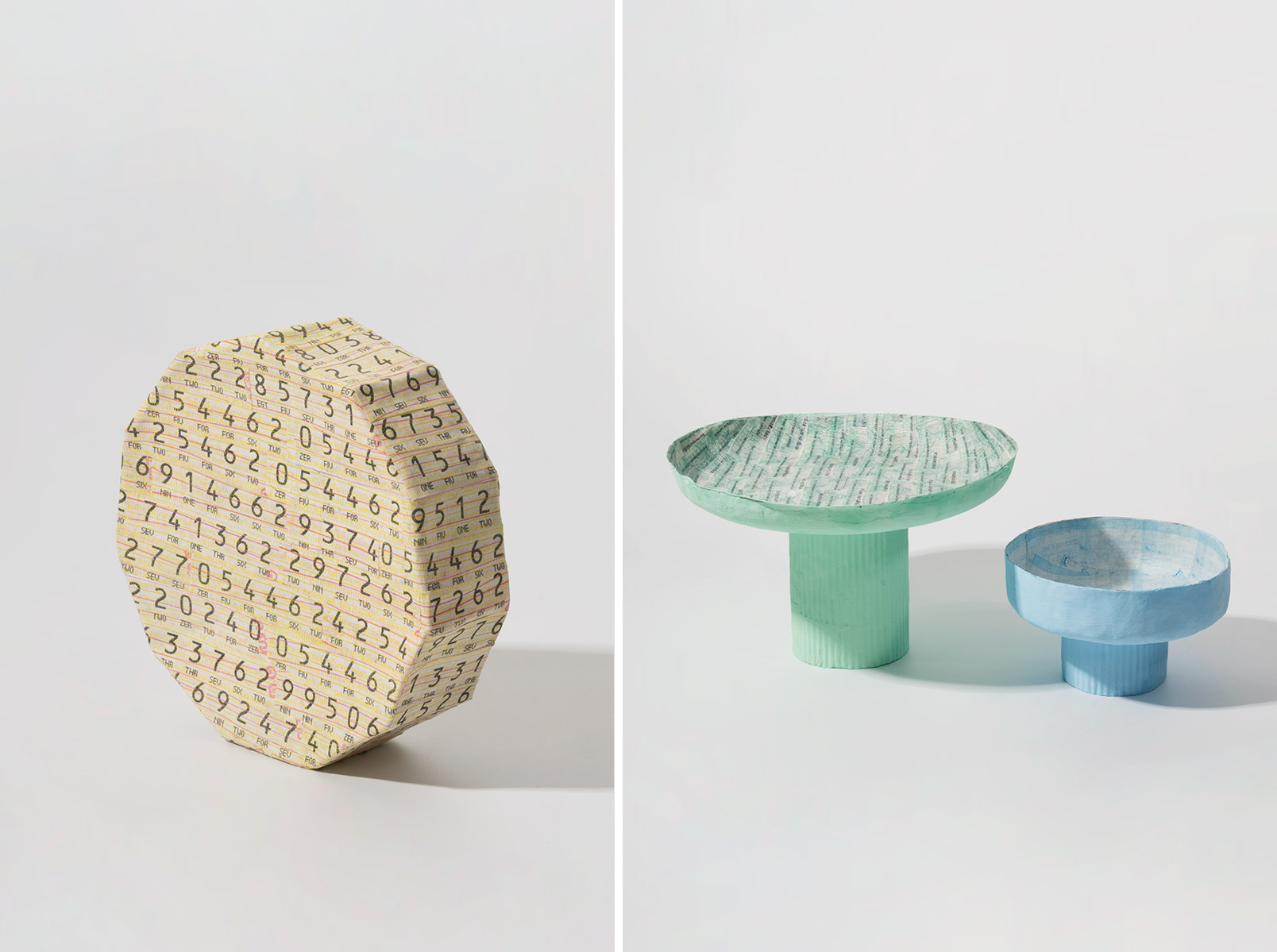
A variety of interlacing designs made from strips of lottery paper waste.
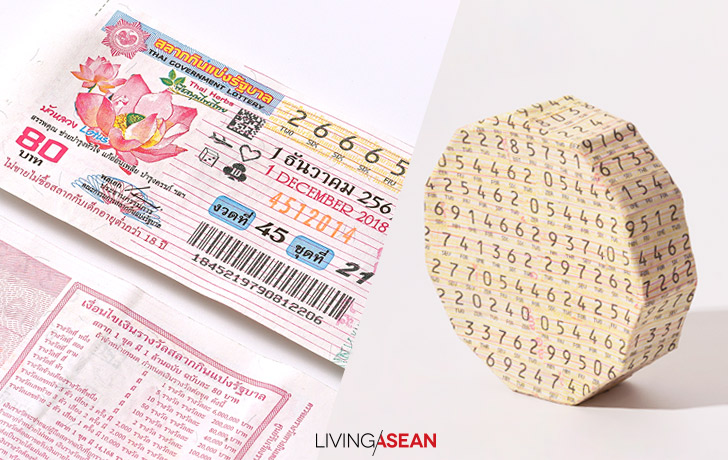
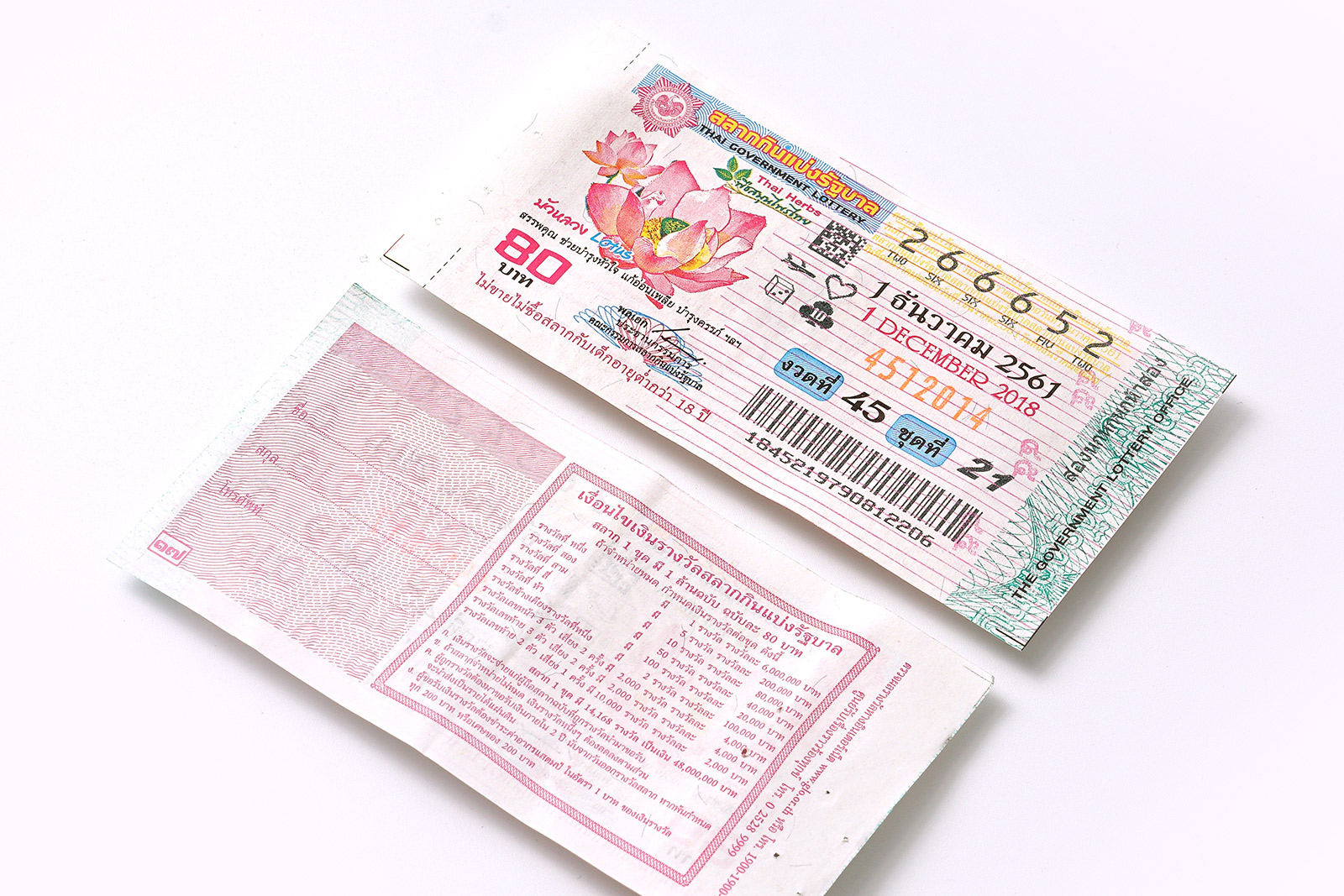
Thailand lottery tickets

The seat of government of Thailand, Bangkok is renowned for being a regional trade and economic hub, as well as home to many established and up-and-coming designers. Much of the large, densely populated city is not covered with forest. Nor does it have a wonderful richness of industrial materials. But, do you know this?

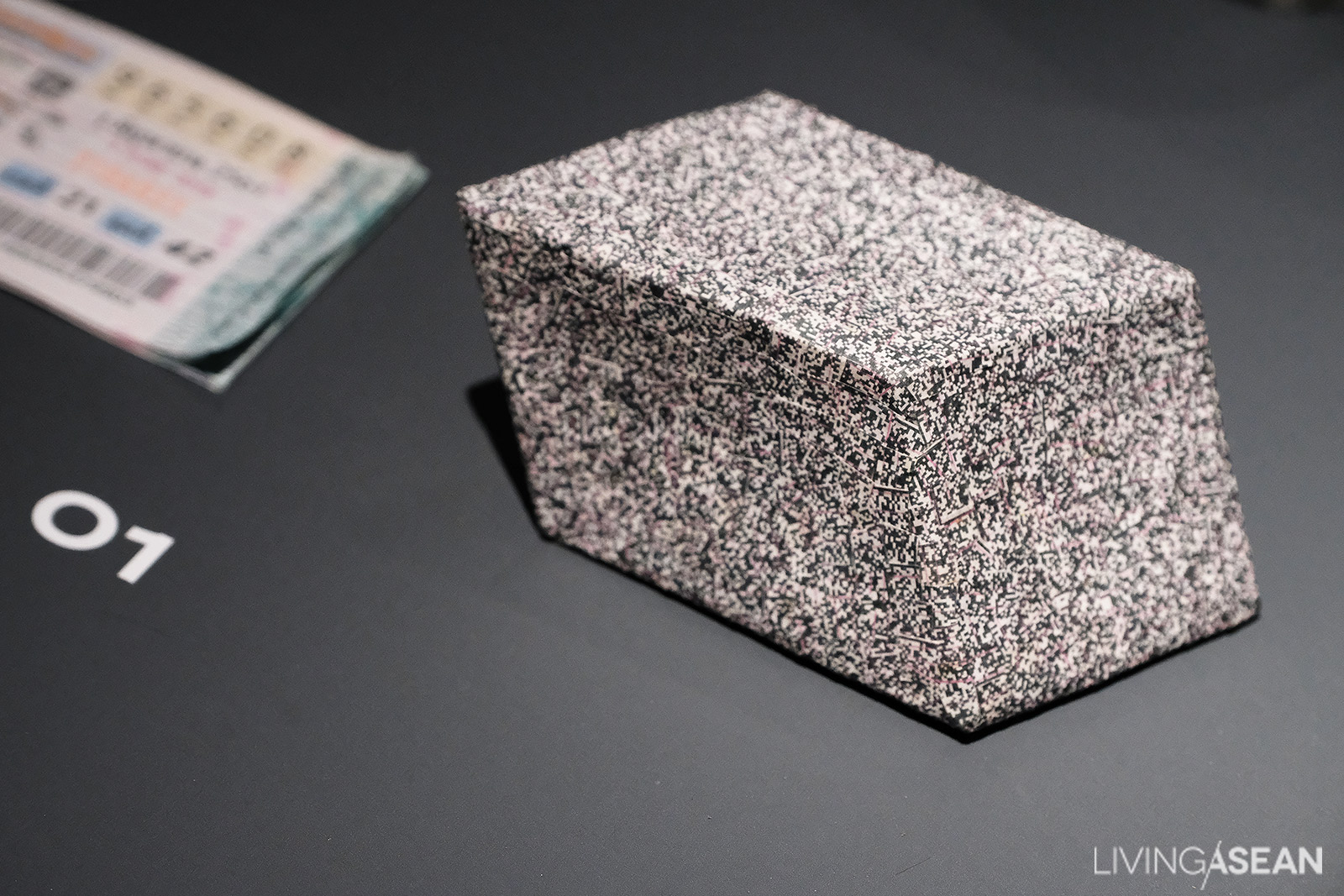
Every fifteen days, the number of lottery tickets and packaging material printed in Bangkok is enough to cover 173 football fields. Of that amount, a whopping 98.6% accounted for the tickets that didn’t win. Not only that, lottery tickets are printed on special grade, water-repellent paper that doesn’t break down easily. All things considered, that’s a whale of a job for paper recyclability.

A spinning toy for kids, the top, is made of a bundle of lottery paper strip.

Where most would see useless waste materials, the two designer groups see endless possibilities. Thinkk Studio creatives, in association with their design peers at Studio 150, have researched and experimented with lottery paper waste for some time. They succeeded in recycling it in ways that could answer specific design, art and craft and industrial needs in future.


“City Materials” showcased five materials the joint team has recycled from wood chips, plastic bags, incense sticks and ashes, coffee grounds, and discarded building supplies sold for scrap. For a glimpse into their design ideas.

A collection of papier-mache constructed out of QR Code sections of the lottery tickets. The malleable mixture, three-dimensional object becomes hard when dry.


You may also like…

DEMARK AWARD 2018 / DESIGN EXCELLENCE AWARD
PICTURES THAT TELL STORIES: BANGKOK ART BIENNALE 2018 (PHOTO ESSAY)
modern house
IN NATURE’S PEACEFUL EMBRACE
A Day Trip Through Yaowarat / Chinatown Bangkok

A Day Trip Through Yaowarat / Chinatown Bangkok

The historic business hub of Bangkok is on CNN’s List of “Best Districts for Street Food” and “Top Ten Chinatowns in the World”. Whether it be fine dining or quick one-dish dinners, you can find some of the best meals in Yaowarat. Combine your favorite pastimes into one-day adventure. Living ASEAN recommends stopping by these places.

/// THAILAND ///

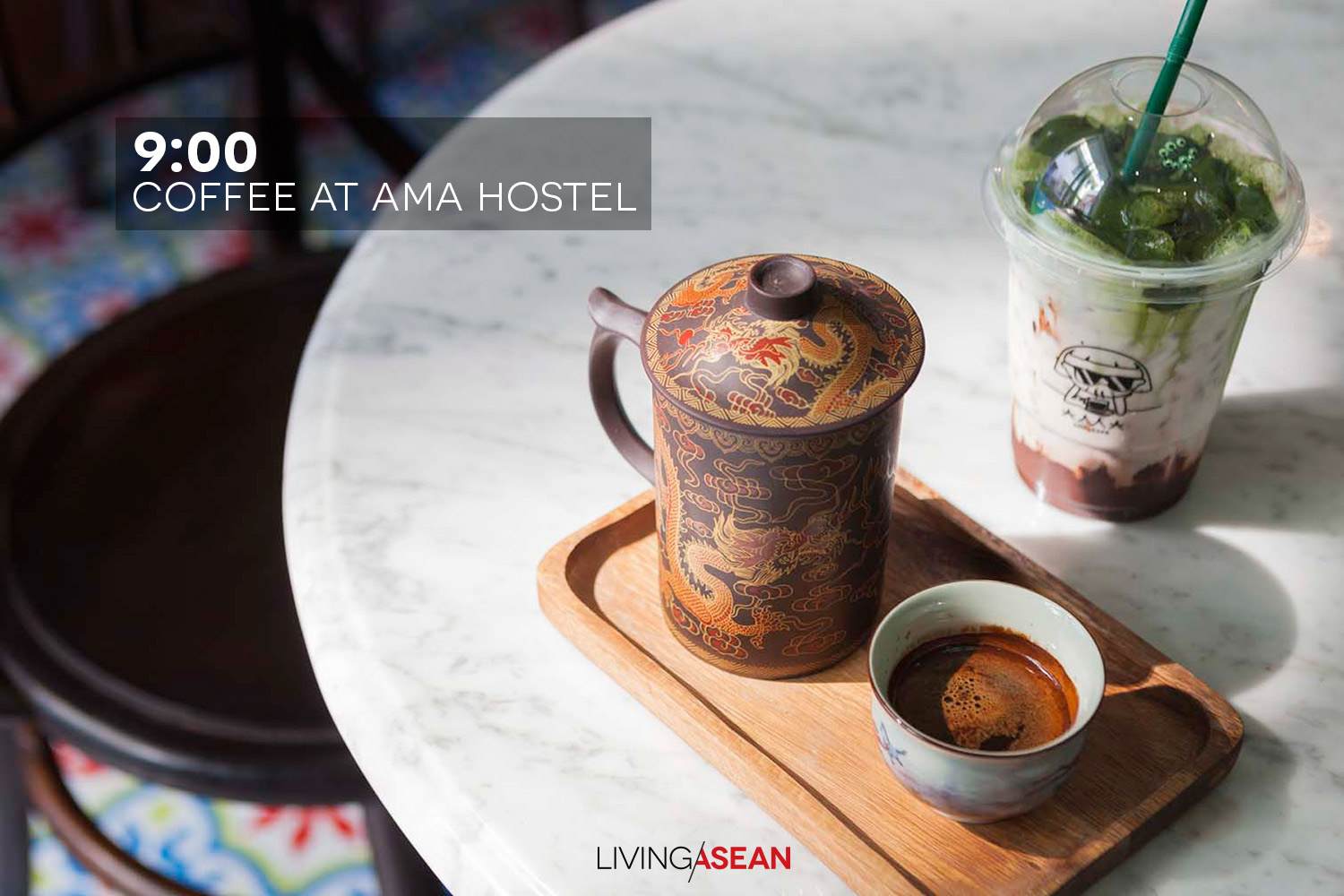
9:00 Coffee at Ama Hostel

Start your day at Ama Hostel Bangkok, a recently renovated Chinese style building located at 191 Soi Sapanhan off Chakkrawat Road in Samphanthawong area. The café in the forward section of the hostel offers coffee that smells so good. There’s nothing like the warm aroma of a steaming cup of coffee to wake you up to a beautiful day in old Chinatown. Nearby, push cart vendors serve delicious Kuichai meals and Kuay Jub noodes.


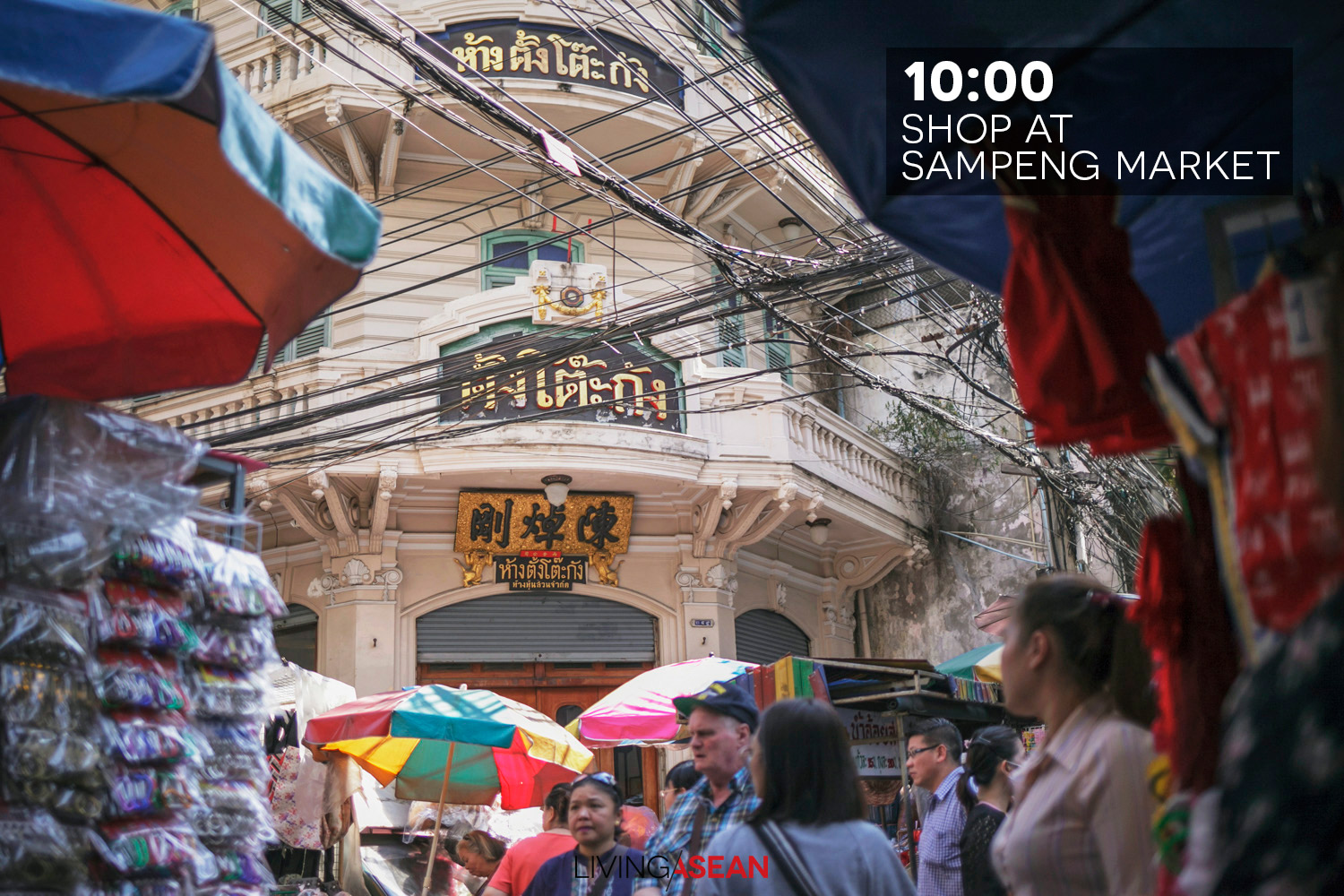
10:00 Shop at Sampeng Market and Yaowarat

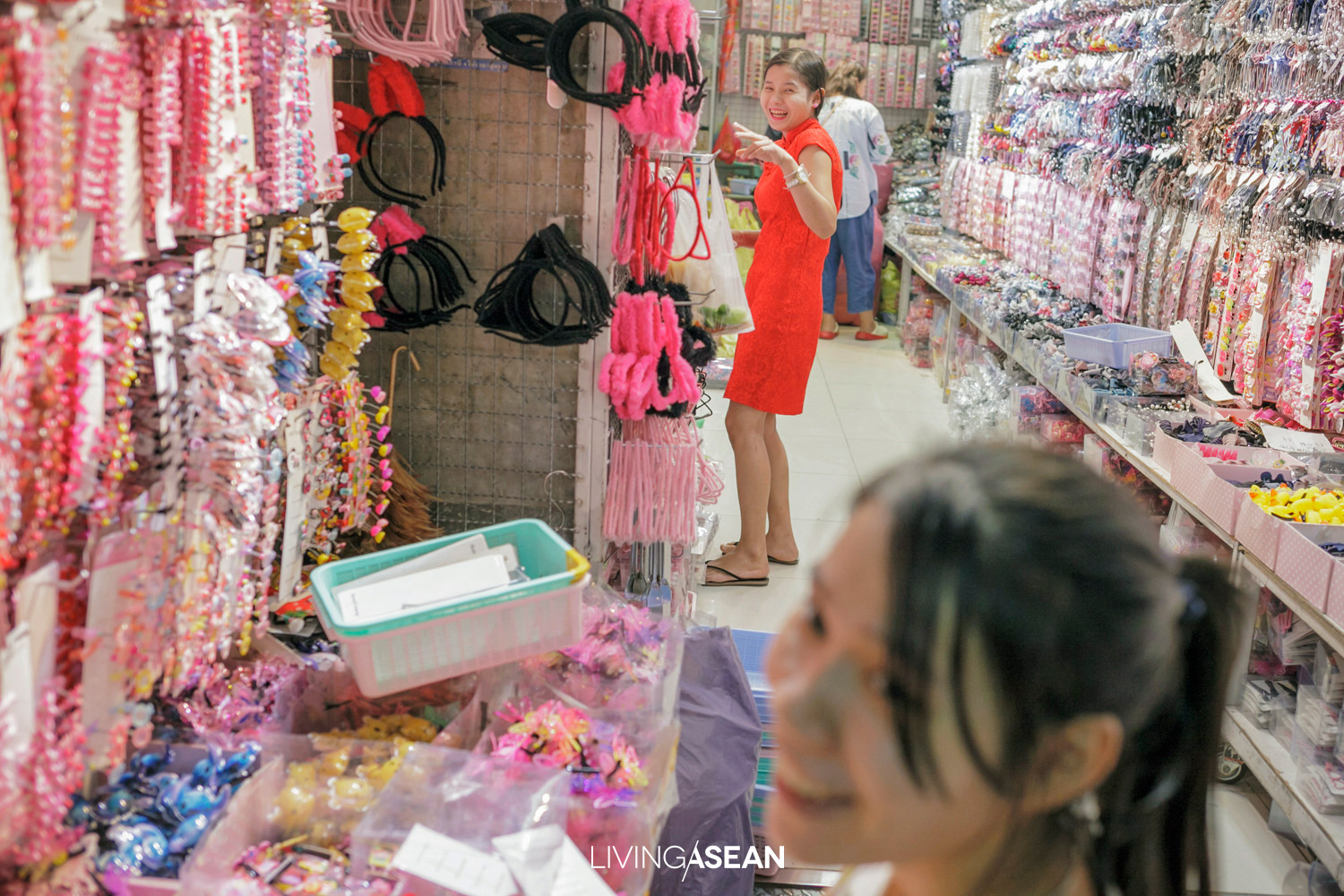
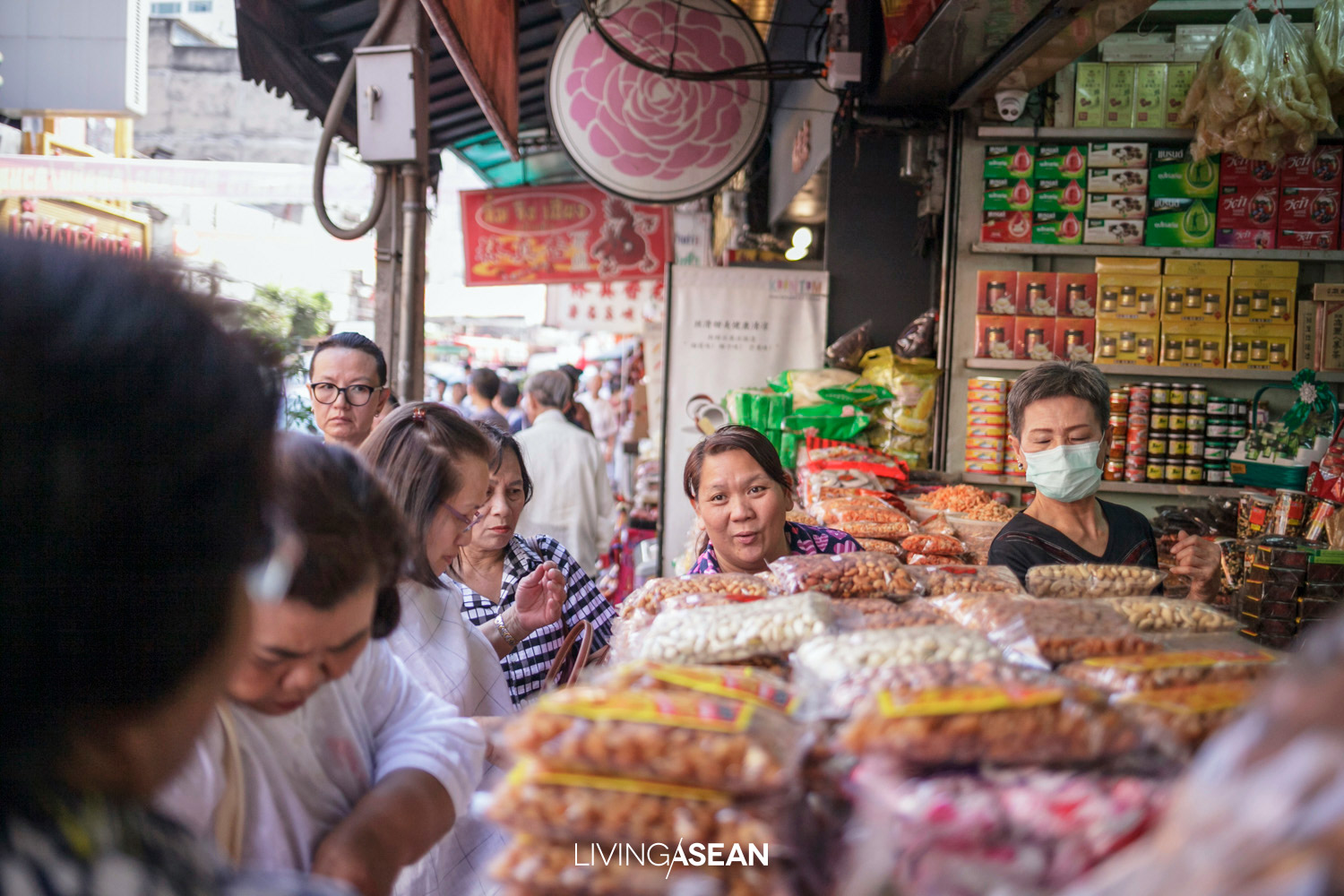
A stone’s throw away from Ama Hostel stands Sampeng Market, a shopper’s paradise for goods at bargain prices, both retail and wholesale. The area is well known for many gift shops and stores selling fabrics, clothing and accessories, toys and seasonal decorating materials. Follow Chakkrawat Road and you come to Yaowarat Road.


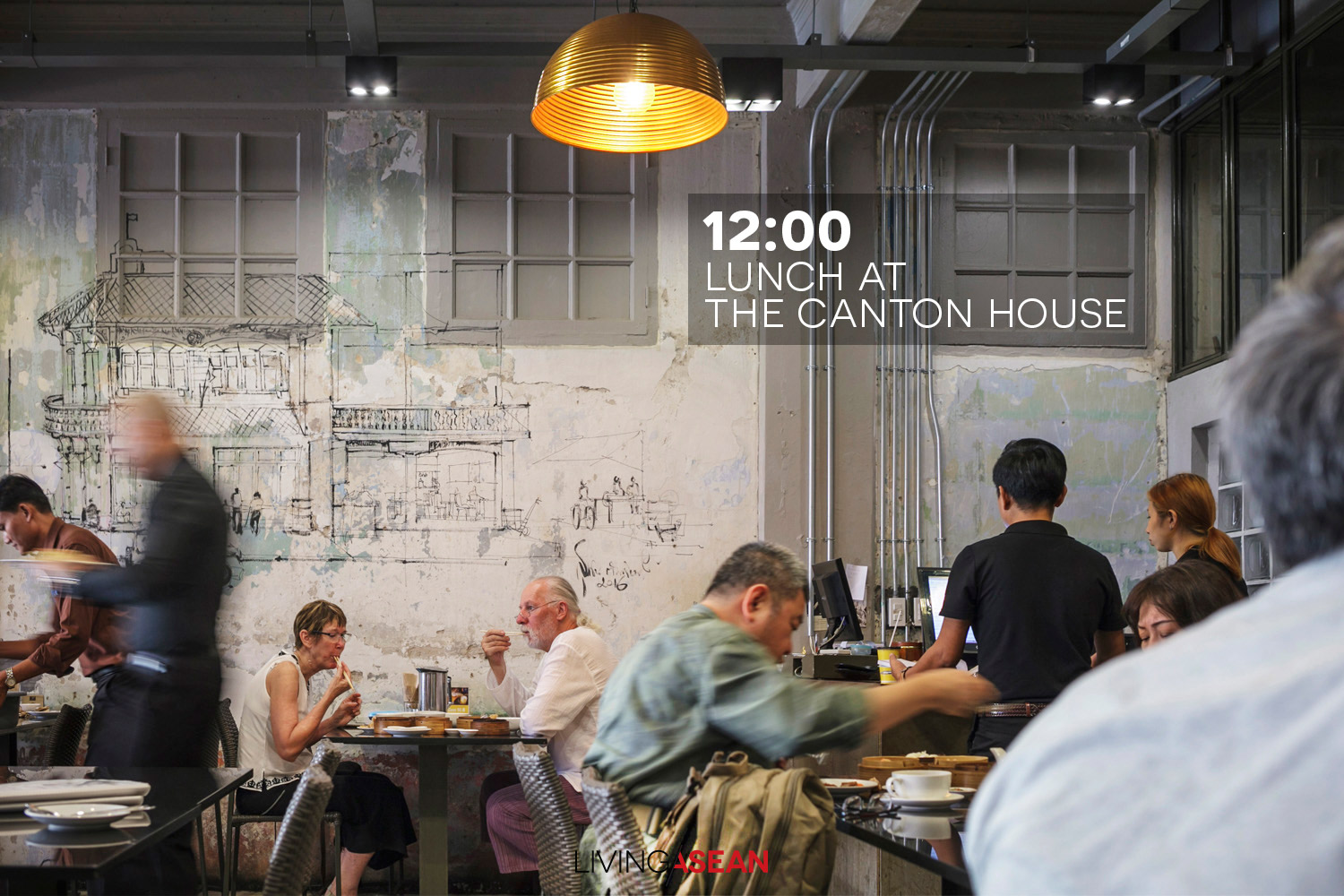
12:00 Lunch at the Canton House

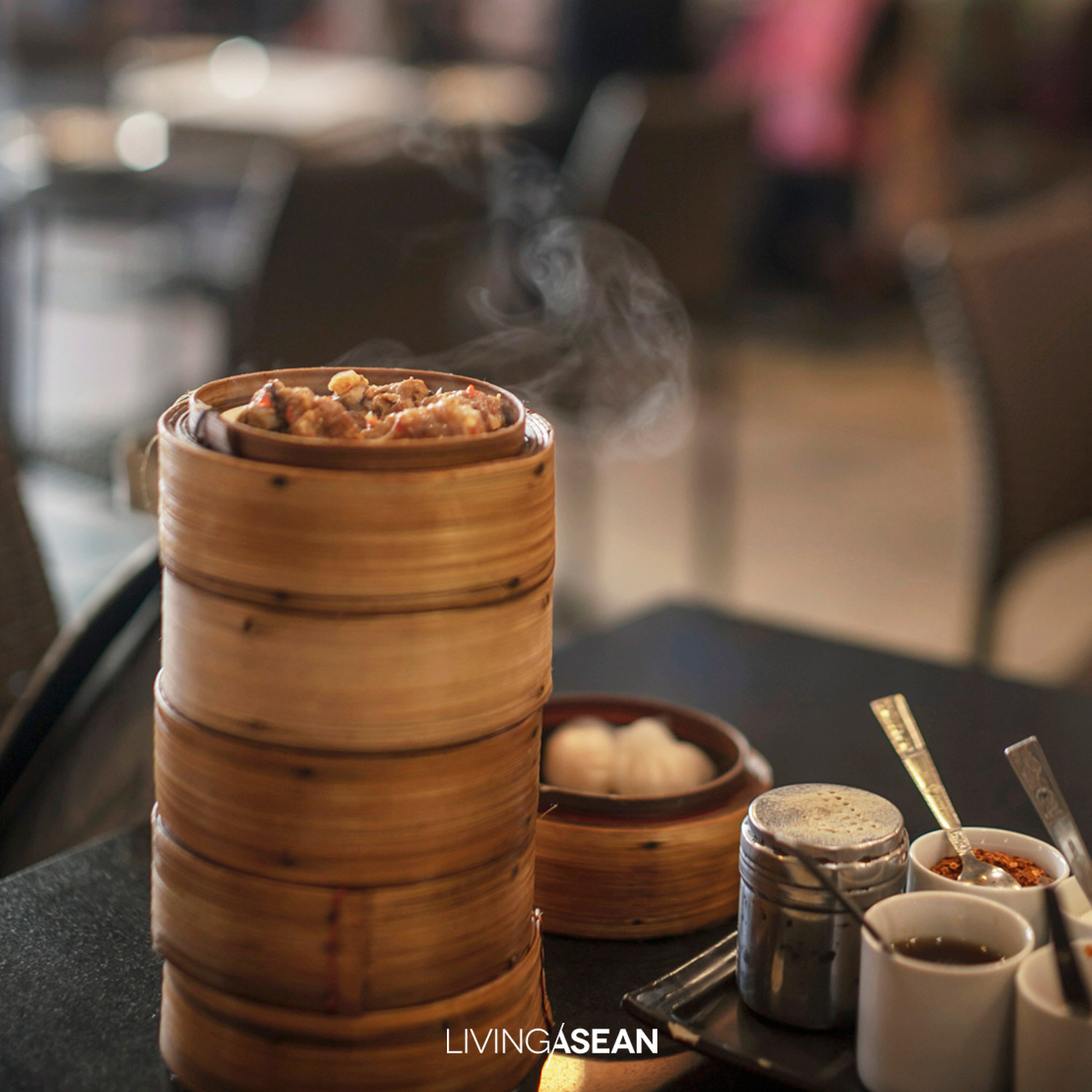
Enjoy the pleasure of authentic Chinese food at the Canton House. Established in 1908, the restaurant has since been renovated to give it unique appeal characterized by raw construction materials. The Canton House is located at 530 Yaowarat Road, Samphanthawong area. You will love the bite-sized Dim Sum in steamer baskets, steamed pork rib with black bean sauce, and fried Mantou (buns) with condensed milk. Thai and Western meals are also on the menu.


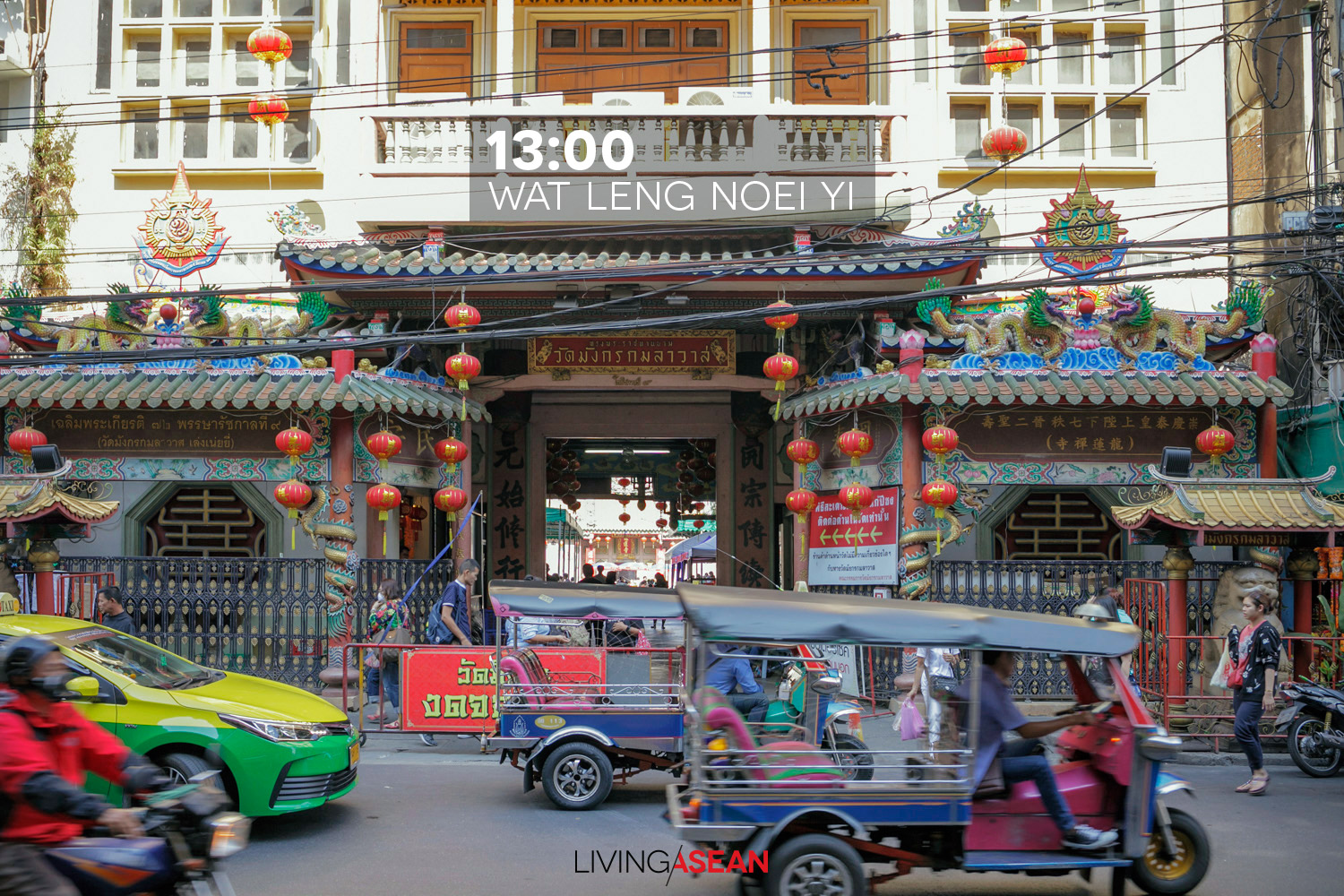
13:00 Wat Leng Noei Yi

The historic Wat Leng Noei Yi is rooted deeply in this community of Thai citizens of Chinese descent. Founded in 1871, the temple has been involved in every facet of life of the followers of Buddhism. It sees the busiest time during the period leading to Chinese New Year celebrations. Slowly burning joss sticks are used in paying tribute to the Lord Buddha. It’s good idea to avoid getting smoke in your eyes.


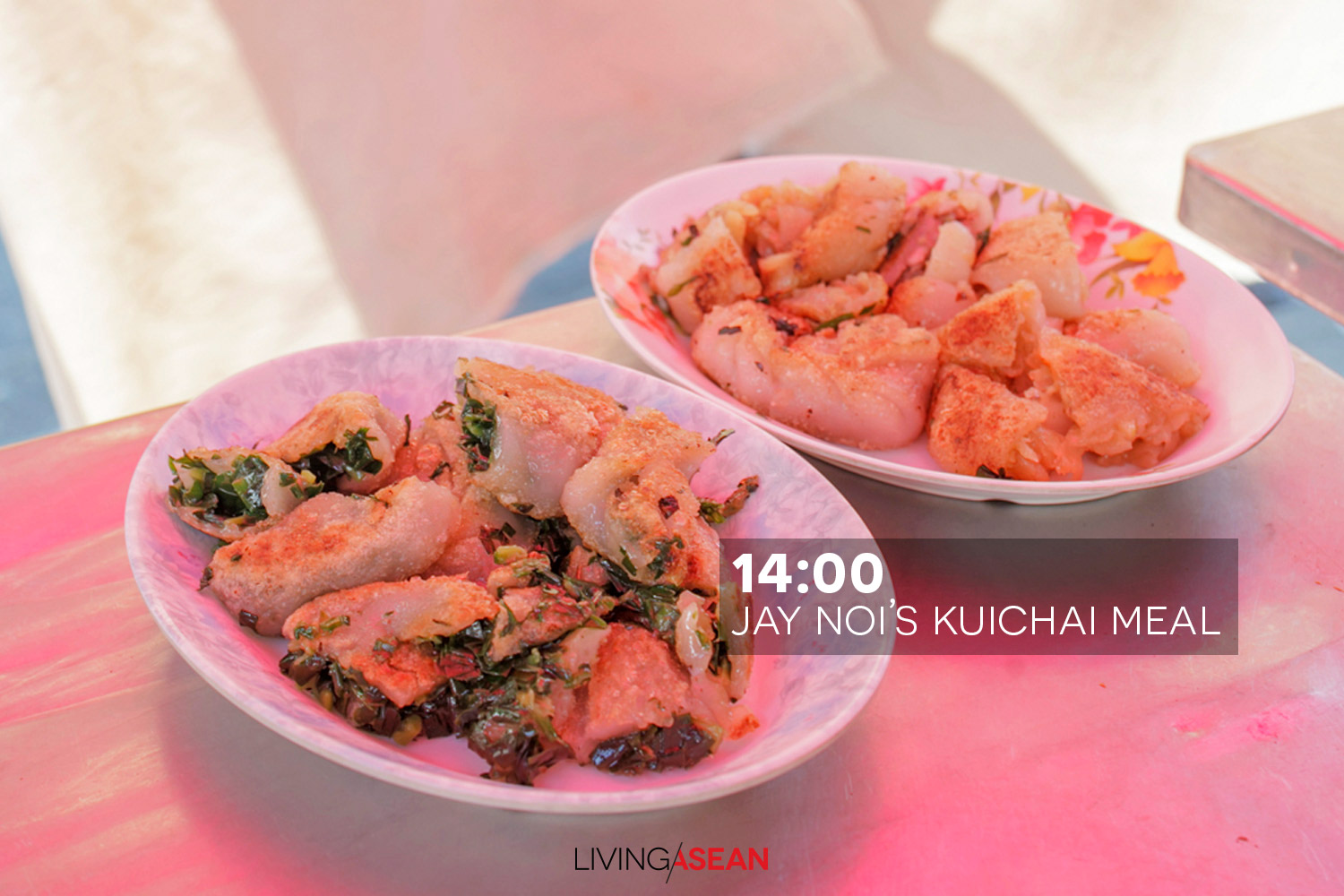
14:00 Jay Noi’s Kuichai Meal

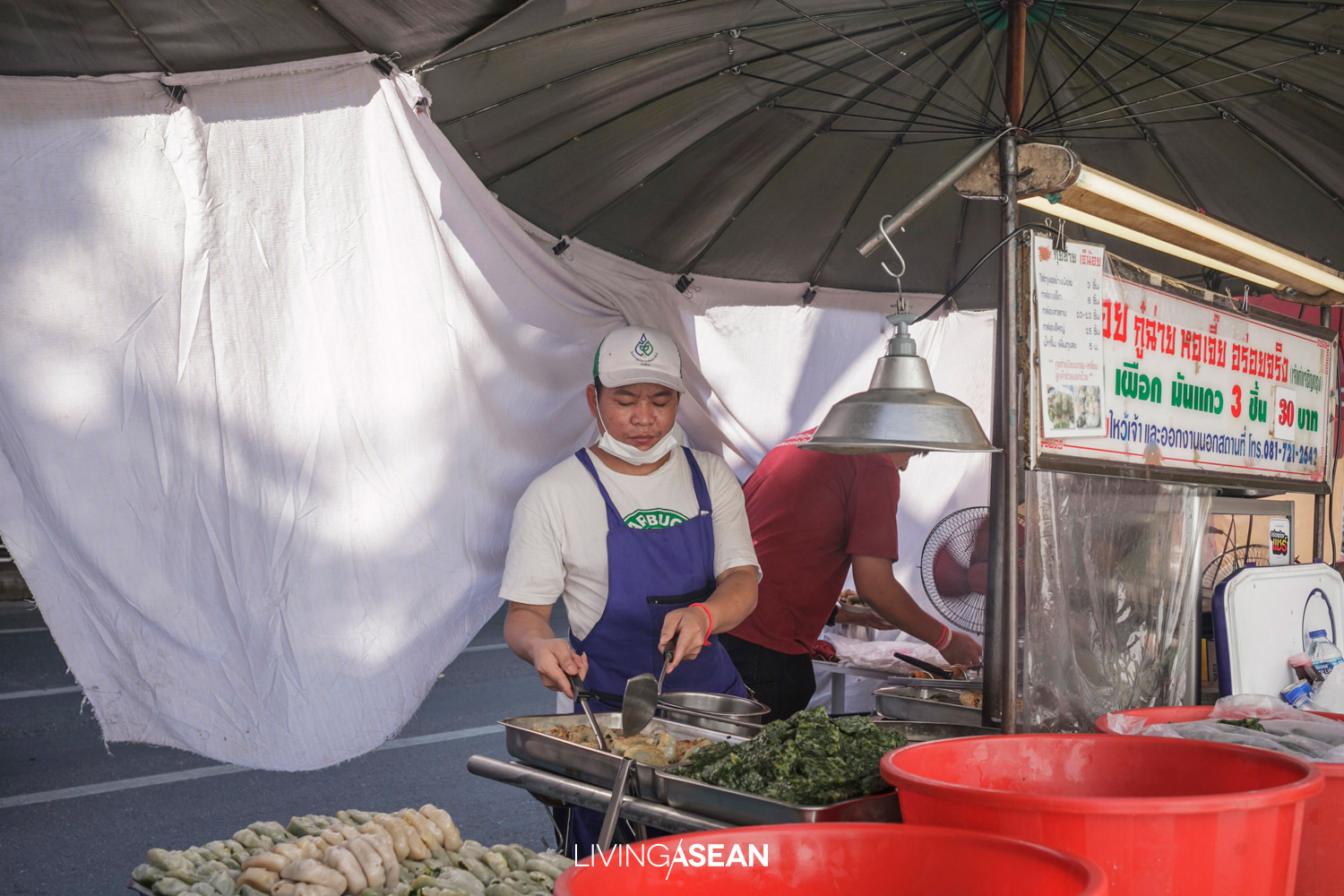
About 250 meters to the right of Wat Leng Noei Yi stands a famous push-cart business selling fried Kuichai meals. Jay Noi’s Kuichai is renowned for being one of the most delicious vegetable meals in Yaowarat. Located on Charoen Krung Road, the humble push cart vendor sells Kuichai at 10 Baht apiece. The menu also includes fried Taro and Jicama (a globe shaped root vegetable). They are equally delightful.


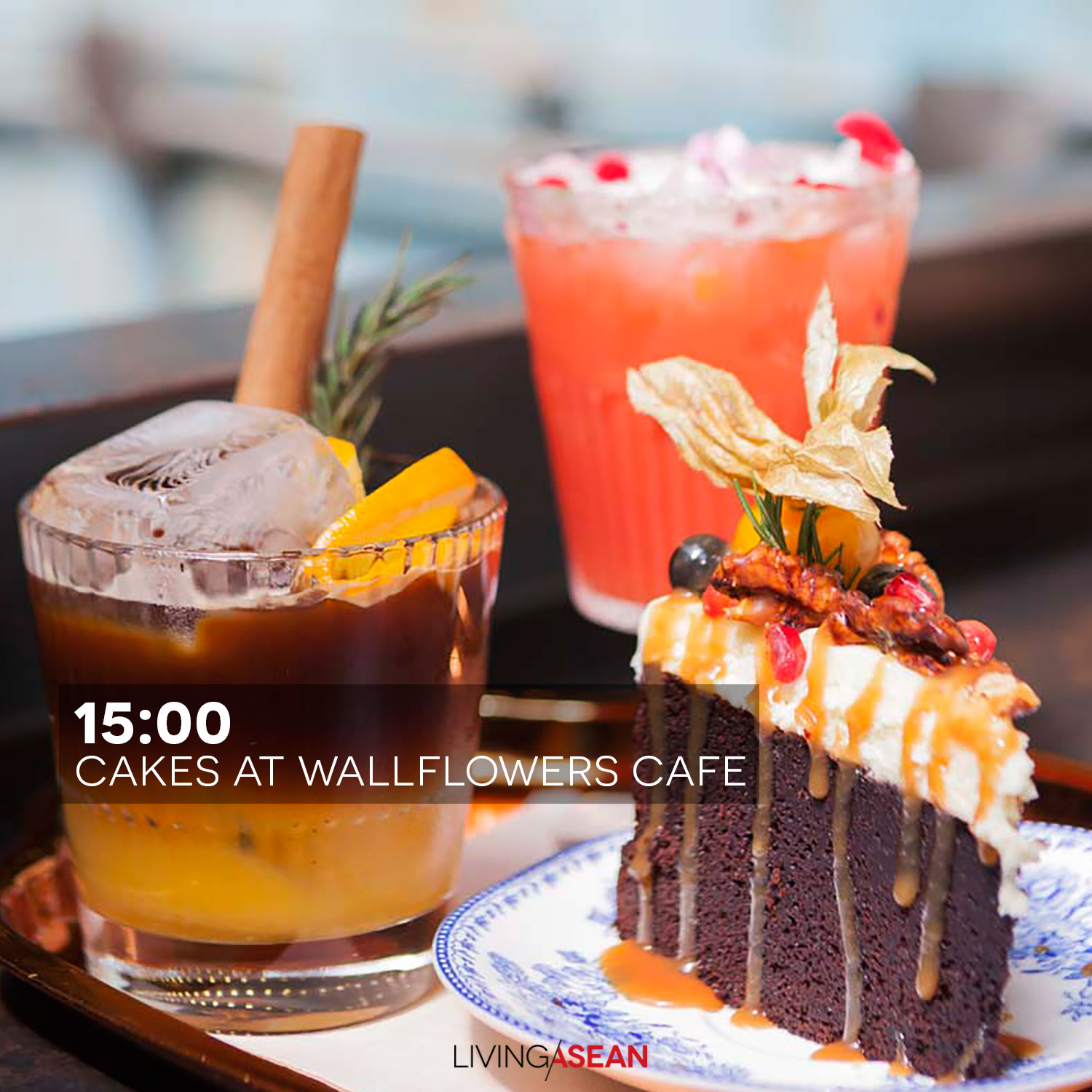
15:00 Cakes at Wallflowers Café

Beat the heat in the afternoon with yummy mouthwatering cakes served with frothy Thai tea with cheese. Located at 31-33 Soi Nana, Pom Prab area, Wallflowers Café sits on the upper floor of a florist’s shop, which provides inspiration for many beautiful items on its menu. The café is owned and operated by an architect who has great interest in the art of coffee making.

Family Home Surrounded by Warmth and Happiness

Family Home Surrounded by Warmth and Happiness

/ Bangkok, Thailand /

/ Story: Atta Otto / English version: Bob Pitakwong /

/ Photographs: Rithirong Chanthongsuk /

A Swiss chalet-style building had been a family home for more than thirty years. Eventually, it was in need of repair and restoration. The Panikabutra family gave serious thought to renovating and returning their two-story wooden home to its original condition. All things considered and when a decision had to be made, the homeowners thought it wise to have it demolished to make room for a new home.

Family Home
A wood deck is designed to take in the view of the courtyard landscape. Like a must-have in any design, a healthy, lush lawn serves as the yard’s focal point. The grass lawn is uncluttered and easy to keep clean like those on the golf course. Underneath it, a drainage system is in place to carry off excess water, thereby preventing flooding in case of rain and getting rid of mosquito breeding grounds. From this angle, the rectangular-shaped inner courtyard can be seen enclosed by a walkway system that connects everything on the property.

Reclaimed wood from the old house was prepared for reuse in a new single-level building designed for mother, Khunying Pannang Panikabutra. Her daughter, Thapanant Suwittayalangkarn, shared the story behind it.

“Old wood taken from the house that Dad built a long time ago was still in very good condition. It was considered so valuable.  Besides that, it was legal as timber prepared for use in the building. 

“Dad always insisted on the legality of things. Generally, it was beautiful reclaimed wood. There was some of it that had fallen into decay and new materials had to be purchased including old house  poles.”

courtyard
A set of stairs leads to the entrance of the building. Nearby, a ramp is put in place as part of preparation for possible future events should a wheelchair be needed. Only a short distance away, an Indian cork tree (Millingtonia hortensis) thrives in a round container. It has since grown through the skylight that’s purposely built to brighten a nearby carport during daytime hours.

The new home plan is arranged around a central courtyard with a beautiful lawn as its main attraction. It’s a great way to frame a view since every room opens to the lush, refreshing garden landscape.

This is especially true where the main hall and dining room connect to a wood deck with furniture, a perfect setting for relaxing outdoor living spaces.

The design is about disposing the home plan around a central courtyard. This way, the problem of a lack of natural daylight in the interior is solved. It immediately freshens up the room and makes it comfortable for everyone, especially older members of the household.

Family Home
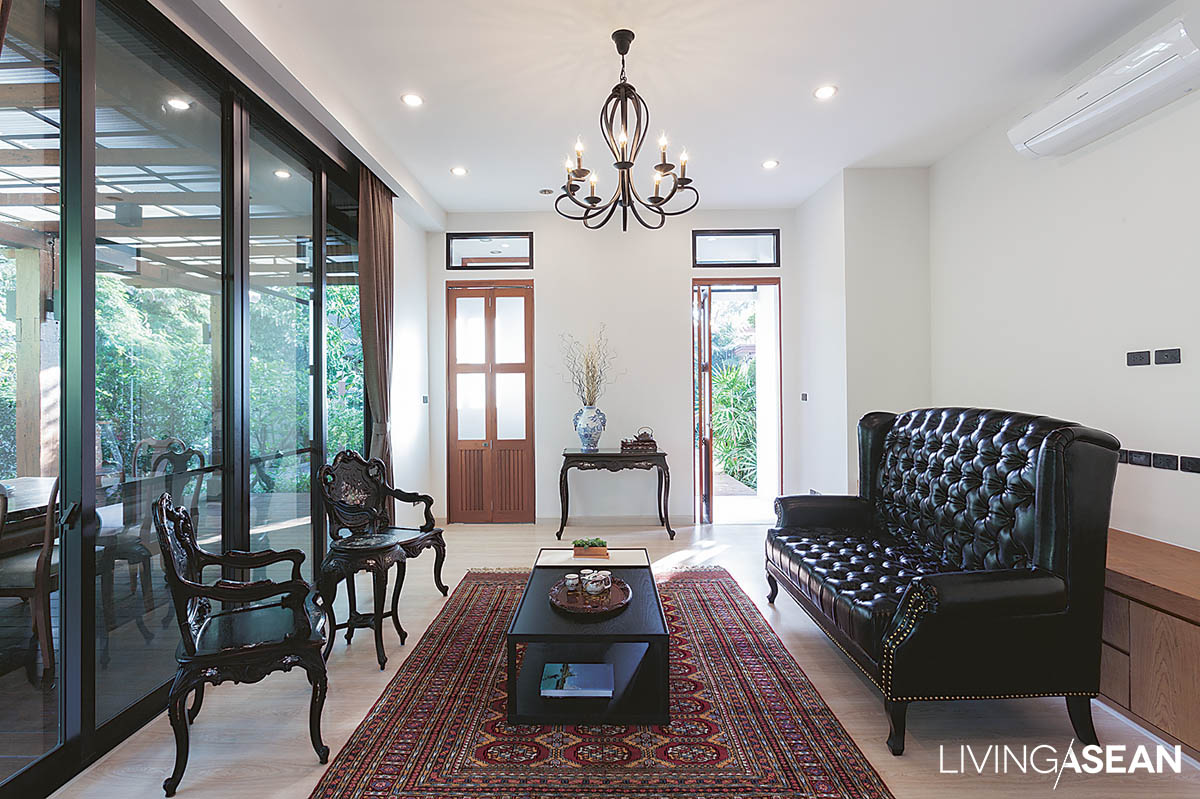
The reception room boasts large opening glass doors overlooking the central courtyard. At the further end, two doors with matching transom windows add a light and airy feel to the atmosphere. In the middle of the room, despite its rather formal appearance, a vintage-style waiting room sofa in dark hues seamlessly fits into the décor.
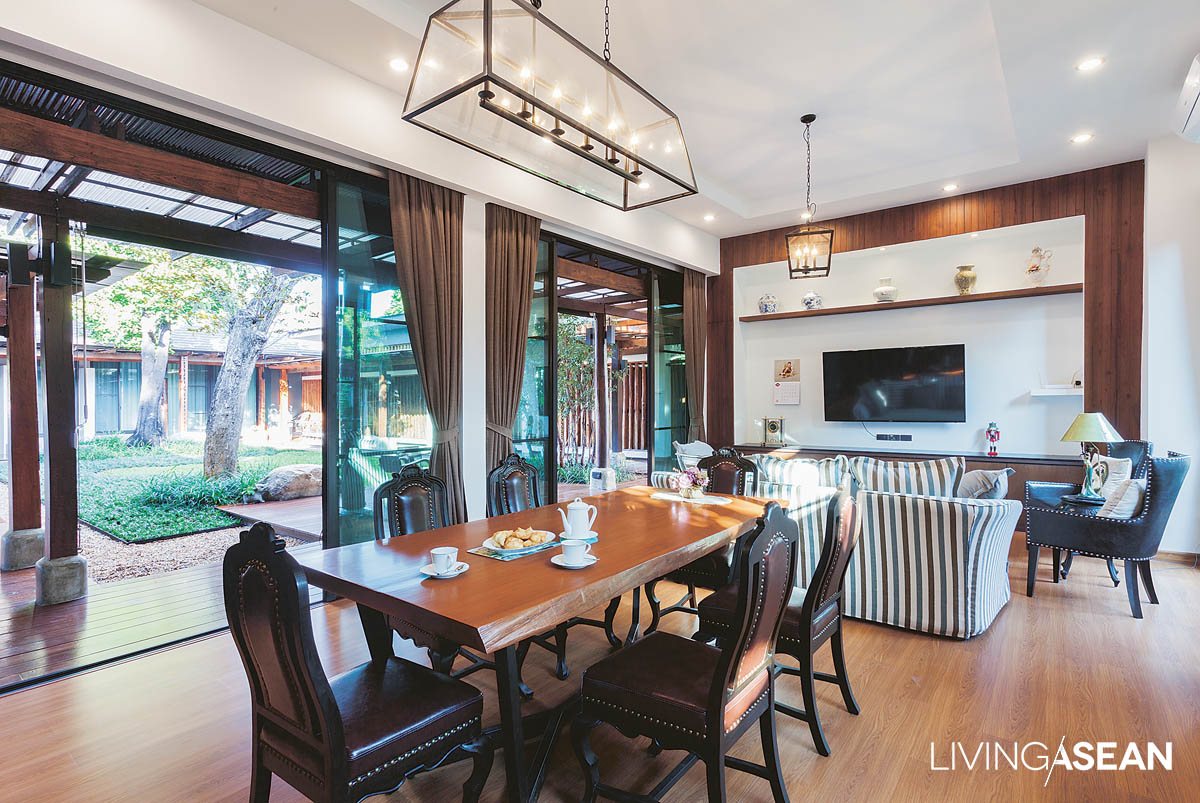
The dining room and nearby sitting parlor get a good view of the inner courtyard, thanks to large opening doors that stand tall from floor to ceiling. Soft hues on the sofa upholstery creates a calm and serene atmosphere to make one feel more relaxed. It’s easy to get why this area has become the family’s favorite hangout.

Free from being observed by other people, the house’s five bedrooms have their place and private facilities around the courtyard garden.

The building being raised on piles at least a meter from the street level is a decided plus. The rooms are clean and uncluttered thanks to the under-floor space being used for utility systems.

Meantime, preparations for this family home are put in place to take good care of the elderly parent.

Family Home
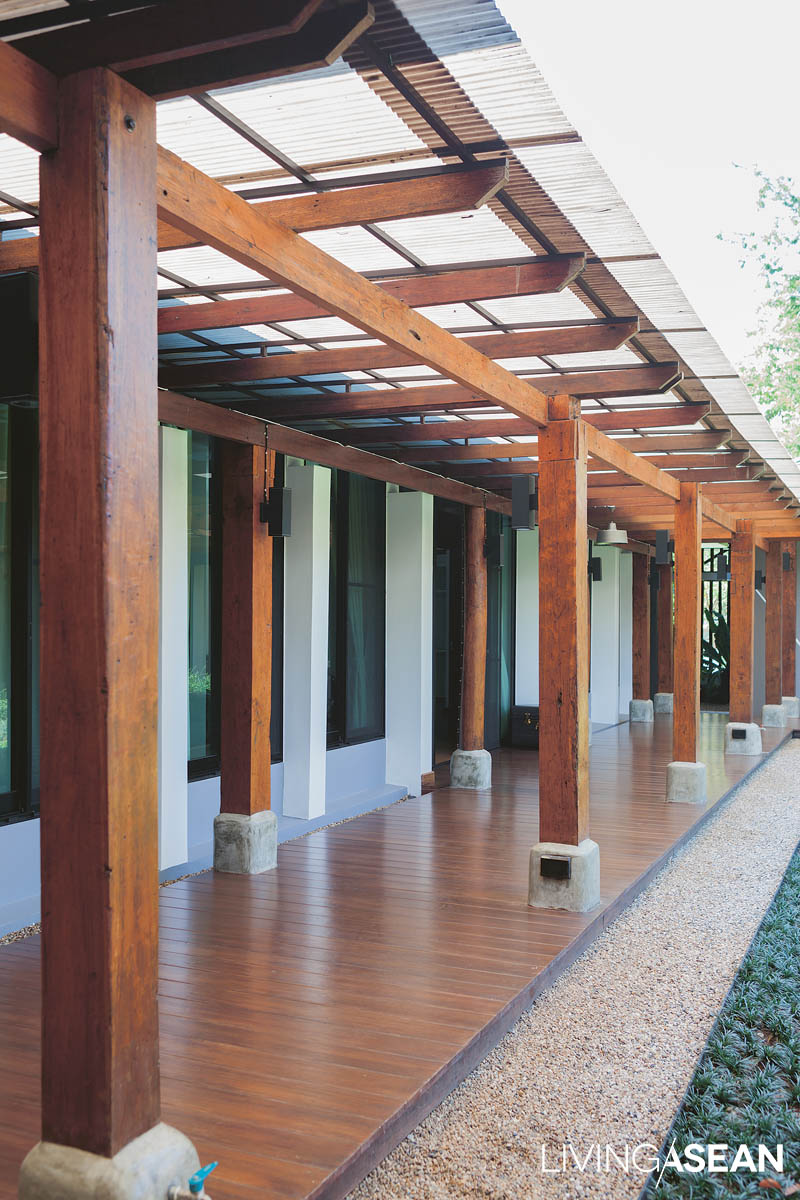
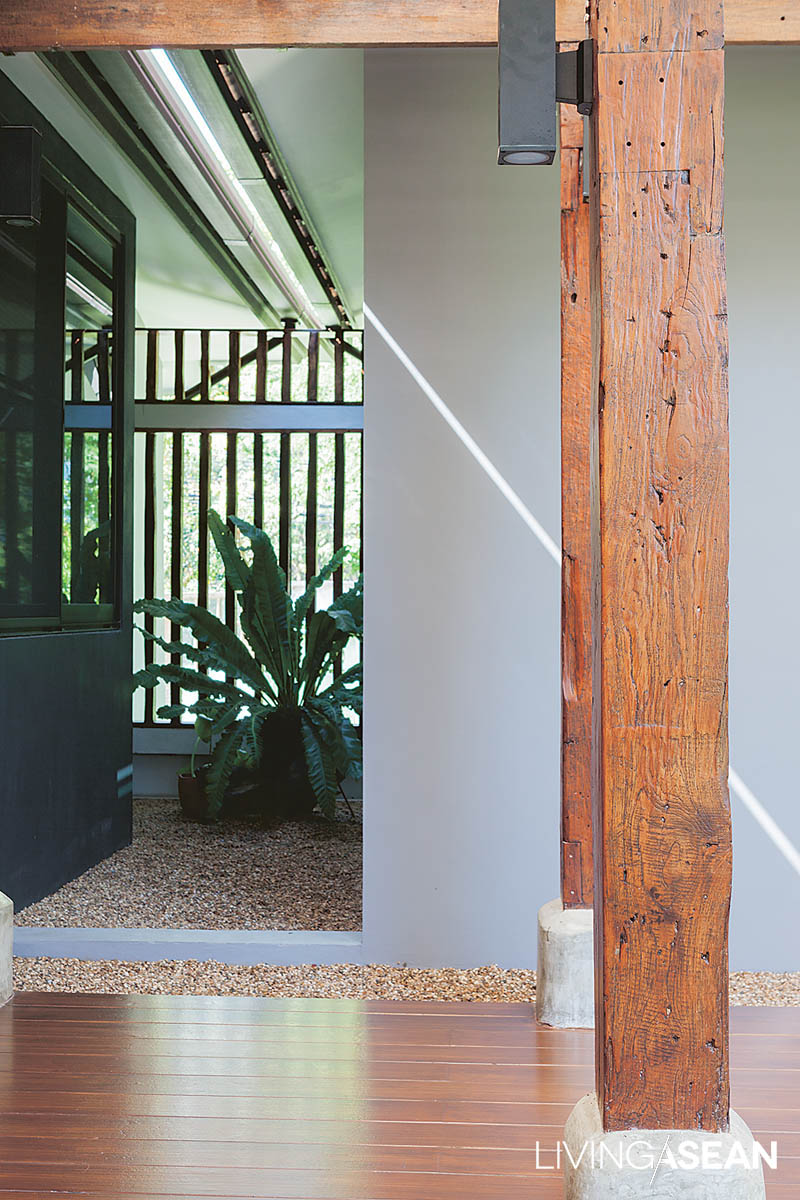
The walkway around the courtyard is roofed over with translucent sheeting to shield it from sunlight and rains. The rafters and roof battens are made of reclaimed wood from the old house, while the posts are erected on cement foundations to protect against humidity damage. The passageway surface is covered in a mixture of small stones to prevent water splashing in case of rain.
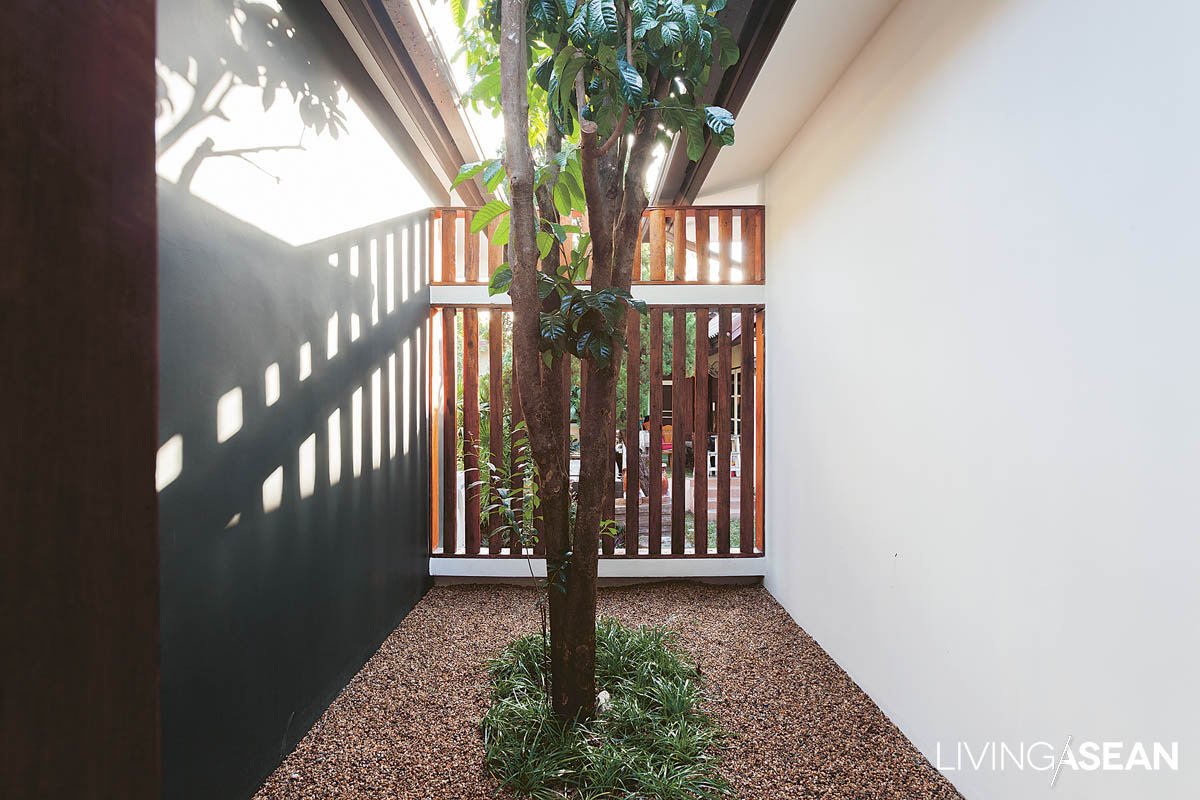
An open space between walls offers room for a shady tree, while wood lattice fencing serves as an engine that drives natural air circulation. Together,
they create a spectacular light and shadow play that’s constantly changing with time.

Sharing her thought, Thapanant said:

“From our experience before Dad passed away, the old two-level home proved inconvenient since we were responsible for taking care of people in poor health.

“The safety precaution already in place wasn’t good enough. When we decided in favor of building a new family home, my brother looked into every design detail. We put in a garden walkway around the courtyard with direct access to Mom’s room. That was our idea of making space available for mobility exercises.

“Everyone felt secure now that, to protect against slips and falls, all the rooms were set at the same level including the bathroom floor. We also put in a ramp linking the house to the  carport to be ready should a wheelchair be required in future.”

Family Home
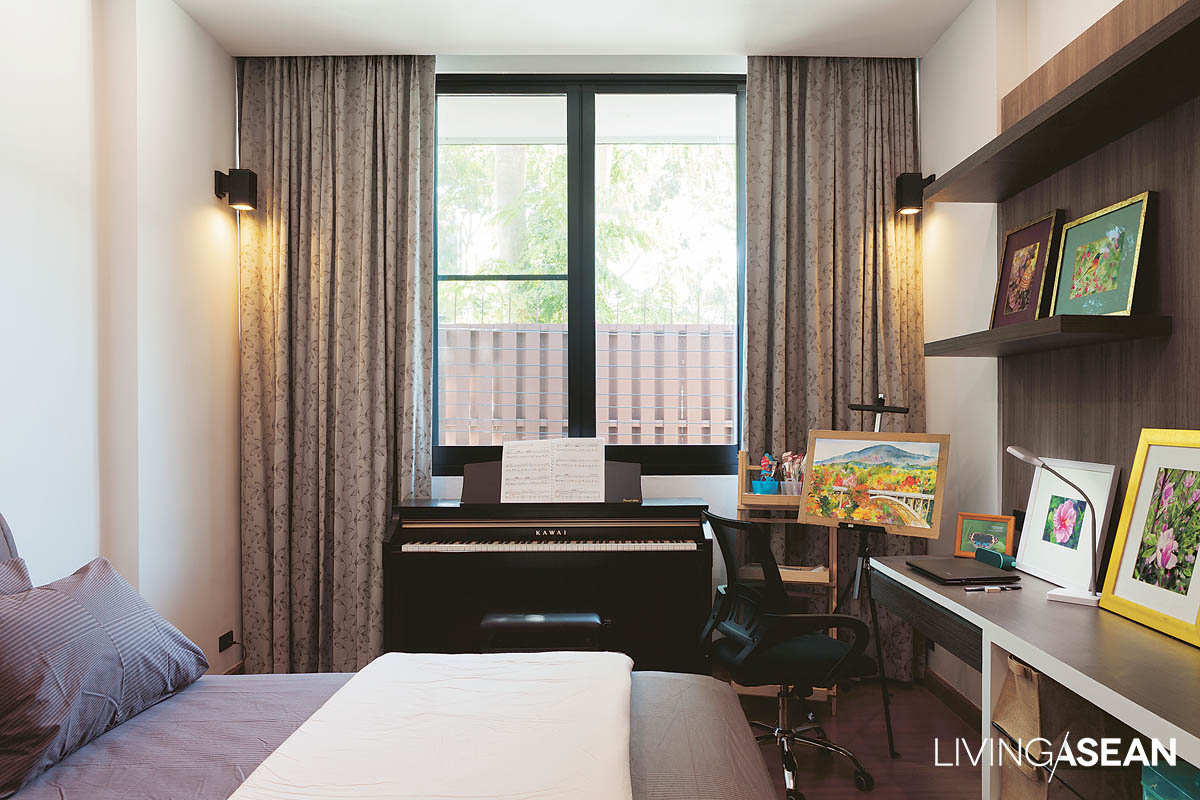
The bedroom offers a relaxed corner for leisure activities, such as drawing and playing music.
Family Home
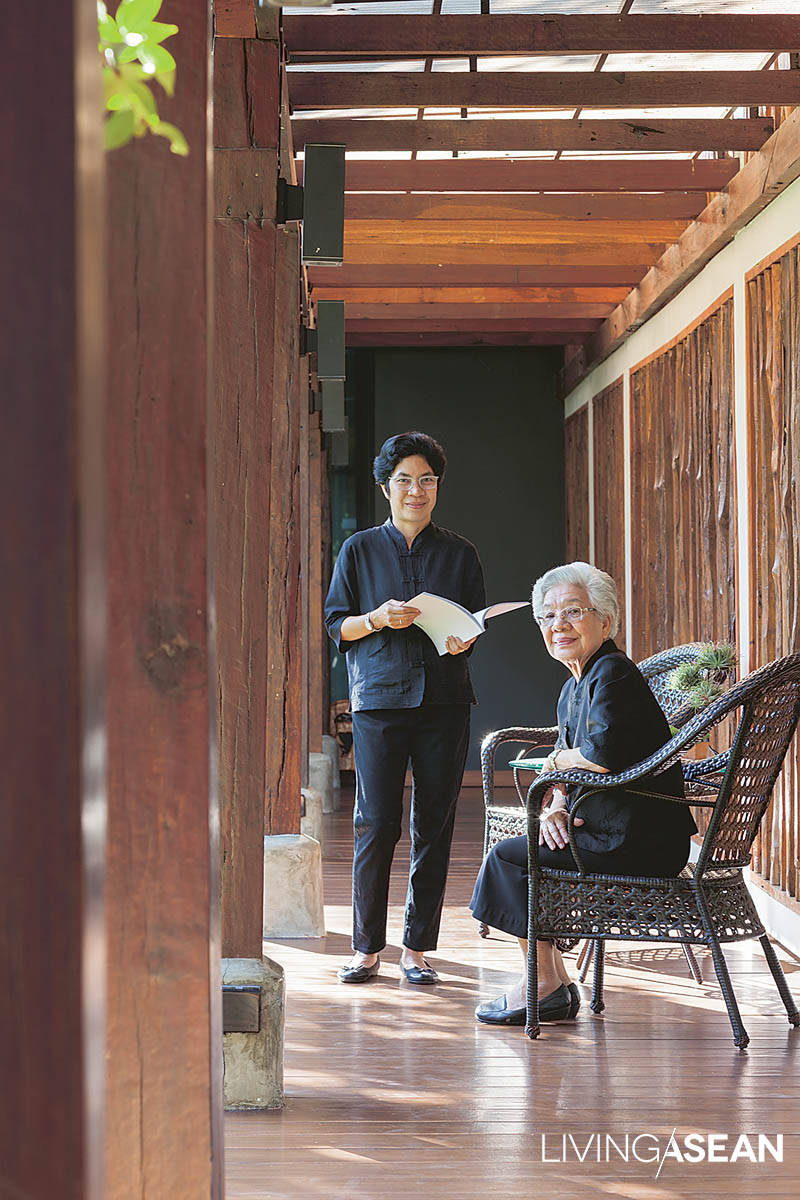
Mom and daughter relax together in a sitting area around the courtyard.

Architect: Apisit Suecharoen


10 Modern Tropical Homes for Inspiration

10 Modern Tropical Homes for Inspiration

Living ASEAN presents 10 modern tropical homes for an inspiration as we celebrate another year ending and a new one beginning. They focus on a beautiful blend of indoor and outdoor spaces that translates into stylish patios, cool verandas and courtyard tropical gardens. Plus, plenty of ideas to make your yard lush!


PEACEFUL, SHADY NORTHEASTERN THAI HOUSE


MODERN HOUSE AMID A COUNTRY ATMOSPHERE


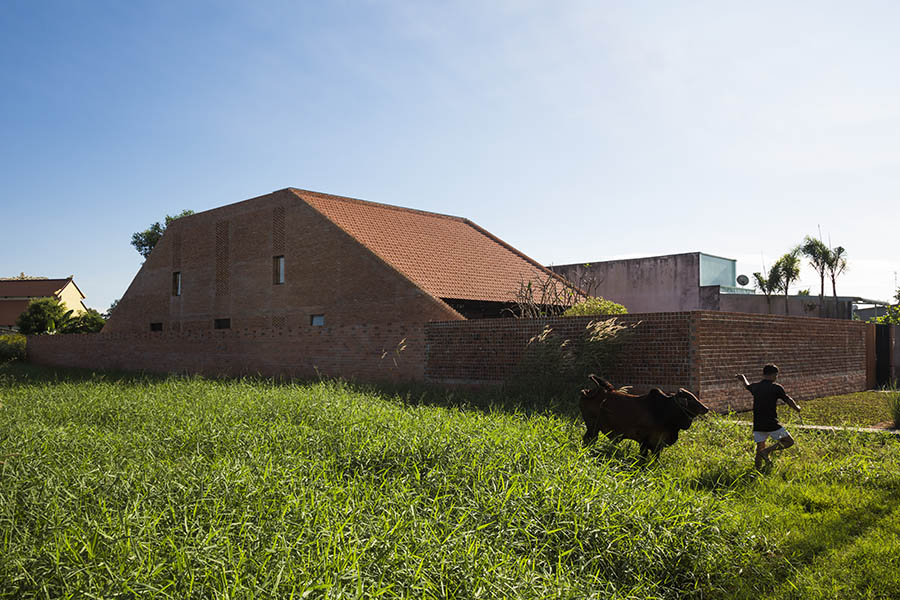
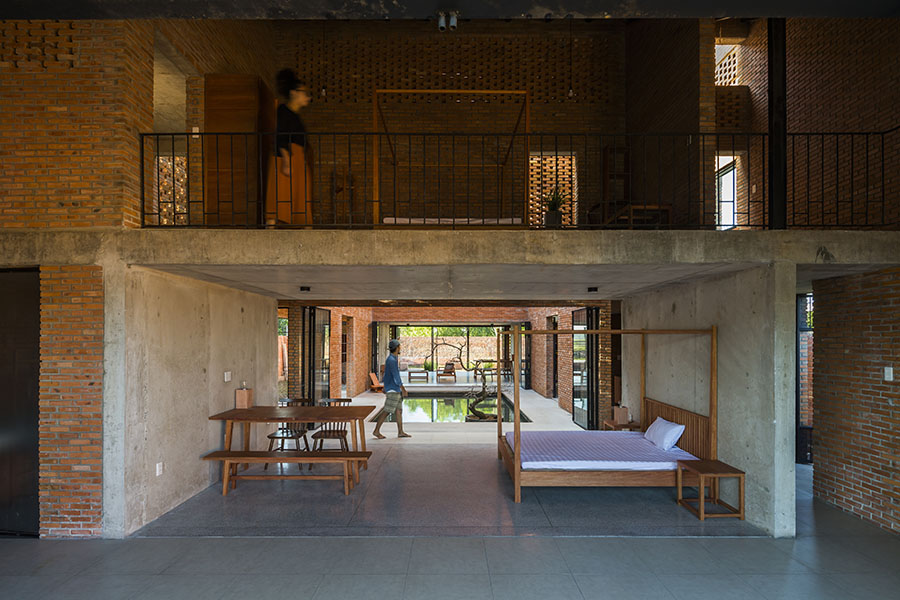
VIETNAM TRADITIONAL BRICK HOUSE


QUIET INTERACTION OF NATURE AND ARCHITECTURE


LOCAL THAI HOUSE IN A JAPANESE TRADITION


LOCAL, WITH A MODERN FLAVOR


A WHITE HOUSE MATCHING MODERN ARCHITECTURE TO ITS ENVIRONMENT


CANALSIDE “GARDEN HOUSE” FOR HAPPINESS


MODERN HOUSE WITH A THAI FLAVOR


SINGLE-STOREY HOUSE ON A FOUNDATION OF SIMPLICITY


You may also like…

10 INSPIRING MODERN TROPICAL HOUSES


A STEEL FRAME WATERFRONT HOUSE THAT BLENDS MODERNITY WITH CONTEXT
A White House Matching Modern Architecture to Its Environment

A White House Matching Modern Architecture to Its Environment

/ Bangkok, Thailand /

/ Story: Kor Lordkam / English version: Peter Montalbano /

/ Photographs: Ketsiree Wongwan /

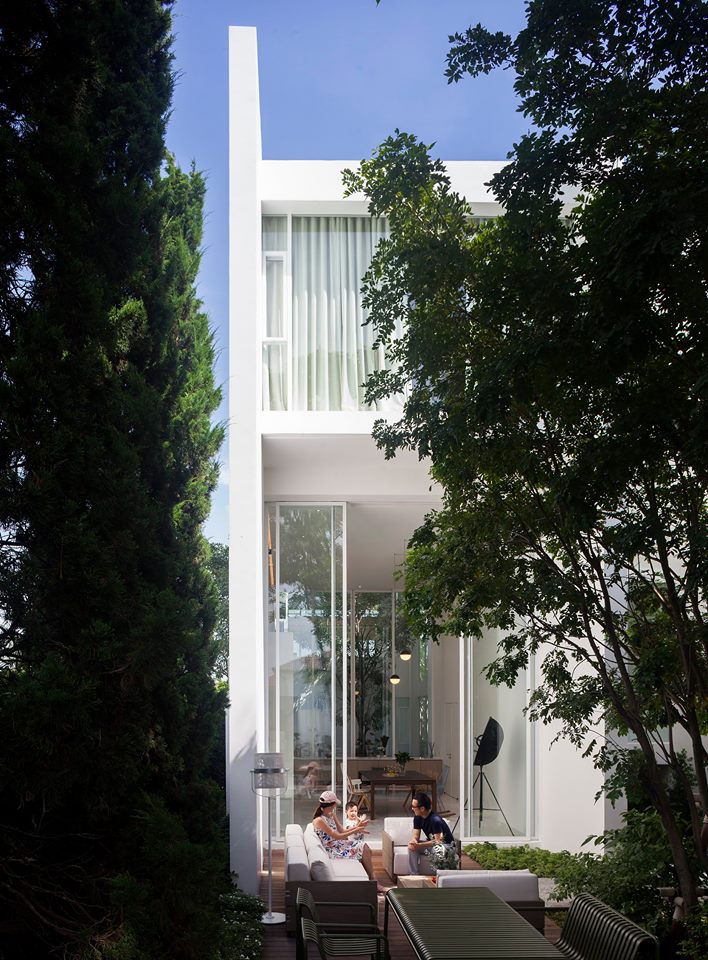
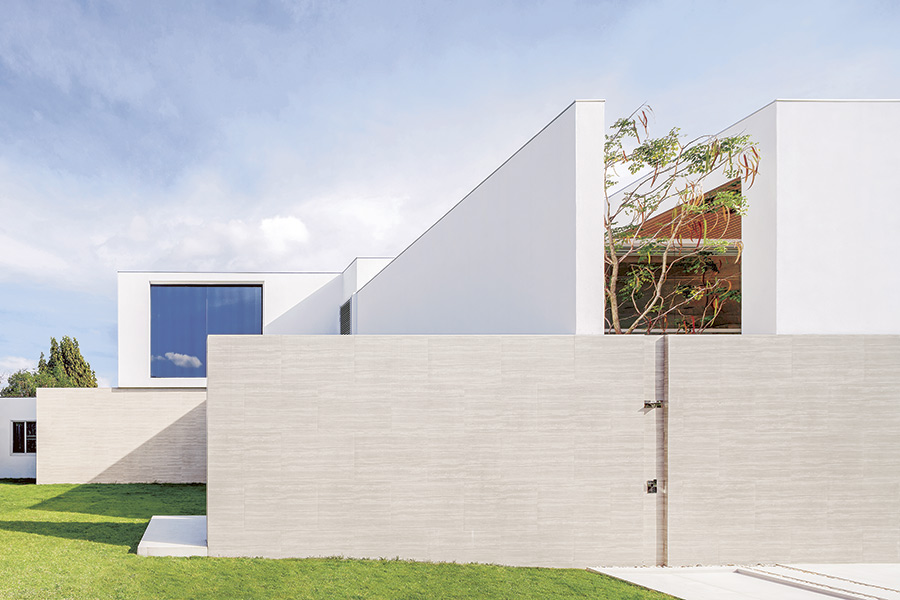
Secluded behind what appear to be walls of white paper, the “PA House” is a perfect combination of modern Tropical architecture and a unique solution to its site-specific environment. It’s the brainchild of IDIN Architects, a Bangkok-based architectural practice.

White House

Architect Jeravej Hongsakul explained that the first design challenge of this 400-square-meter house was its owner’s interest in privacy for his growing family.

“In our first site survey, we noted the wide variety of sizes and styles of the surrounding homes, a four-story house here, a Louis-style there. How to fit a new house into this context and make it livable?”

The architects observed, took pictures, noted directions, viewpoints, levels, and distances between houses, and analyzed the collected data to feed into their design plan, and came up with a concept that used these surroundings not as a limitation, but, surprisingly, as a help.

White House

“Each one of these other houses actually functions as an assistant architect, telling us where and at what levels to place the walls and planes that build connections on all sides, leading us to create open spaces within,” explained the architect.

“I sometimes feel like the conductor of an orchestra, arranging voices and the mix to bring this home to life as a beautiful piece.”

Accordingly, the relationships formed by viewpoints to and from surrounding buildings turned out to be a primary factor in the straightforward design of this home.

Each wall was placed to help deal with problems that might arise from its geographic situation. Where appropriate, well-thought-out adaptations were made to enhance utility and the livability of the house.

White House Modern House Modern House Modern House

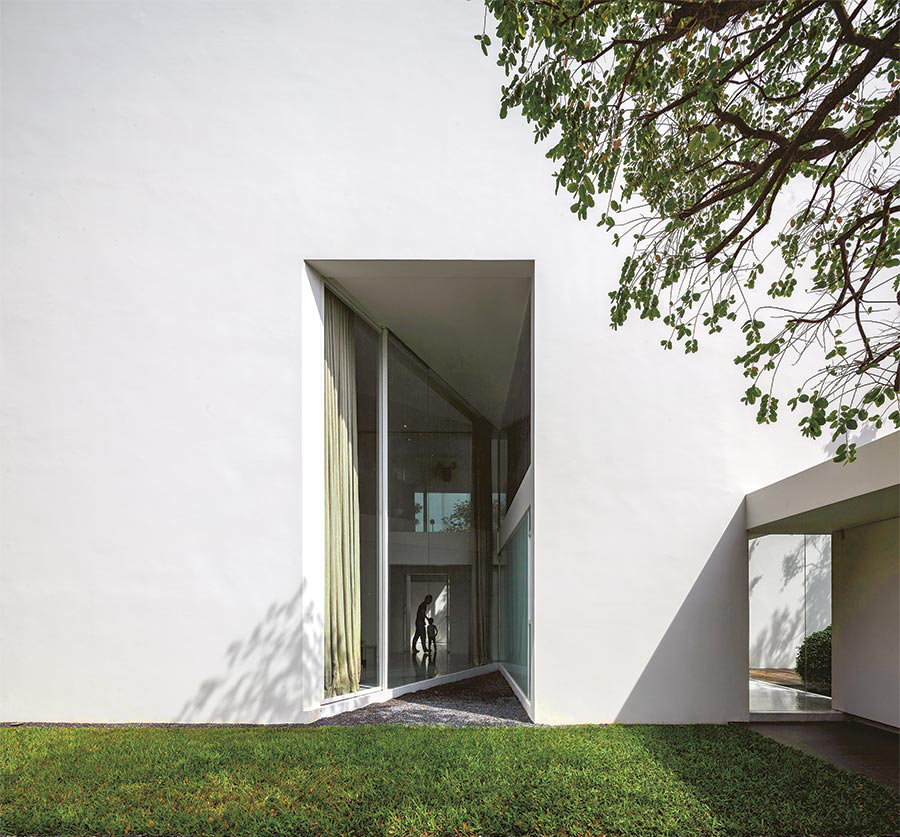
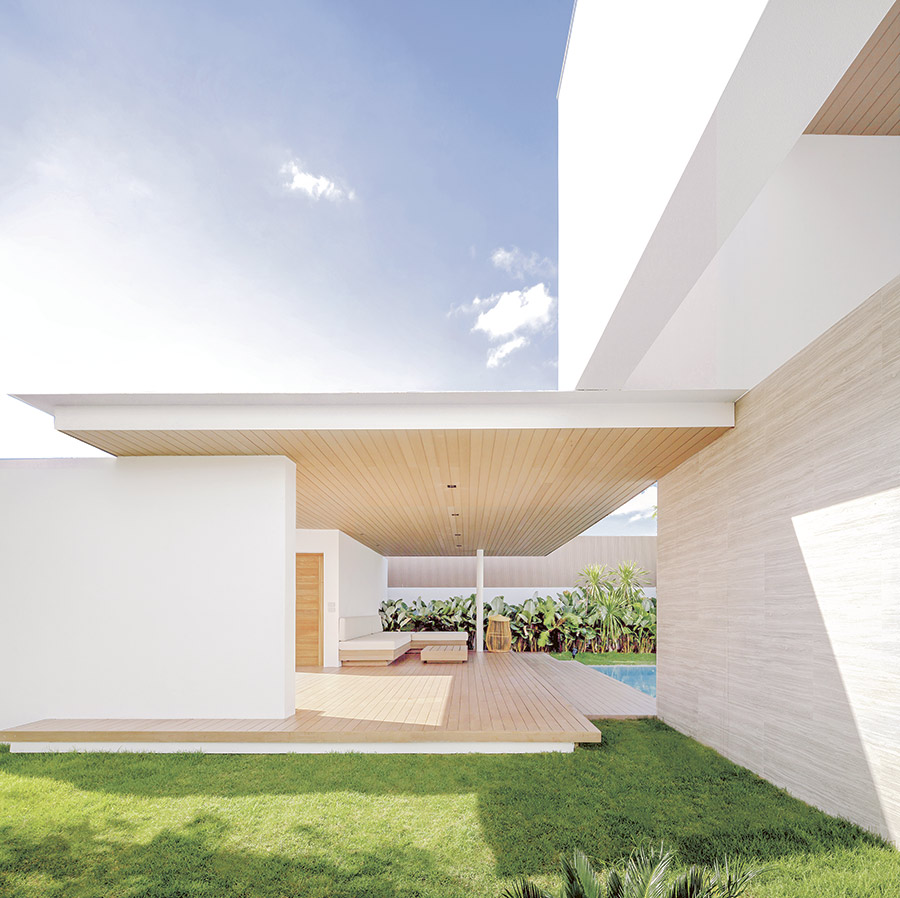
Coming in on the south entrance road, we encounter two planes meeting in a tall, wide “L” appearing to float out from the second floor of the house. This construction benefits the house in the same way as a raised hand can block sun from burning our face.

The ground floor is cool and shady, but still has a great view of the wide, open garden directly outside, while the upper wall both blocks the view from other houses and insulates against heat.

Along this section of the lower floor, a fence wall set two meters out from the house provides ample space for growing plants, while glass walls reach up another 6 meters for a look out through the shade. From here the sunlight traces down the inner wall, creating new dimensions and an open, airy feeling.

Modern House White House

Comfort of use is the basis for the distribution of functionality within this white house. On the ground floor a living room and dining area open out on a wide garden view, and one portion is set aside for a guest bedroom.

On the second floor we find a master bedroom and one more room for a family member expected to come in the future. All this is coordinated with external design to support the family’s lifestyle in the most perfect way.

As the architect puts it, “The primary design is all about controlling sunlight and creating balance between outside and inner courtyards. The overall effect is open and airy in every direction. The horizontal plane forming the upper covering above looks almost like a hat on the house, and it functions both to block harsh light from the sun and create a wide open view at eye level.

“The concept is what we call ‘Passive Design’: design where the natural systems facilitate living. It also came out in a style both we and the homeowner are happy with. It’s a happy mix of many things.”

White House

White House


Architect: IDIN Architects (www.idin-architects.com)


You may also like…

Rupu House: White Geometric Design Bespeaks a Close Family Bond and Privacy at Home

Baan Hing Hoi: A Modern Duplex Design Exudes the Charm of Bygone Days

A Calm and Peaceful Wood House at the Water’s Edge

A Calm and Peaceful Wood House at the Water’s Edge

/ Bangkok, Thailand /

/ Story: Sarayut Sreetip-ard / English version: Bob Pitakwong /

/ Photographs: Sitthisak Namkham /

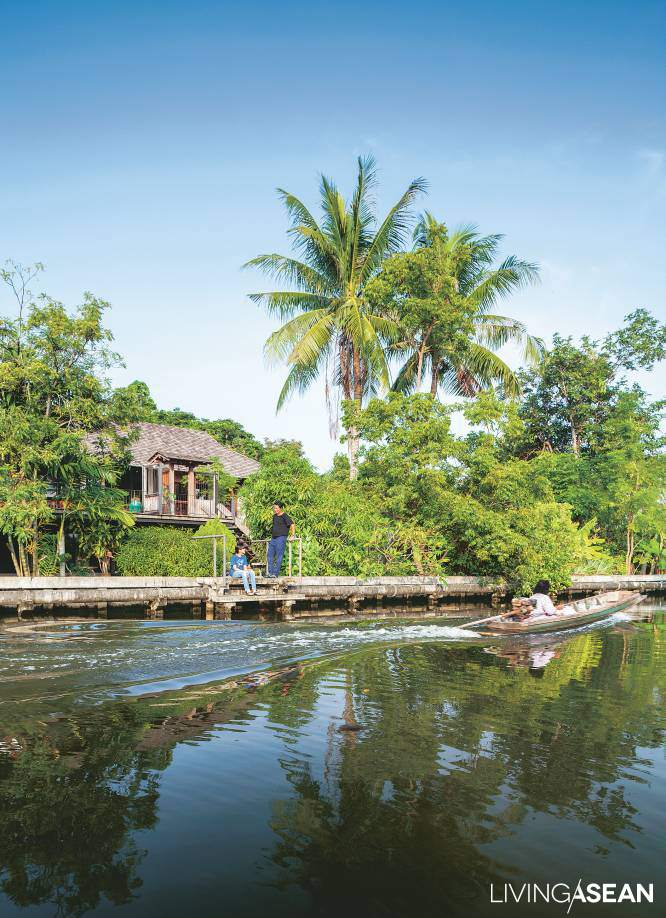
Pongsakorn Tumpruksa, of Arsomsilp Community and Environmental Architect Co., Ltd, was passionate about life beside the water. He built his waterside wooden house on 340 square wahs (1,360 sq. m.) of land in Bang Khun Thian where two small waterways converge with Bang Mot Canal.

Thai houses
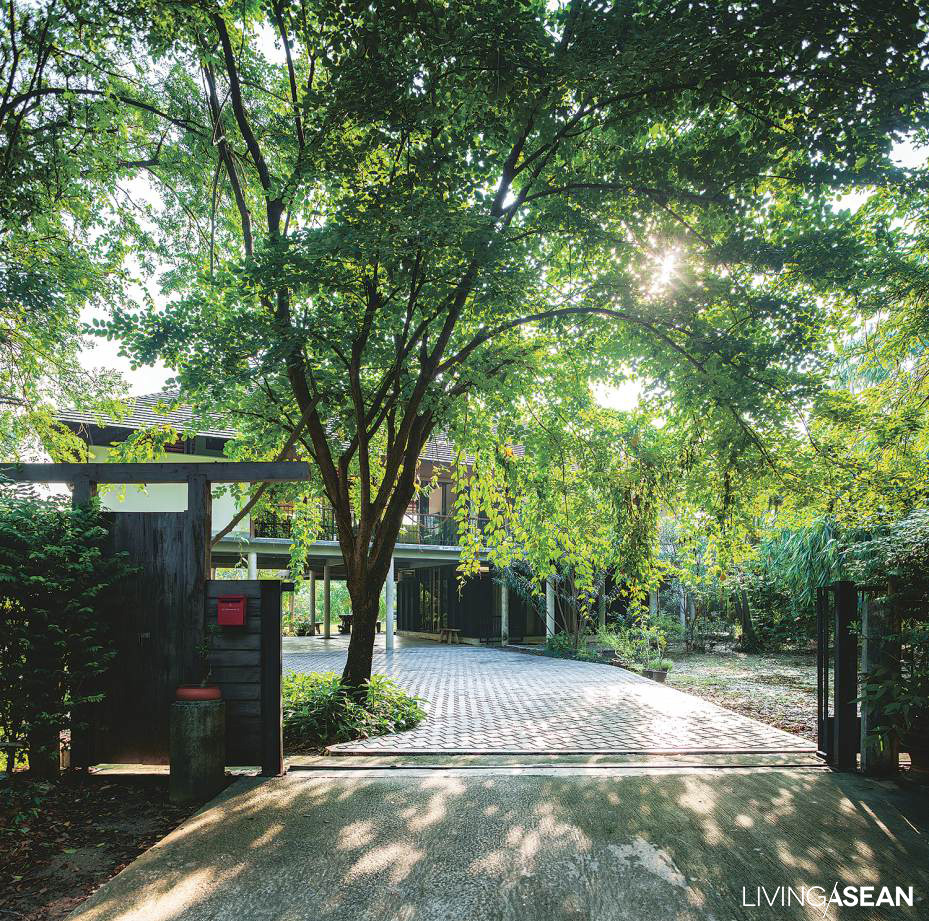
The roadside entrance is in the back, so the house fronts on the canal, Thai-style.

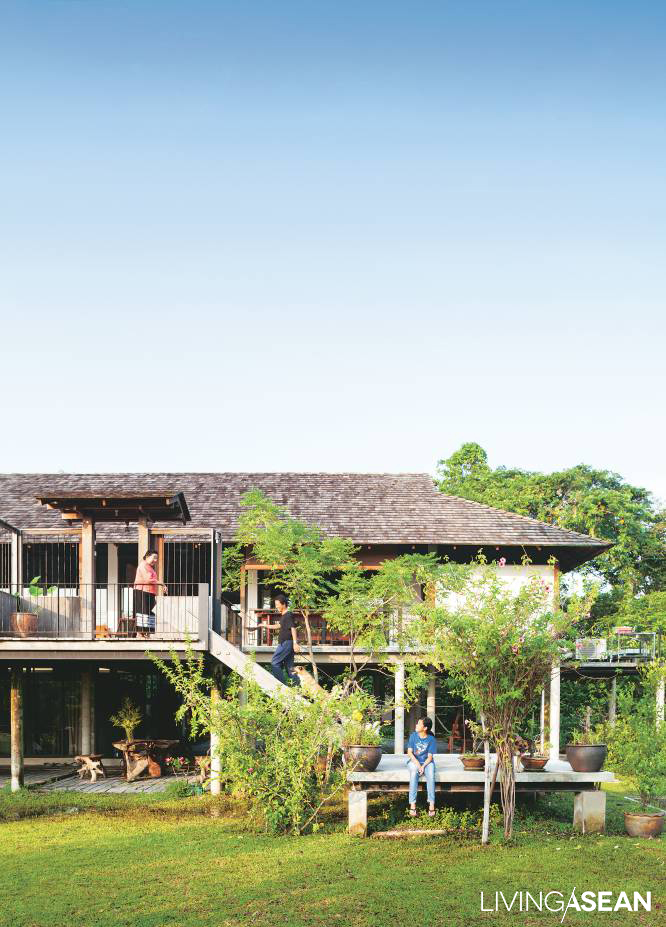
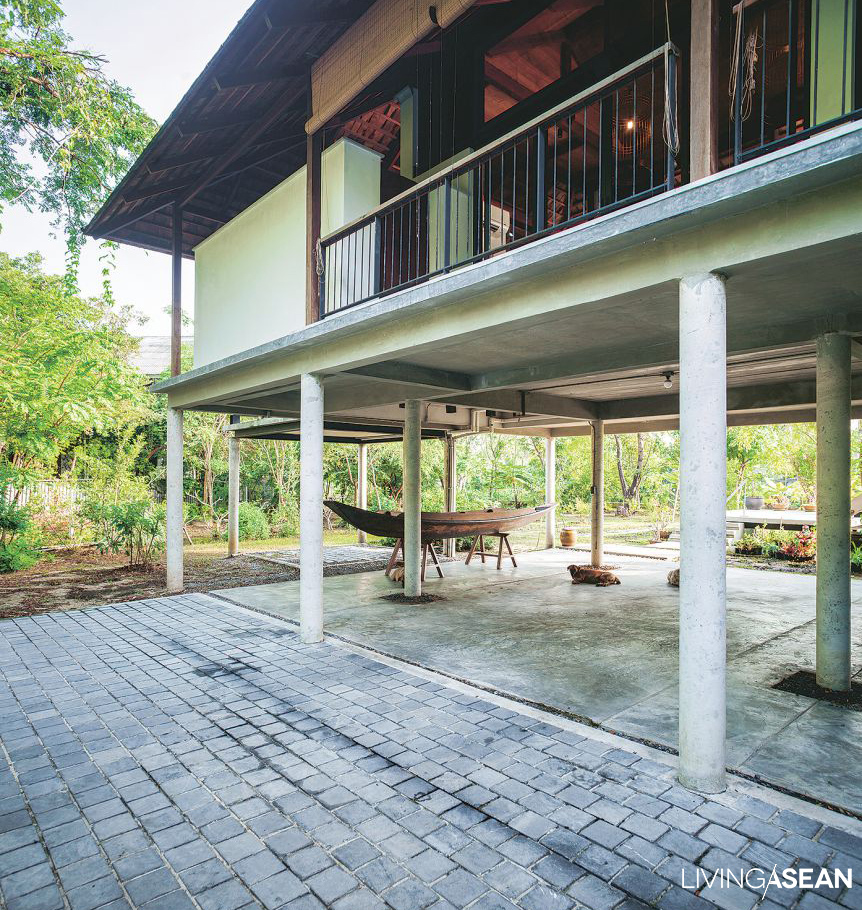
Like the traditional Thai house in former times, this waterside wood home has a tall open area called “tai thun” (the underfloor space at ground level), an economical construction that suits Thailand’s climate and promotes socialization processes in the family.

Thai houses

Thai houses

Thai houses

Thai houses

The tall tai thun includes a carport and an area blocked off as a workshop. An open staircase leads up to the porch, and in the center is a large contiguous open space combining living and dining areas, with the kitchen on one side and bedrooms on the other.

Pongsakorn explained the three design principles that he kept in mind, which are:

Thai houses

Thai houses

A centuries-old principle of traditional architecture of Thailand’s central region

It is about the house’s suitability for the environment, balancing sun, wind, and rain to keep things cool and comfortable. Here, the old knowledge is blended with modern construction materials. The high tai thun avoids flooding and termite damage.

Good air circulation is ensured with a high roof with long eaves; windows and a gap below the roof help release hot air. There is a deck where either clothes or fish can be dried, a heat-resistant mesh on the wooden roof, and there is an open porch below the eaves where you can sit, catch the breeze, and relax from the heat.

Also, the gardens around the house give shade and maintain moisture, cooling the area.

Thai houses

Thai houses

The architecture promotes Thai family culture

Previously, the family lived in a townhouse, chatted at the dinner table, and were always in close, warm contact.

To continue that feeling, living and dining areas and kitchen were designed as a single continuous space.

Thai houses

Thai houses

Cost-effective construction

The house was built with a limited budget: overbuilding would have been problematic.

Thai traditional knowledge shows how to do this: leave room for gradual expansion, building onto the house as needed, as was done in Thailand’s earlier days.

Thai houses

Thai houses

Pongsakorn tells us, “Building a home for my loved ones was like building happiness. What I’m most proud of is doing it as the architect son of my father, who worked for the government as an architectural technician. Dad left us last year, but he got to live with us in this house.”

“Happiness for me is growing plants and living in a shady, cool home,” says Pongsakorn’s mother with a smile.

“I’m truly glad that Father had the chance to live here with us again.”


Owner/Architect: Pongsakorn Tumpruksa of Arsom Silp Community and Environmental Architect (arsomsilparchitect.co.th)


You may also like…

“Huean Tham,” Local Thai House in a Japanese Tradition“Huean Tham,” Local Thai House in a Japanese Tradition

Wooden House with “Tai Thun”: Comfortable Living, Easy Repair

Wooden House with “Tai Thun”: Comfortable Living, Easy Repair

/ Chaing Mai, Thailand /

/ Story: Patsiri Chotpongsun / English version: Peter Montalbano /

/ Photographs: Rithirong Chanthongsuk /

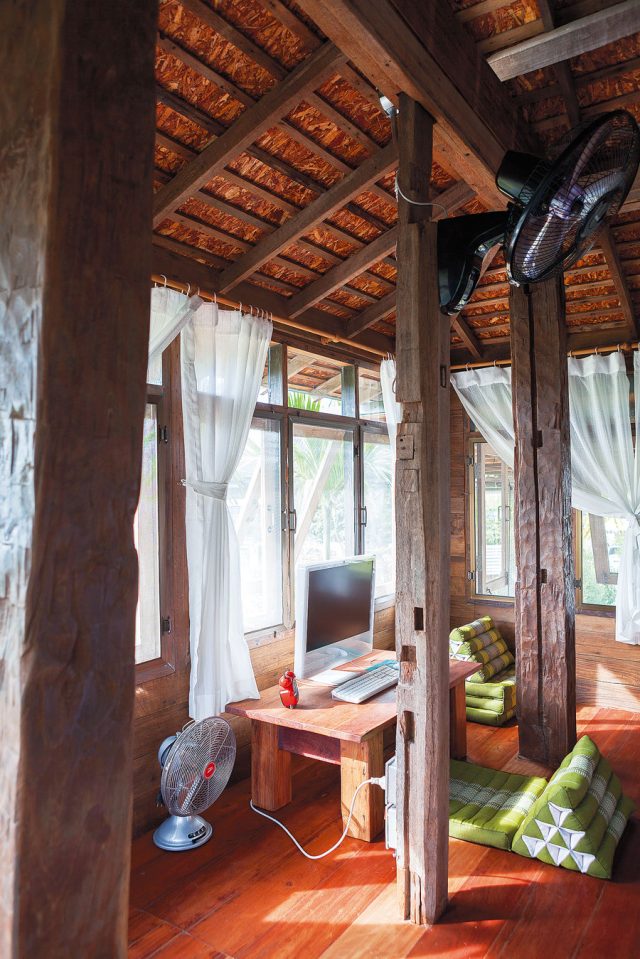
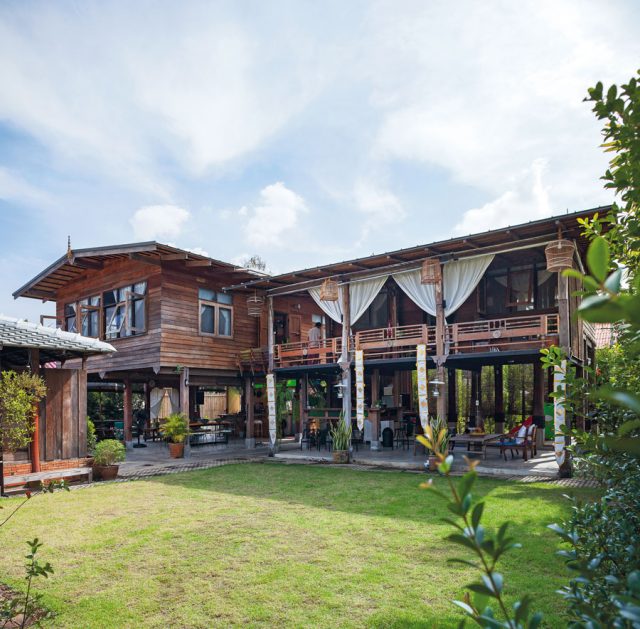
This lovingly handcrafted wooden house in Chiang Mai’s San Sai District connects two buildings with a high, wide open “tai thun” (open lower floor) featuring a long dining table and “living room” spot that gets a cool breeze the whole day.

 Wooden House with Thai-style “Tai Thun”

Nuttawut “Ae” and Sutthida “May” Saylahom had scheduled ten months to build their new home, but it took more than a year to finish, until after their second son was born.

Along the way a few alterations were made: a planned swimming pool, for instance, became instead a grass lawn where their young Kiri would be able to run and play with his new little brother.

 Wooden House in Chiang Mai

 Wooden House in Chiang Mai

An architect by profession, Ae had no problem doing manual work himself and loved every minute of it. He combined an old Thai Lanna rice granary with the original wooden house next to it.

Construction began by disassembling the old buildings: original components and materials were removed and set aside for use in new functionality envisioned in the new design.

 Wooden House in Chiang Mai

 Wooden House with Thai-style “Tai Thun”

The granary’s primary structure remains: eight large wooden pillars, with four pillars angled inwards for weight-bearing purposes.

There is a tall main column reaching all the way through to the tie beam – a primary roof component – and another post up to the roof for ridgepole support, all set in a foundation of poured concrete to protect against moisture and ground-nesting termites.

 Wooden House in Chiang Mai

 Wooden House in Chiang Mai

A wooden frame was designed to form a single house from the two buildings, creating a wooden balcony that functions as a connecting walkway.

Leftover wood was used to build a garage in front roofed over with tiles from the old structure and using old porch railings for walls.

Trees were planted all around to block the line of sight, functioning as a natural fence.

Old-style wooden houses in this province of Thailand were often built with the bathroom outside, separate from the house, or sometimes a concrete wall was put up to add a connected bathroom.

Here, though, the bathroom was built directly into the wooden house structure, floored with stainless steel cut with holes for plumbing.

Concrete was then poured in over steel reinforcing rods left over from the old structure, and all overlaid with tile flooring.

Where walls would get wet, fiber cement “smartboard” walls were set on the wood frame, joints sealed with polyurethane glue, and Flex Shield applied before surface painting.

 Wooden House in Chiang Mai

 Wooden House in Chiang Mai

Ae says that this is the first house, and will probably be the last, for him to put such a huge amount of his spirit and labor into.

Lovingly handcrafted, the size and utility of each piece of wood are fitted to its best use. But with this level of detailed knowledge, if a problem comes up, he’ll see the cause and be able to jump in and immediately fix it.

 Wooden House in Chiang Mai


Designer: Nuttawut Saylahom


Visit the original Thai content…

บ้านไม้ใต้ถุนสูง เสน่ห์แบบบ้านไทยสร้างด้วยมือทุกขั้นตอน


You may also like…
A Tropical Waterside Home Made for The Thai Climate

Treehouse C: Stunning Treehouse Design Unveiled

Huean Tham House: Local Thai House in a Japanese Tradition

Huean Tham House: Local Thai House in a Japanese Tradition

/ Chiang Mai, Thailand /

/ Story: Wuthikorn Suthiapa / Englosh version: Peter Montalbano /

/ Photographs: Soopakorn Srisakul /

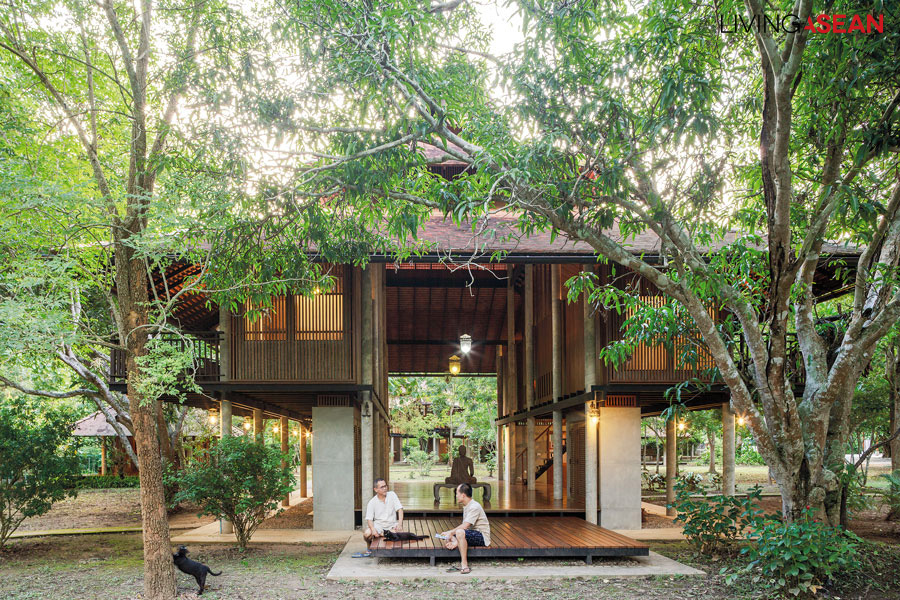
The Huean Tham house (House of Dharma) has a depth that makes it much more than just a place to live. It’s actually a group of buildings and rooms, each with its own particular use. The Thai word “tham” (dharma) is integral to the words “thammachat” (nature) and “thammada” (natural), and suggests tranquility in life living in this local Thai house.

Local Thai House

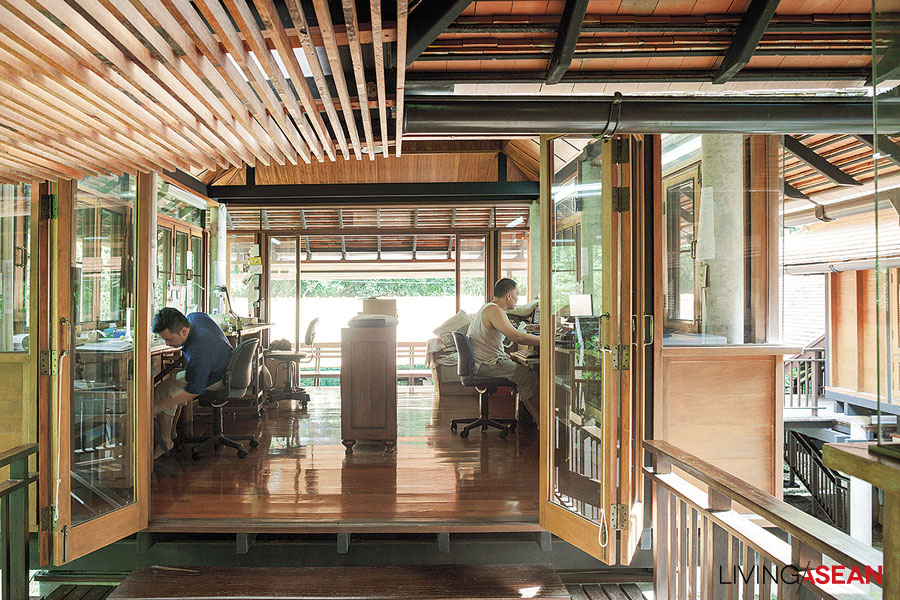
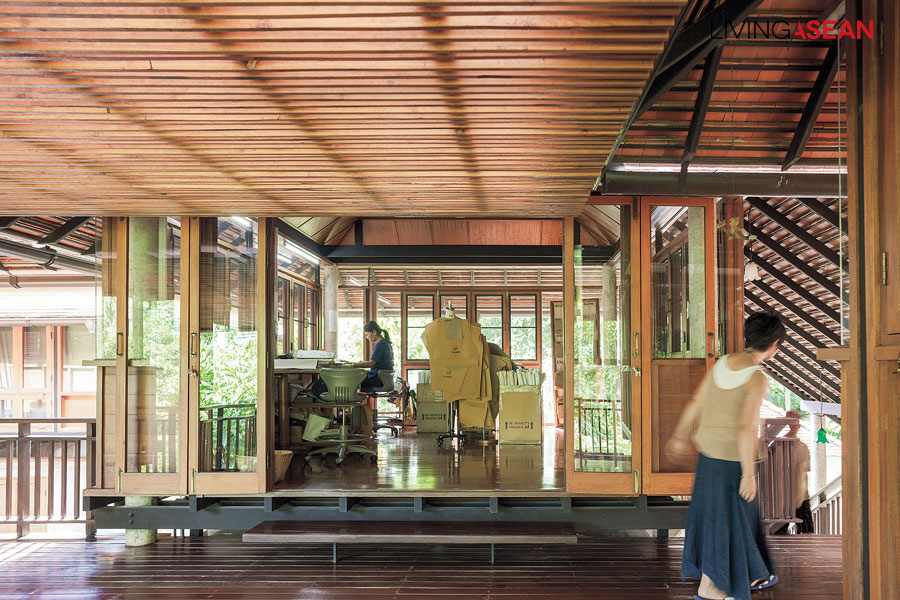
Huean Tham is a residence, a design workshop for naturally dyed fabrics, and a storehouse for Usaato brand fabrics, all in 6 buildings.

First is “ruean yai” (the large house), residence of owners Somyot Suparpornhemin and Usaburo Sato.

Just to the north is ruean lek (small house), where the children and visiting friends stay.

More or less in the center of the complex is sala tham (dharma hall), a place to socialize, with a shady multipurpose yard for activities such as dharma seminars and trainings in woven fabric design, for a local village weaving group, and in natural soap production.

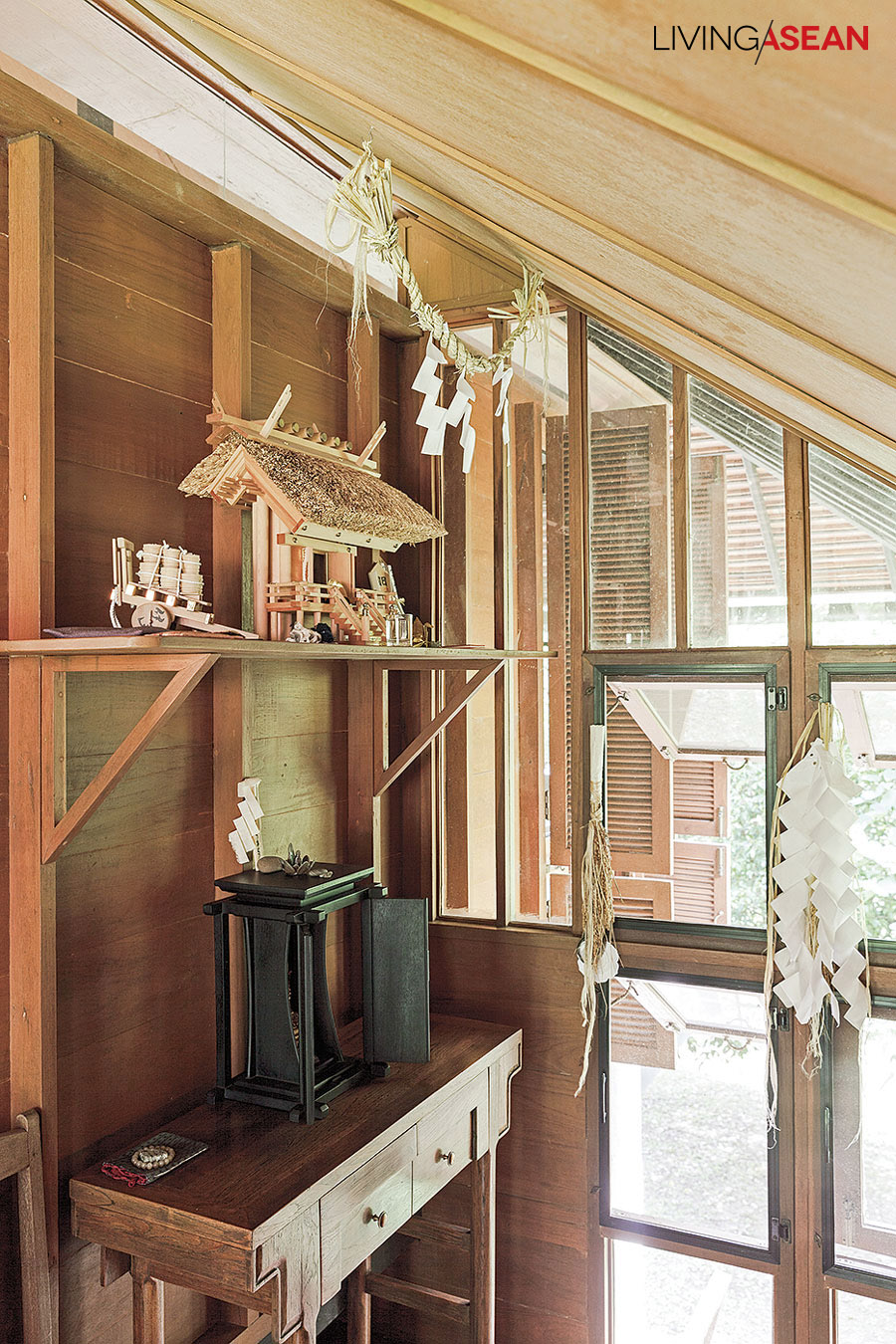
There is also a shrine with a wooden Buddha in this local Thai house. Both wings of the second floor hold guest rooms for close friends.

Local Thai House

On the southwest side is ruean luang pho (holy man house), a retreat for family members which serves as a monk’s hut when a revered spiritual teacher is invited to the home.

Finally, to the south are akhan kep pha (fabric storehouse) and ruean ngan (workshop) for design work, with different rooms for specialists in different crafts.

Local Thai House

Local Thai House

Huean Tham’s outstanding attributes were conceived by Arsomsilp Community and Environmental Architects with the aim of combining good features of the traditional Thai house with functional Japanese concepts.

Entering ruean yai we see the floor is raised a bit: this is to protect against ground moisture. Thai and Japanese homes share a characteristic utilization of the area beneath the main house for guest reception and dining, a multipurpose space called “tai thun” in Thai.

Local Thai House

Construction materials were selected for their good points and their suitability: the house is constructed primarily of wood, the house frame primarily of concrete and steel.

The architecture of Huean Tham isn’t flashy or showy. The true beauty of this home is in its fusion of architecture with life toward oneness with nature and the ways of tranquility, raising the level of excellence for both the architectural team and for Eung and Ussa’s lifestyle.

This excellence will continuously reinforce the beauty of this local Thai house as time goes on.

Local Thai House

Local Thai House

Local Thai House


Owner: Somyot Suparpornhemin and Usaburo Sato

Architect: Arsomsilp Community and Environmental Architect

Project Consultant: Teerapon Niyom

Contractor: Pratiew Yasai


Visit the original Thai version of the article…

เฮือนธรรม บ้านใต้ถุนสูง พื้นถิ่นไทย ในขนบแบบญี่ปุ่น


You may also like…
From An Old Home to A Stunning House on Stilts

Peaceful, Shady Northeastern Thai House

Duangrit Bunnag Group Wins Suvarnabhumi Airport Terminal 2 Project Design Contest

Duangrit Bunnag Group Wins Suvarnabhumi Airport Terminal 2 Project Design Contest

The Airports of Thailand Public Company Limited (AOT) announced on August 22, 2018 that the Duangrit Bunnag Group, aka the DBALP Consortium, has won the Suvarnabhumi Airport Terminal 2 Project design contest.

AOT had previously invited the private sector to make bids for designing the new 35-billion-baht Terminal 2 project. As a result, the first runner-up Duangrit Bunnag Group was declared winner for its design proposal worth an estimated 329 million baht.

DBALP was able to achieve an important triumph after the winning bidder SA Group was disqualified for failing to submit an important document, namely, the original quotation for the cost of work as stipulated in the contract.

The SA Group stood firm that it had never received the original quotation document from AOT, and called for a reconsideration of bid results. It made reference to winning on points for its technical proposal, and that the cost of work it entered for the contest was lower than that stipulated by AOT. Furthermore, the purpose of the original quotation document was only to prevent the competition process being compromised.   

Four private sector groups responded to the AOT invitation to compete for design work by means of sealed bids. The first is a consortium of legal persons consisting of DBALP, Nikken Sekkei, EMS, MHPM, and MSA, collectively known as the Duangrit Bunnag Group for short.

The second group is an association of consulting firms made up of the Beaumont Partners Co Ltd, the Index International Group Co Ltd, the Egis-Rail (Thailand) Co Ltd, the CEL Engineers Co Ltd, the CEL Architects and Environments Co Ltd, the Alana Engineering Co Ltd, Egis Avia, and Egis Rail S.A.

The third group is a number of consulting firms composed of the Varda Associates Co Ltd, the Wise Project Consulting Co Ltd, and the Chong Lim Architecture Co Ltd.

Last is the SA Group, a consortium of consulting firms made up of the Span Consultants Co Ltd, the Sign-Tech Engineering Consultants Co Ltd, the Azusa Sekkei Co Ltd, and the Sky Party Co Ltd.

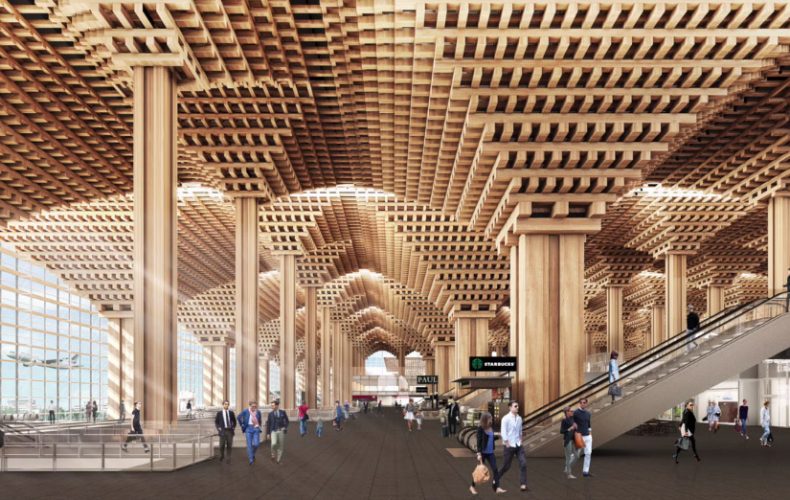
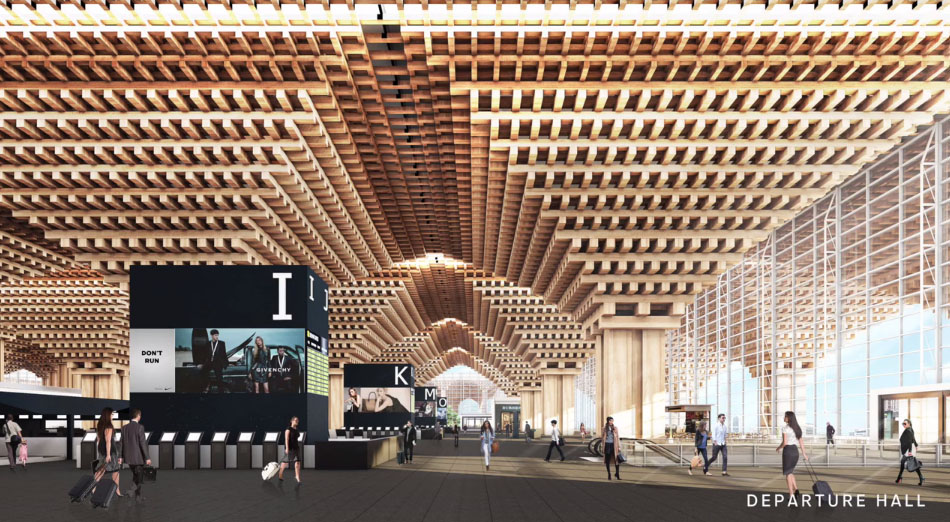
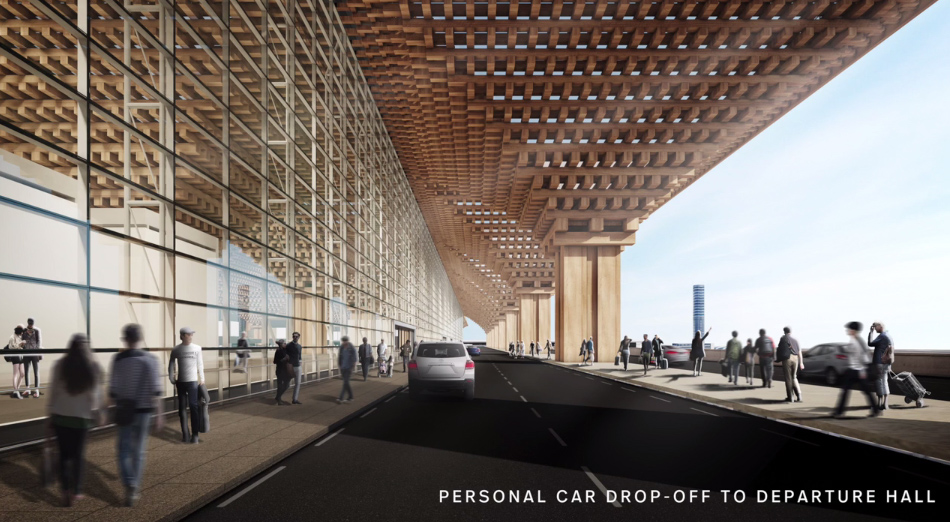
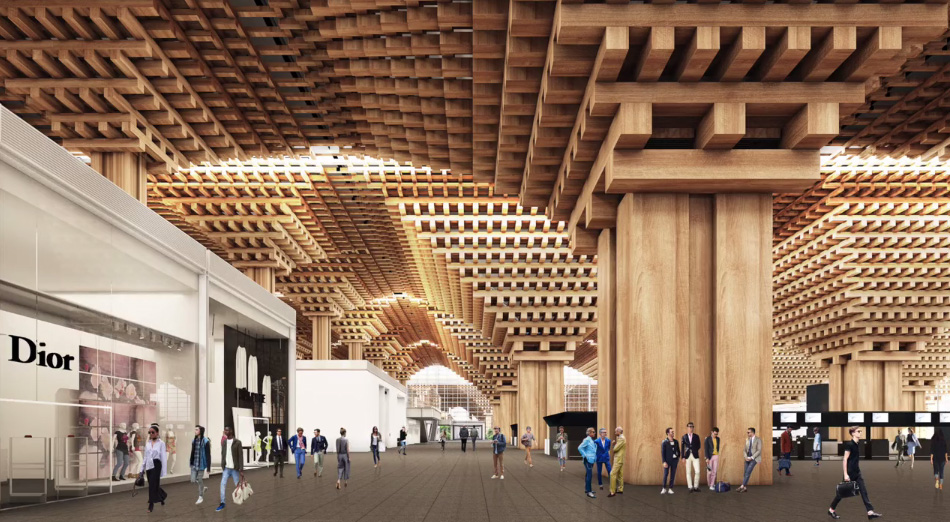
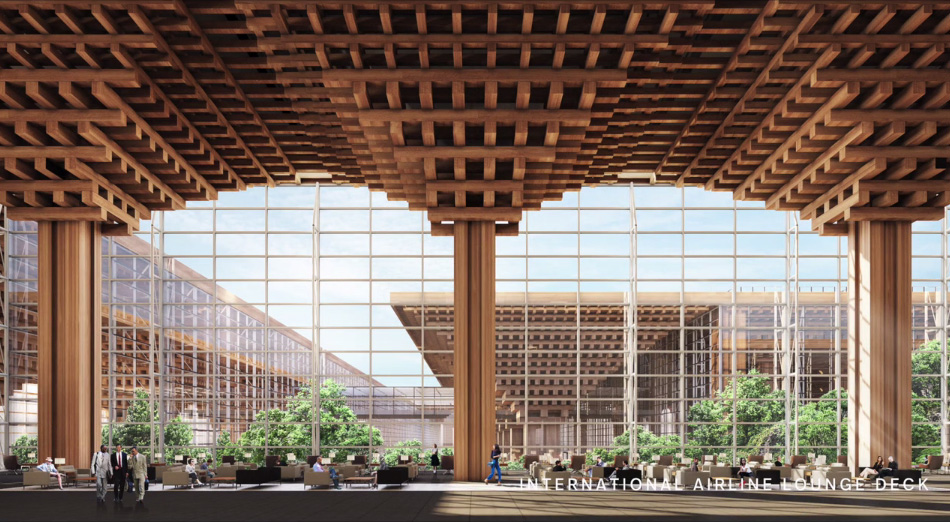
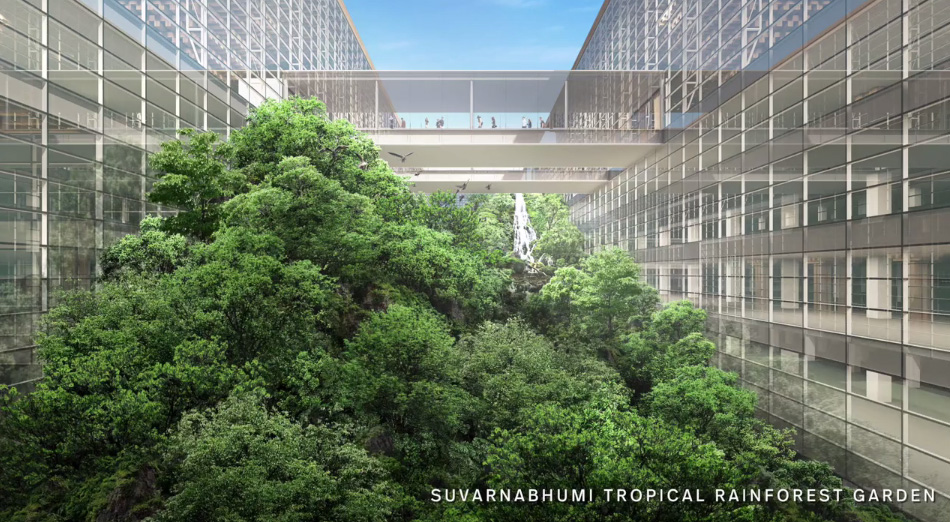
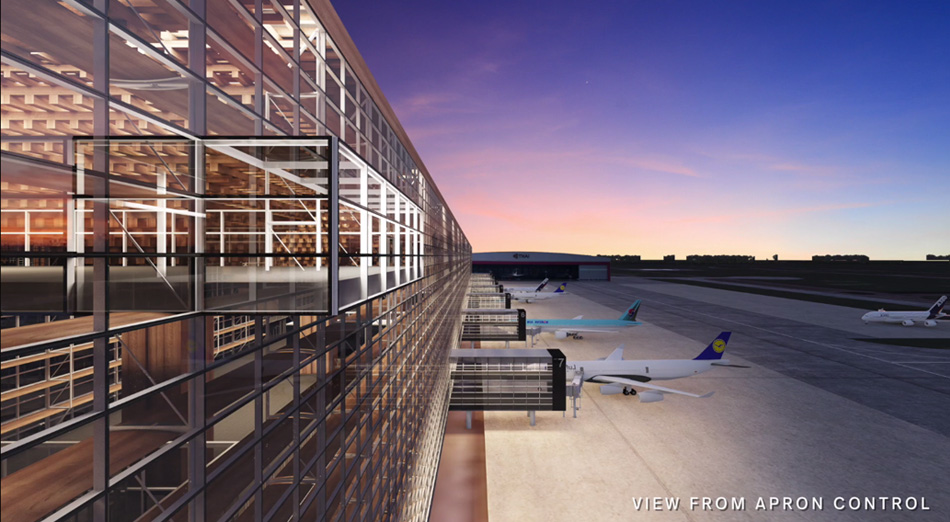
A rendering of Suvarnabhumi Airport Terminal 2 by the DBALP Consortium

As per the August 22, 2018 announcement, the DBALP Consortium is obligated to complete its forest-inspired design on the Suvarnabhumi Airport Terminal 2 project in 10 months’ time. Coming up next is an AOT invitation to bid for the construction phase.

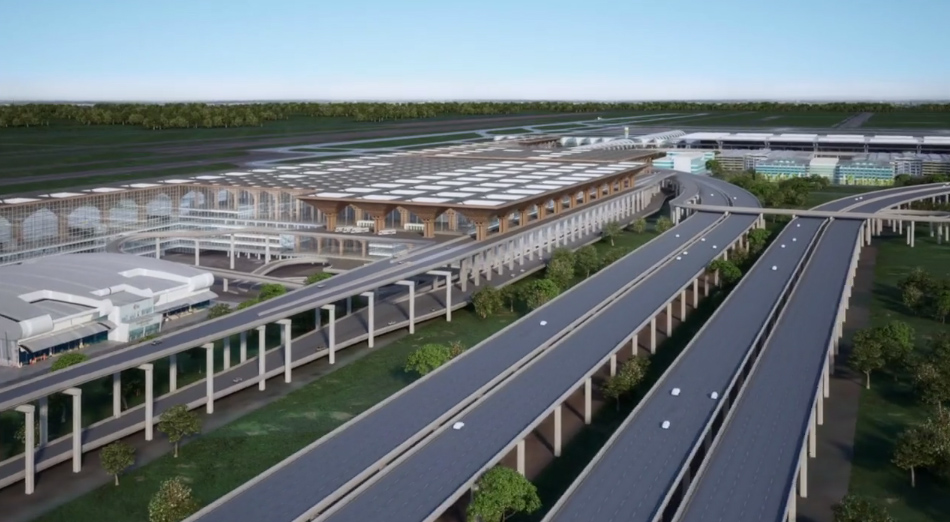
Designed to meet future demands, the new Terminal 2 at Suvarnabhumi Airport will have the ability to receive over 30 million passengers annually — 12 million via domestic flights, and 18 million on board international flights. The building will come complete with 14 airport aprons and parking spaces for 1,000 cars. Construction will take about 30 months to complete. The project is scheduled to be fully functional mid-2021 at the earliest.

A rendering of Suvarnabhumi Airport Terminal 2 by the DBALP Consortium

See more: A glance at other design proposals entered into the competition >>

X